
Best for chairs
1 - 2.5 hours·English
4.8(778)
Kyoto: Traditional Tea Ceremony with Matcha & Sweets in Gion
Free cancellationSimple matcha recipe to enjoy in your daily lifeIn English

 6.9k
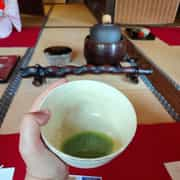
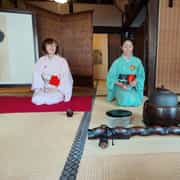
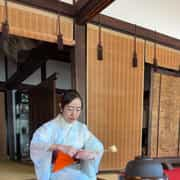
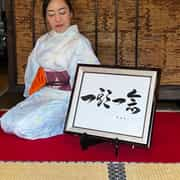
Worried your kids can't sit still through a formal ritual? They can here. Book a family friendly tea ceremony in Kyoto where children whisk their own matcha, chairs replace floor kneeling, and patient English-speaking hosts welcome beginners. Seats and stools are ready at Jotokuji Temple, so pick a time and bring the whole family.
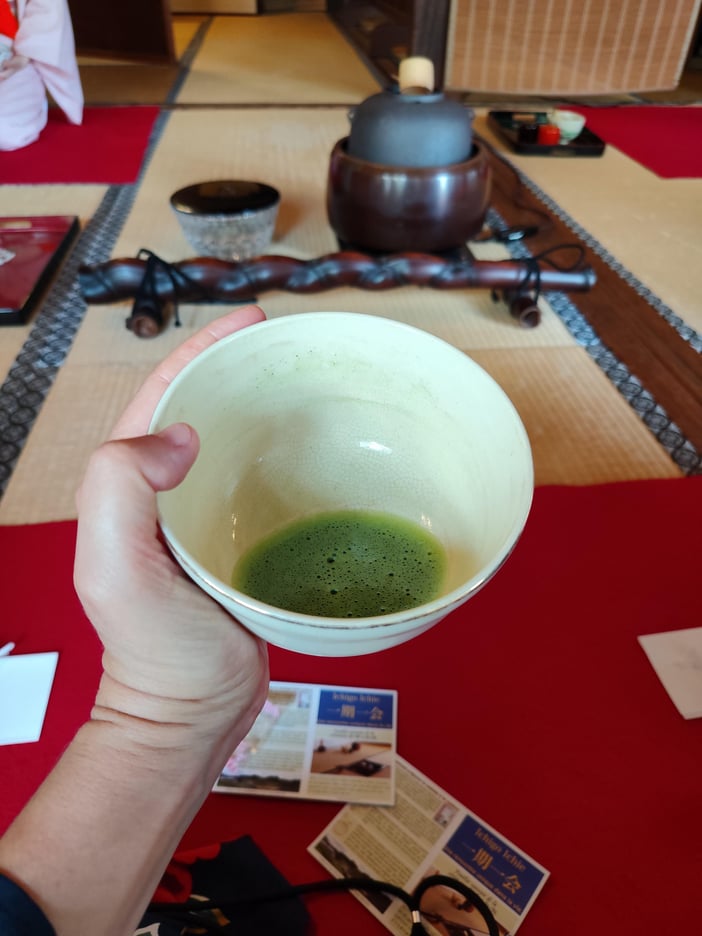
Kyoto's family friendly tea sessions come in two main shapes: guided ceremonies where a host explains each step, and hands-on workshops where children grind or whisk the tea themselves. Most last under two hours. The one thing that decides between them is age, since several venues set minimum ages of five, six, or seven.
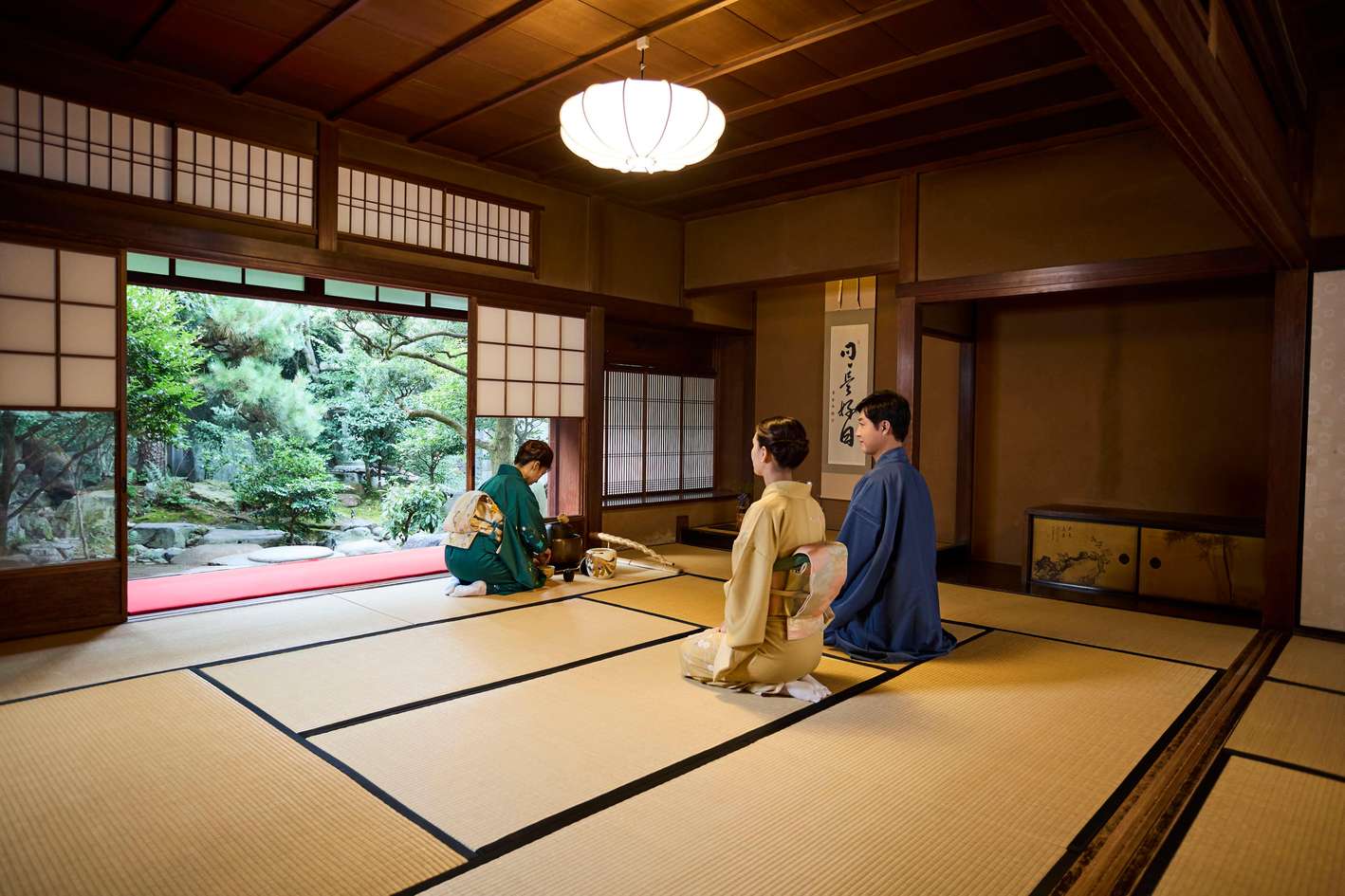
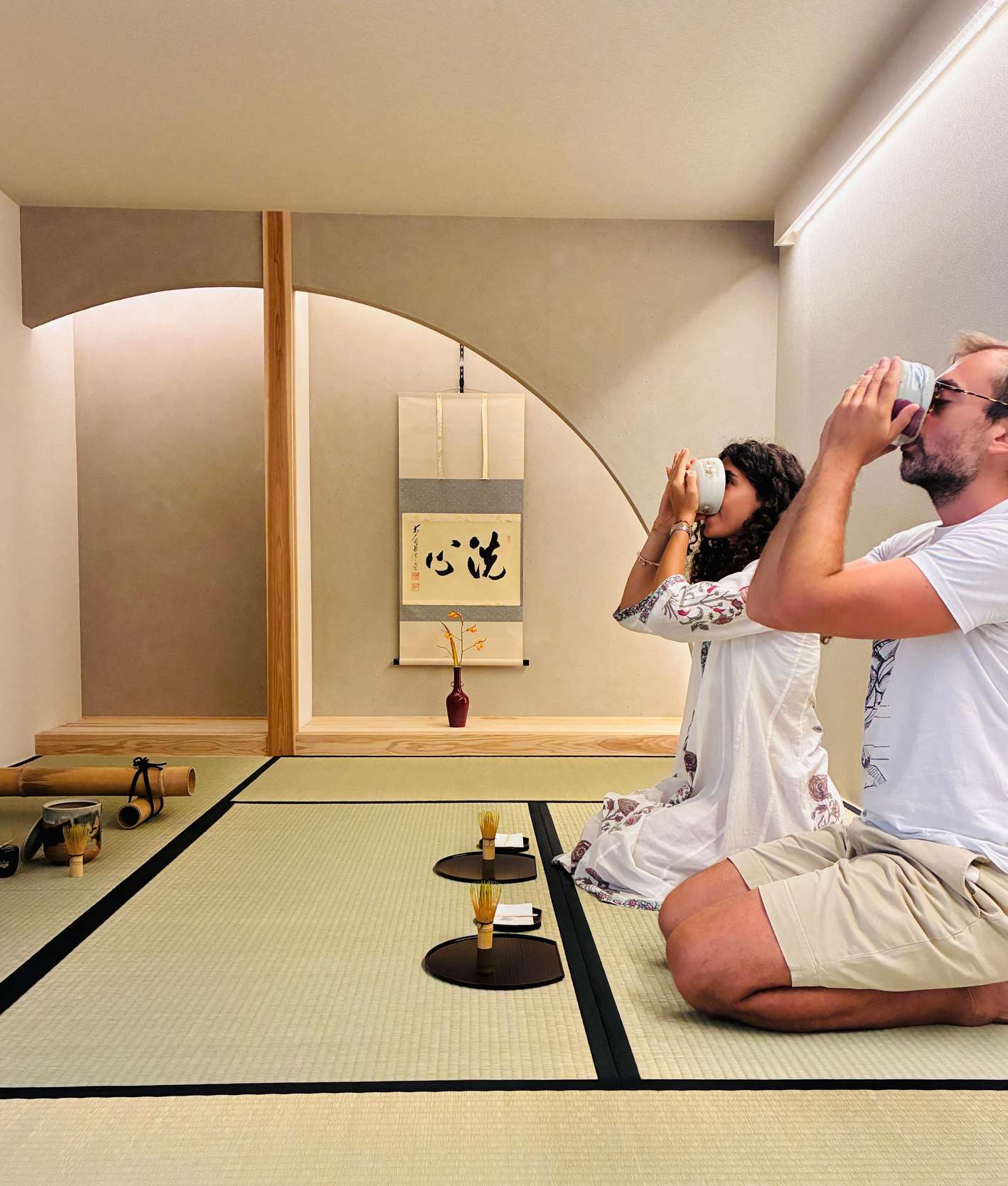
Check the age rule on each listing before you book, and if you are traveling with a baby or toddler, choose a session with a private option or a family plan so your group is the only one in the room.
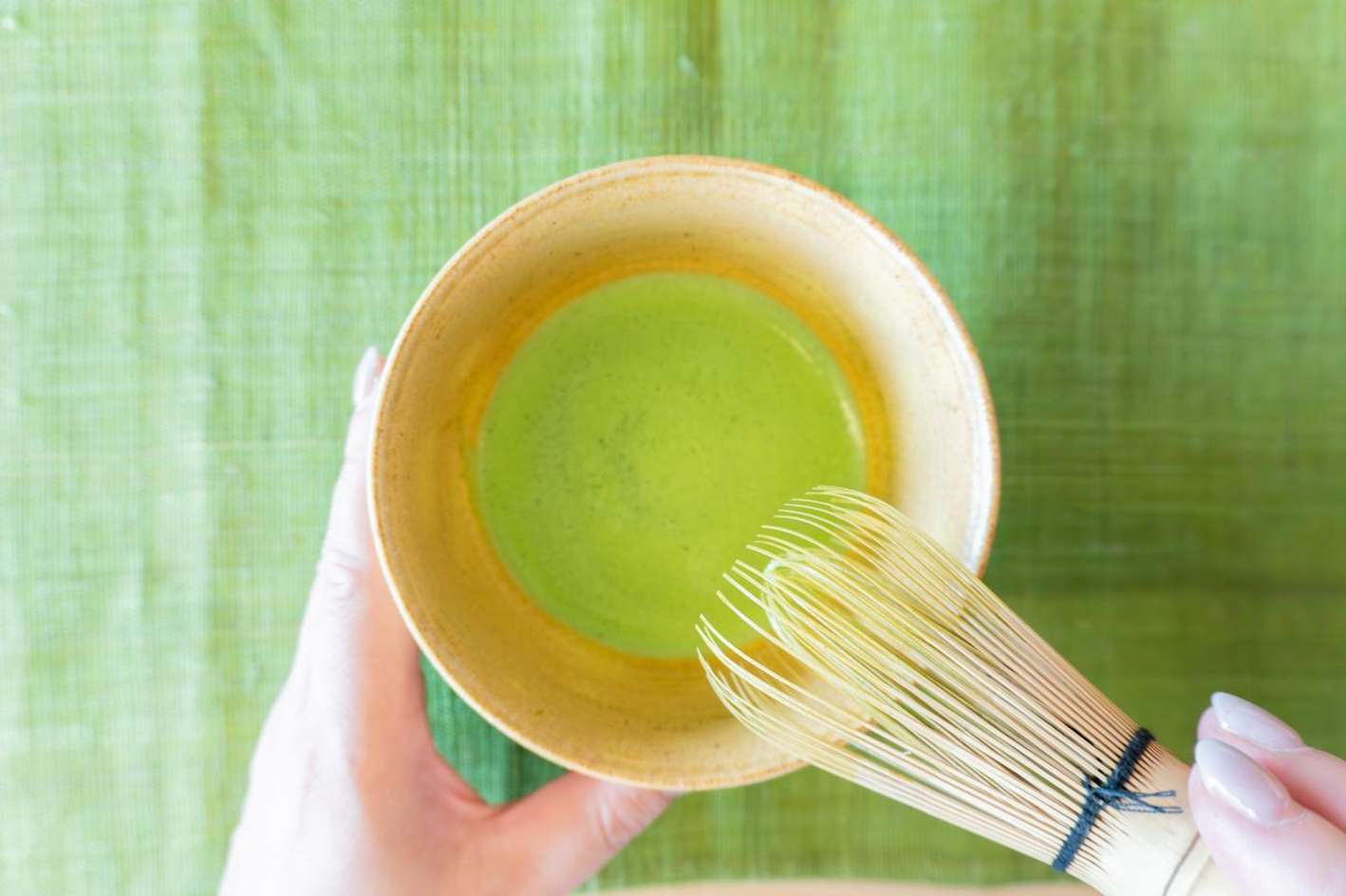

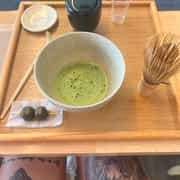
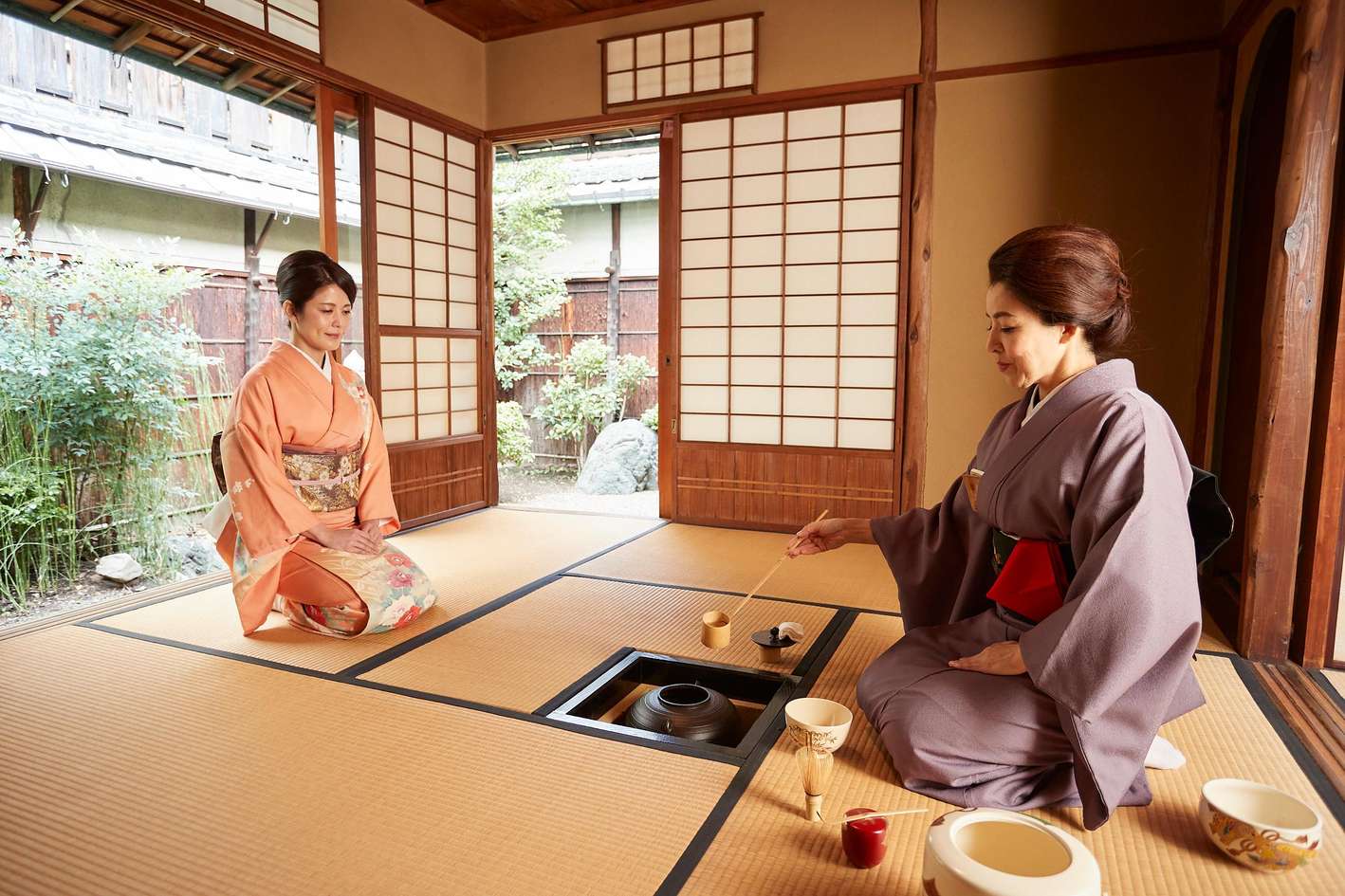
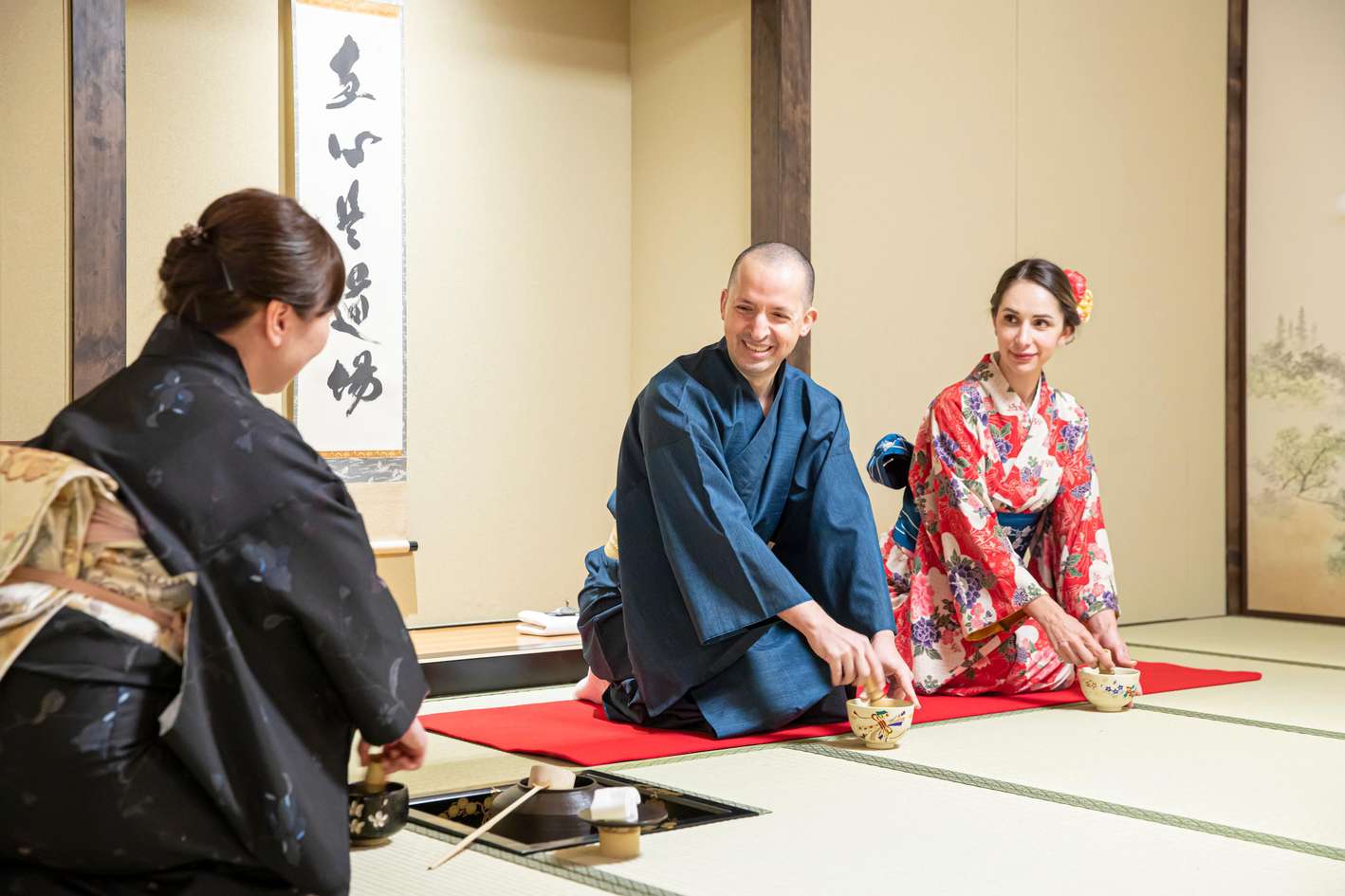
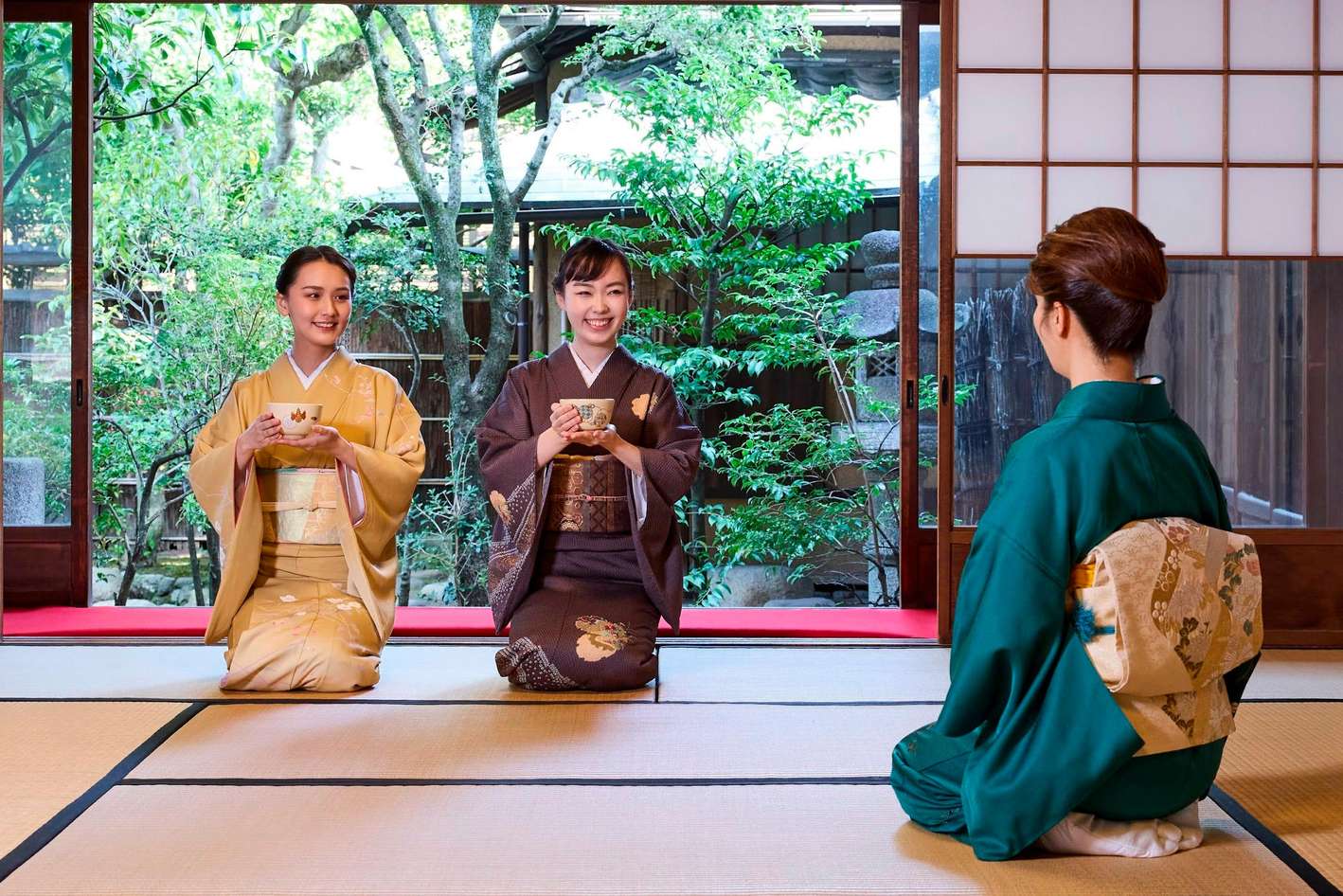
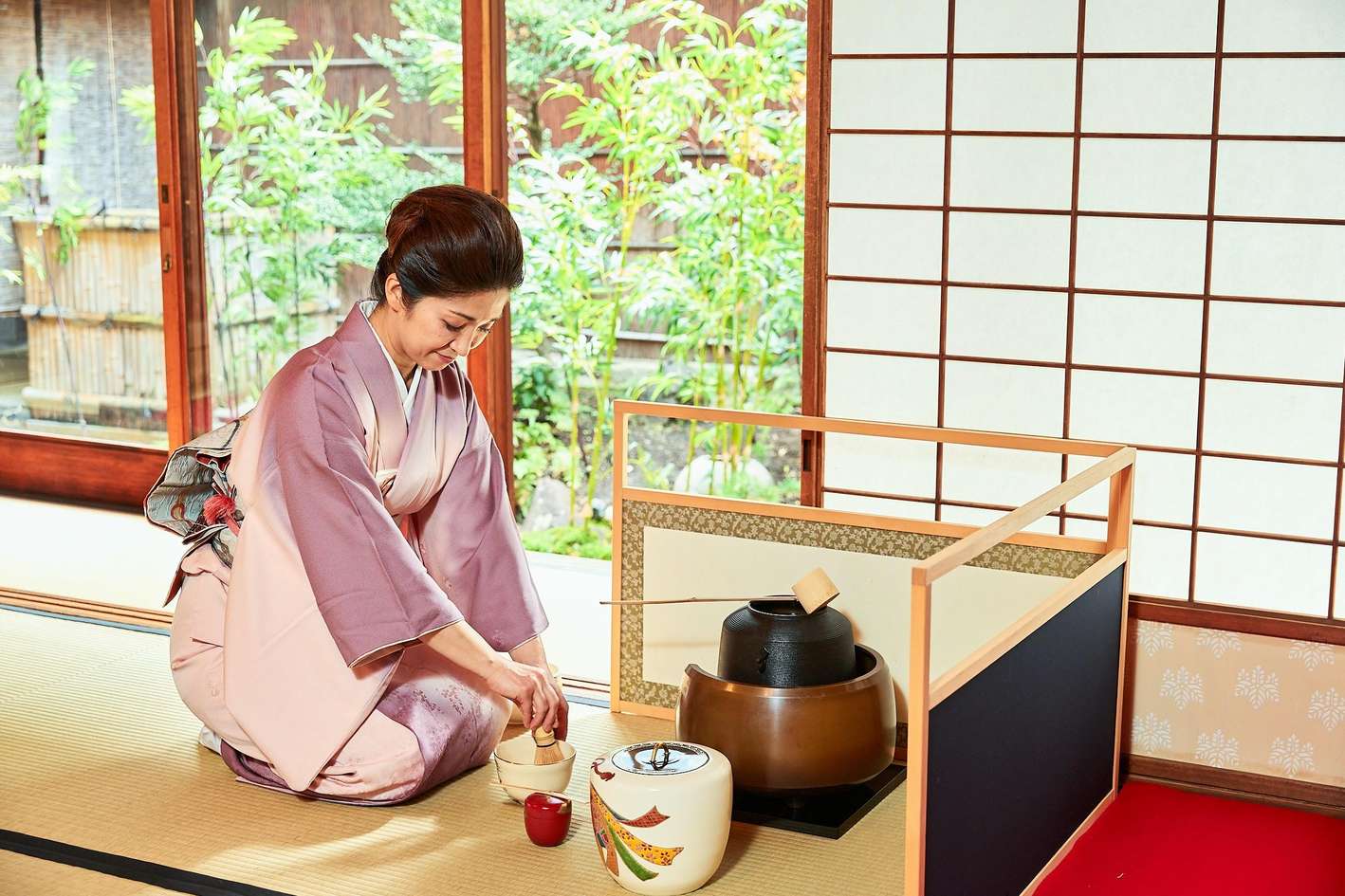
Kimono dressing, hairstyling and a 90-minute ceremony with staff help, rated 4.9 by 754 guests.


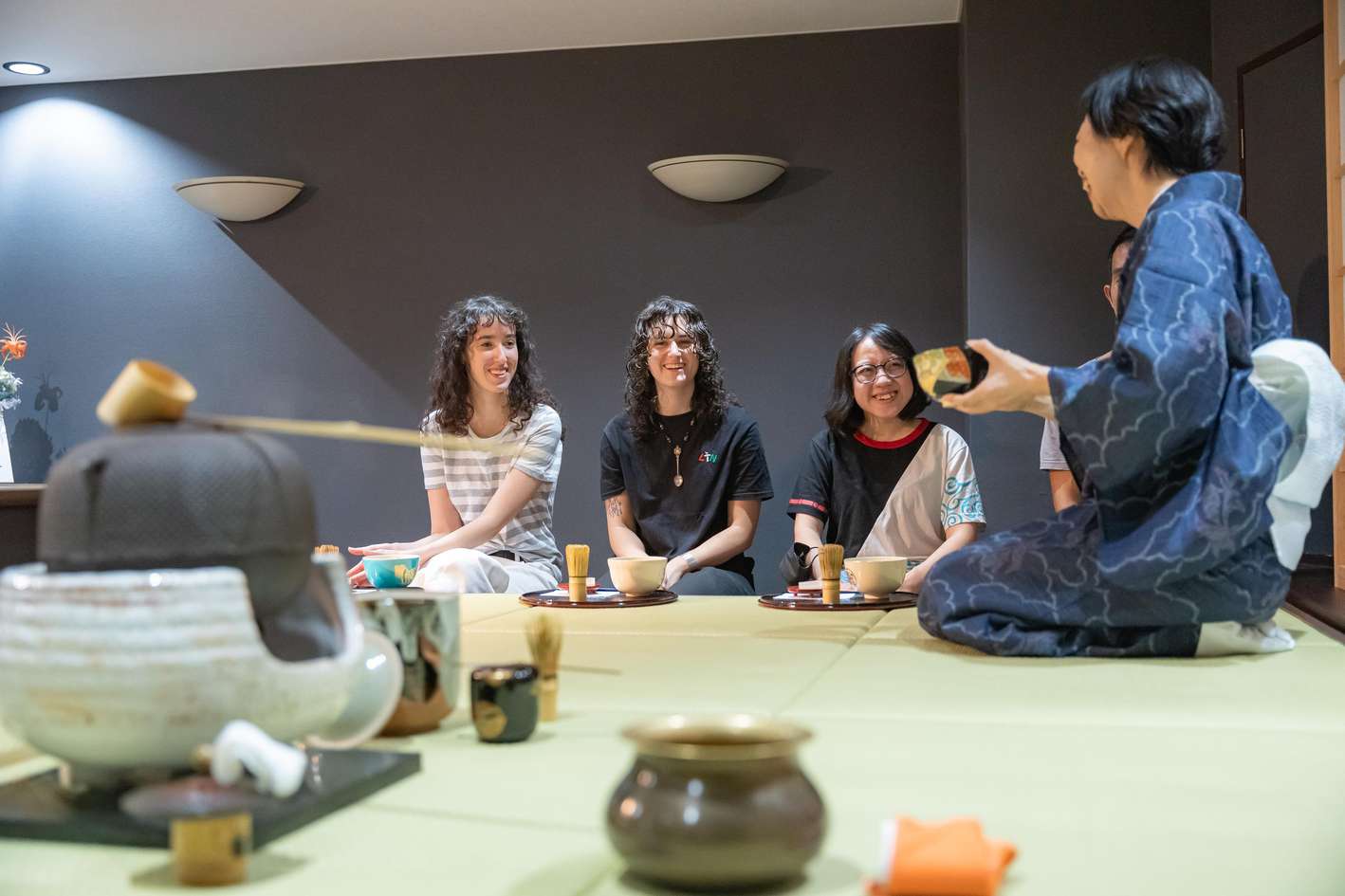
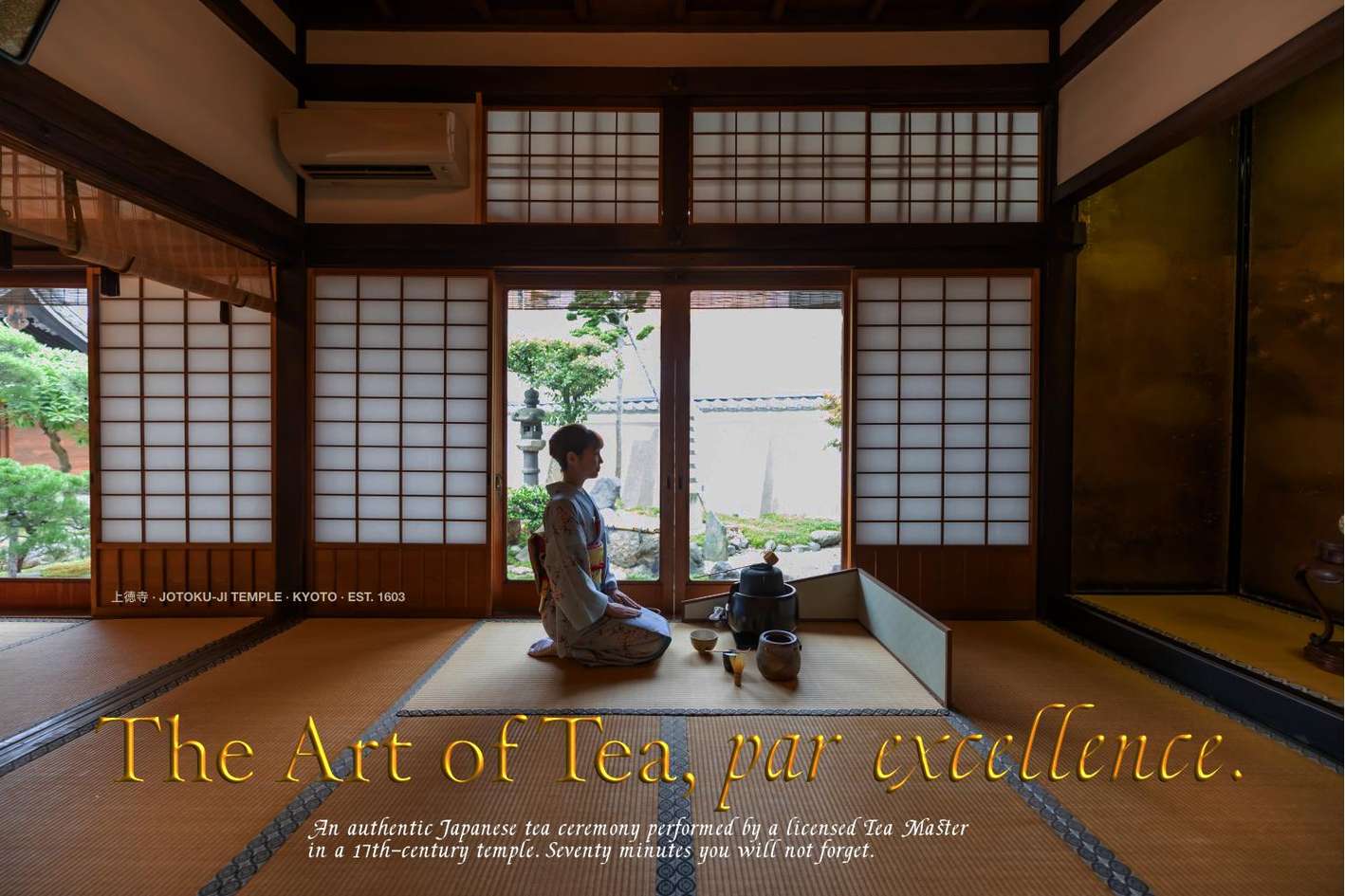
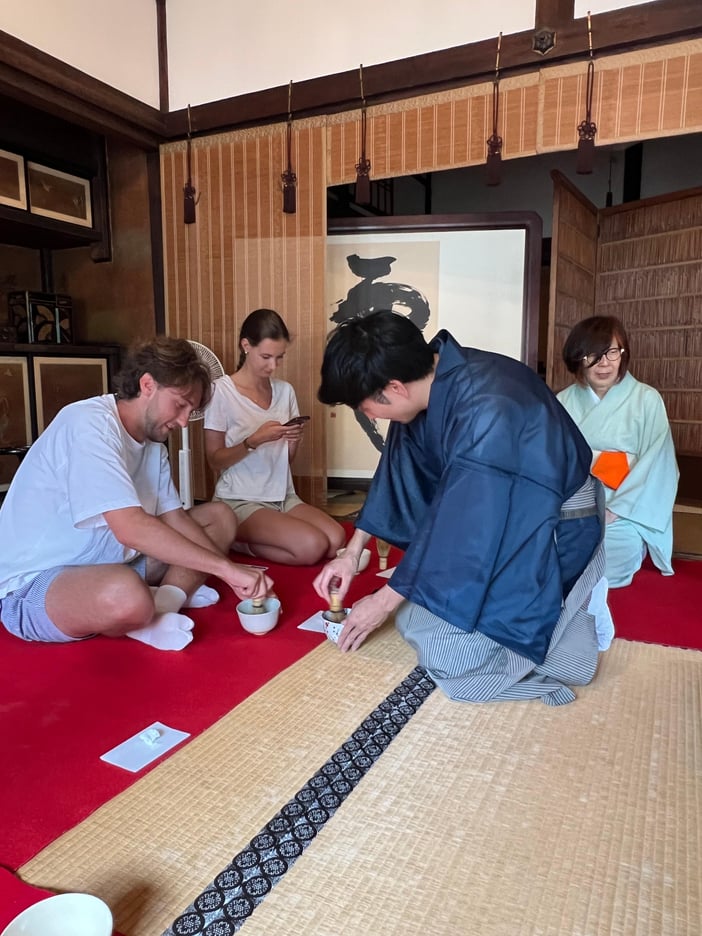
At Jotokuji Temple, families join a 70-minute chanoyu workshop that runs entirely in English and starts with a walk through the temple grounds.
Kids from age five can come along, and nobody has to kneel for the whole session: seats and stools are there for anyone who prefers not to sit on the floor in the traditional position.
A guide walks you through the temple's architecture and a purification ritual before you enter the Grand Tearoom, where an instructor leads the tea drinking ceremony step by step.
Kimono is not part of the booking, though it can be rented separately nearby. If a family member turns five after you book, that is the age the temple asks for, so plan around it.

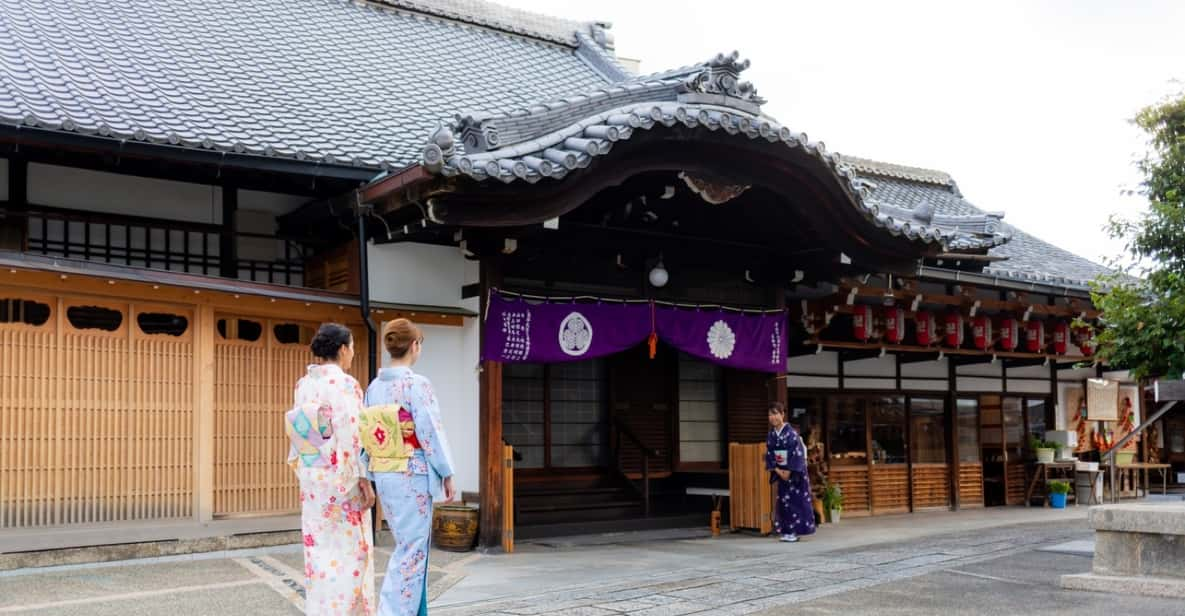


Green marks the lowest price. Prices per person.
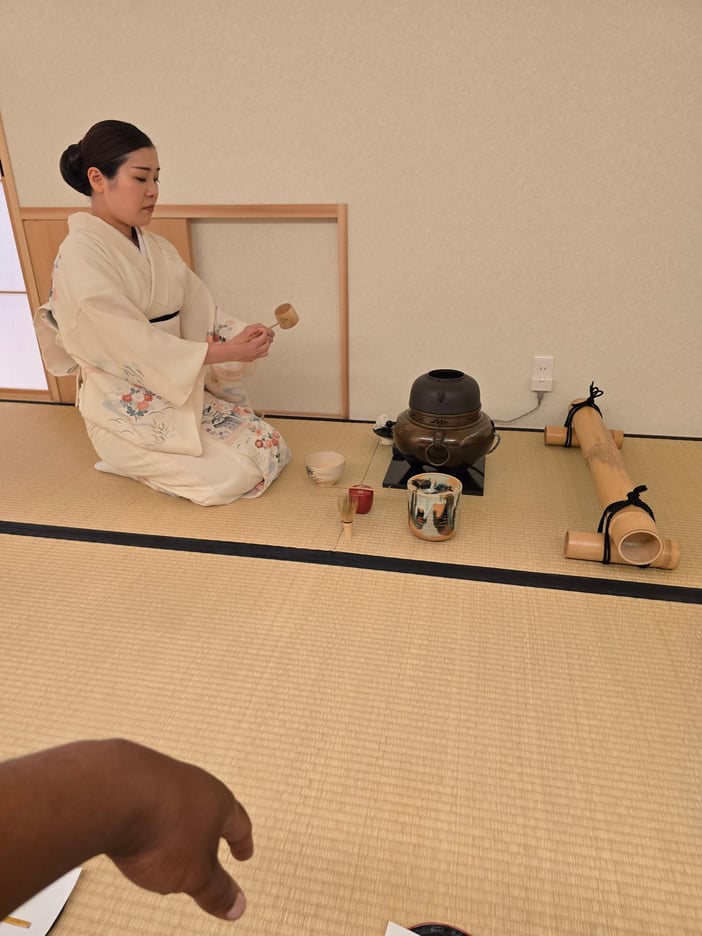
Yuko-san was a delight! Elegant, peaceful, truly zen. She speaks excellent English. Book before your trip!
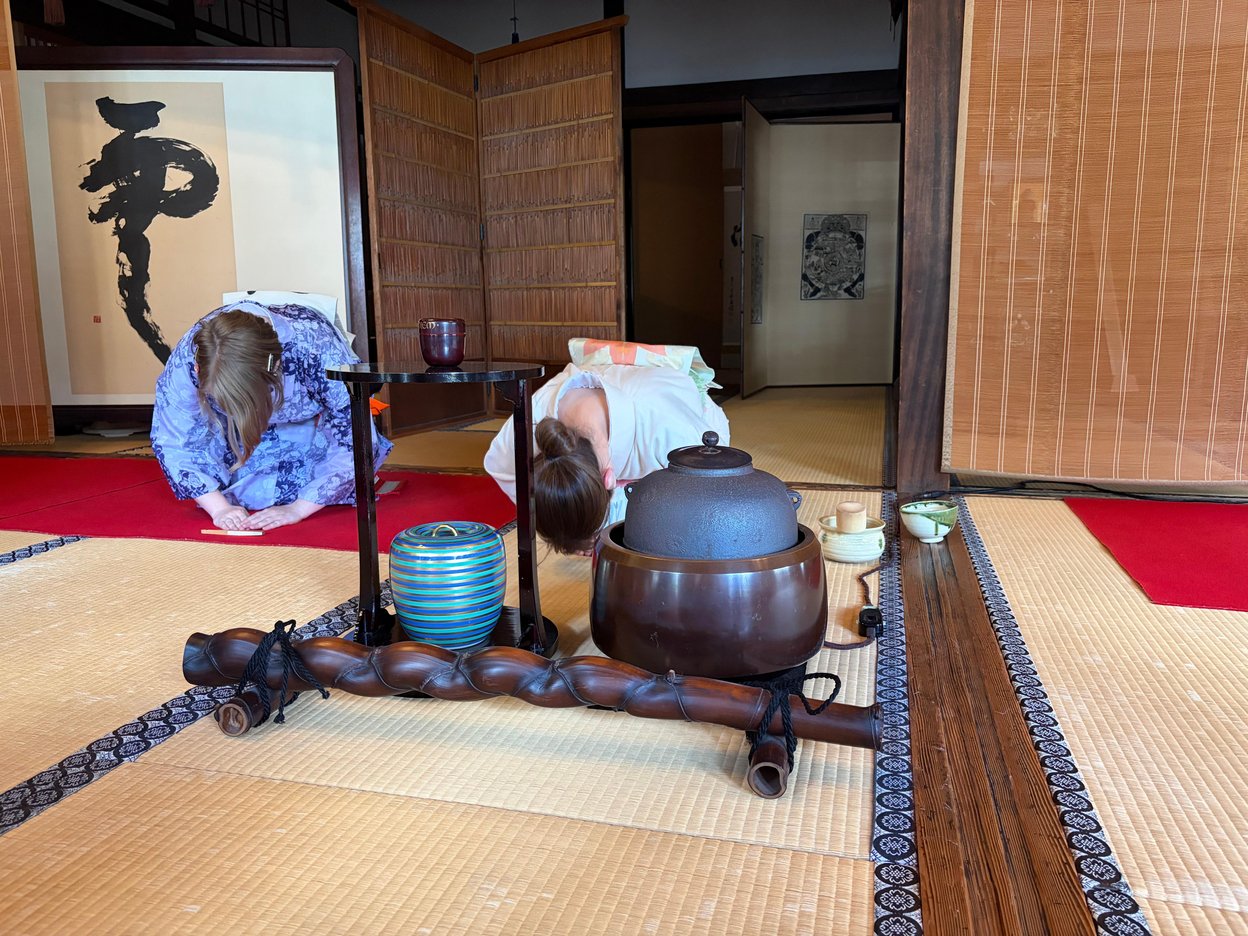
A peaceful place for a tea ceremony, warm welcome. The tea master explained everything gently, following every tradition. You feel Japan's spirit in each gesture. Highly recommend.
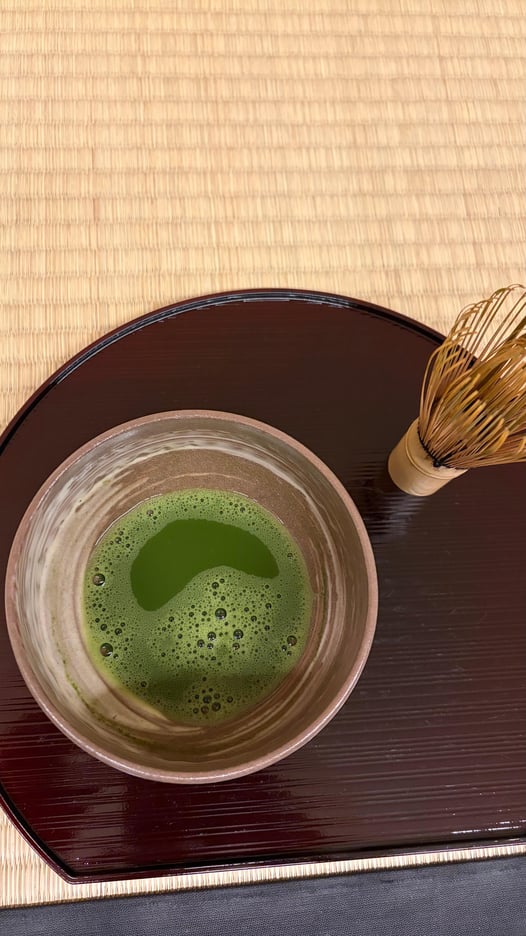
A wonderful experience. Sakura and Yuko made everything perfect. Sakura explained the ceremony with such patience, forgiving our little mistakes. I left feeling happy and relaxed. Ichigo ichie, thank you!
Family activity, two adults and four teens (11, 14, 15, 18). We rented traditional outfits first. Just over an hour: explanation, tasting, hands-on. Sweet temple setting, photo at the end.
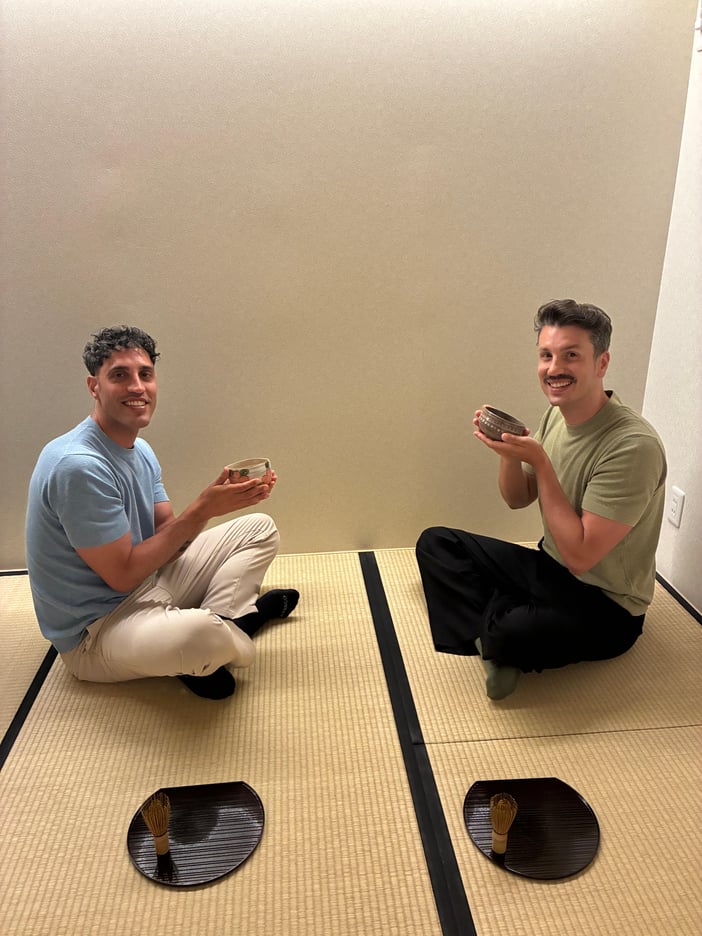
Lovely experience! Friendly host explained matcha's history well. Tiny group, and we whisked our own tea. Perfect calm hour. Thanks!
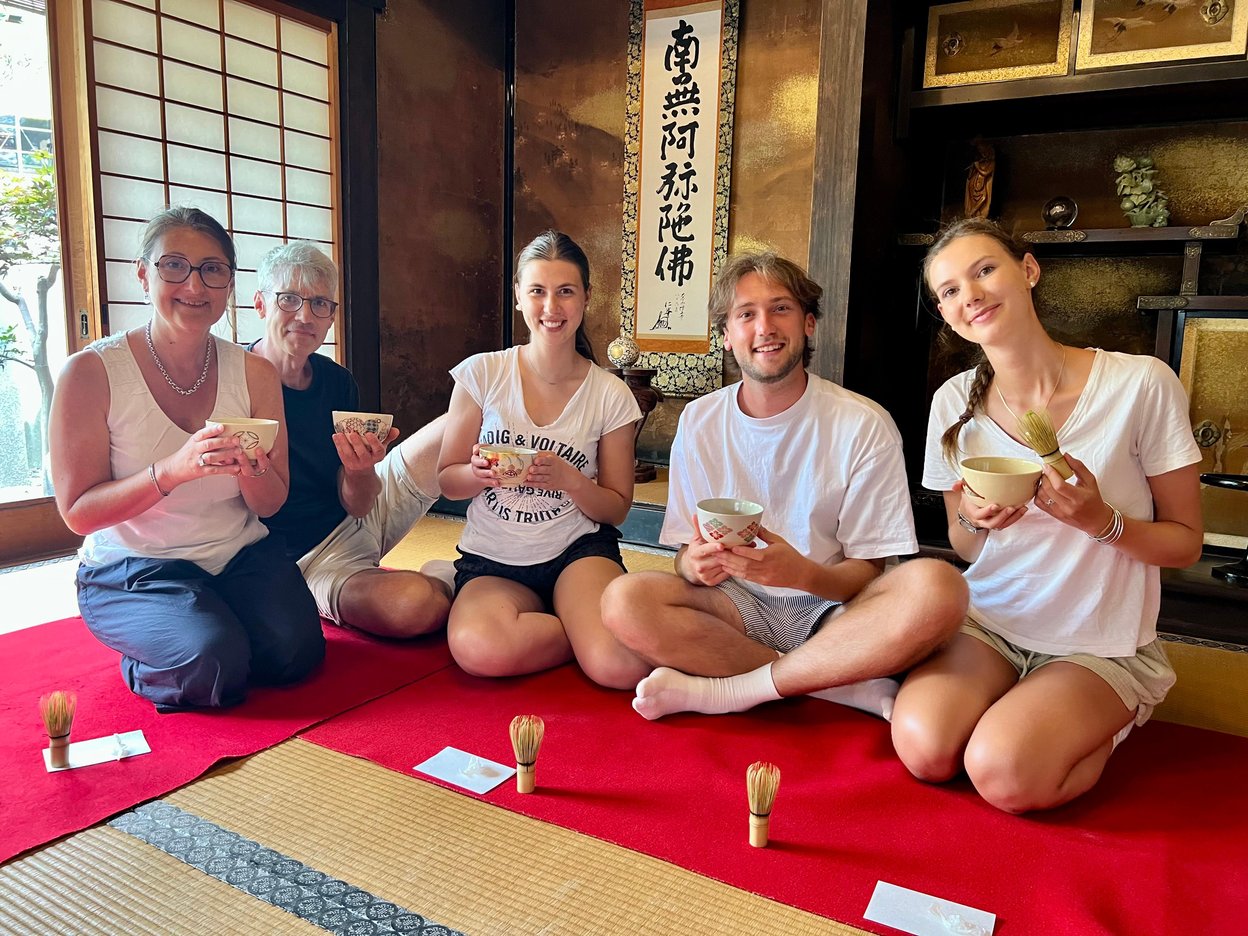
Fascinating experience inside a traditional house. Learned the meaning behind each step of the matcha ceremony and loved whisking our own cups with hosts' guidance. Warm welcome, time flew by!
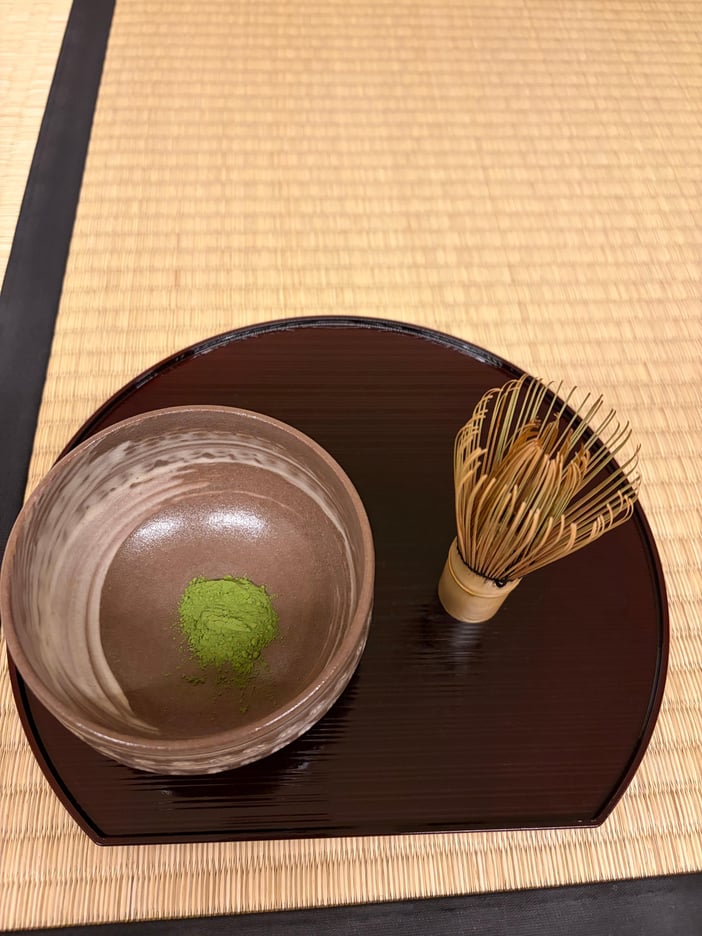
Beautiful tea ceremony with charming hosts in gorgeous traditional dress. Interesting history, then we participated ourselves and took photos. They gently shared its spirit with us. Precious.
Most reviewers praise hosts who patiently explain the history and meaning of each step in clear English.
Several reviewers did not expect chairs and stools instead of kneeling, and one found grinding tea leaves a fun workout.
A few families wished the museum signs and exhibits had been in English as well.
Choose a date early in your trip so you can rebook if a slot falls through. April, September and November fill up well in advance, and walk-ups are unreliable then. December to February stay quietest.
Each listing shows options that change the session. Pick the plain tea ceremony for a shorter sit, or a kimono version if you want dressing included. Check the minimum age on the option you choose, since some venues bar children under 5, 6, 7 or 10.
Payment goes through the marketplace at checkout, and your confirmation and any operator messages arrive by email. Most listings let you cancel up to 24 hours in advance for a full refund, so a changed plan costs nothing if you act a day ahead.
Your voucher states the exact meeting point, and several venues hide down narrow alleys that map apps find badly in Kyoto. For the Ju-An temple session, you meet your guide at the red benches near the parish shop inside the temple gates. Kimono options often start at a separate rental shop, so read which address applies to your option.
Doors close at the start time at several venues, and entry can be refused even a minute late, with no refund. Most hosts ask you to arrive 5 minutes early, and the Uji museum workshop wants you at reception 15 minutes ahead. Remove watches and rings before handling the tea bowls.
The temple session at Jotokuji takes a relaxed line with babies: parents may bring them along on the condition that they step away from the group if the baby cries or starts to fuss. That makes it one of the few shared sessions where an infant is not an automatic no.
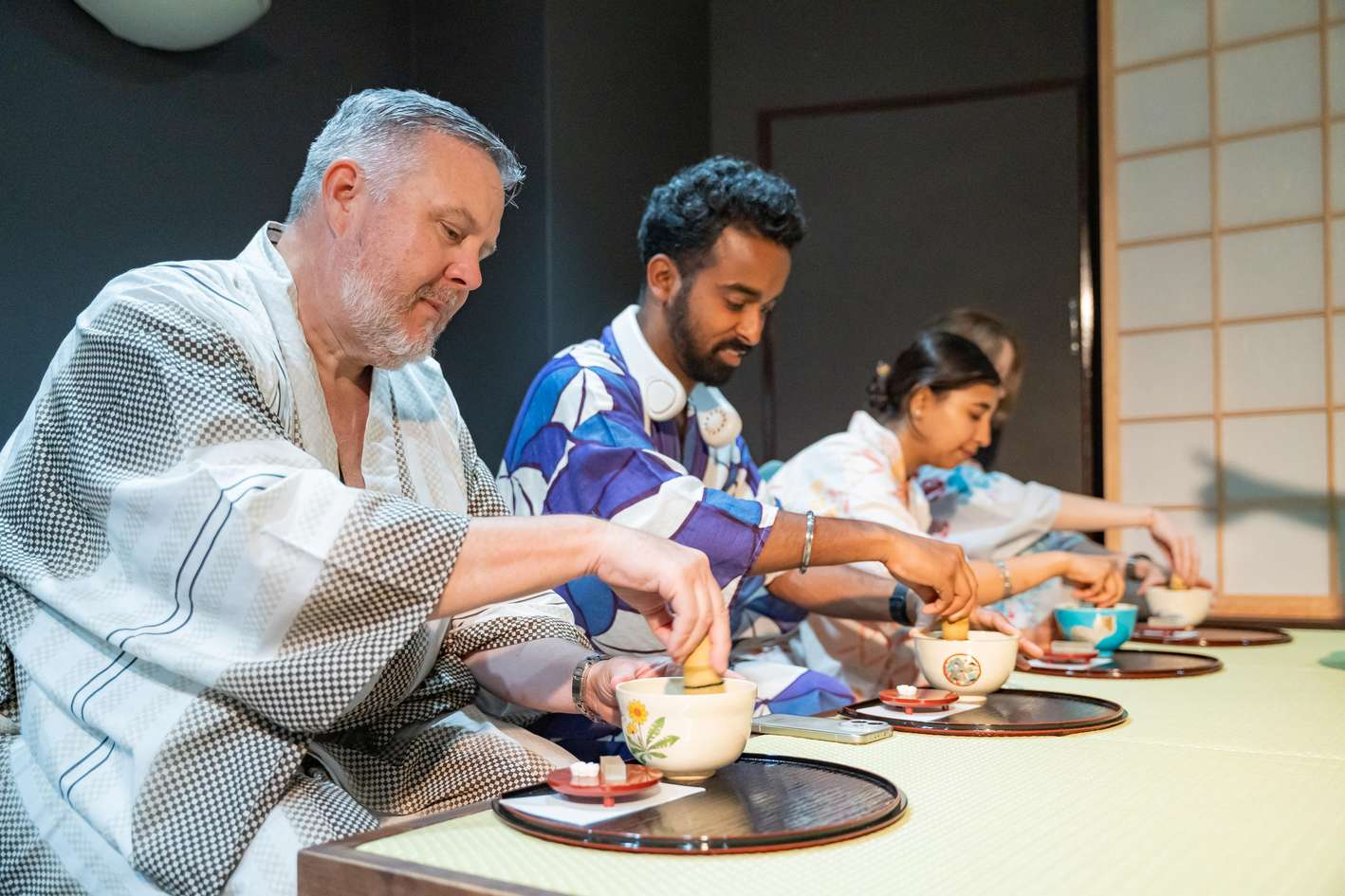
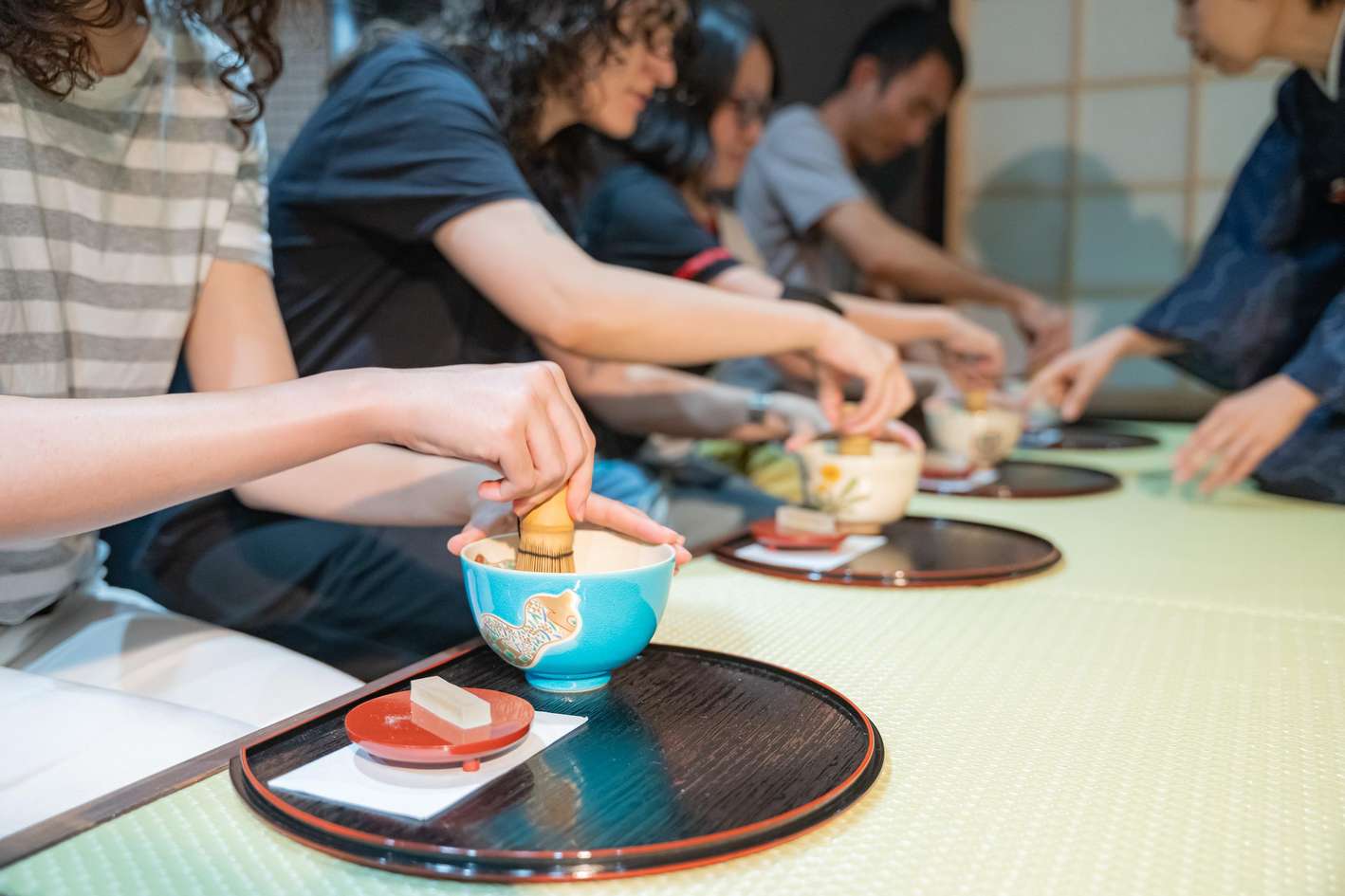
Kids do more than watch. On most sessions participants whisk their own bowl of matcha with step-by-step guidance, and in Uji a one-hour museum visit includes grinding tea leaves on a stone mill, which keeps small hands busy the whole time.
Comfortable clothing that covers the knees works for floor seating, and shorts or short skirts are best left for another day. Remove watches and rings before handling the tea bowls, since metal can scratch the ceramic, and skip strong perfume because the tea's aroma is part of the experience.
No tip is expected anywhere in Japan, including after a tea ceremony. A simple thank you to the host is the customary close, so families can relax about the goodbye.
No one has to endure an hour of kneeling. The Gion session seats everyone on chairs, the temple session provides seats or stools for anyone uncomfortable on the floor, and at the Karasuma Shijo venue bamboo chairs are available if you request them in advance.
Every session on this page can be cancelled up to 24 hours in advance for a full refund, which helps when a nap schedule shifts or a train plan changes the day before.
Each venue sets its own minimum age, and it can stop a child from joining. One session in Gion admits children from 5 years old, one near Sanjo runs from age 6, and the kimono ceremony on Karasuma Shijo takes kids from 7. Check the age rule for your chosen session before you book.
Sessions arranged for visitors are far more forgiving than formal school ceremonies, and small etiquette slips are routinely overlooked. Children aged 6 and older are welcome at some venues, though guests whose behavior seriously disrupts the room may be asked to leave.
Shoes come off at the entrance and bare feet never touch the tatami, so everyone in the family needs clean socks. Any color without holes is fine at most venues, but a fresh pair of white socks is the traditional courtesy. Slip-on shoes make the change easier with kids.
Ceremonial matcha is strong and bitter by Western standards, but the seasonal sweet is eaten first to balance it, and a serving is only a few small sips. Hosts can be told in advance about dietary needs, and children who cannot manage the tea can take a tiny courtesy sip or plain hot water.
Tea rooms run on the minute. Doors often lock at the start time, late guests may be refused entry, and no refund is given. Plan to arrive five or more minutes early, and build in extra travel time if you are coming by bus with children.
Photography rules differ by venue: flash is barred, and some tea rooms, including the Gion one, do not allow video recording at all. Plan on photos outside the tea room and put the camera away once the demonstration begins.
Kyoto runs a version of the tea ritual built for children: chairs instead of kneeling, sweets before the bitter matcha, and hosts who explain every step in English. The age rules differ by venue, though, and they can decide your day before it starts.
Check the age floor first: some venues bar children under 5, others under 6, 7 or 10, and a private booking does not change that.
Book 6 to 8 weeks ahead for April and November; December to February is the quiet season.
Arrive 5 to 15 minutes early: doors lock at the start time and late arrivals get no refund.
The matcha smell reaches you before the host does: green, grassy, unmistakable. Then the first fear arrives too, the one most parents carry into a Kyoto tea room. Will a five-year-old ruin a ritual that runs on silence?
Here is the part people who have done it keep saying: the ceremonies built for visitors are relaxed by design.
Hosts explain the history and the meaning of each utensil in English, small etiquette mistakes are routinely overlooked, and the whole thing runs 45 to 60 minutes, far from the four-hour formal gathering with a kaiseki meal that Japanese tea schools hold. There is talk, there is learning, there is a sweet to eat.
The bitterness is manageable as well. Children eat the wagashi sweet first, which balances the matcha on the palate, and the portion you drink is only a few small sips. Kid-friendly sessions often shorten the format or offer an alternative drink entirely, so nobody forces a strong green tea on a reluctant seven-year-old.
Most of what parents dread about a tea ceremony turns out to be about the formal schools, and the half-beliefs below are the ones worth clearing out before you book.
Tourist ceremonies are built around explanation and conversation, far less strict than formal schools
Kid-friendly versions offer shorter formats and alternative drinks, and the sweet eaten first balances the taste
Small mistakes are routinely overlooked at demonstration sessions for visitors
Clear those three out and what remains is a relaxed hour your children can genuinely enjoy, which is why families keep booking it.
Age floors are the first thing to check, because they are hard rules and they differ by venue.
Children under 5 sit out at Ju-An at Jotokuji Temple, under 6 at one operator near Kiyomizu-dera, aged 5 and younger at the shared Gion session, under 7 at the Karasumashijo kimono ceremony, and the 100-year-old townhouse ceremony admits only guests aged 10 and above.
Paying for a private session does not make a three-year-old welcome: hosts can still decline, and even in a private room they expect a calm presence while the tea is prepared.
There is one warm exception worth knowing. At Ju-An, parents may bring a baby on the condition that they step out of the group if the baby cries. Most families never need to use it, but knowing the door is open changes how relaxed the morning feels.
The tea itself has one more gate. Matcha cannot be made decaffeinated, so tell the host in advance if your child should have only a tiny courtesy sip or plain hot water. Serious allergies need the same early word, since the wagashi sweets can contain wheat, soy or nuts.
Age minimums are enforced and differ by venue, from under 5s up to venues that admit only guests aged 10 and above Verify the age policy with the venue directly before booking anything
Kyoto: Tea Ceremony Ju-An at Jotokuji Temple runs 70 minutes in a temple setting, with seats and stools for anyone who cannot kneel on the tatami.
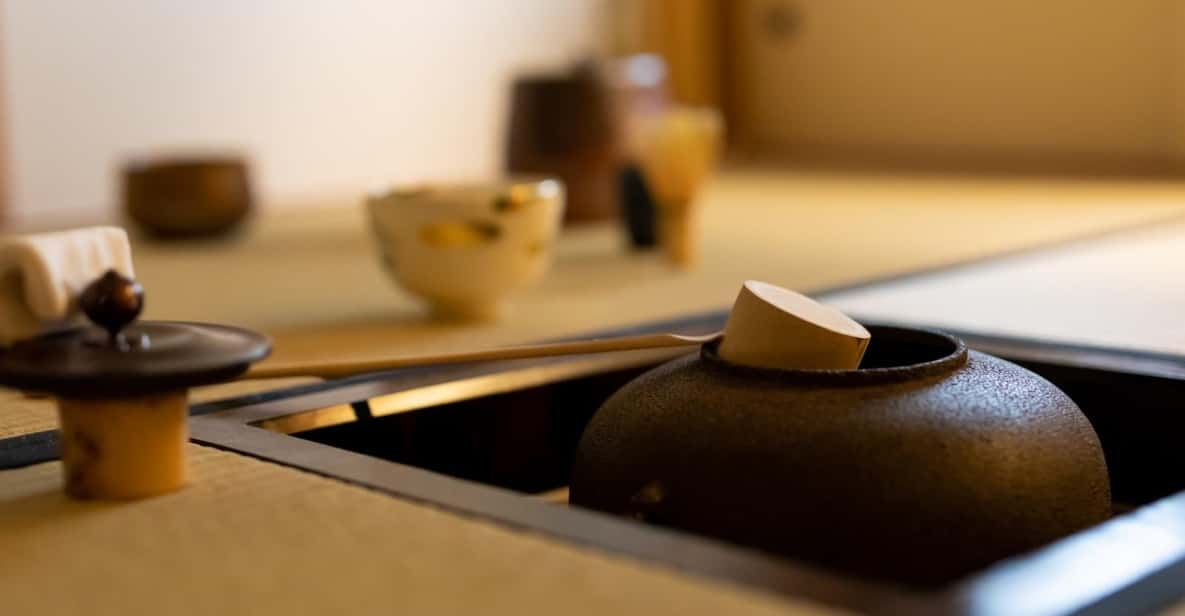
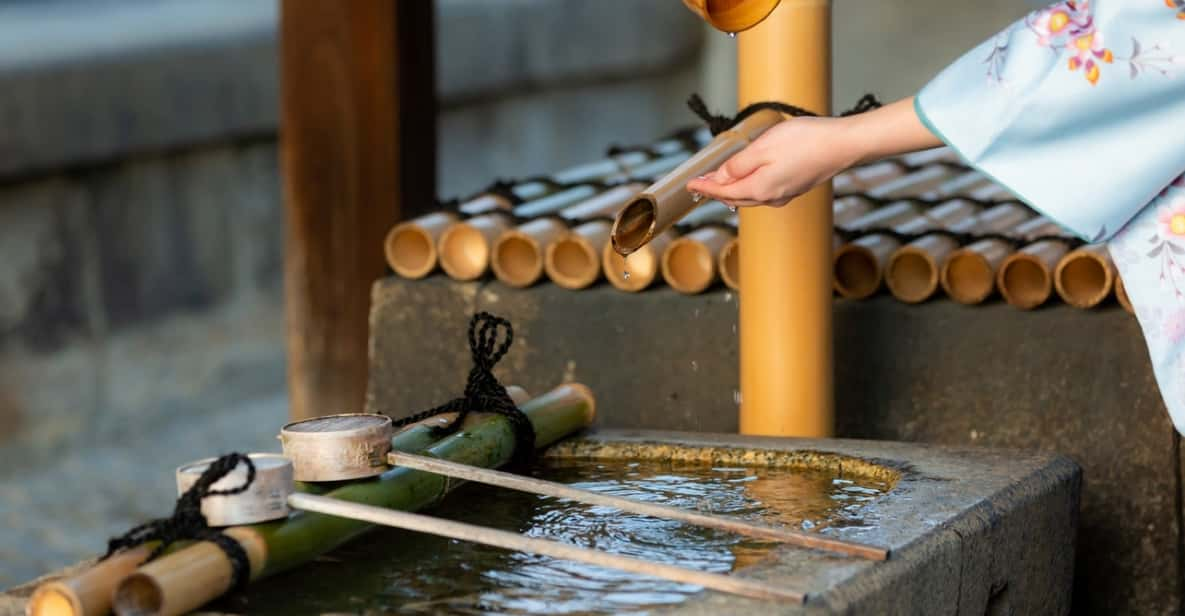
Nothing in the session lasts longer than a child's patience, once you can picture it. Shoes come off at the entrance, everyone rinses hands and mouth at the stone basin, and then the host walks you through the greetings and the etiquette in plain English.
A tea master demonstrates the preparation, explains the utensils, and talks through the teachings of Sen no Rikyū, the Sixteenth-century master who shaped the ritual.
The sweet comes before the tea, which surprises most children and solves the taste problem in one move: the wagashi coats the palate so the matcha reads round instead of harsh.
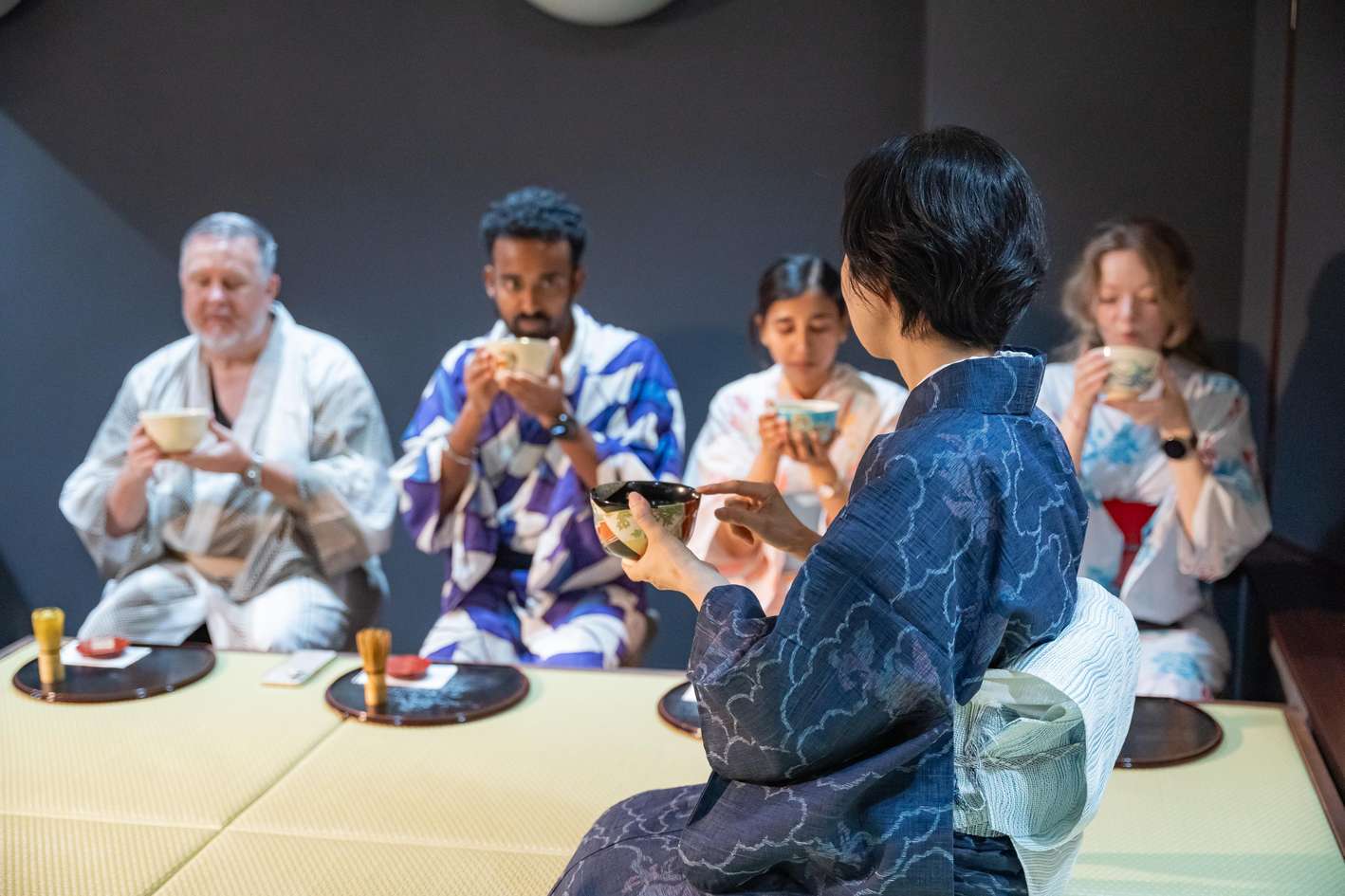
When the bowl arrives, you lift it as a sign of respect, turn it a quarter turn clockwise so you do not drink from its front, and take a few small sips while it is still warm.
Afterwards, a wipe of the rim with thumb and finger, and the bowl is held low to admire the glaze.
The steps below follow the order of an actual visit, so you can walk your children through the whole hour the night before.
Shoes stay at the entrance
History and philosophy come in plain English
Balances the bitterness on the palate
Only a few sips, no need to finish
Bowl held close to the floor while admiring the glaze
One detail kids love: in old tea rooms the doorway is a small crawl-in entrance, built low so every guest, samurai included, once had to bow to enter.

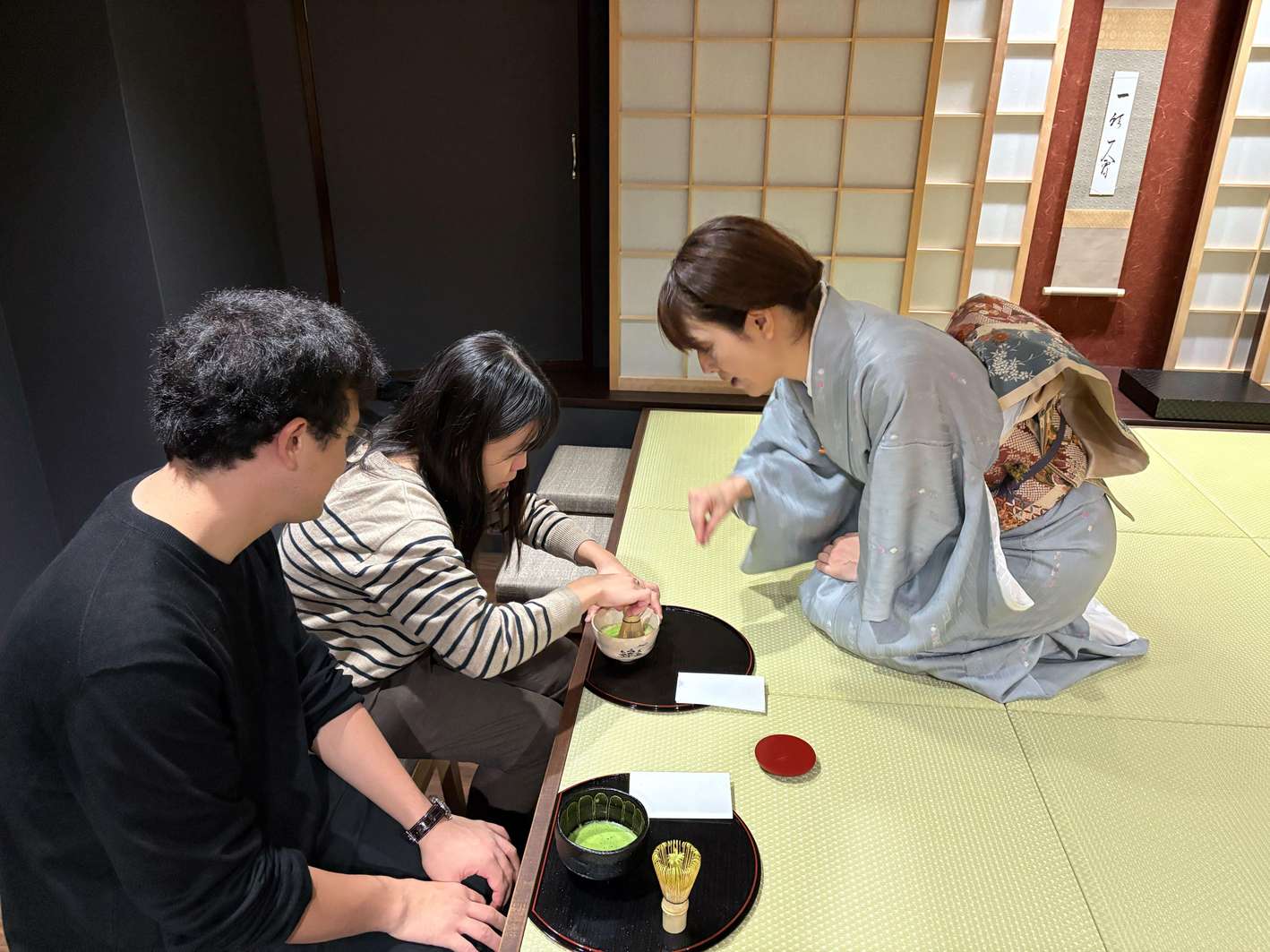
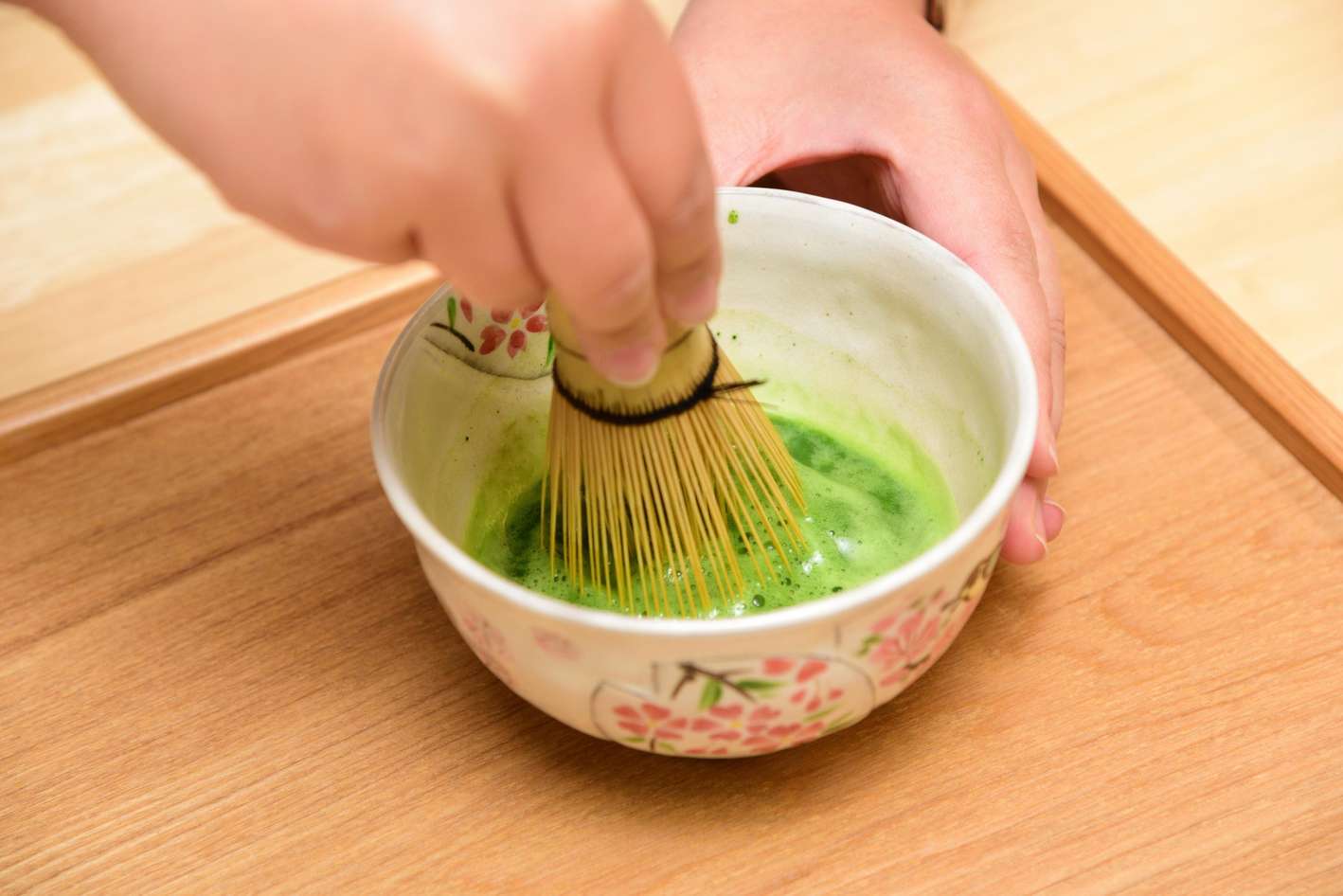
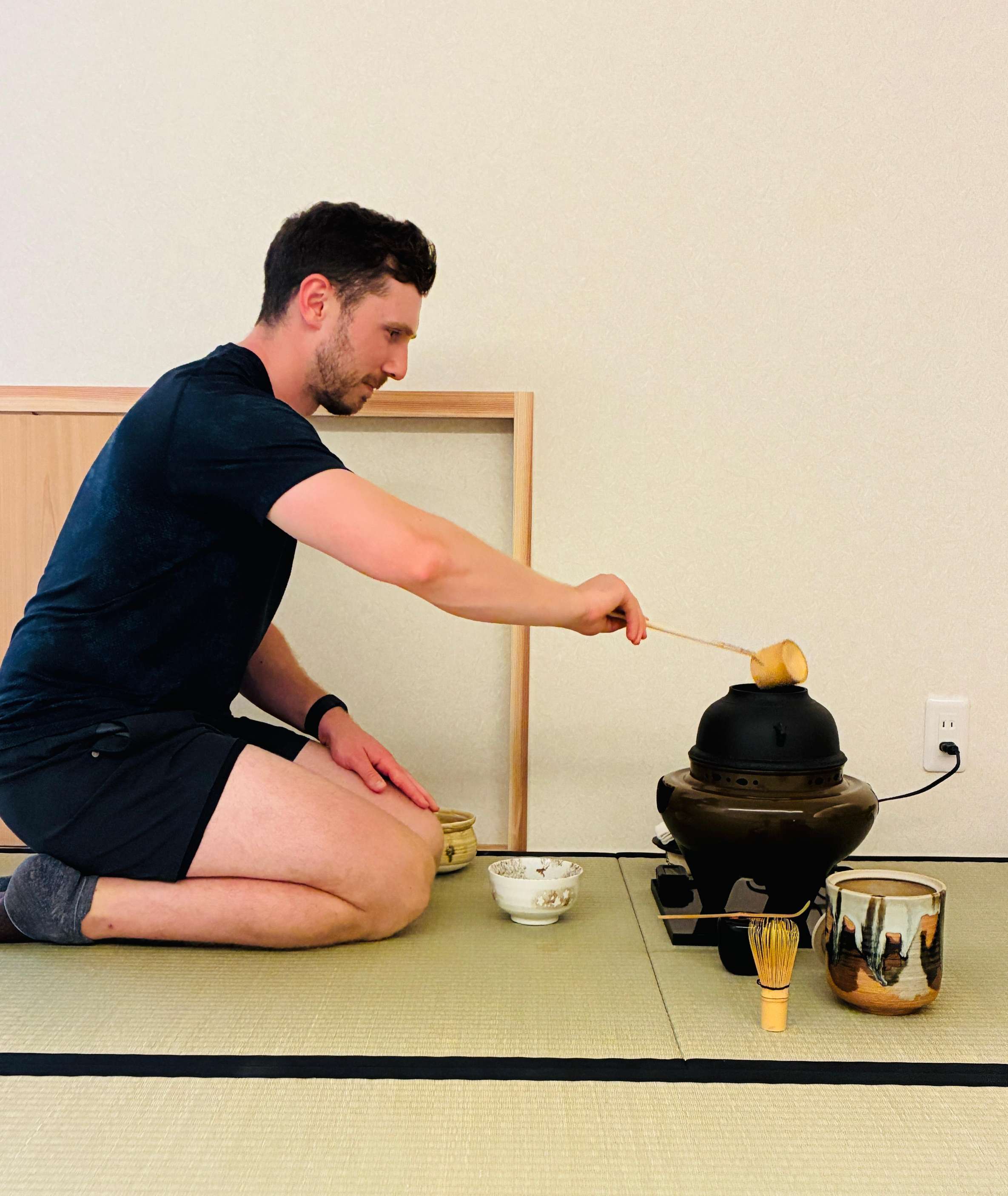
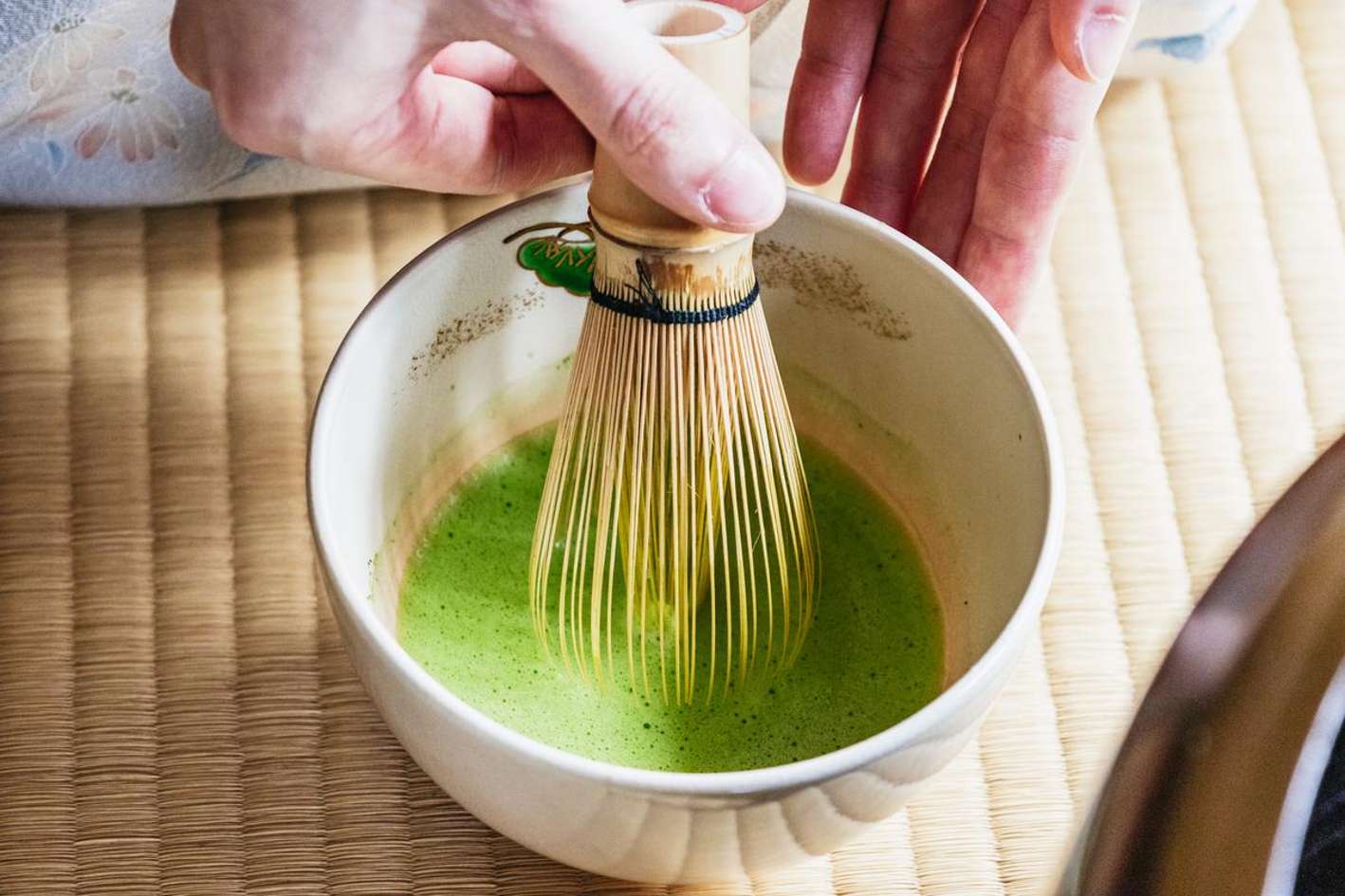
The quiet worry about a tea ceremony is that children just watch. The sessions here are built so they do not: participants whisk and prepare their own bowl of matcha, and the moment the bamboo whisk lands in a child's hands the room changes character entirely.
The trick is worth passing on before you go. Beginners stir in circles, and the tea stays flat. A proper froth comes from a fast zigzag motion with a loose wrist; whisking from a stiff shoulder is what leaves the tea flat.
Children pick this up faster than adults, mostly because nobody told them to be careful with their wrists yet.
Two more things to know before the bowls come out. Rings and watches come off first, because metal can scratch or crack the ceramic when the bowl is lifted with both hands.
And the room itself asks for gentle handling: the paper shoji screens tear under a lean, and the cloth borders of the tatami mats stay untouched out of respect.
The details regulars pass on, gathered here, save every first-timer at least one small stumble.
A stiff wrist and a shoulder-driven stir is why beginners fail to froth the matcha
Metal can scratch the ceramic and lacquerware when the bowl is lifted with both hands
The screens are fragile and the borders carry centuries of meaning, so hands stay off both
With those three in mind, your children arrive already knowing more than most adults in the room.
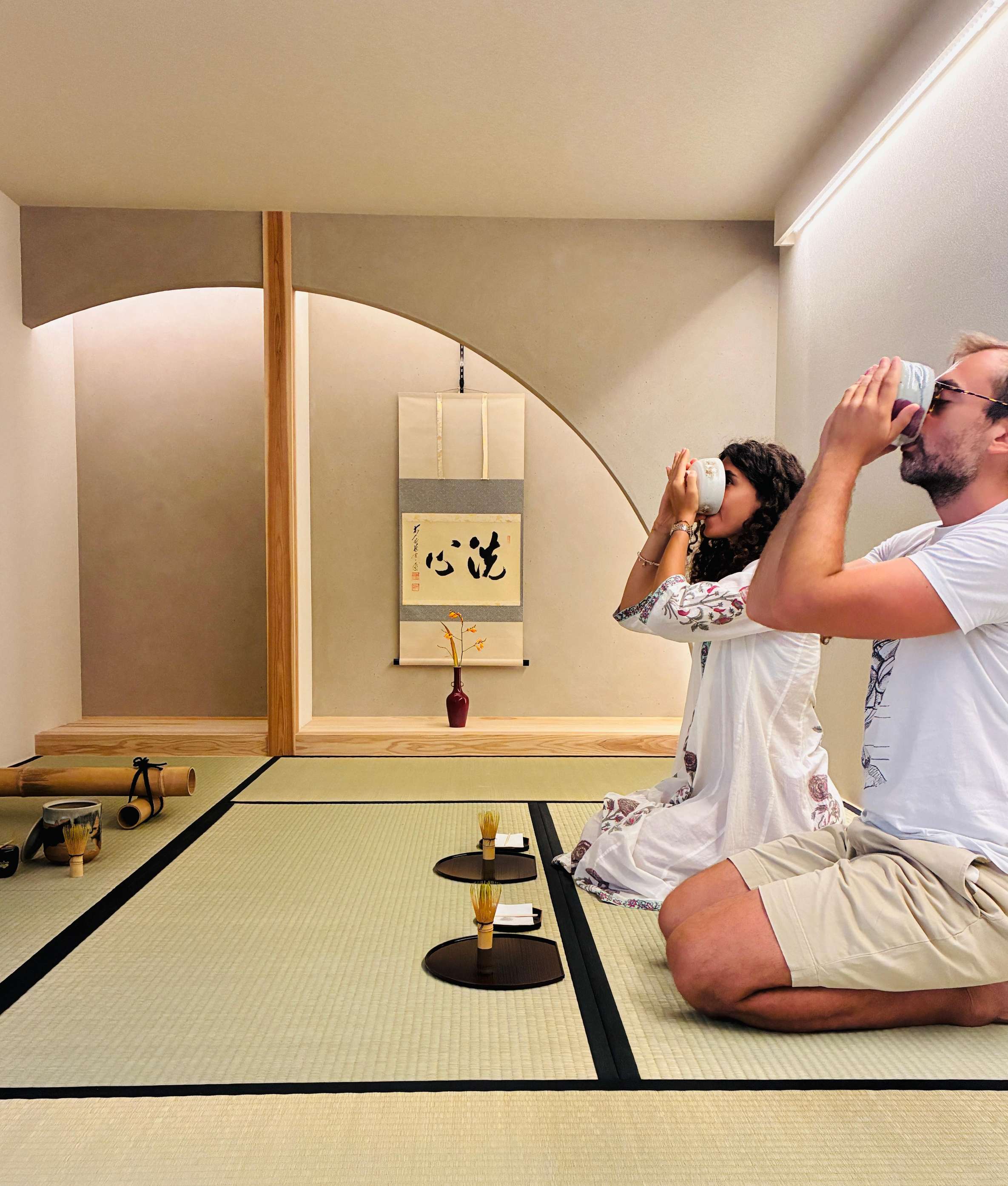
Formats differ more than prices do, and the differences decide how comfortable your children will be. Seating comes first: at Ju-An in the temple, seats and stools are provided for anyone who cannot sit on the floor, and in one Gion session everyone sits on chairs as standard.
Bamboo chairs can be requested in advance at the Karasumashijo tea room. Nobody in your family has to endure an hour of kneeling.
Then check what the session actually involves. A short one may only demonstrate and serve, while a longer session has each guest whisking their own bowl.
Group size tells you the rest: townhouse sessions run around 8 to 12 participants, small enough for a child to ask the host questions. Sessions that feel rushed tend to run around 40 minutes; give your family a 60-minute or longer slot and the pacing relaxes.
Garden settings are the gentlest rooms for younger children, less formal than a temple hall, though for genuinely restless kids some families switch to hands-on craft studios instead and save the tea for next trip.
| Gion session with chairs | Temple session at Ju-An | |
|---|---|---|
| Seating | Everyone on chairs, no kneeling | Seats and stools on request |
| Minimum age | Children aged 5 and younger sit out | Children under 5 sit out, babies welcome with a step-out rule |
| Setting | Calm room in the Gion district | Temple grounds with architecture to see |
| Hands-on | Watch the demonstration, then whisk your own bowl | Full chanoyu workshop ceremony |
| Duration | 1 hour, 2.5 with kimono rental | 70 minutes |
Kyoto: Traditional Tea Ceremony with Matcha & Sweets in Gion is the chair-seated option, with an accessible setup and a private booking available for families who want the room to themselves.
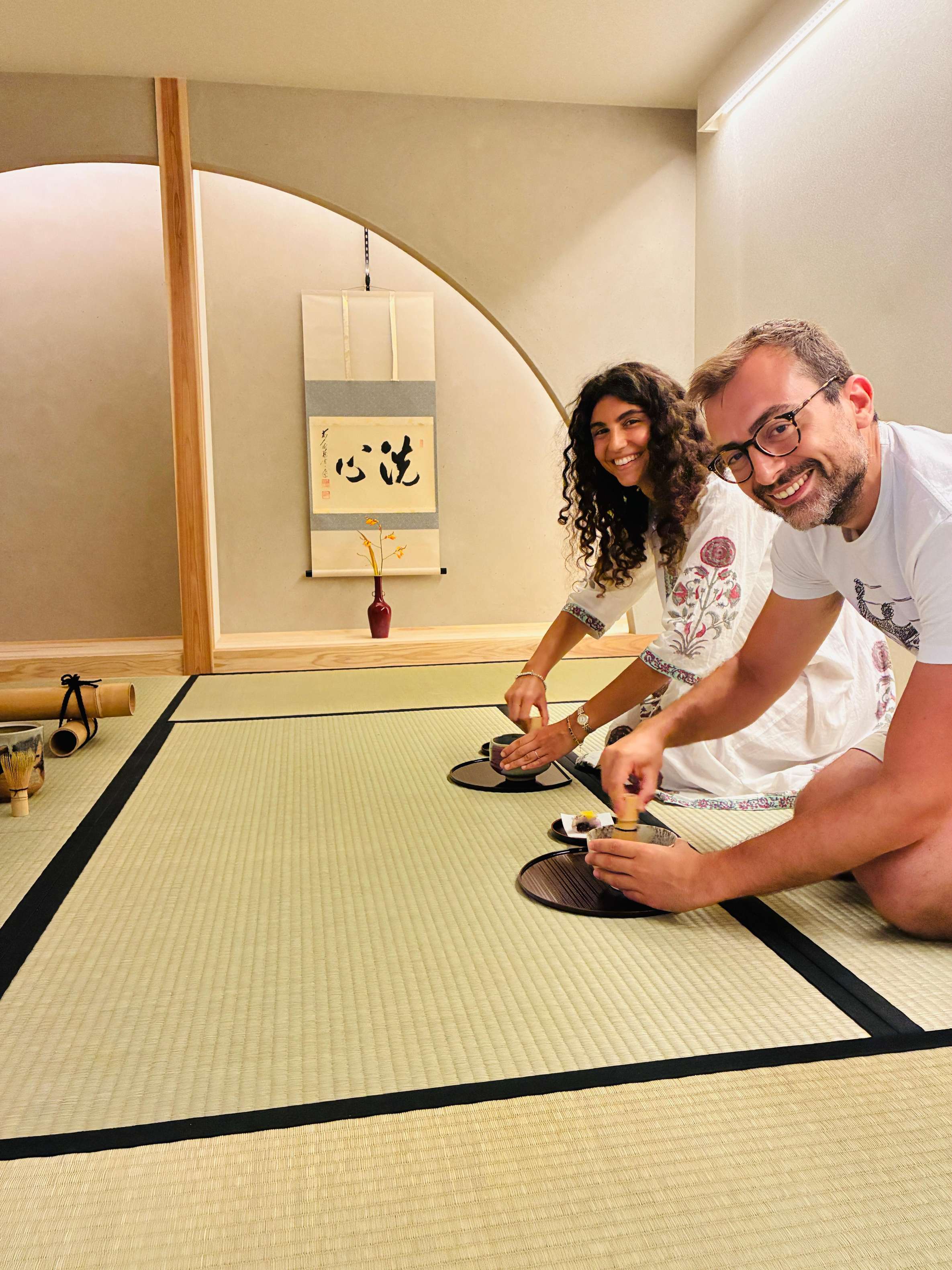
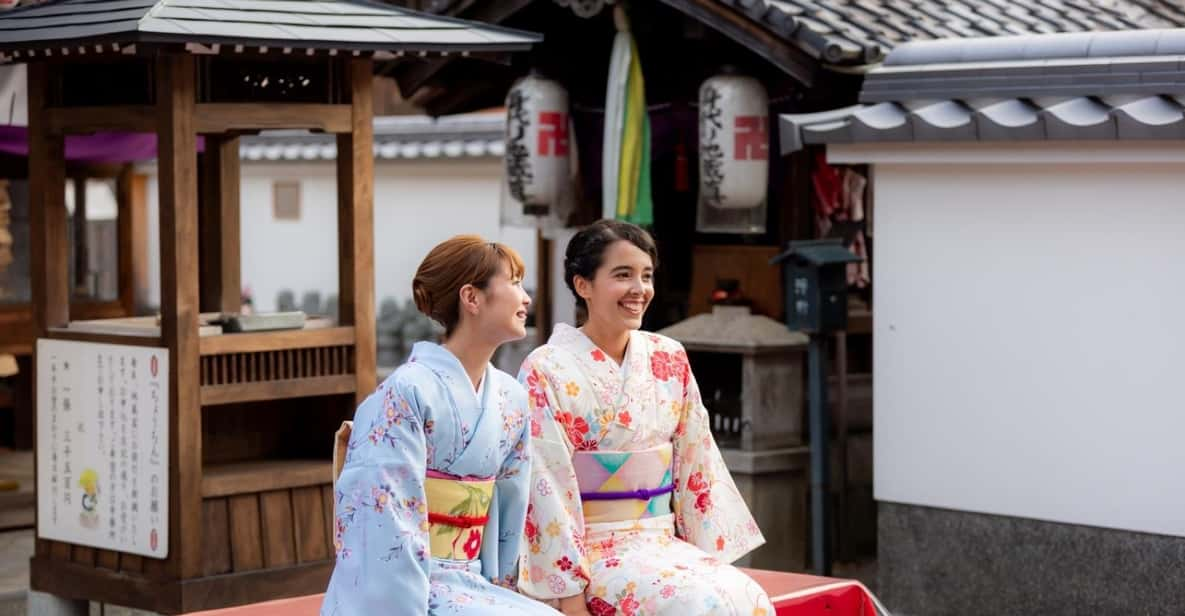
Dressing the whole family in kimono turns a good morning into the photos people frame afterwards, and children in particular remember the day by the outfits. Some venues include the dressing in the booking; others leave kimono out and rent it separately, which often means a better garment choice for walking around town.
The time cost is the part to plan around. Dressing and hairstyling add 50 to 60 minutes before the ceremony, so a kimono booking runs 90 minutes to 2.5 hours in total.
Where the dressing shop and tea house sit apart, you walk between them in traditional footwear, so keep the route short and flat for small legs.
Three reassurances, since parents ask all three. There is no rule barring travelers with visible tattoos from tea rooms or kimono shops, though keeping tattoos discreet is the polite norm.
Foreign visitors wearing kimono are read as appreciation, not appropriation; Kyoto's own former mayor has called the garment a shared asset of humanity. And informal temple-garden sessions let everyone join in ordinary street clothes, no dressing up required.
One family who did it put the case for dressing up better than any brochure could.
A wonderful experience. Sakura and Yuko made everything perfect. Sakura explained the ceremony with such patience, forgiving our little mistakes. I left feeling happy and relaxed. Ichigo ichie, thank you!
If the photos matter to your trip, the dressing time pays for itself; if the schedule is tight, the street-clothes sessions lose nothing in the tea itself.
The calendar matters more for families than for solo travelers, because a session that needs quiet seats together disappears first.
Cherry blossom and autumn foliage seasons, above all April, September and November, fill up weeks in advance and walk-ups are unreliable; in Japan broadly, ceremonies need booking 6 to 8 weeks ahead for late March to early April and for November.
December through February is the quiet stretch, when a booking a few days out is often enough.
Time of day works the same way. Early morning between 9 am and 11 am gives you the calmest streets before the day-trippers arrive, and late afternoon from about 3:30 pm brings softer, warmer light into the gardens.
The middle of the day, 10 am to 4 pm, is when the lanes around Gion and Higashiyama are heaviest.
April brings peak spring crowds and mild weather, meaning popular family slots fill up quickly in advance.
Tap a month to read it.
January is the quietest month of the year with cold weather and plenty of open ceremony slots.
Tap a month to read it.
Read your own month against that table before choosing a slot: in the busy months, book the early session and the quiet room together, in winter you can afford to decide once you are there.
The buses are the trap. Direct city buses take about 20 minutes from Kyoto Station to Gion, but sightseeing routes run packed, and a folded stroller in a crowded aisle is nobody's idea of a holiday morning.
Two routes work with children. A taxi covers about 10 minutes door to door, with no folding and no transfers. The train costs a change: one stop on the JR Nara Line to Tofukuji, then the Keihan Main Line to Gion-Shijo, roughly 15 minutes in total, with elevator access and wide ticket gates.
For venues near Kiyomizu-dera, expect a 5 to 10 minute walk up pedestrian-only cobblestone slopes, often ending down a narrow side alley.
That alley detail deserves its own line: Kyoto addresses run on land lot numbers, map services struggle with them, and different towns can share the same name. Save the meeting point from your voucher; the street address will not help.
One more reason to arrive early: finding a venue hidden inside a block of blind alleys takes longer with a stroller than the map suggests, and the doors still lock on time.
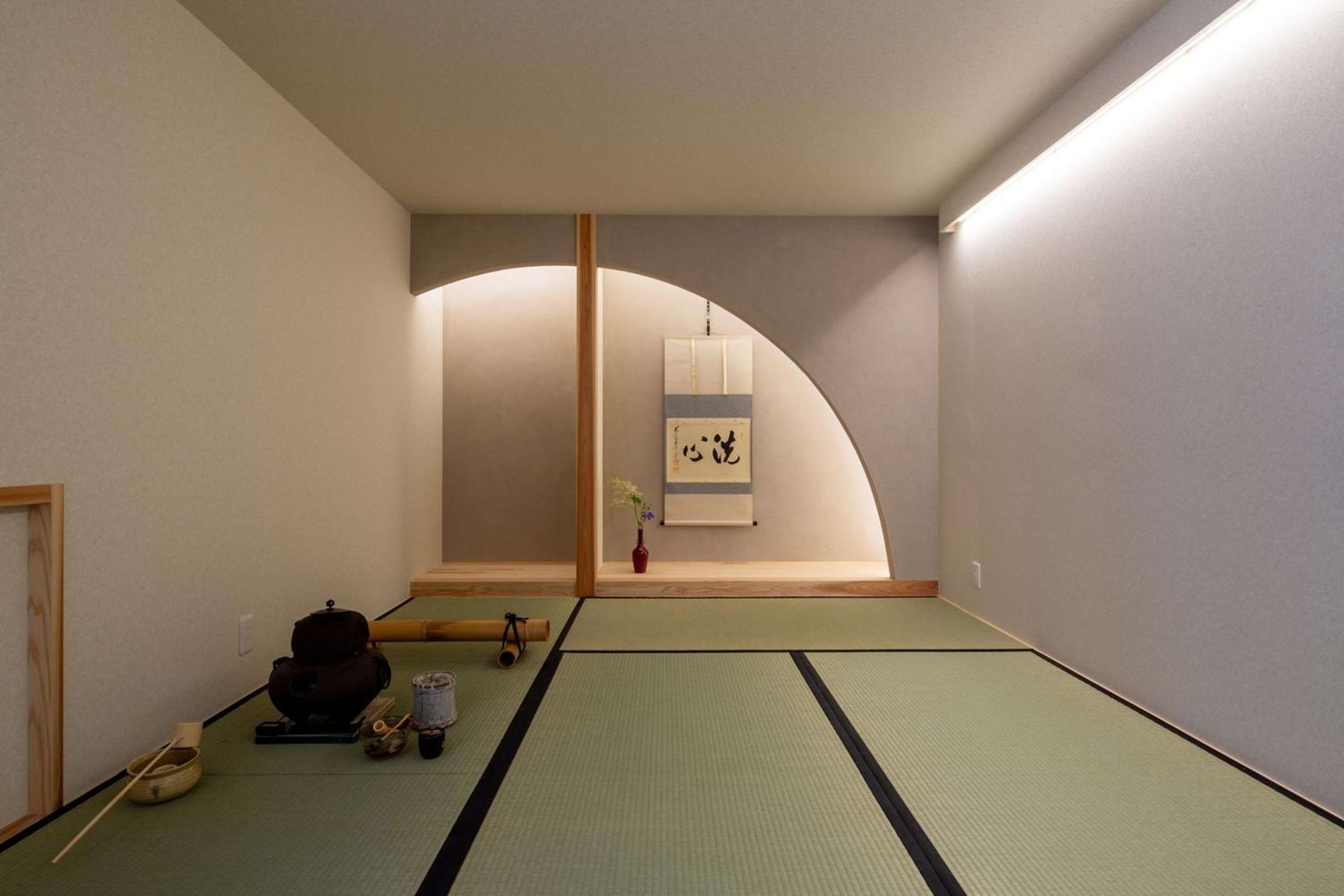
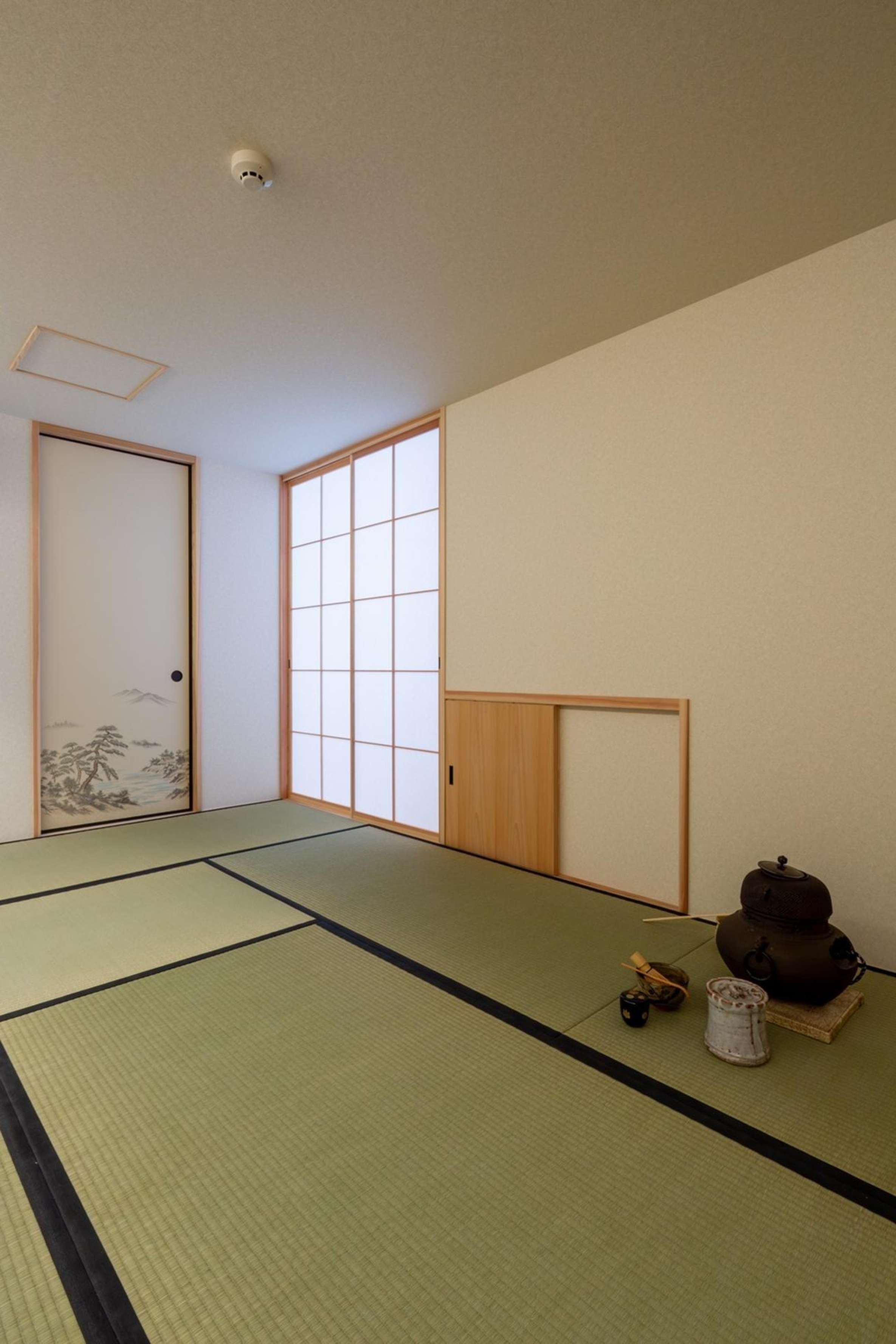
Socks are the item families forget. Shoes come off at the entrance and bare feet are prohibited on tatami, so every person in your group needs clean socks, kids included. White socks are the traditional courtesy but any clean, hole-free pair is accepted at temples; only select formal ceremonies insist on white.
Clothing follows one simple idea: modest and comfortable, covering the knees when seated, nothing overly casual like shorts. Slip-on shoes make the entrance and exit easier with children in tow.
Take off rings, watches and jewelry before the bowls come out, and skip the perfume, because the scent of the matcha is part of what everyone has come to taste.
Season and posture close the list. Historic wooden tea rooms have no central heating, so in winter pack thermals and thick socks for everyone; in summer the open screens and garden courtyards cool the room by a few degrees.
If legs go numb on the tatami, shift to cross-legged or side-sitting with feet tucked away from the host, and if a baby starts to cry, step out with them and slip back in. Nobody minds. Small etiquette slips at visitor sessions are routinely overlooked.
The rules that can spoil a visit are all about time. Doors at several venues lock at the start time, and late entry is refused even by a minute, with no refund. Private sessions cannot be extended past their scheduled end, so a late start simply shortens what you paid for.
Some venues charge the full amount in advance by credit card, and at one Uji operator entry is denied once more than 30 minutes have passed since the start, train delay or not.
The defenses are plain. Build in the walk from the station, aim to arrive 5 to 15 minutes early, and keep the morning before the ceremony free of tight connections. Book ahead in the busy months rather than trusting a walk-in slot.
Since every rule above is a clock rule, it helps to see them laid out as what actually happens when the day slips.
| If this happens | What happens then |
|---|---|
| You arrive more than 30 minutes after the start at one Uji venue | Entry is denied for any reason, including transport delays, with no refund |
| You arrive after the doors have locked at a venue that locks on time | No late entry, no refund, no time change |
| A private session starts late | The session still ends at its scheduled time, never extended |
| Plans change more than 24 hours ahead | Most listed sessions allow free cancellation up to 24 hours before |
Every row on that list is avoidable with an early start, which is the whole reason the arrival advice above matters.
Two small comforts for the day itself. Tipping is not customary in Japan; a thank you says it. And video recording is barred at certain venues while flash photography is out everywhere, so plan the family photos around the moments the host allows.
A tea ceremony asks children to sit still for an hour, so give them somewhere to spend the energy before and after.
The Gion and Kiyomizu-dera tea houses sit inside a walking district built for exactly that: Maruyama Park, five minutes away, has open lawns, carp and turtle ponds and stepping stones where kids can burn off energy between sitting sessions.
Yasaka Kōshin-dō holds children's attention for a quick 15-minute stop with its hundreds of colorful cloth monkey charms hanging in rows. Kōdai-ji's hillside bamboo grove gives you the Arashiyama feeling without the cross-city trip.
Stitch it together as one route: start early at Kiyomizu-dera, walk down the stone stairs and shop-lined slopes of Sannenzaka and Ninenzaka toward the Yasaka Pagoda, pass Kōdai-ji about 800 meters from central Gion, and finish at Kennin-ji, Kyoto's oldest Zen temple, under a 5-minute walk from the tea houses.
Tea first and park after works well with school-age kids; park first and tea after suits the ones who need to run before they can sit.
Every stop on that list sits within a short walk of the same streets, so the day holds together without a single bus.
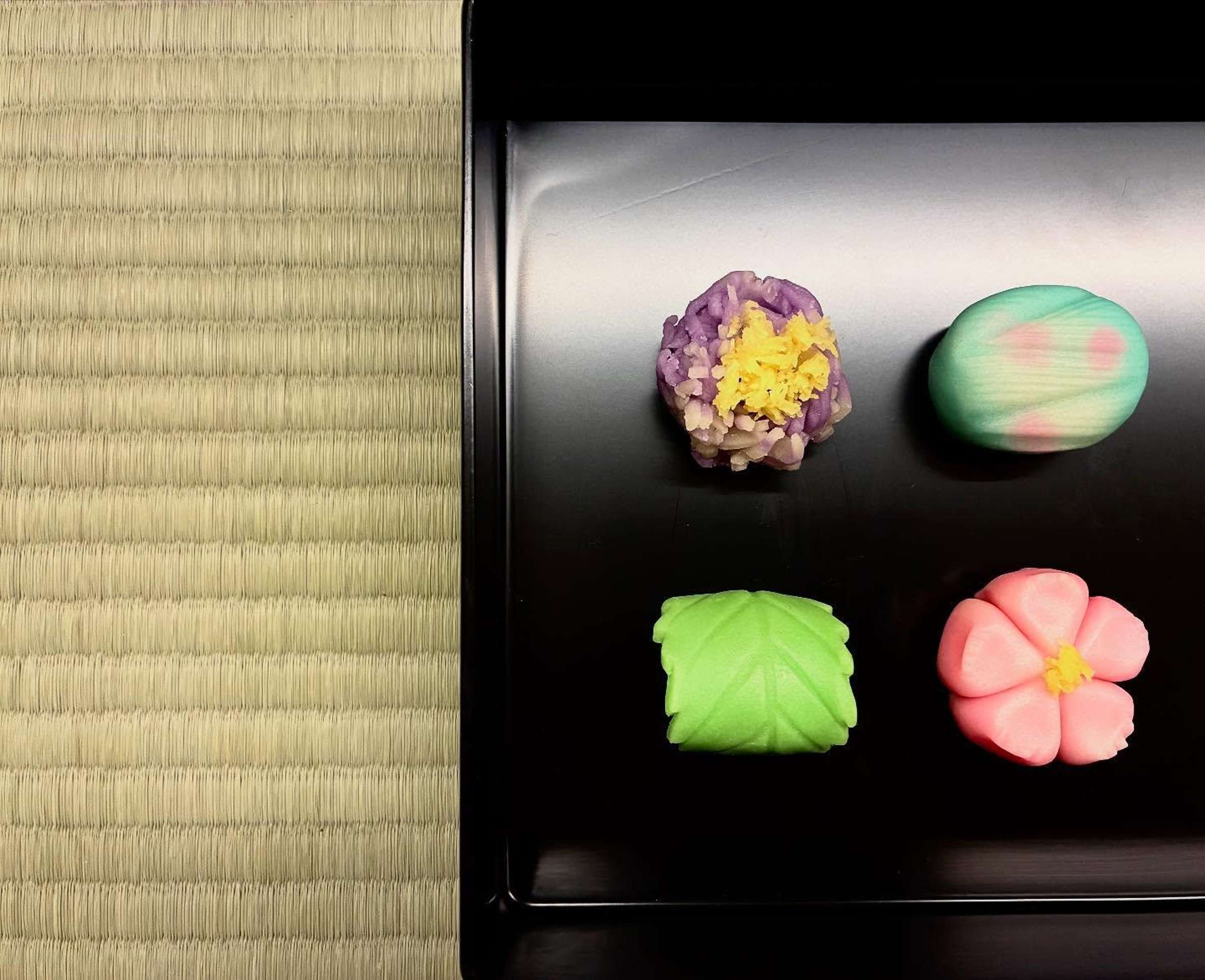
For a second tea day, or a first one away from the crowds, take the train to Uji.
The JR Nara Line runs direct from Kyoto Station in about 20 minutes, and the town is the historical home of Japanese green tea, where shade cultivation was developed in the Sixteenth century and matcha was born. Much of the tea ground and whisked here grows in the hills around town.
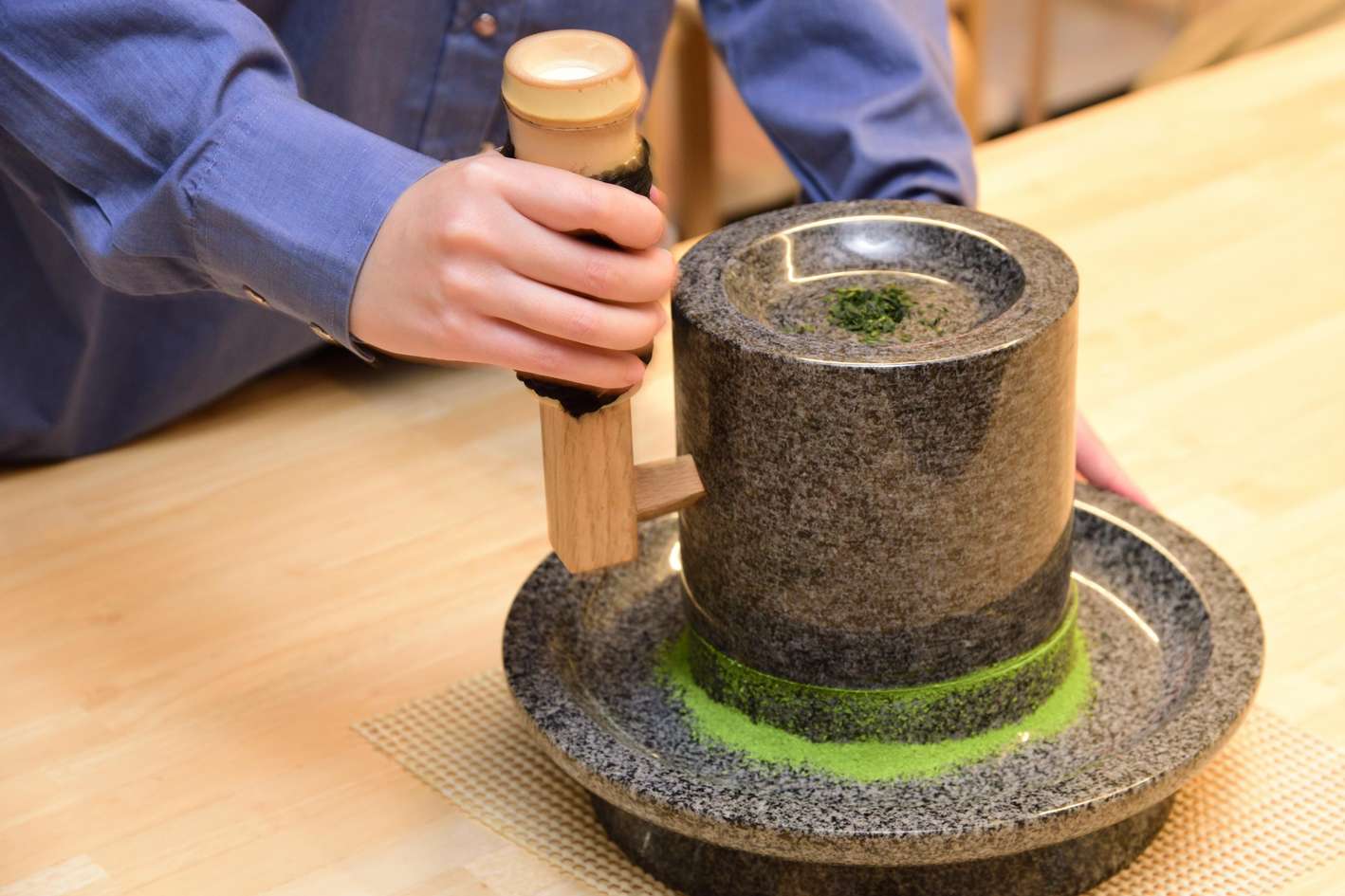
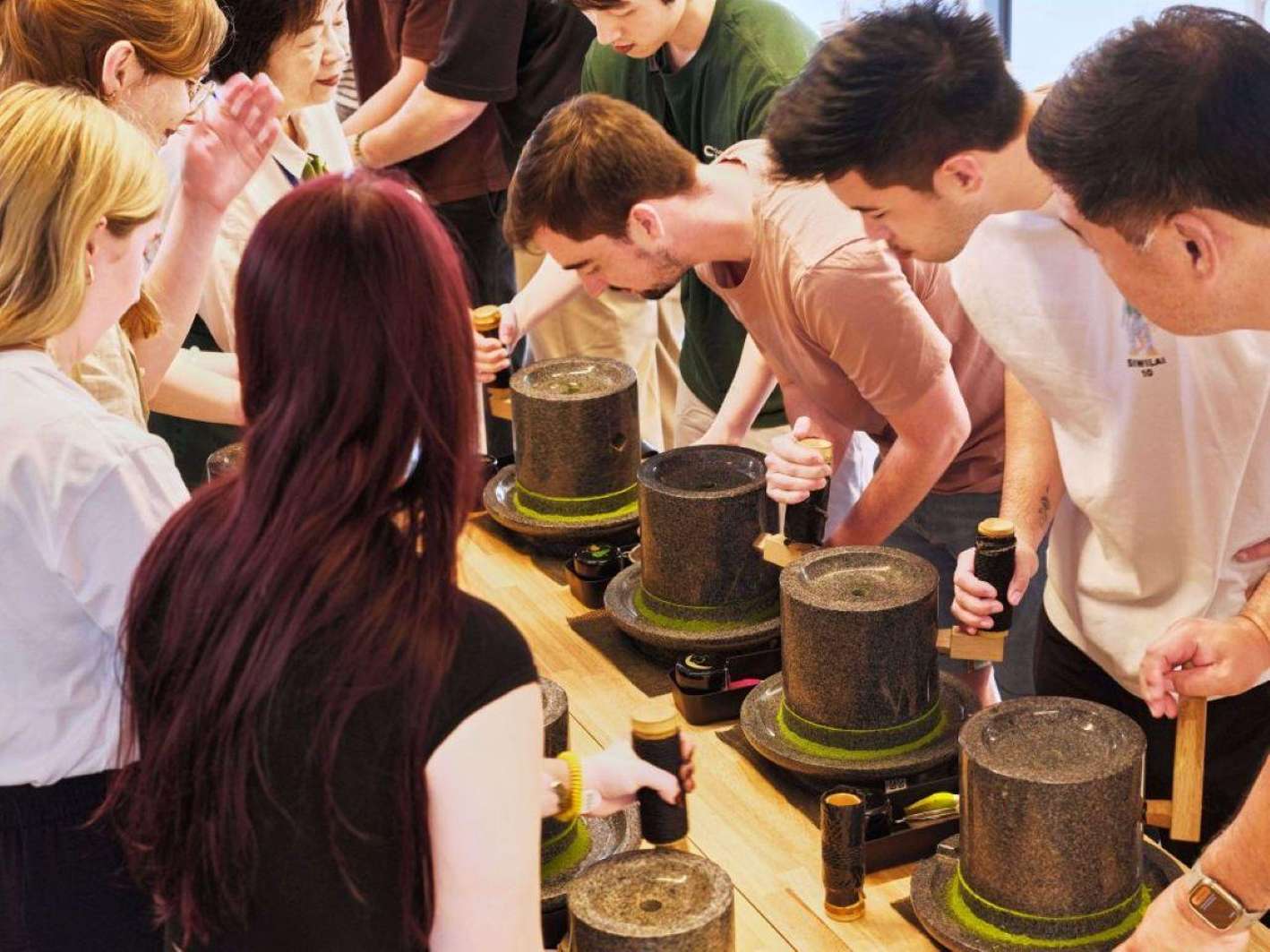
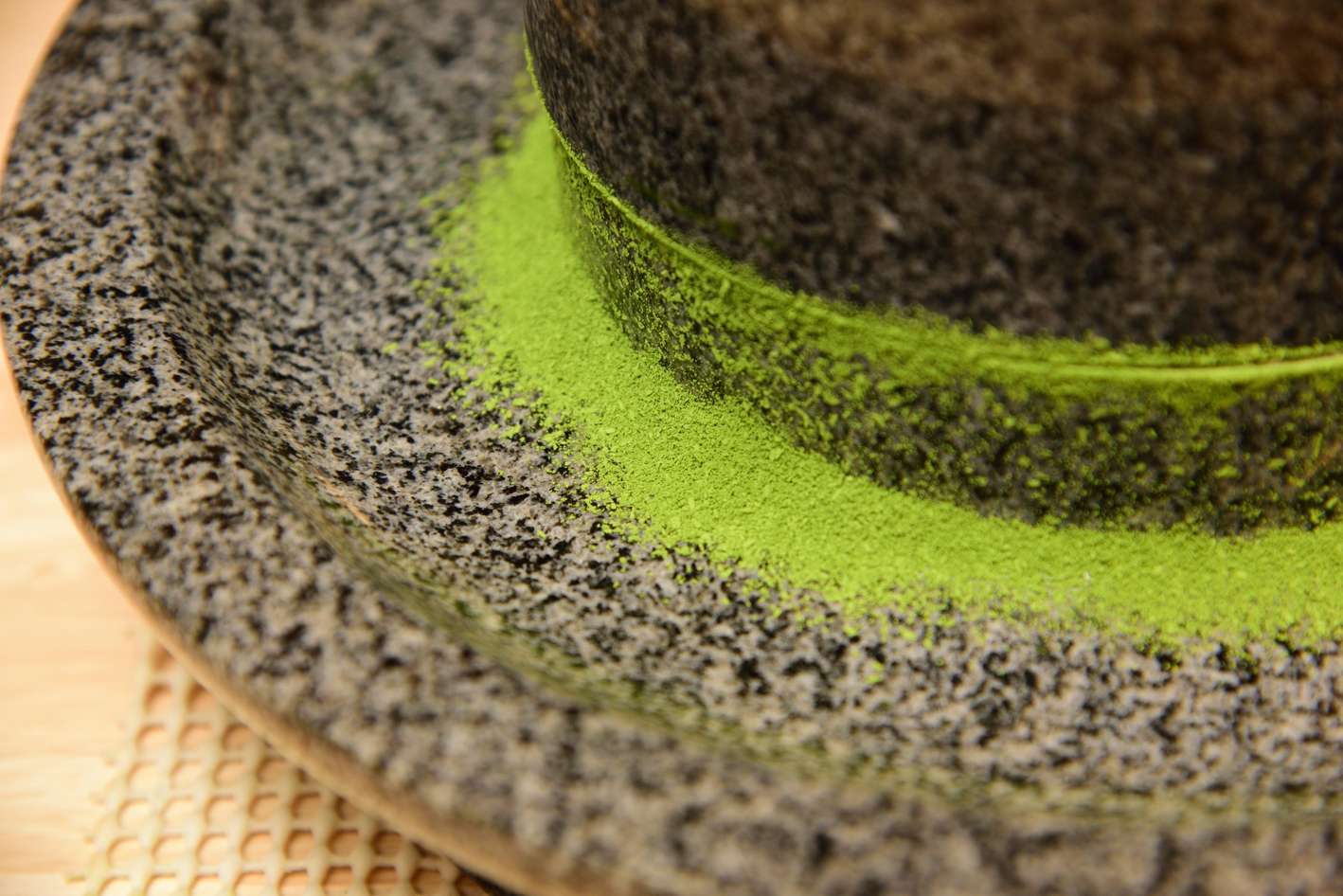
Uji suits children because the tea turns into an activity they can take part in. At the town's tea museum park, hands-on exhibits let kids touch and explore how tea is made, and the matcha grinding workshop has them turning a stone mill with the tea fields in view.
Kyoto: Tea Museum Tickets and Matcha Grinding Experience bundles the museum ticket with the grinding session in one hour, arriving 15 minutes early at reception.
The municipal tea house Taiho-an runs walk-in ceremonies from 10 am to 4 pm daily, no reservation needed if seats are free; hands-on preparation needs booking three days ahead.
Budget a door-to-door half day of four to five hours, and in spring, from late April to late May, the first-flush harvest adds tea picking events to the town.
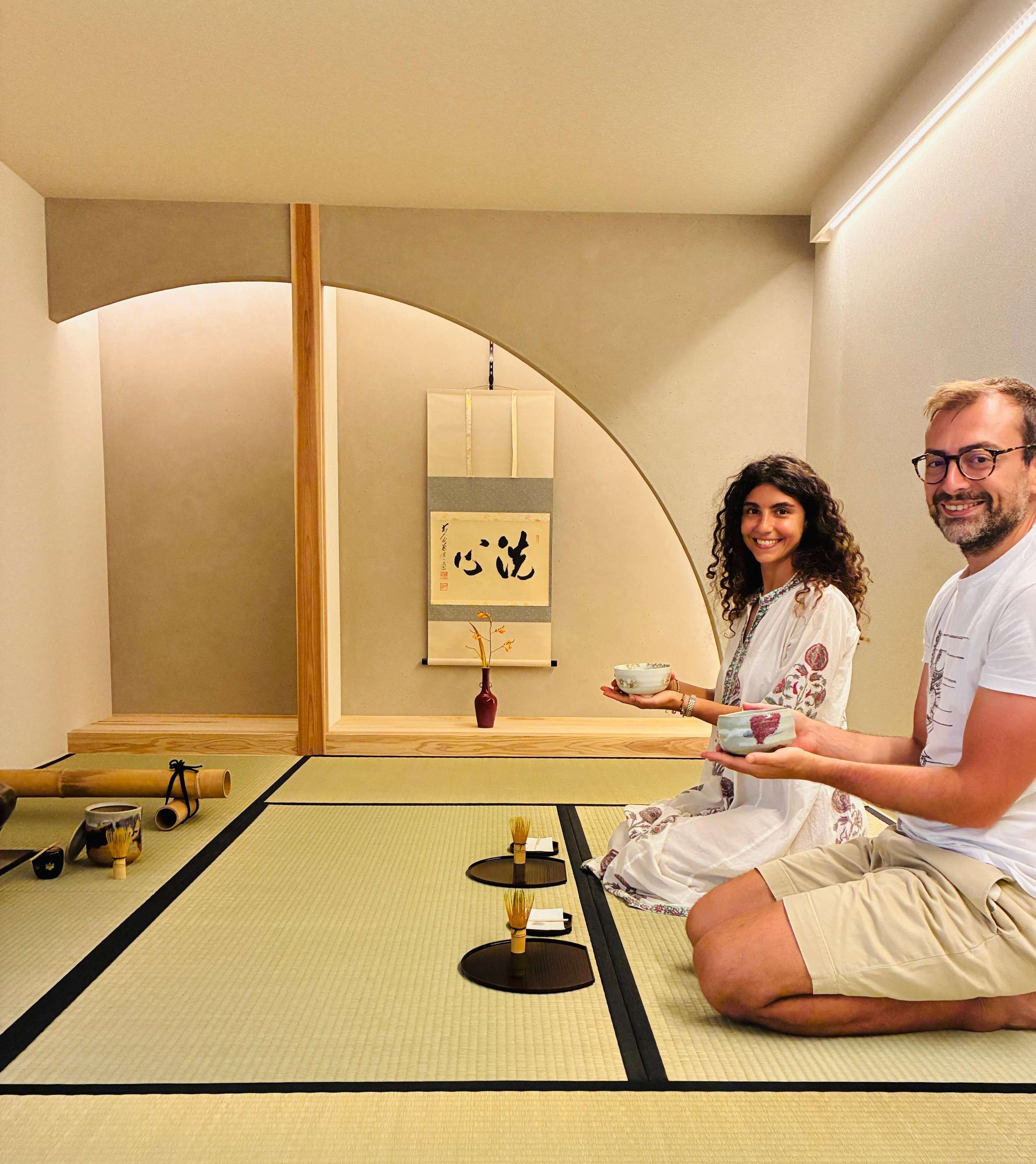
A family friendly tea ceremony in Kyoto is one of the easiest cultural wins for parents, provided the age rules and the clock are respected.
Match your children's ages to the venue floor, book early in April and November, arrive before the doors lock, and pack socks for everyone. Do that and the hour runs calm, hands-on and forgiving.
Short answers to what parents ask before booking a Kyoto tea ceremony with kids and toddlers in the room.
Kyoto2026Most venues set a minimum age, and the cutoffs vary: children under 5 cannot join the temple ceremony at Jotokuji, the shared Gion session and one Sanjo ceremony stop at age 5, and some venues near Kiyomizu-dera draw the line at 6.
Some hosts do accept babies, on the condition that a parent steps outside if the baby cries.
No. Several Kyoto tea houses hand out chairs, stools or low benches instead of the formal kneeling posture. At Jotokuji Temple you can ask for seats or stools, one Gion venue seats everyone on chairs, and a venue near Karasumashijo provides bamboo chairs if you request them in advance.
Introductory sessions are built around participation. Kids whisk and prepare their own bowl of matcha with guidance, and in Uji a museum workshop lets them grind green tea leaves with a stone mill. Active hands keep young attention far better than a silent demonstration.
Ceremonial matcha is strong, which is why a sweet is eaten first to balance it, and the portion is only a few small sips. Tell the host in advance about your child's tastes or any caffeine sensitivity, and they can offer plain hot water or just a tiny courtesy sip.
Tourist-oriented ceremonies are far more relaxed than formal tea schools, and small etiquette slips are routinely overlooked. The one rule worth planning around is the quiet setting itself: a host may ask a parent and child to step away if crying disrupts the room, so pick a session format your child can sit through.
Shoes come off at the door and bare feet are never allowed on tatami, so everyone needs clean socks, kids included. Dress in modest, comfortable clothing that works for floor or chair seating, and skip strong perfume, since the tea's aroma is part of the experience.
Check three things before booking: the minimum age, whether seating is on the floor or on chairs, and whether the session includes whisking your own matcha. Garden tea houses tend to feel less formal and suit younger children better, and a private room removes any worry about other guests.
Spring cherry blossom season and the November foliage weeks fill Kyoto's tea ceremony slots in advance, so reserve early for those months and expect walk-ups to be unreliable then. Winter from December to February is the quiet stretch, when booking a few days out is usually enough.
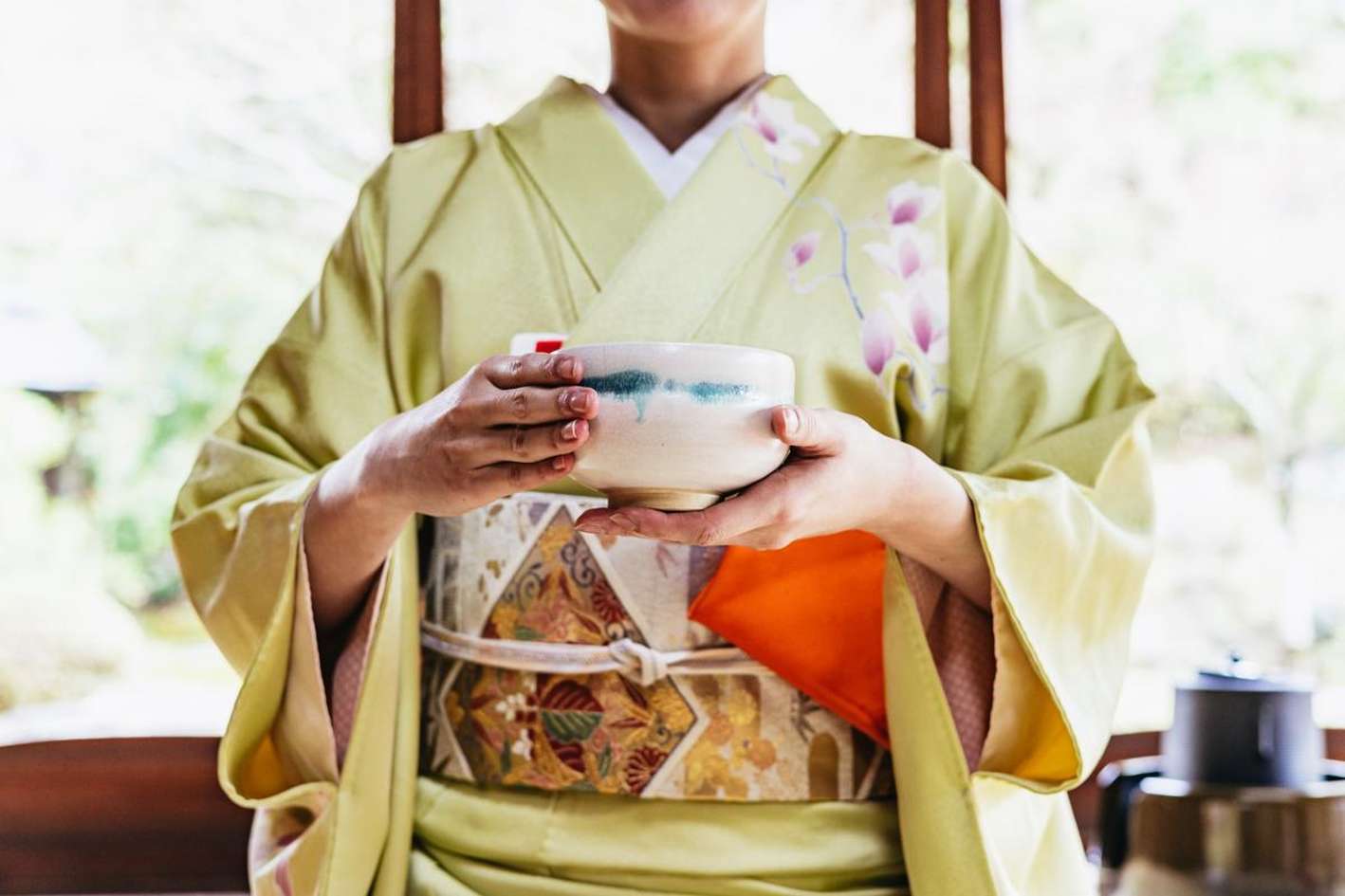
Find out which Kyoto neighborhoods and venues host tea sessions that fit a family itinerary.
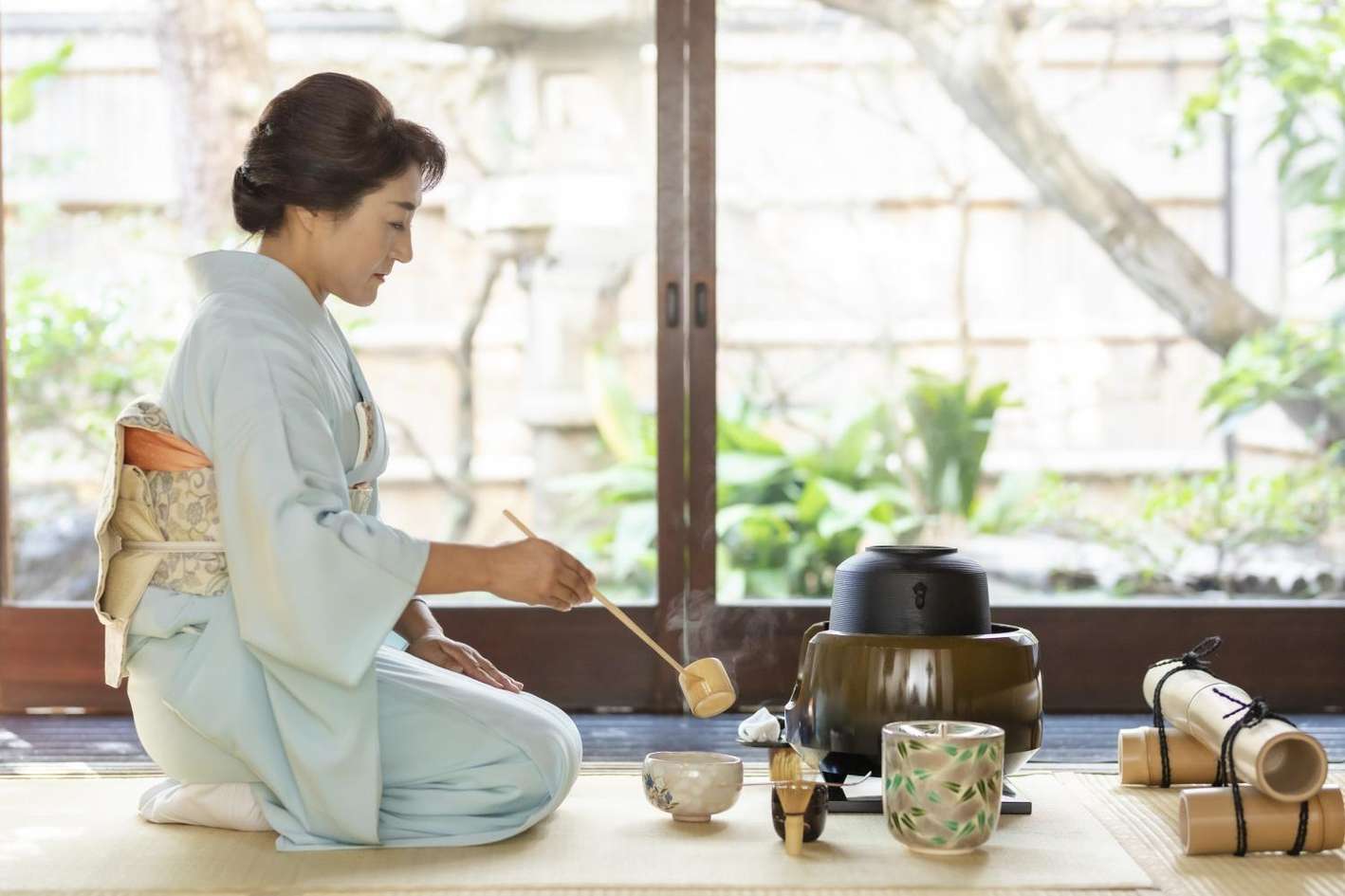
See how a ceremony inside a century-old townhouse works for families with older kids.
Compare temple tea rooms with garden settings, often the most relaxed for younger children.
Plan a day trip to Uji, where kids can grind matcha with a stone mill and explore a tea museum.
Turn the ceremony into a real lesson, with hands-on whisking your children can take part in.
Weigh Kyoto against Tokyo and other cities before you fix the family schedule.
Seats and stools are ready if the kids can't kneel, a sweet balances the matcha, and you can cancel up to 24 hours ahead for a full refund.