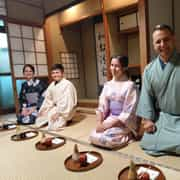
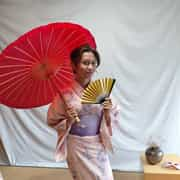
Tea Ceremony and Kimono Experience in Kyoto Kimono Rental and Photoshoot
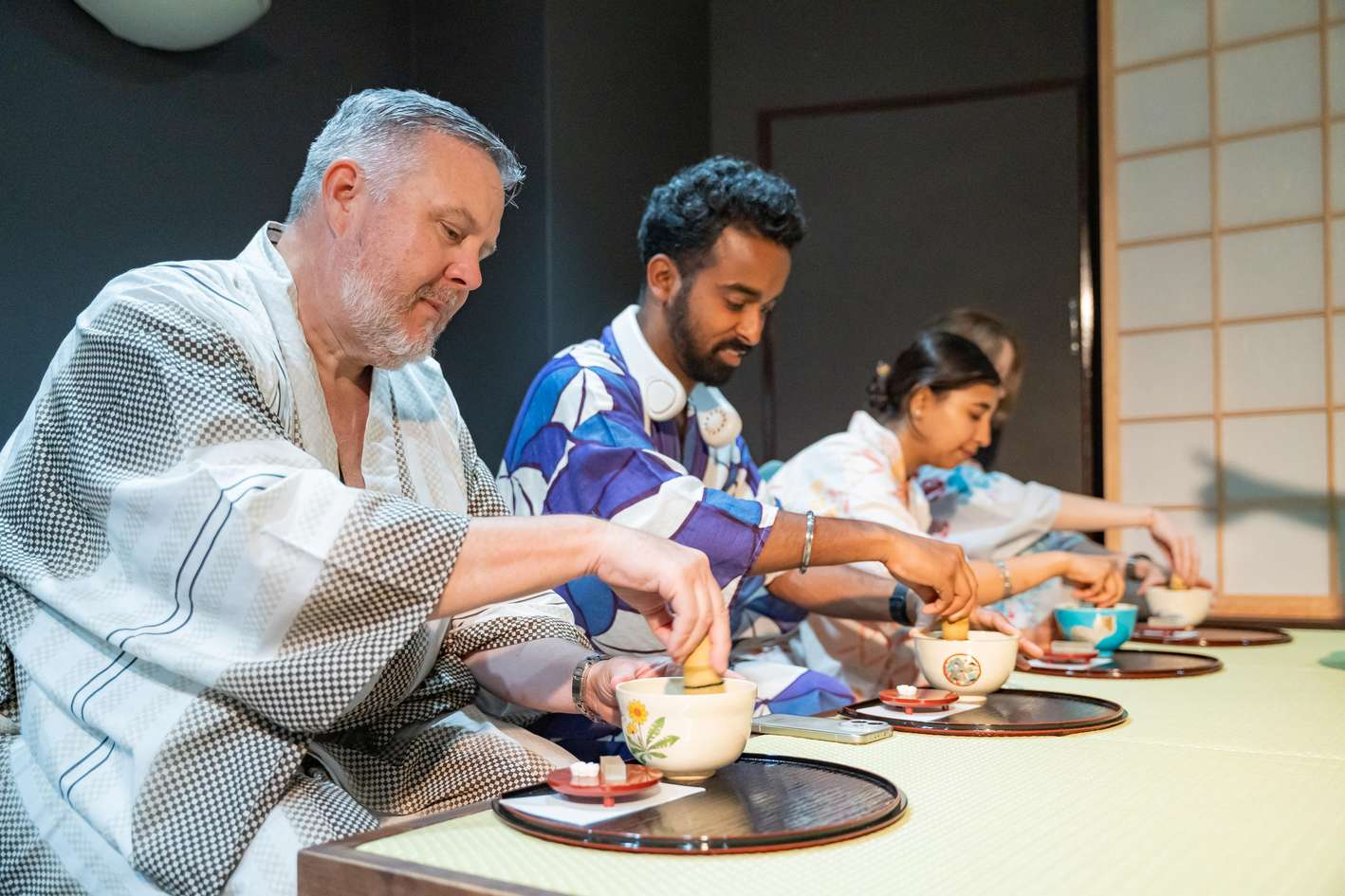
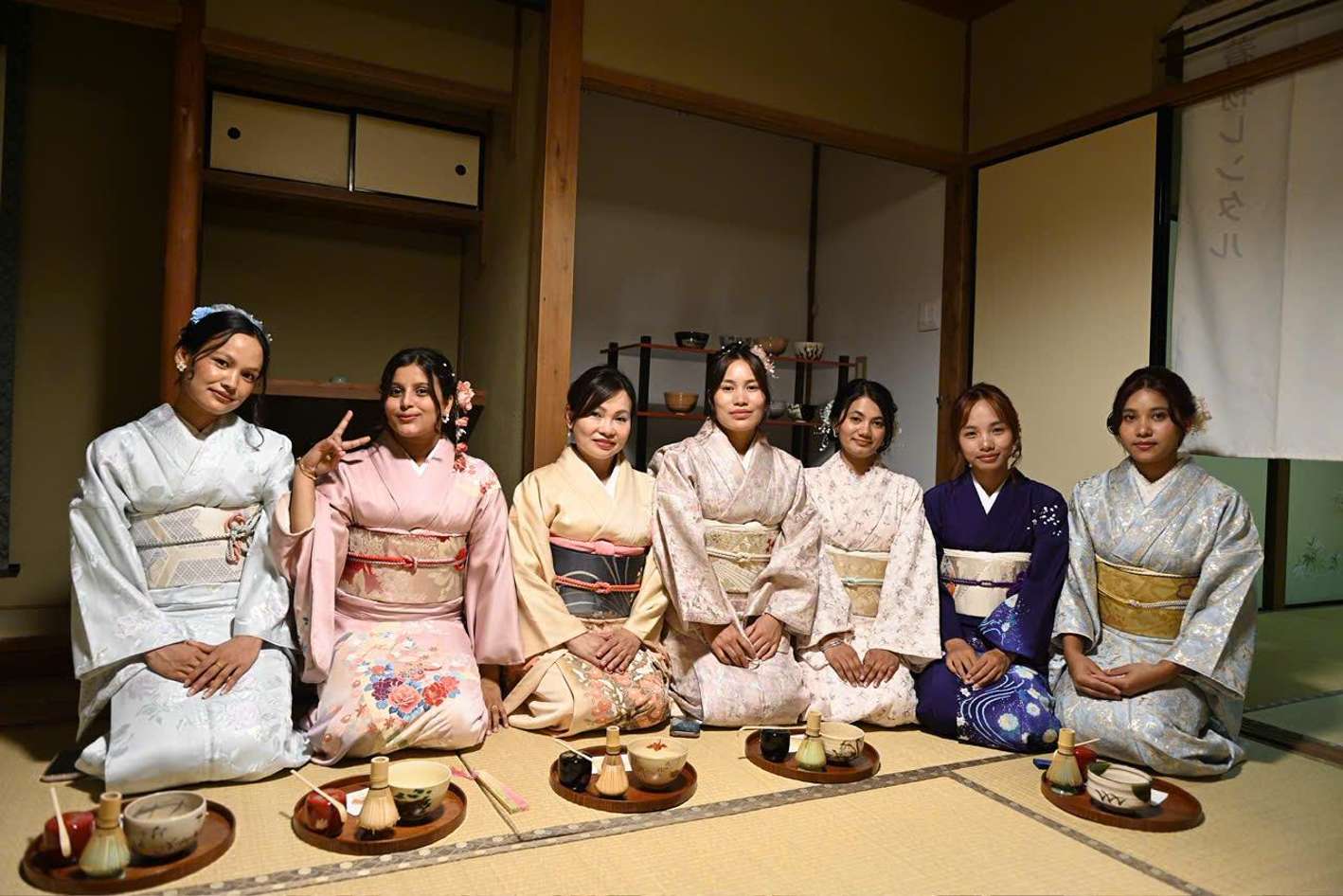
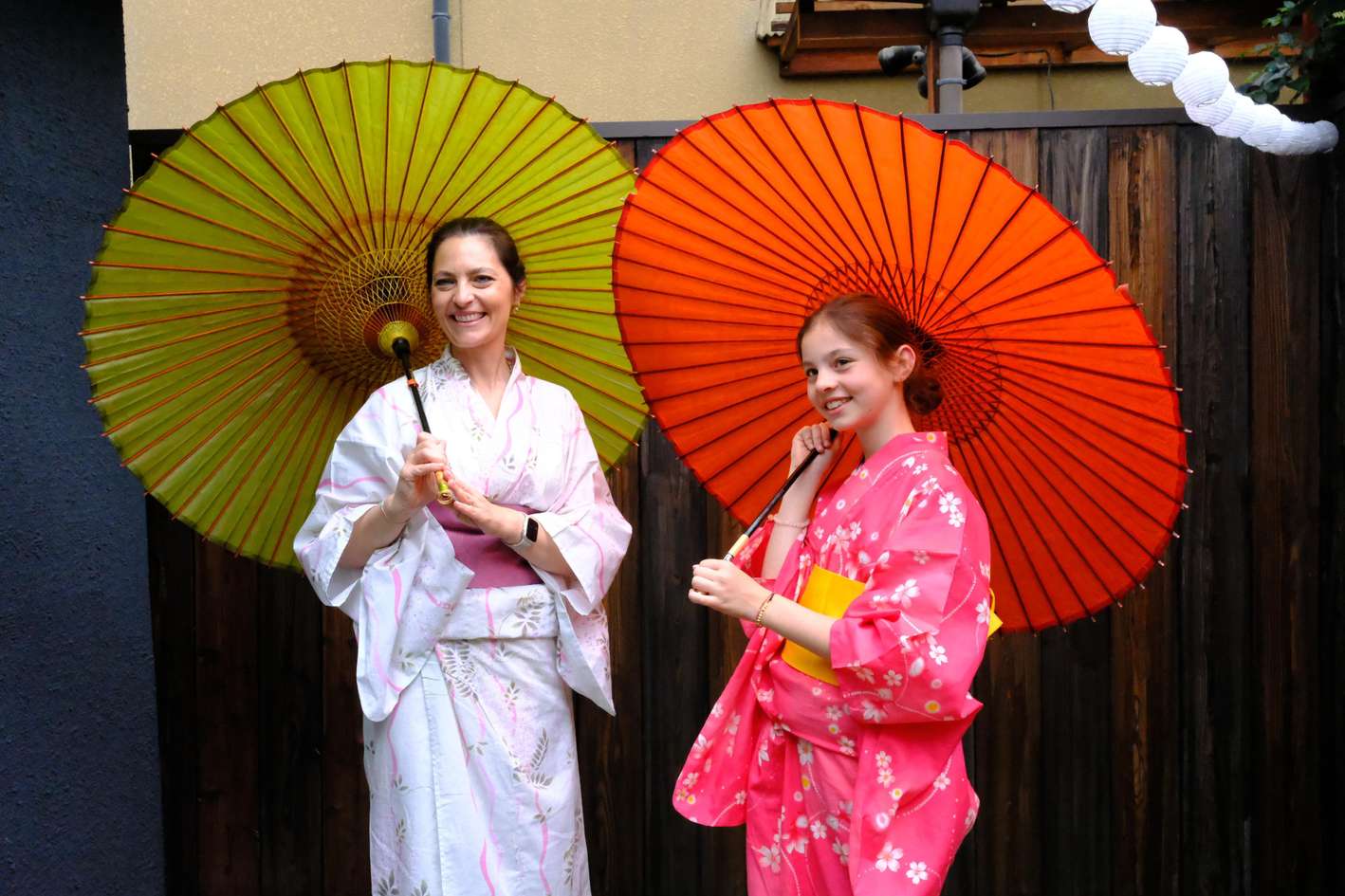
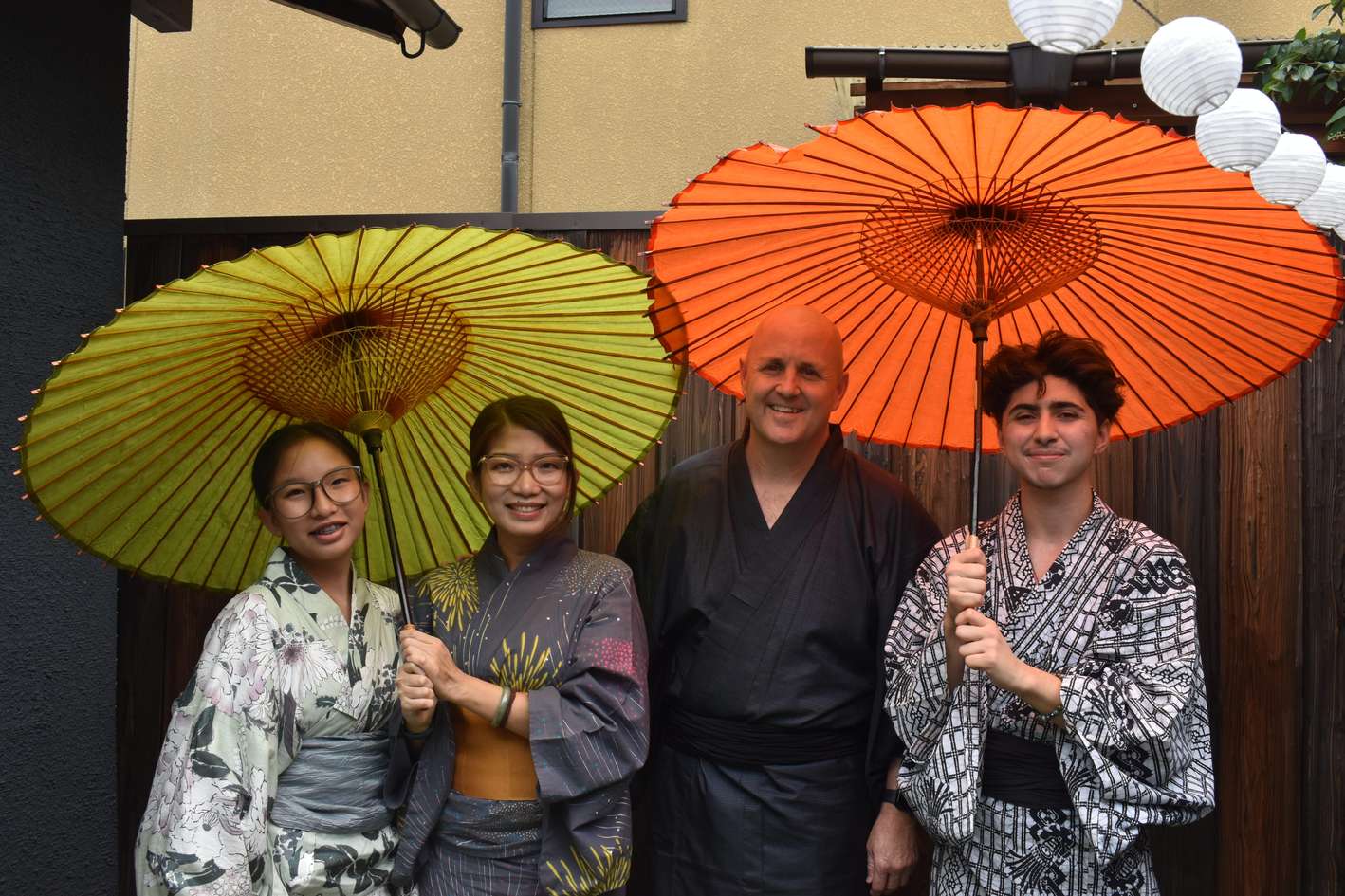
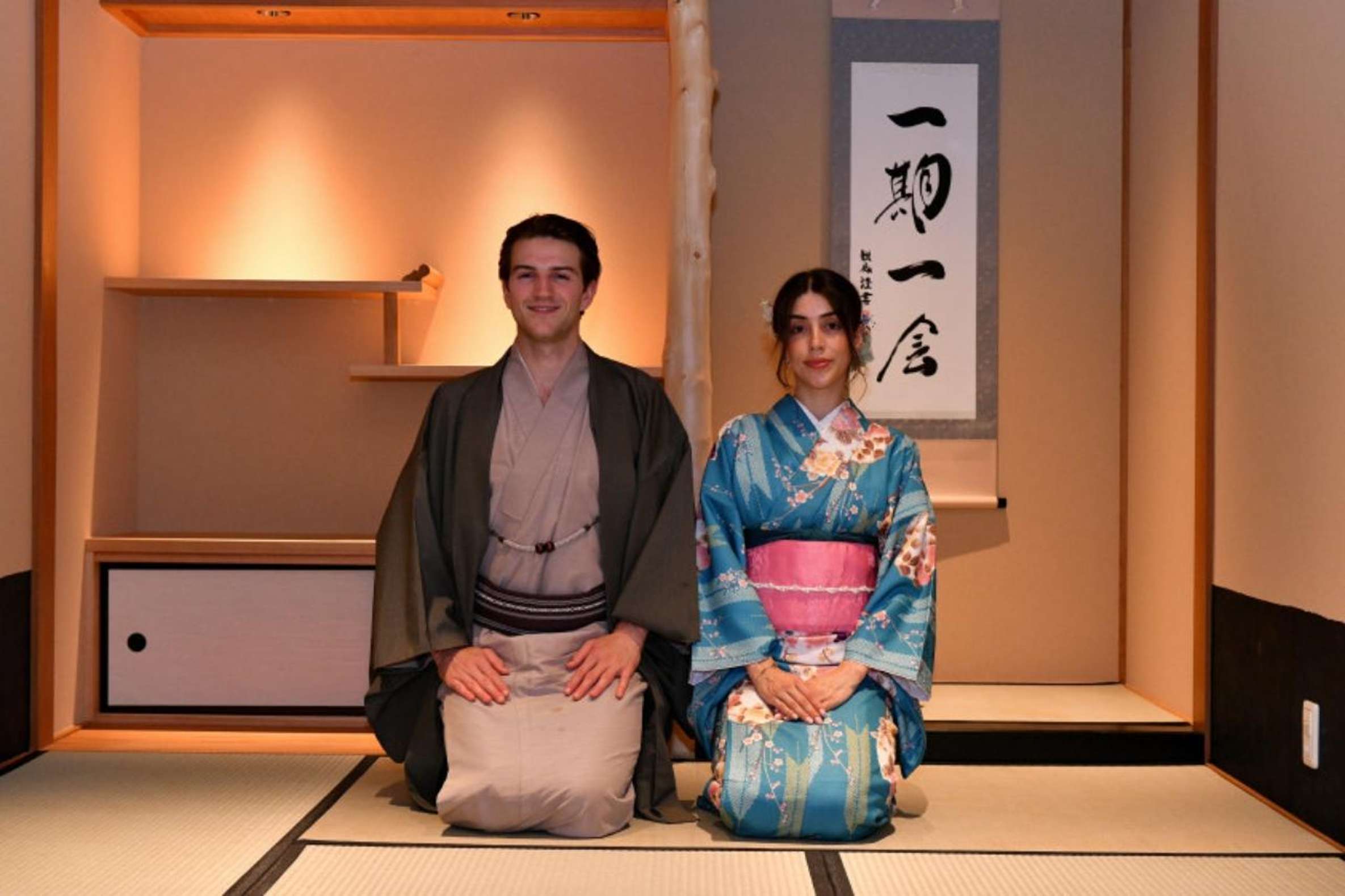
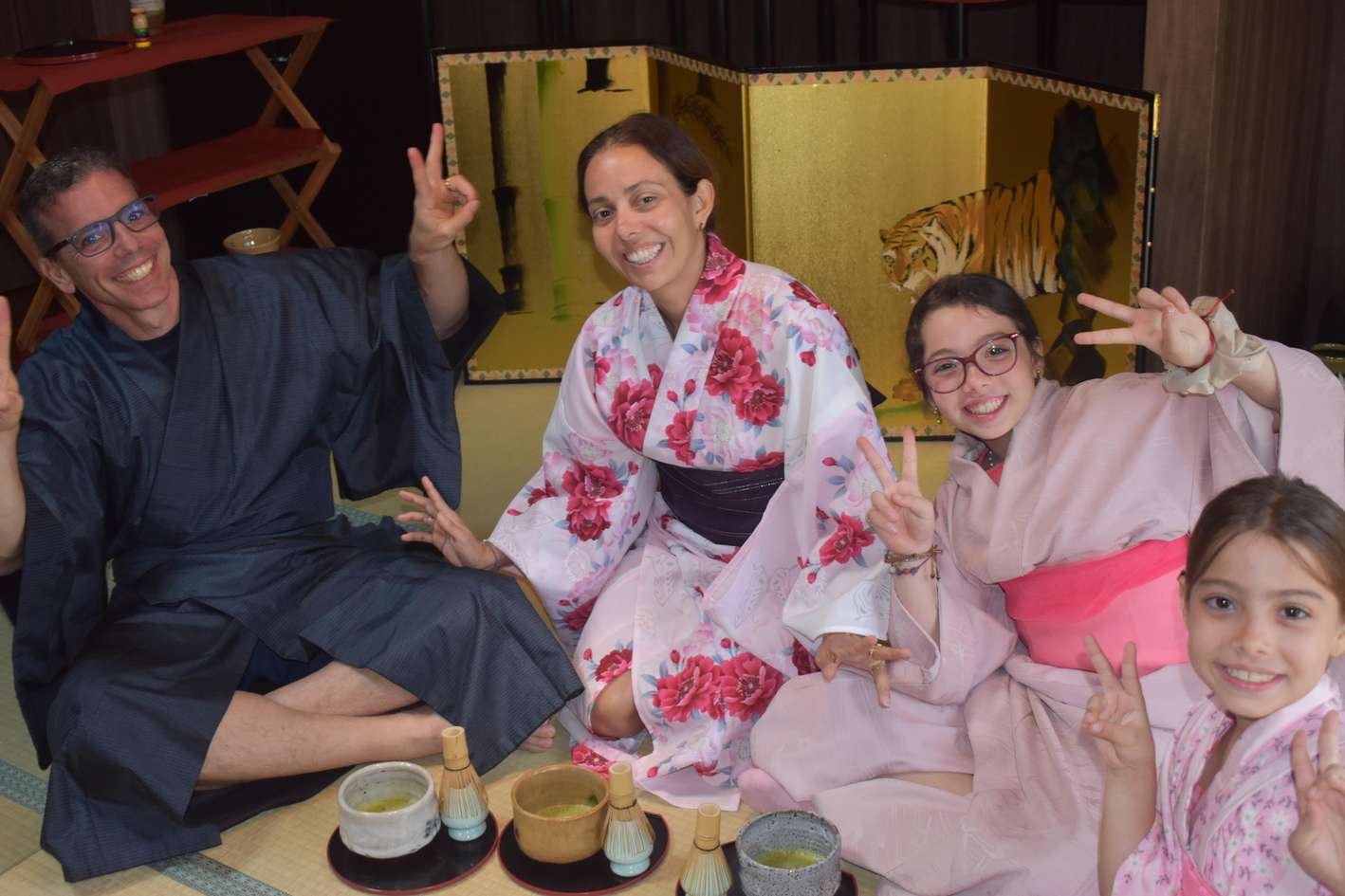
Whisk your own matcha while dressed in a kimono you pick from hundreds of designs. Dressing, hairstyling, and the ceremony all happen under one roof in Gion, with no transit between shops. Choose a session and step out into the lantern-lit lanes in full dress.
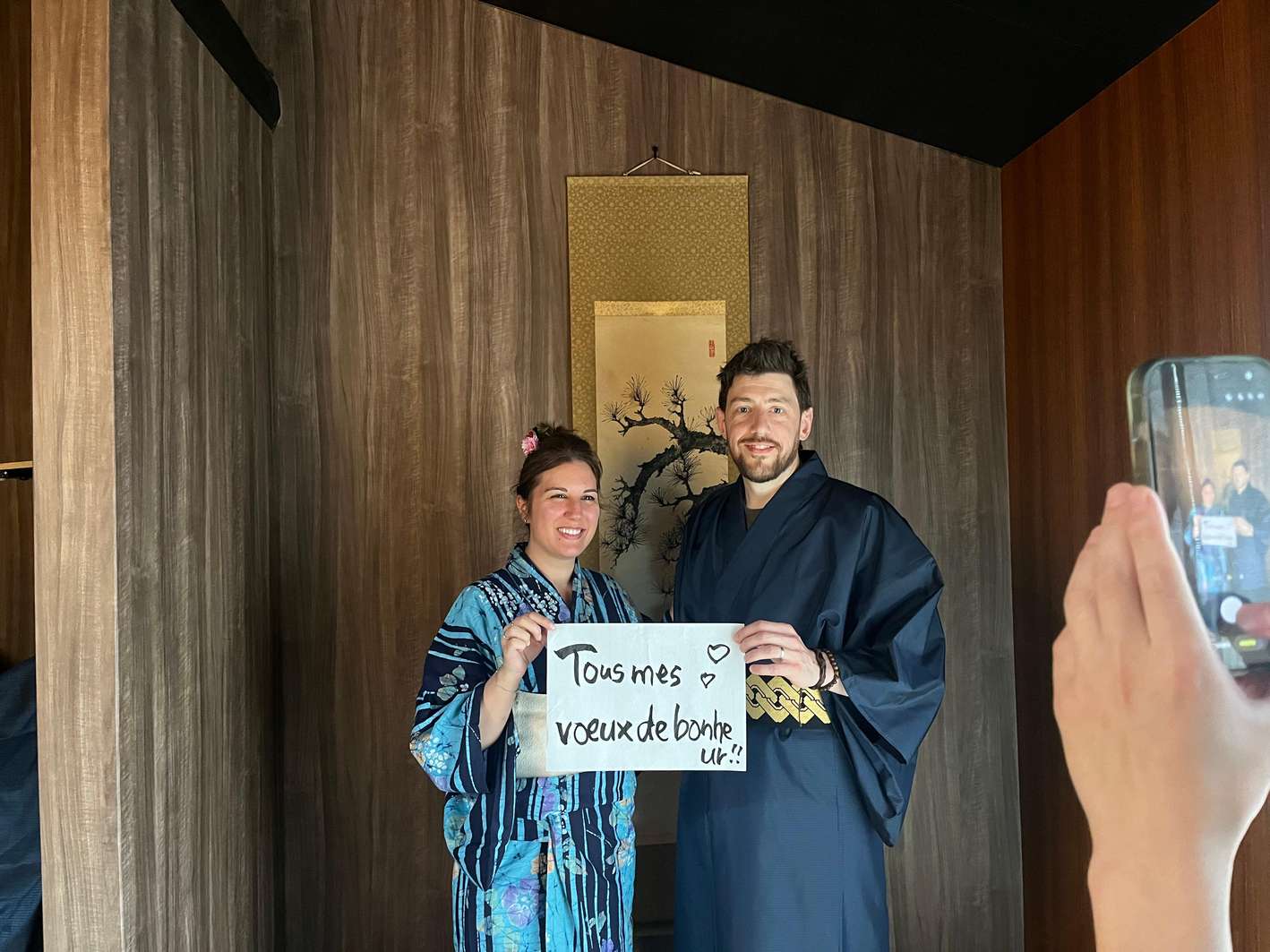
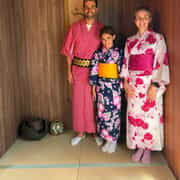
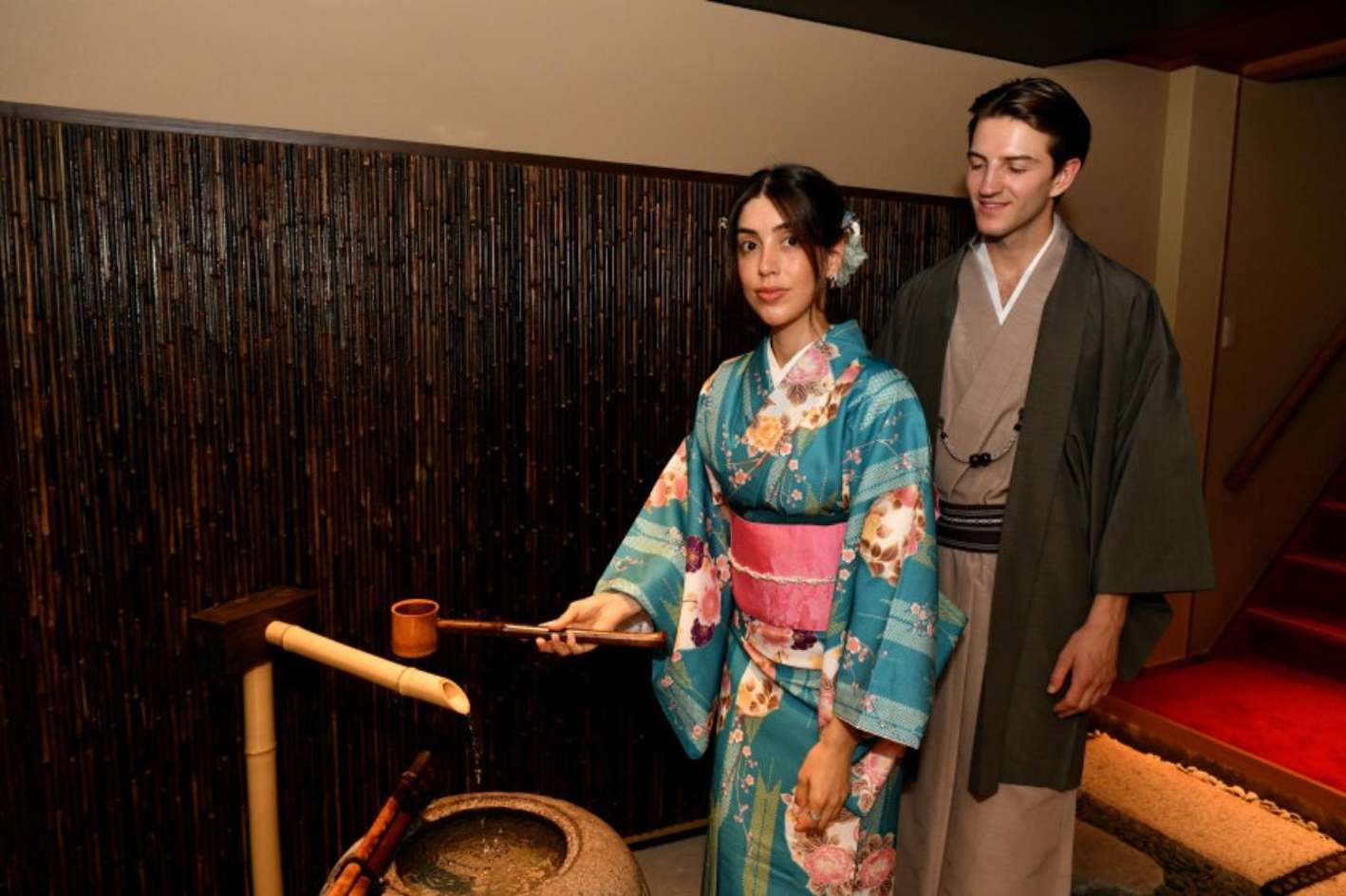
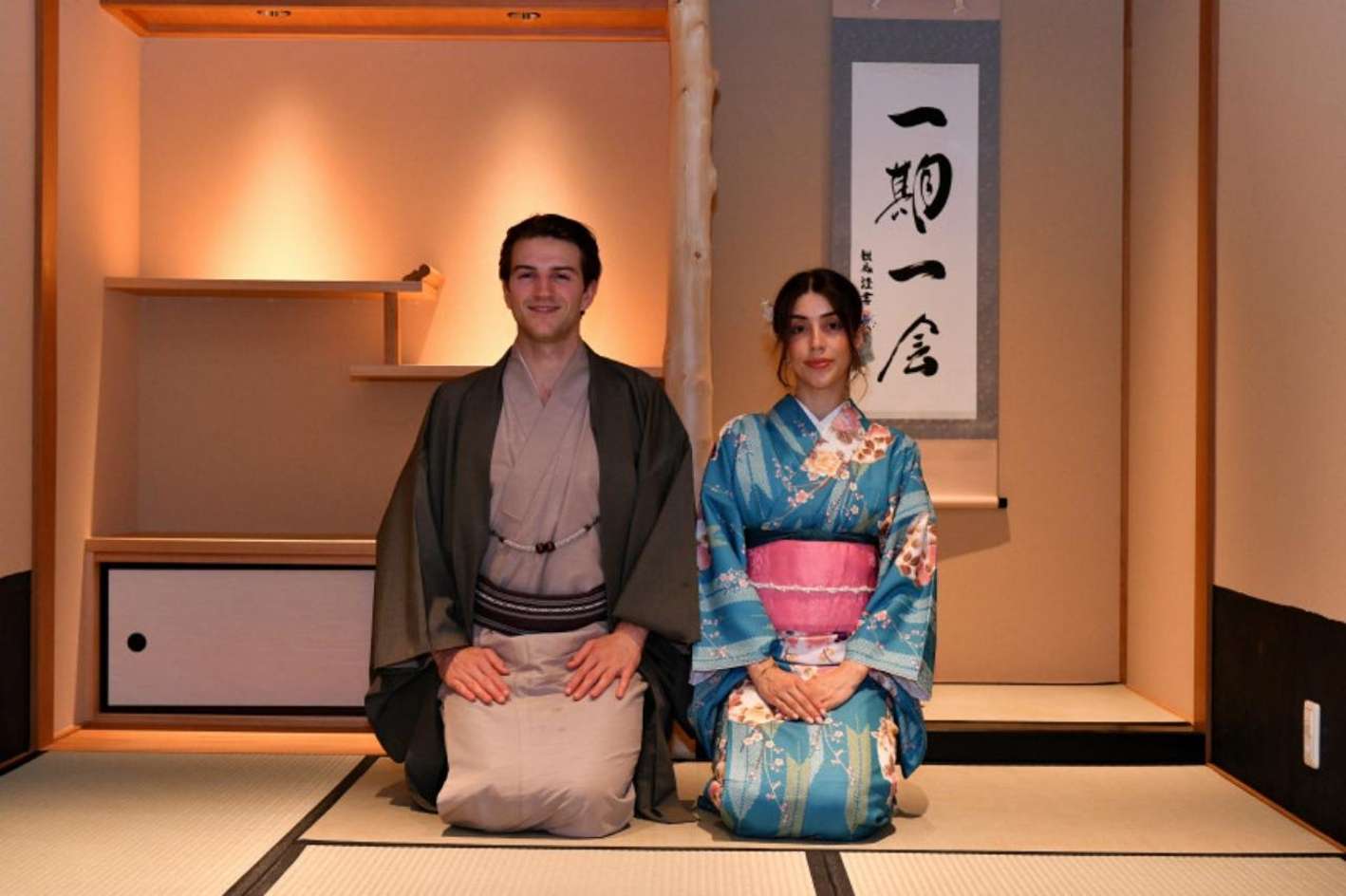
"Magical experience. They dressed us in kimono (hair styling for the women) and guided us to the tea ceremony, with photos before and after in a beautiful traditional setting."
4.9★average rating5,676traveler reviews100%free cancellation41countries travelers came from
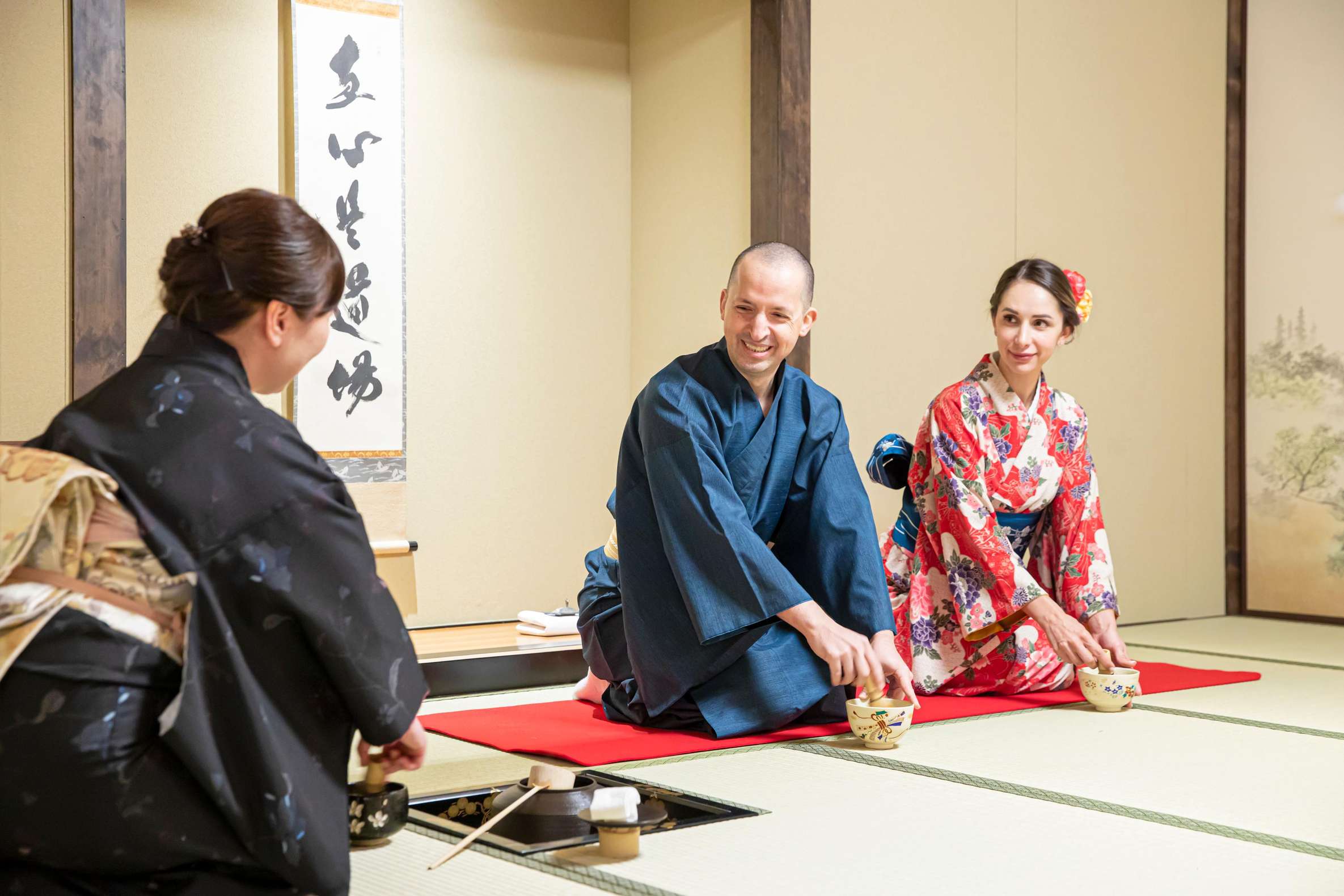
Kimono tea ceremony in Kyoto - which one to book
Every combined kimono and tea ceremony session in Kyoto follows the same shape: pick your kimono, get dressed, then whisk your own matcha. The real difference is what happens after the tea room. Some sessions keep the garment indoors, while others let you walk the old streets in it for the rest of the day.
Book aheadCombined kimono and tea ceremony venues in Kyoto sell out 2 to 4 weeks in advance during cherry blossom season in March and April and the November foliage peak.
Age limitsThe townhouse session accepts guests aged 10 and above, while the Karasumashijo session and the full-day kimono plan turn away children under 7.
PregnancyPregnant guests cannot wear a kimono or join the tea ceremony, because of the tight obi wrapping and the sitting posture.
ChairsIf kneeling on tatami is hard on your knees or back, ask for a chair in advance; the townhouse has small chairs, and Karasumashijo provides bamboo chairs on request.
SocksBring clean socks, since bare feet never touch the tatami; white tabi socks are the traditional choice.
SizesStandard kimono shops fit women up to about 175 to 180 cm and men up to about 195 to 200 cm, with waist and hip measurements up to roughly 100 to 105 cm.
TattoosNo venue bans visible tattoos, but covering them discreetly is standard etiquette in a formal tea room.
PhotographyFlash photography is barred at some venues, and video recording is prohibited at several tea rooms.
Late arrivalArrive at your reserved time; the townhouse session starts on schedule, and some venues lock doors and deny entry once the session begins.
TransitSessions where the dressing shop and the tea room sit apart, such as the townhouse plan, leave transit between the two sites to you, and a kimono shortens your stride.
Which kimono tea ceremony in Kyoto fits you?
Answer a few quick questions and the finder narrows the options for you.
1Who's coming?
2What's your budget?
3What kind of trip?
Your best match
match
Kyoto: Kimono Tea Ceremony at Orizuruya Gion★ 4.9 (2,055) · 1.5 - 2 hours · Wearing a kimono
Popular with couples, solo travelers, families with kids or teens and friends. 100% of friends gave it 4 or 5 stars.
Booked 140 times last week
Kimono dressing and ceremony in Gion, capped at 10 guests.
sell-outCombined kimono and tea ceremony sessions in Kyoto sell out 2 to 4 weeks ahead during the cherry blossom season in March and April and the autumn foliage peak in November.
Book your kimono tea ceremony as soon as your Kyoto dates are set, or aim for a winter or midweek slot if you are planning late.
Kimono tea ceremony in Kyoto - four ways to dress up and whisk your own matcha
Most popular
1.5 - 2 hours·English
4.9(2,055)
Kyoto: Kimono Tea Ceremony at Orizuruya Gion
A 4.9 rating from over 2,000 guests, with a choice of over 200 kimono designs, hairstyling for women and a tea master guiding you in a Gion tea room.
Free cancellationSnacks (Wagashi & matcha)Kimono Set Rental
The setup at Orizuruya Gion is simple: everything happens under one roof, so you pick your kimono, get dressed, and sit down to tea without crossing town. The session runs 1.5 to 2 hours depending on the option, and the group stays small, with a maximum of 10 guests.
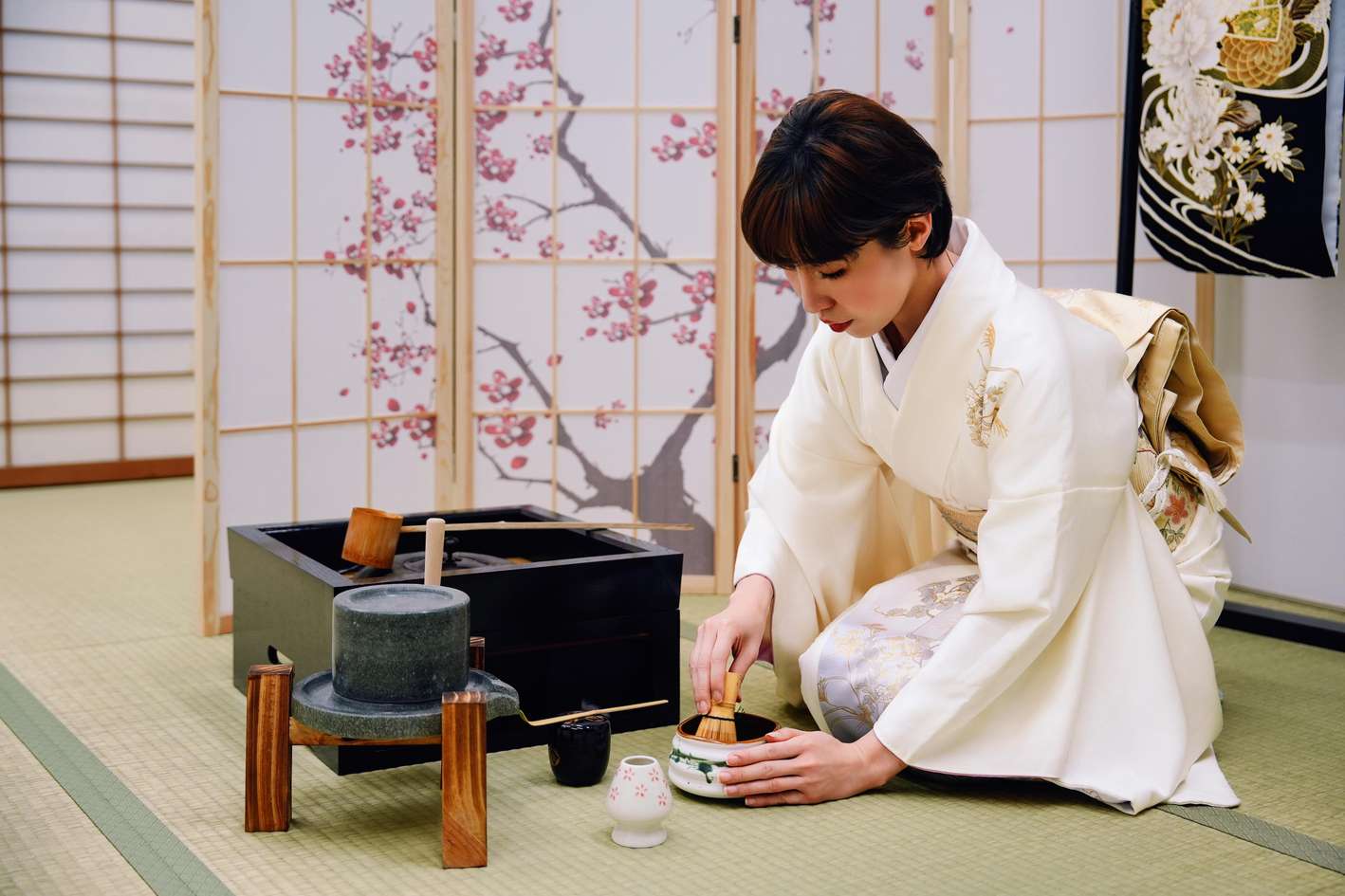
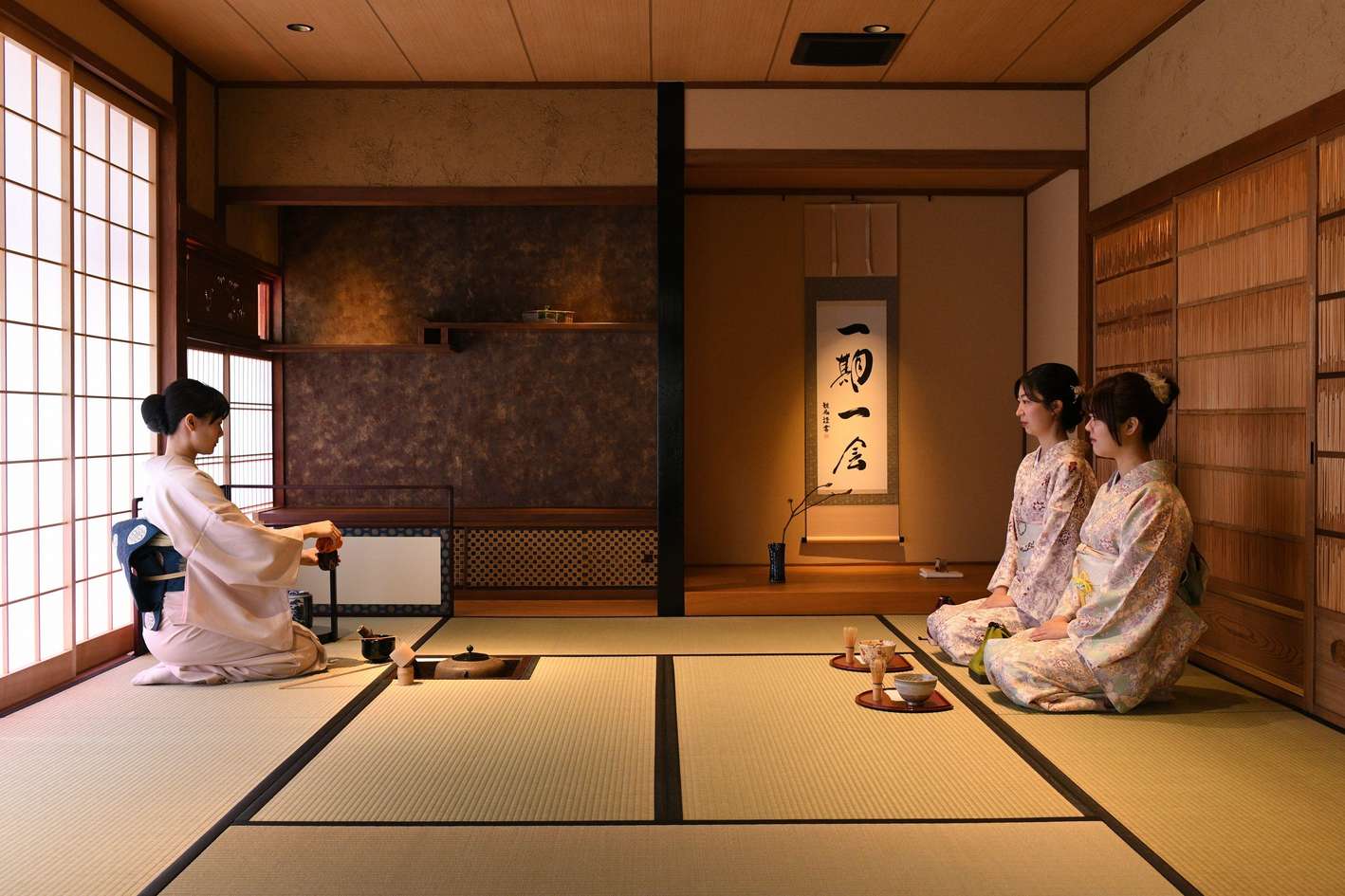
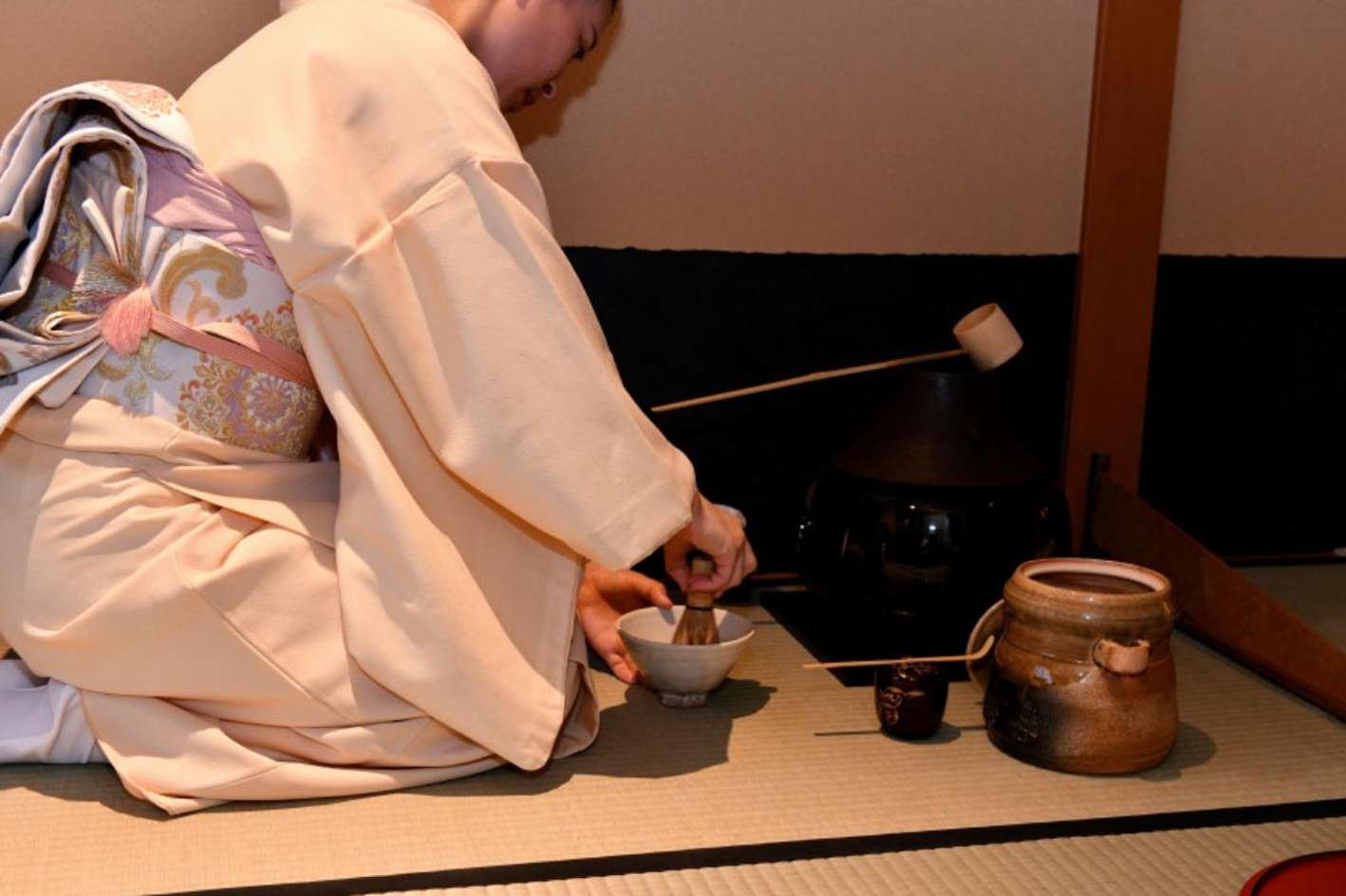
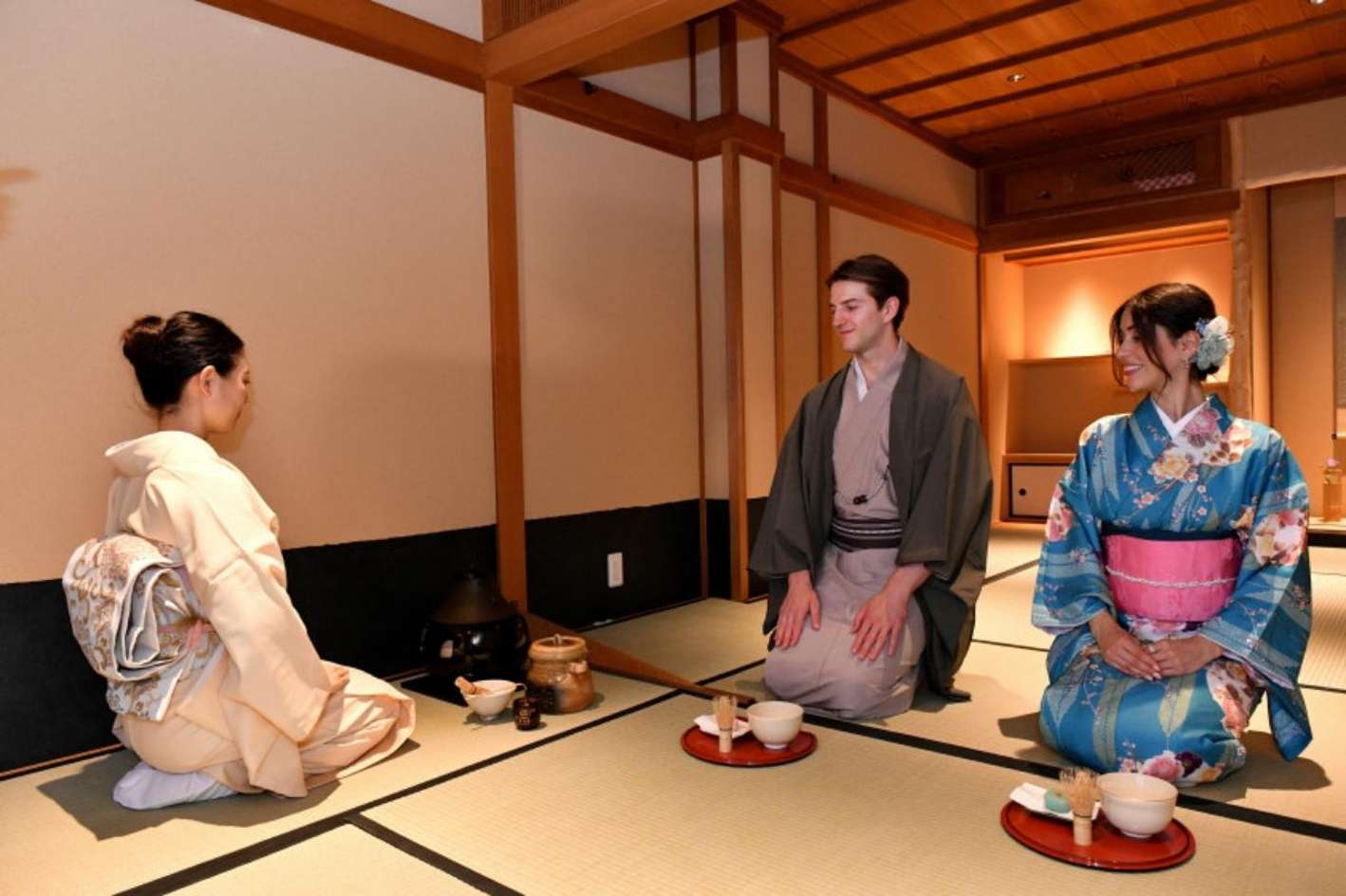
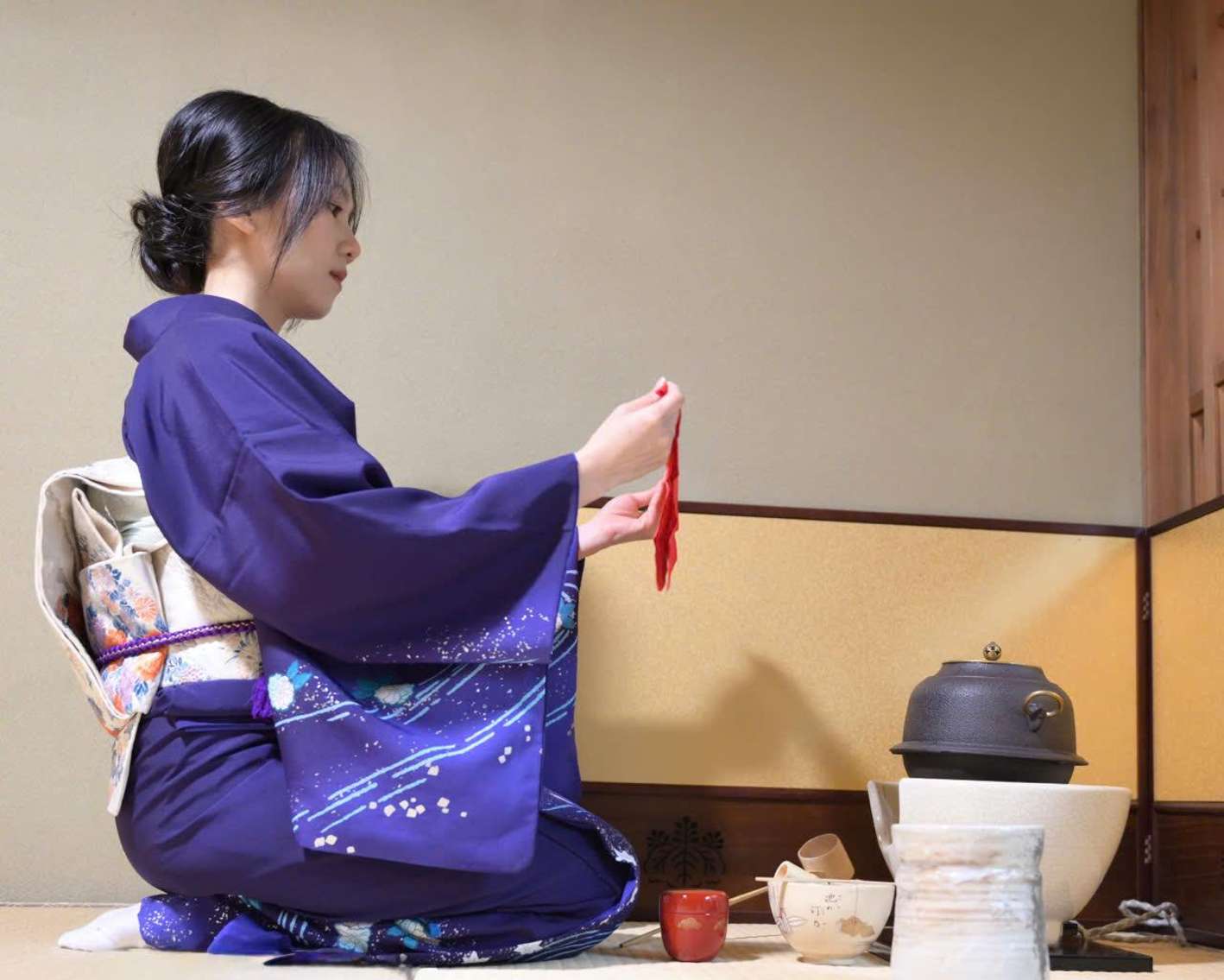
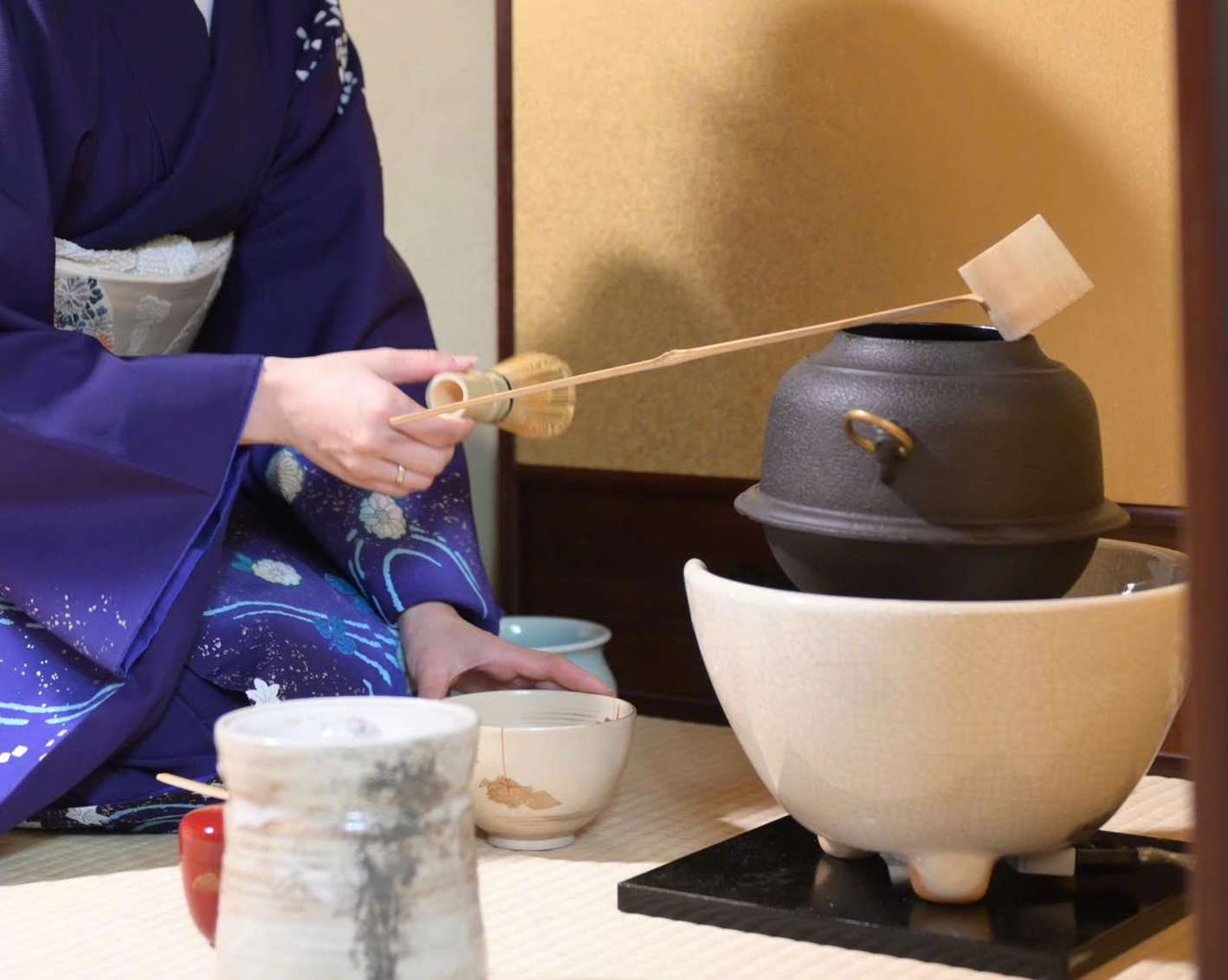
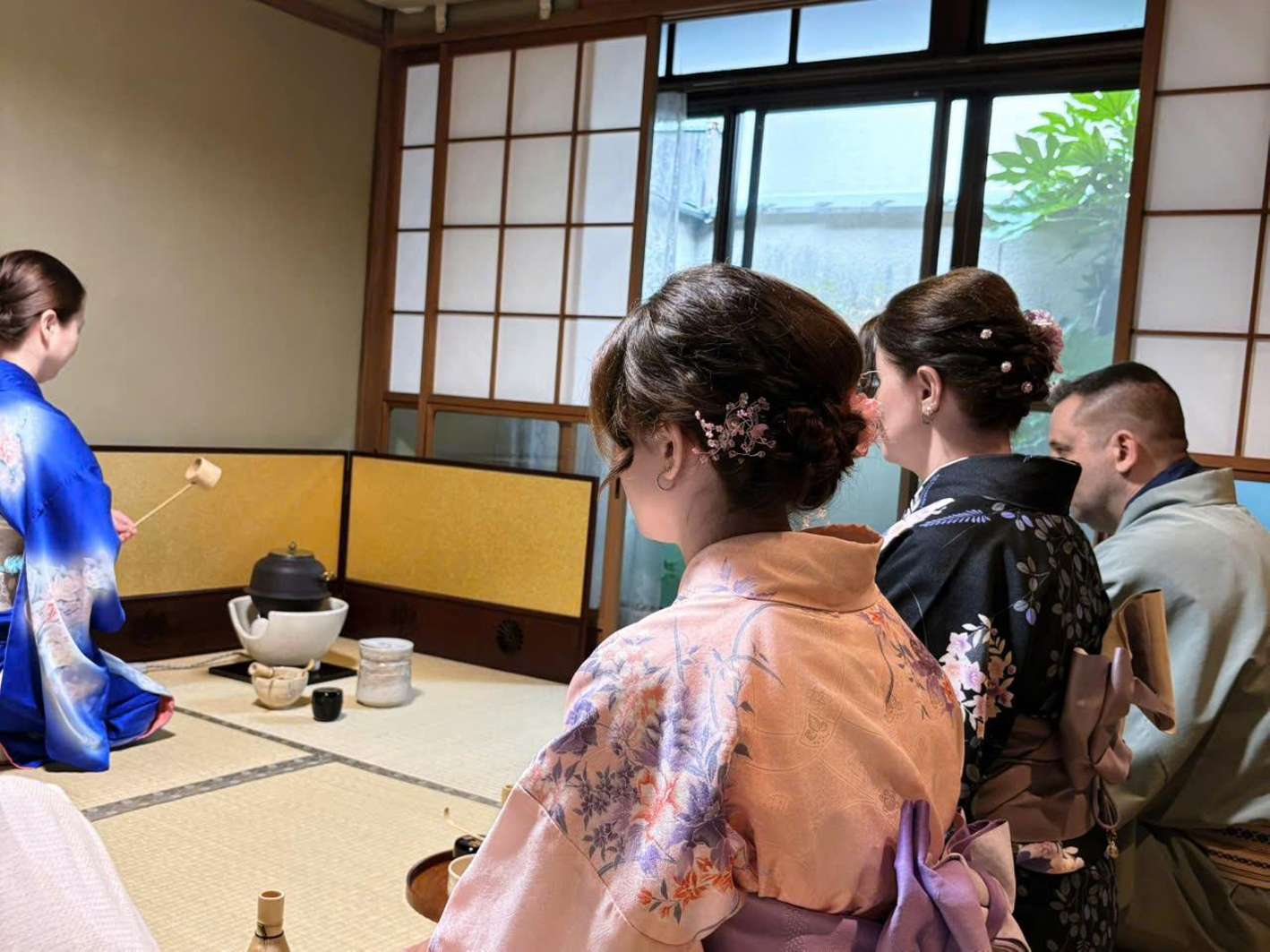
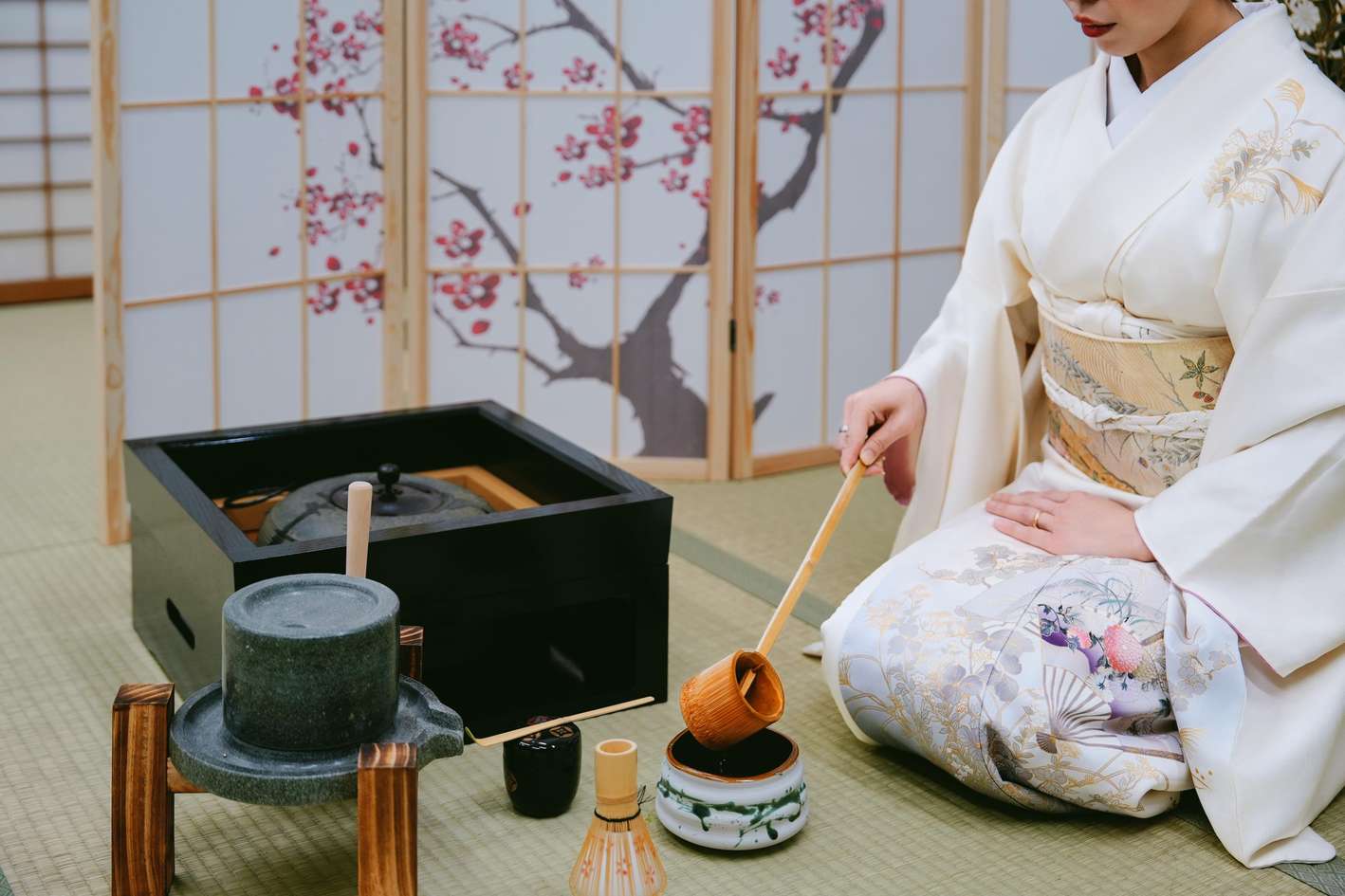
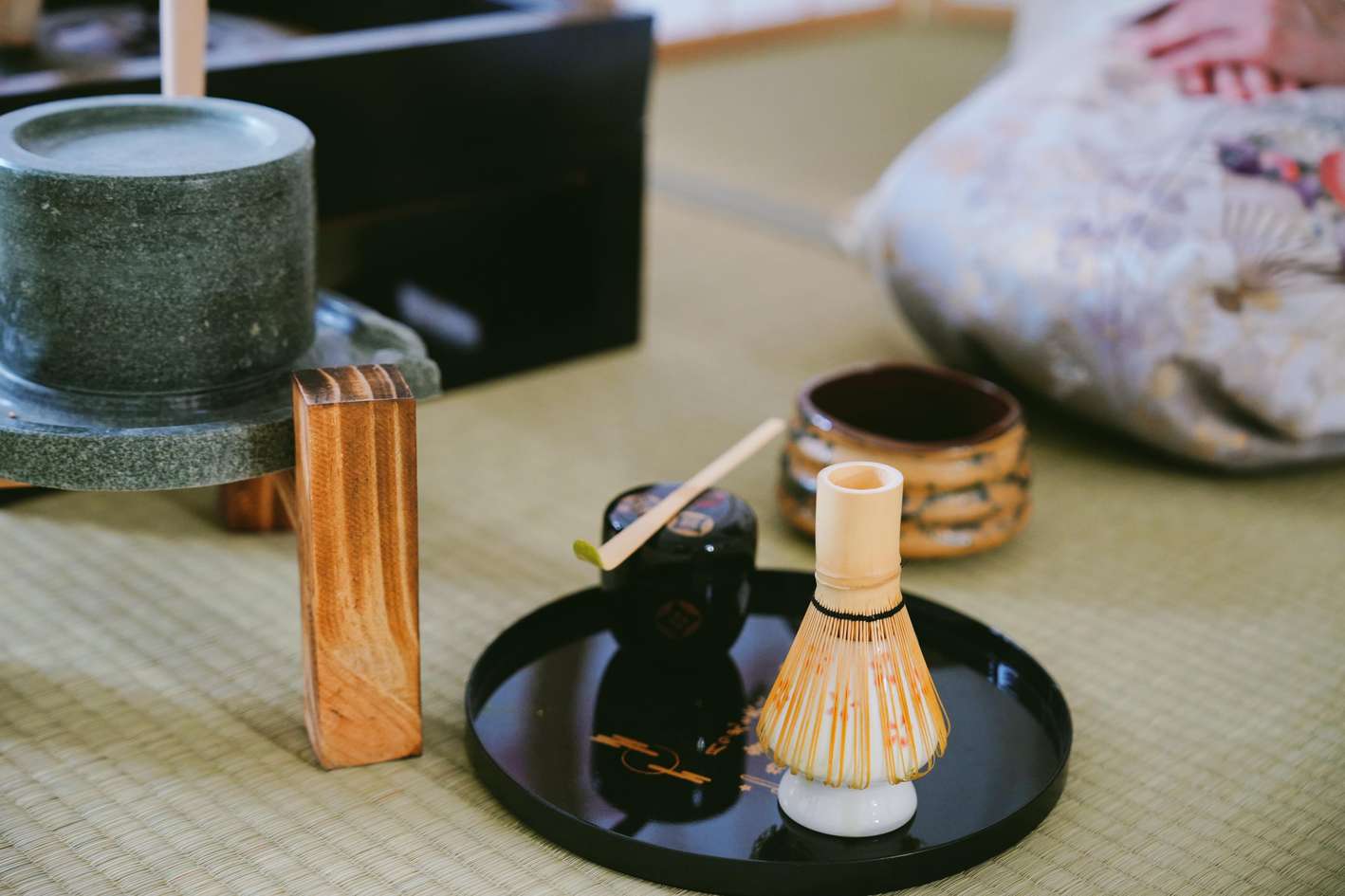
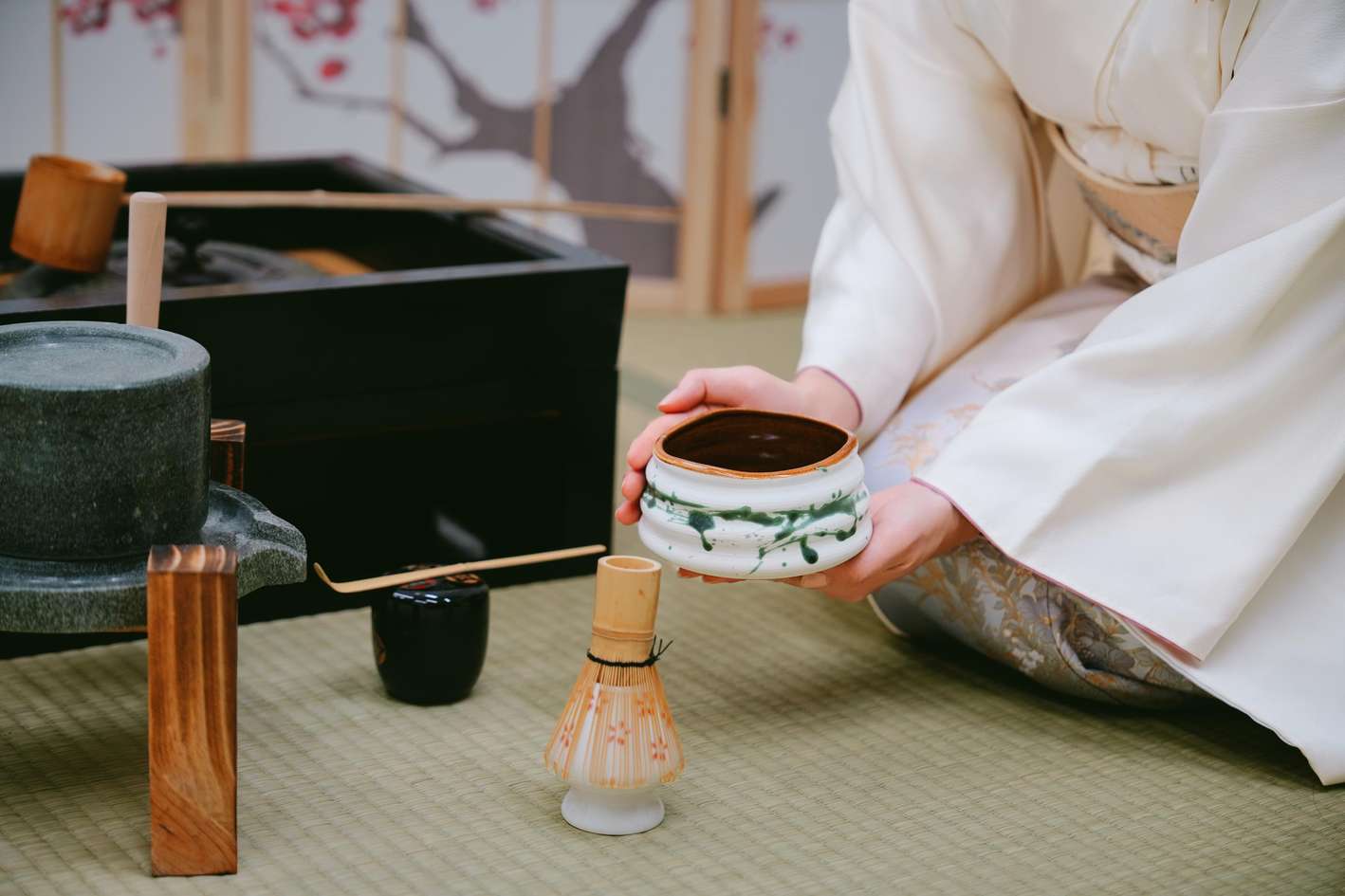
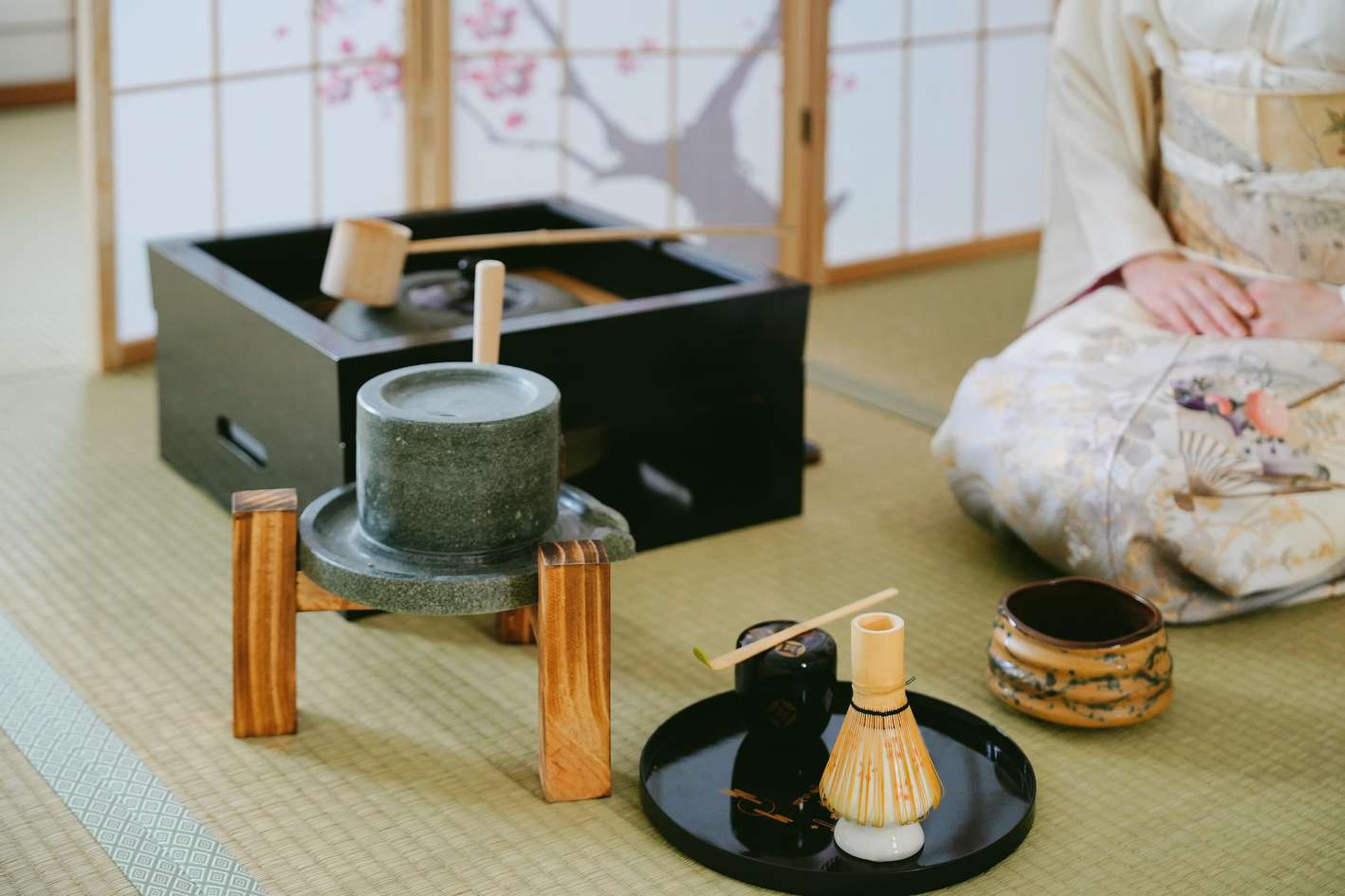
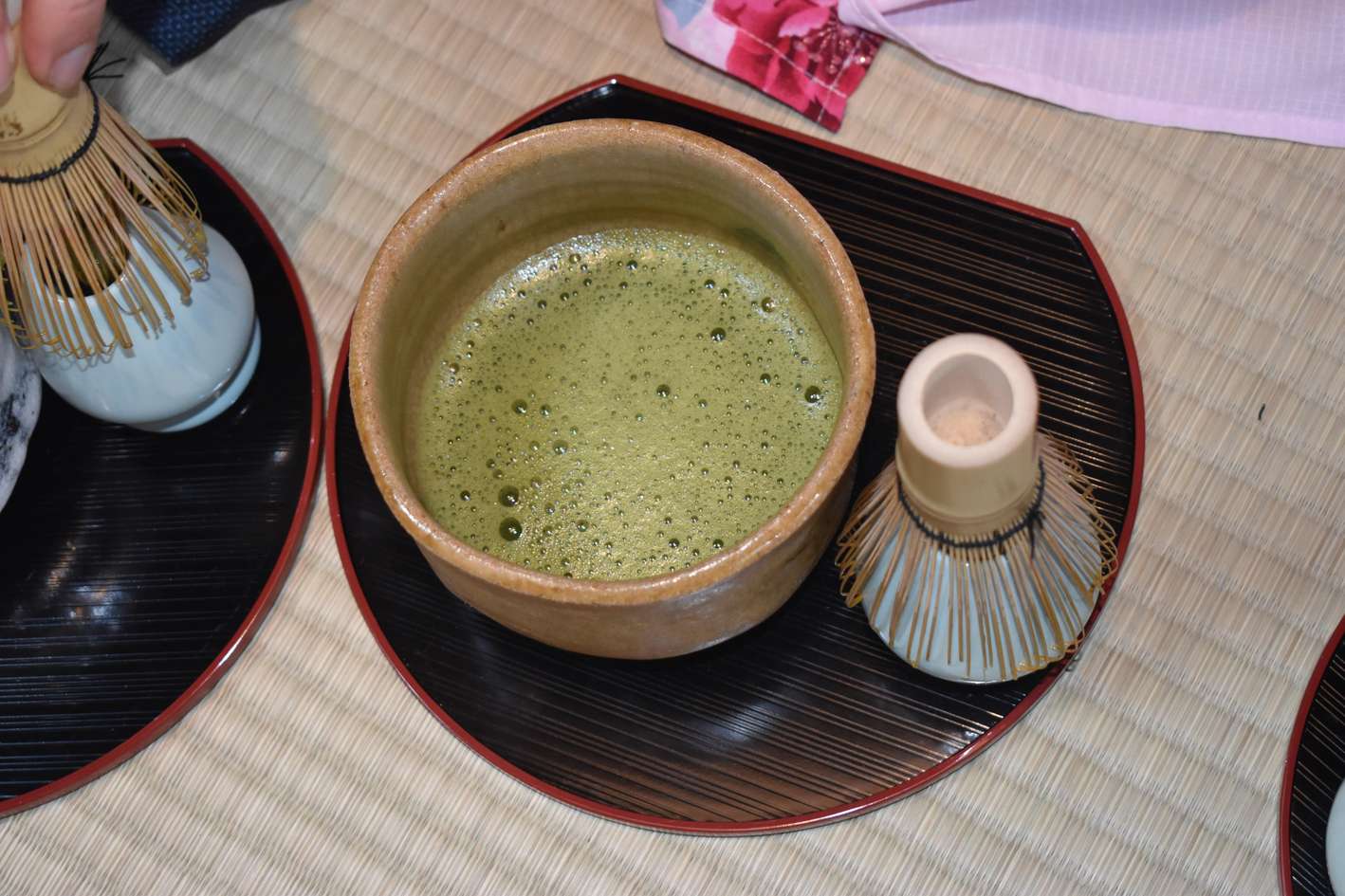
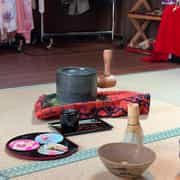
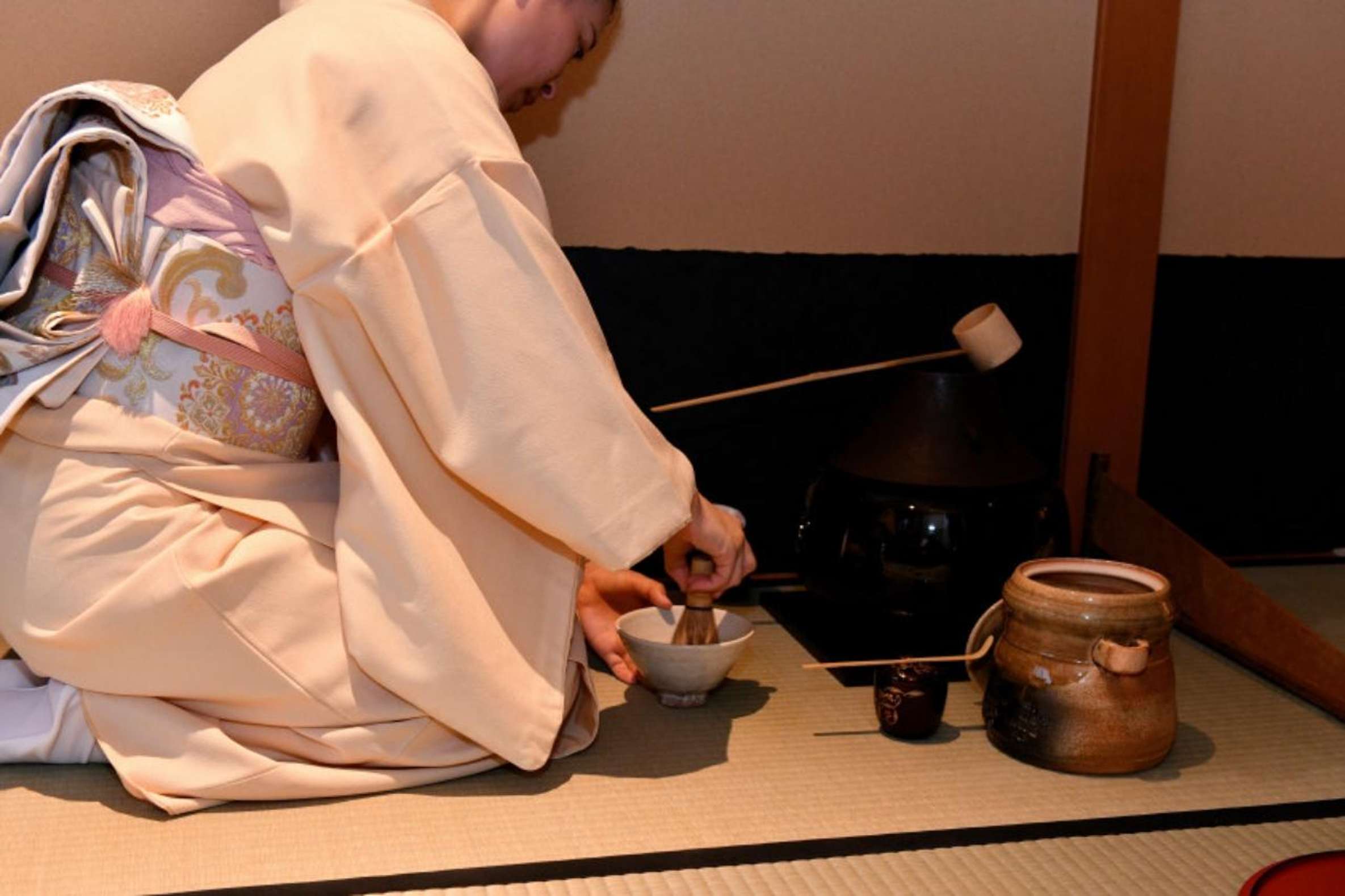
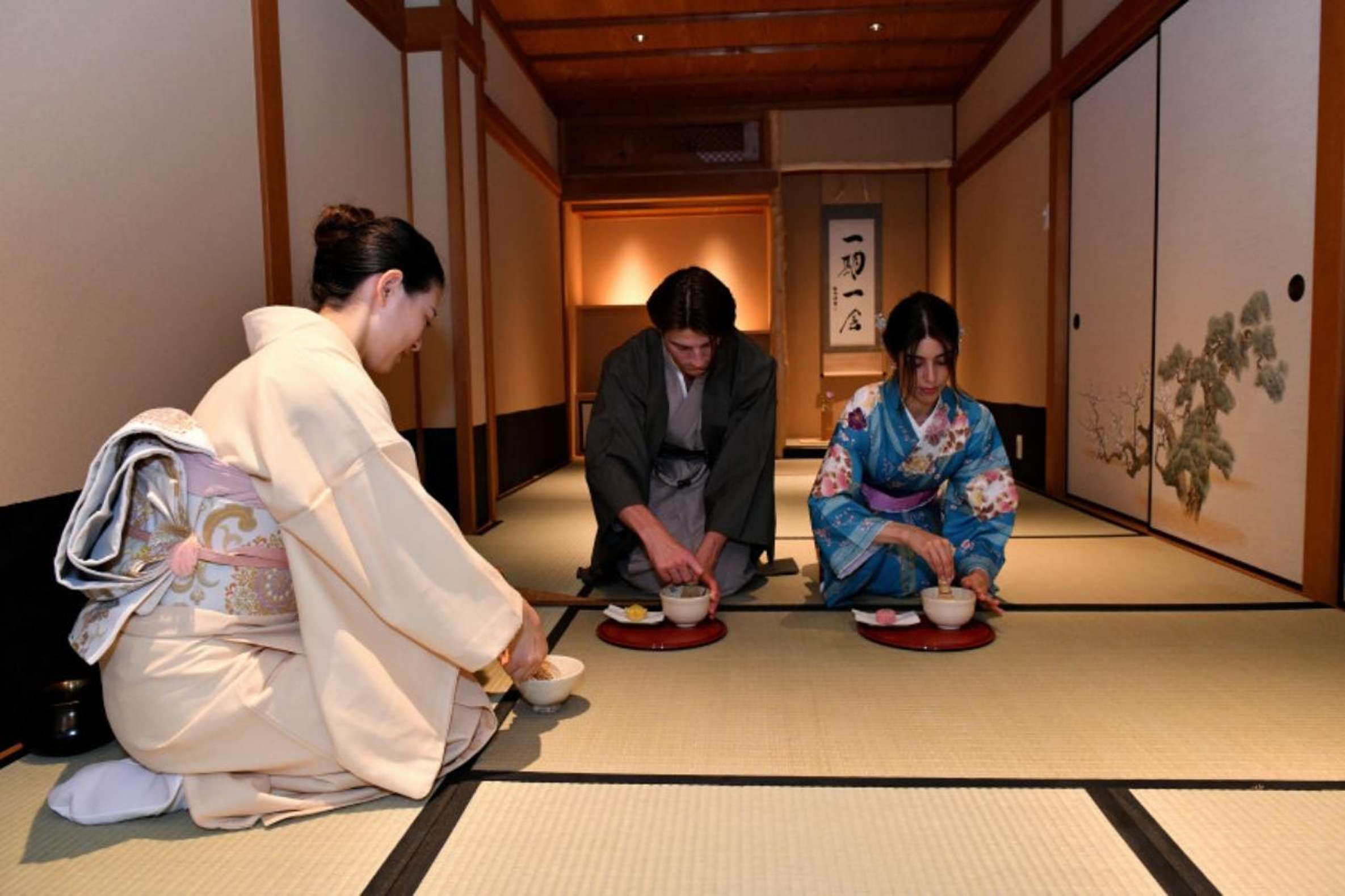
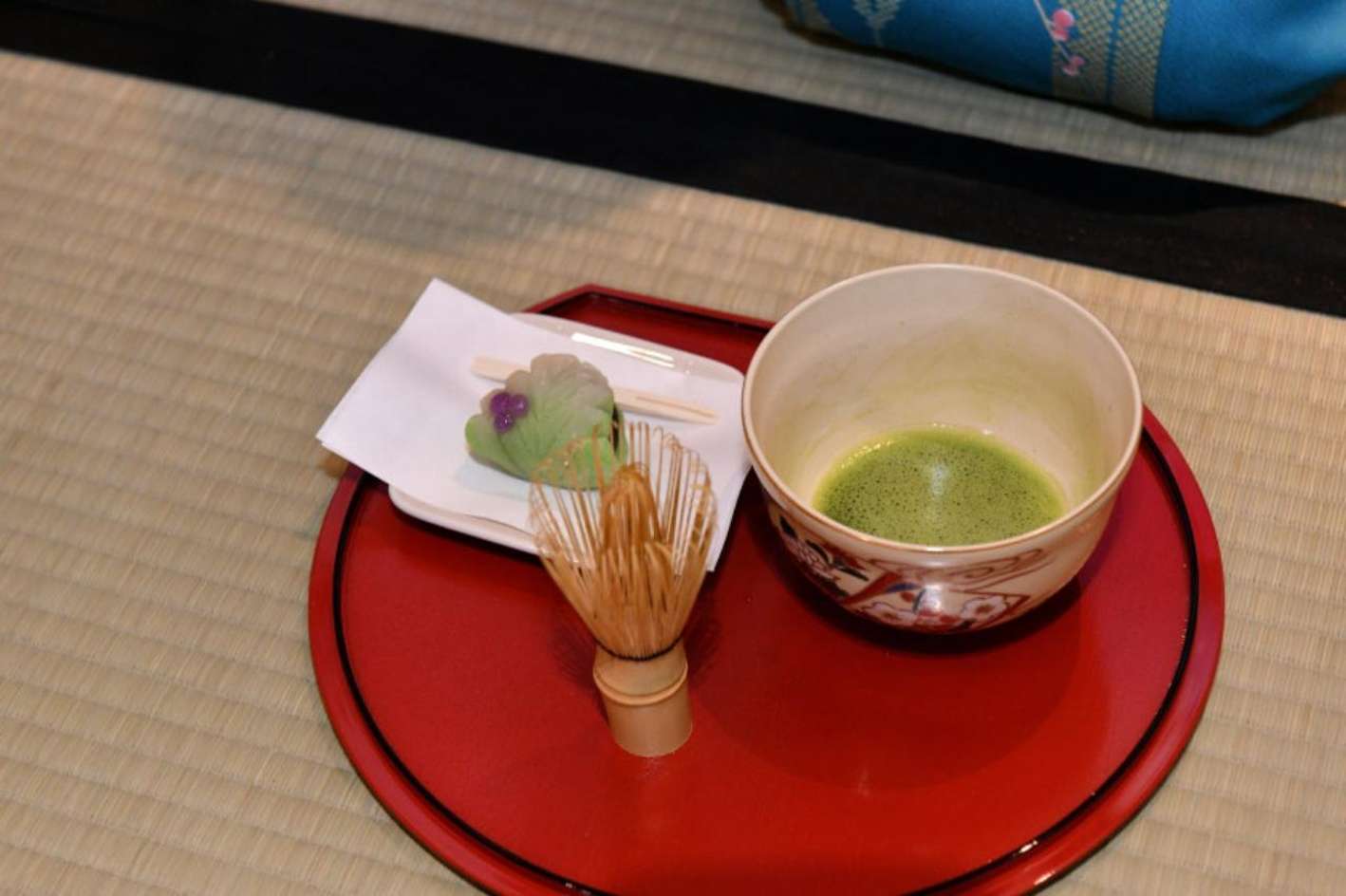
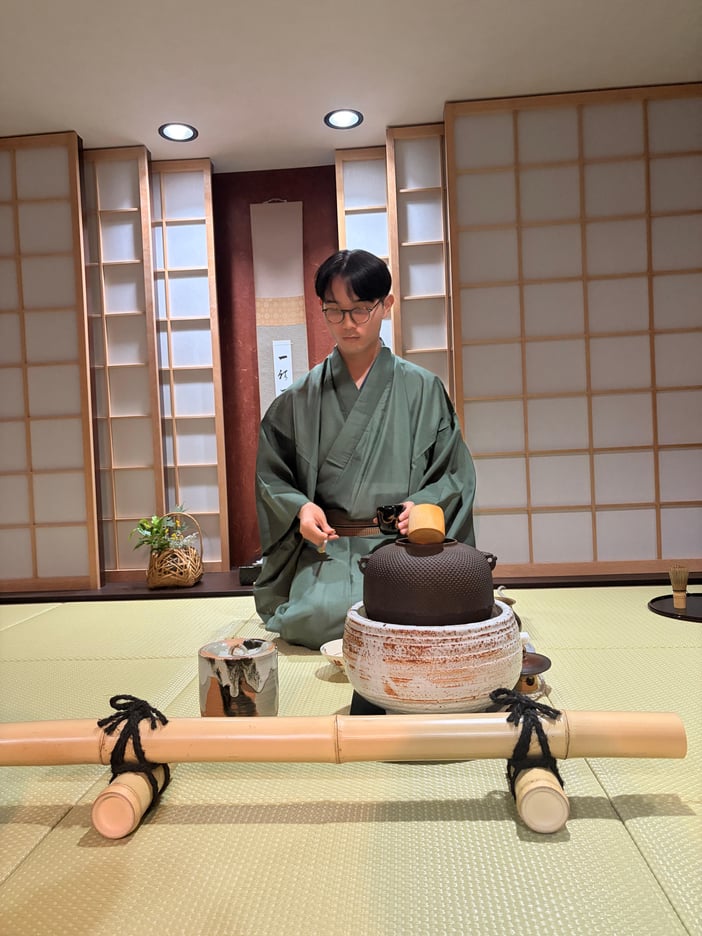
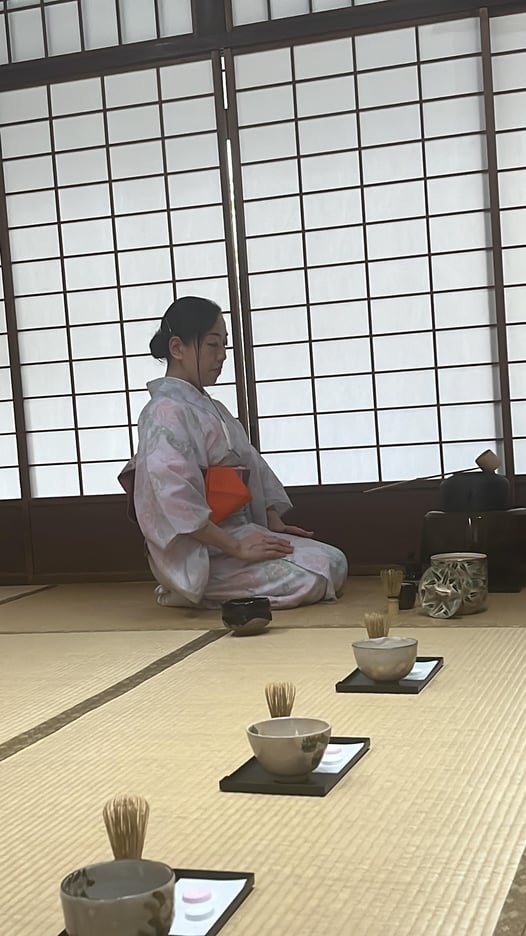
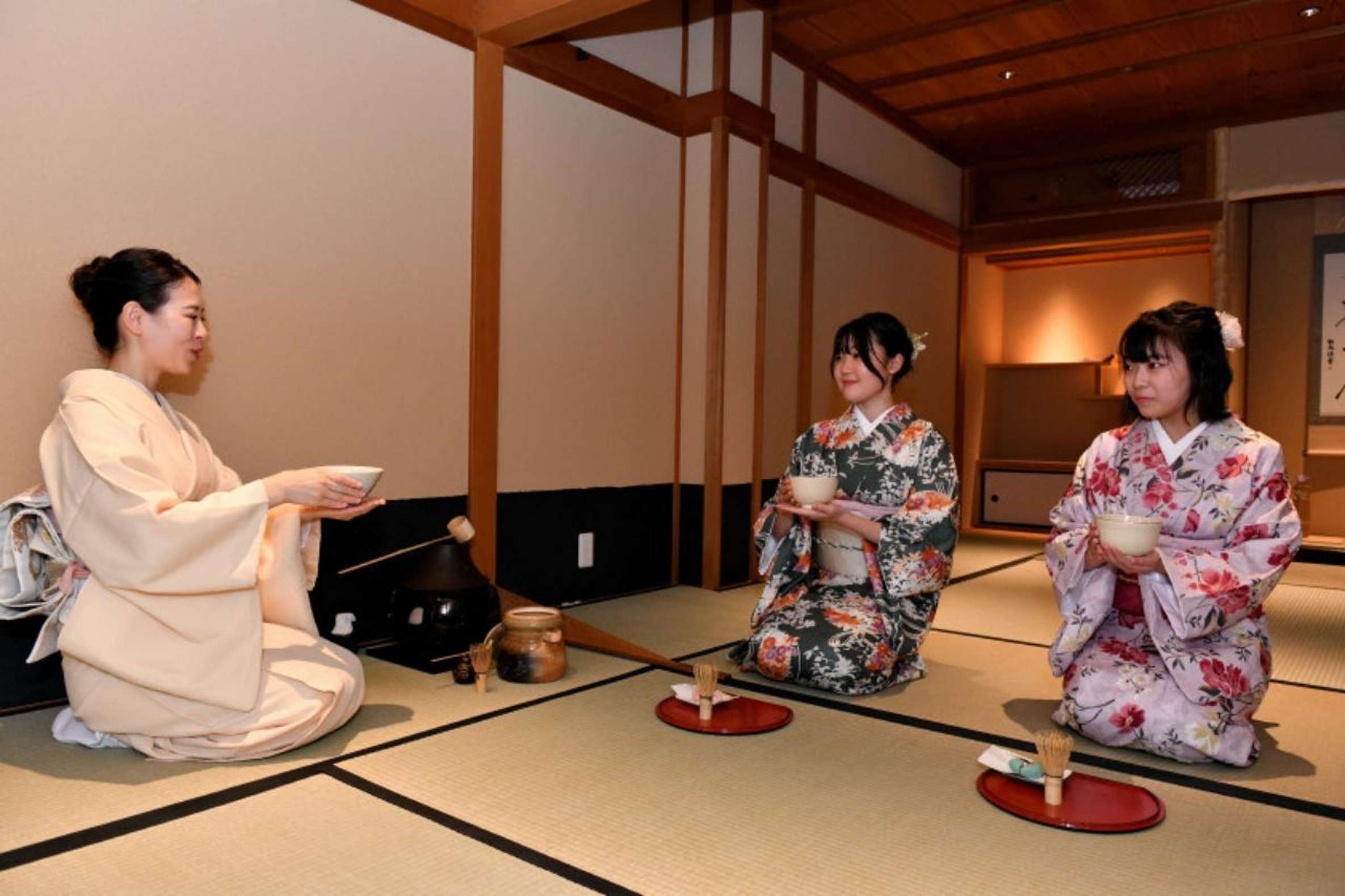
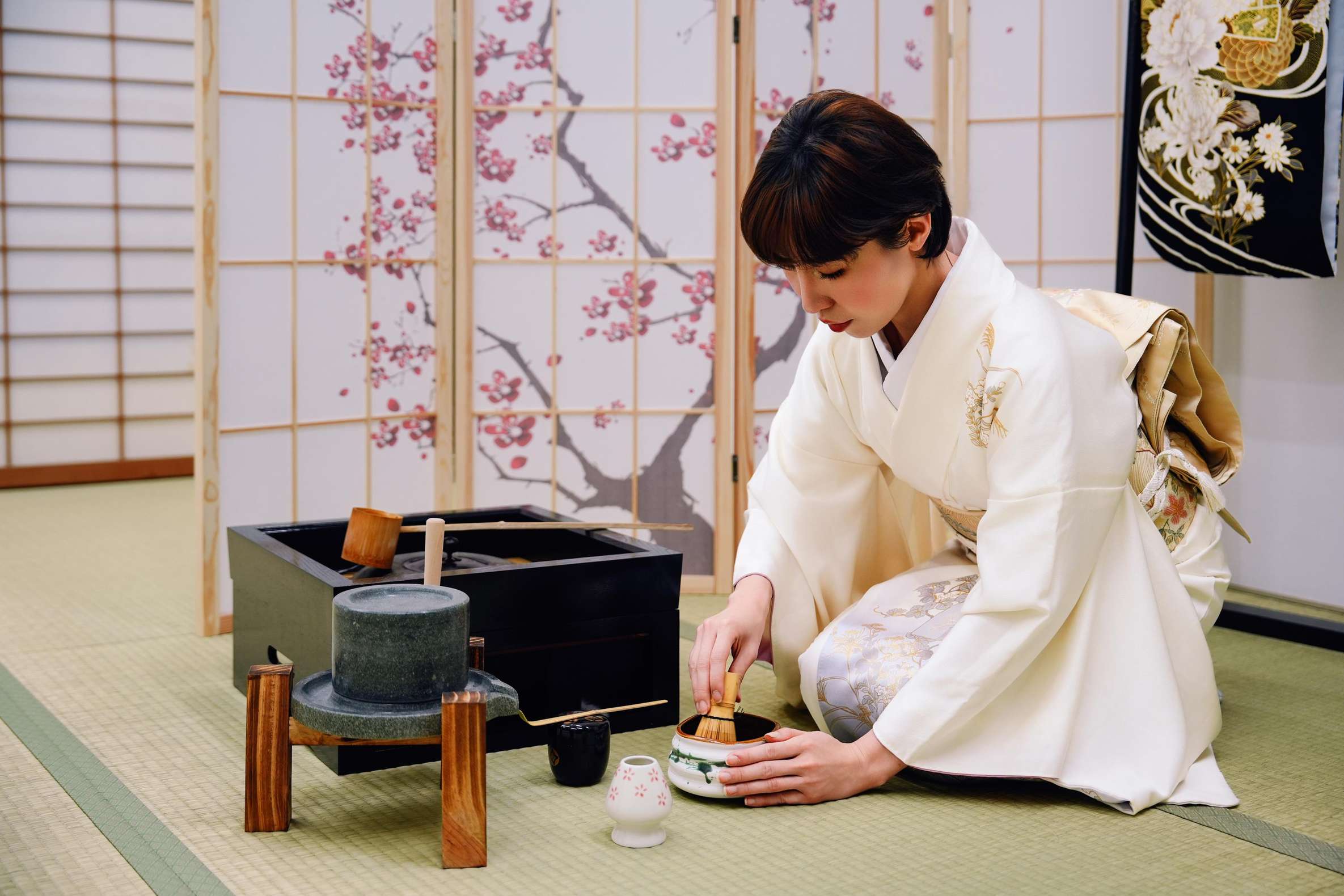
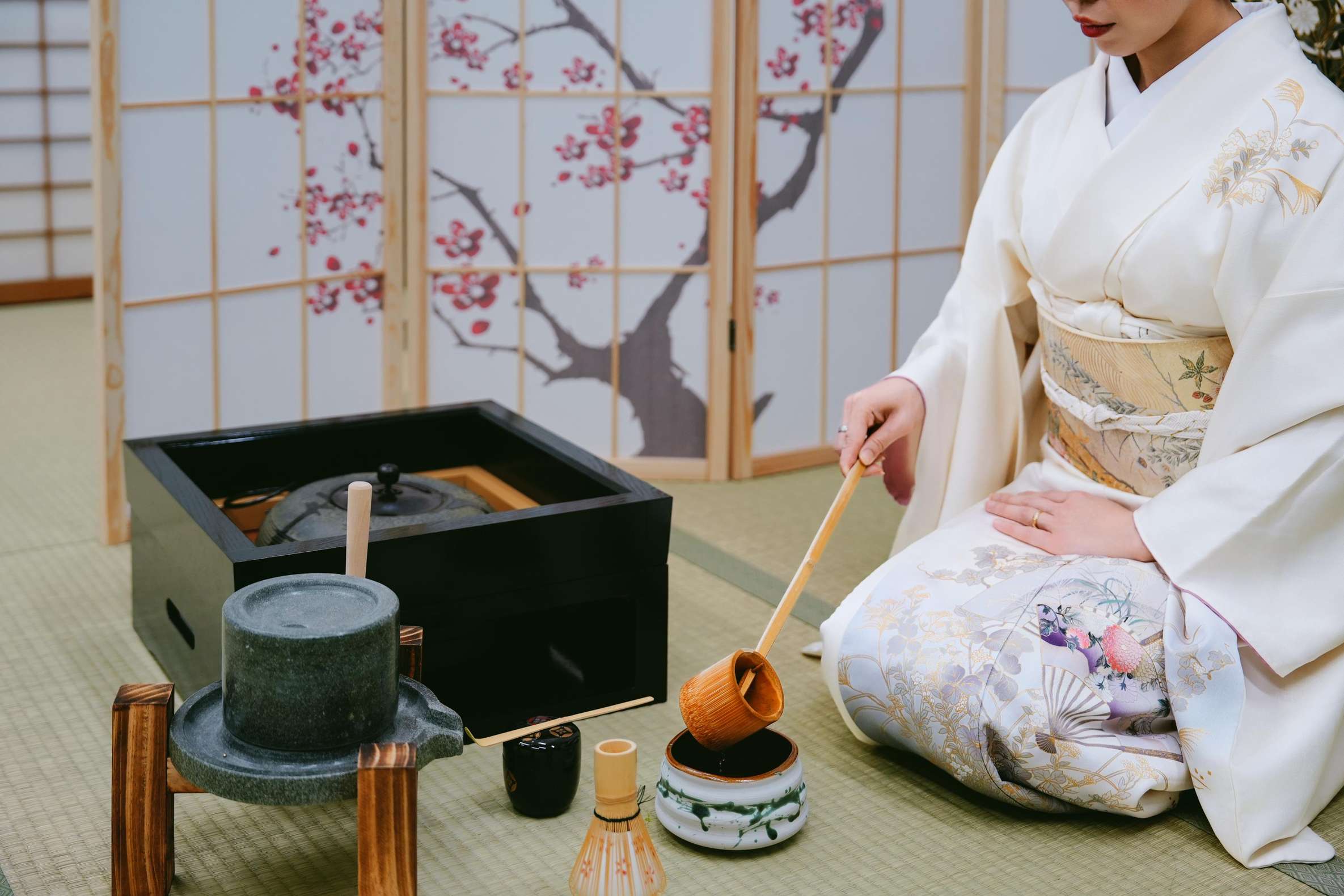
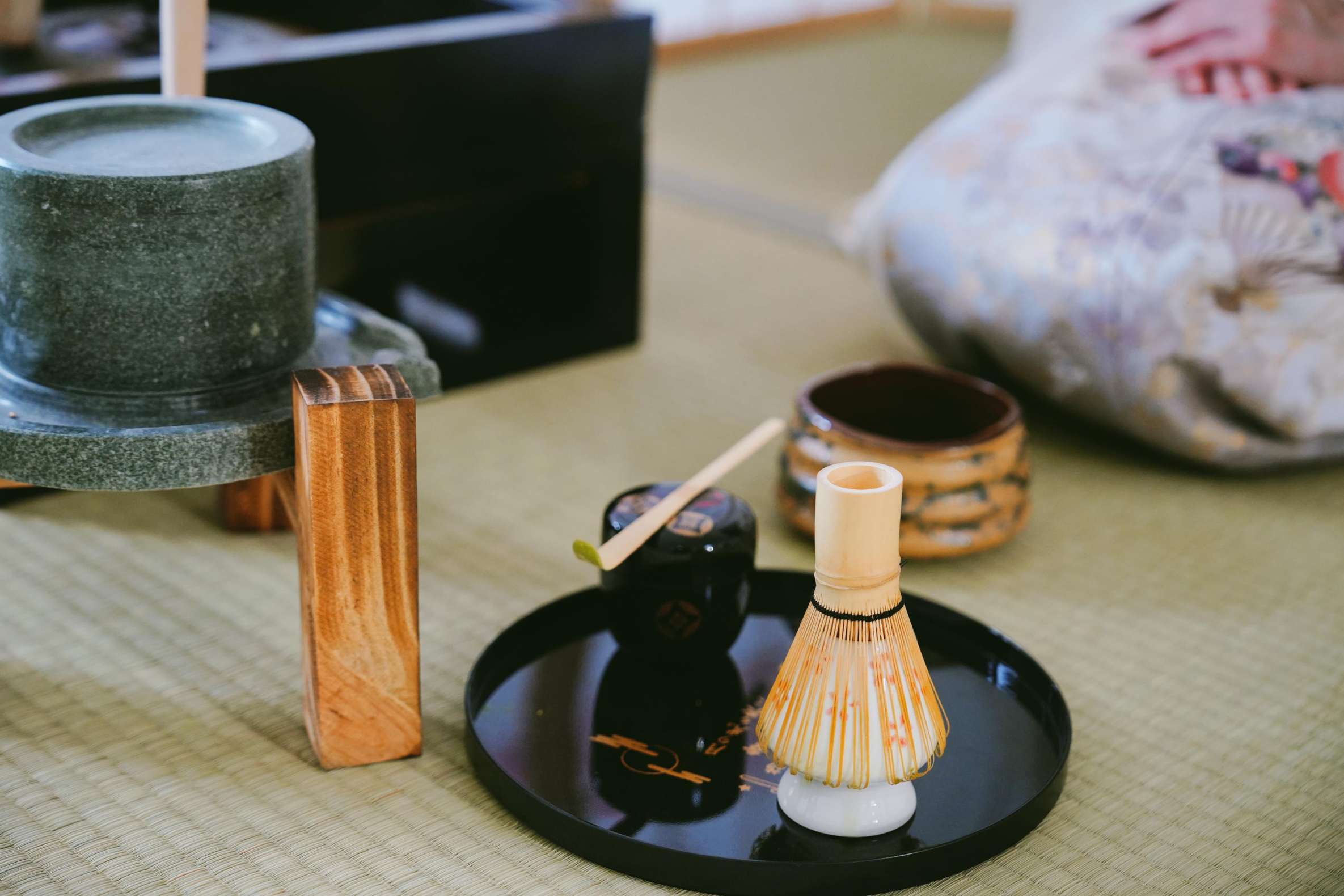
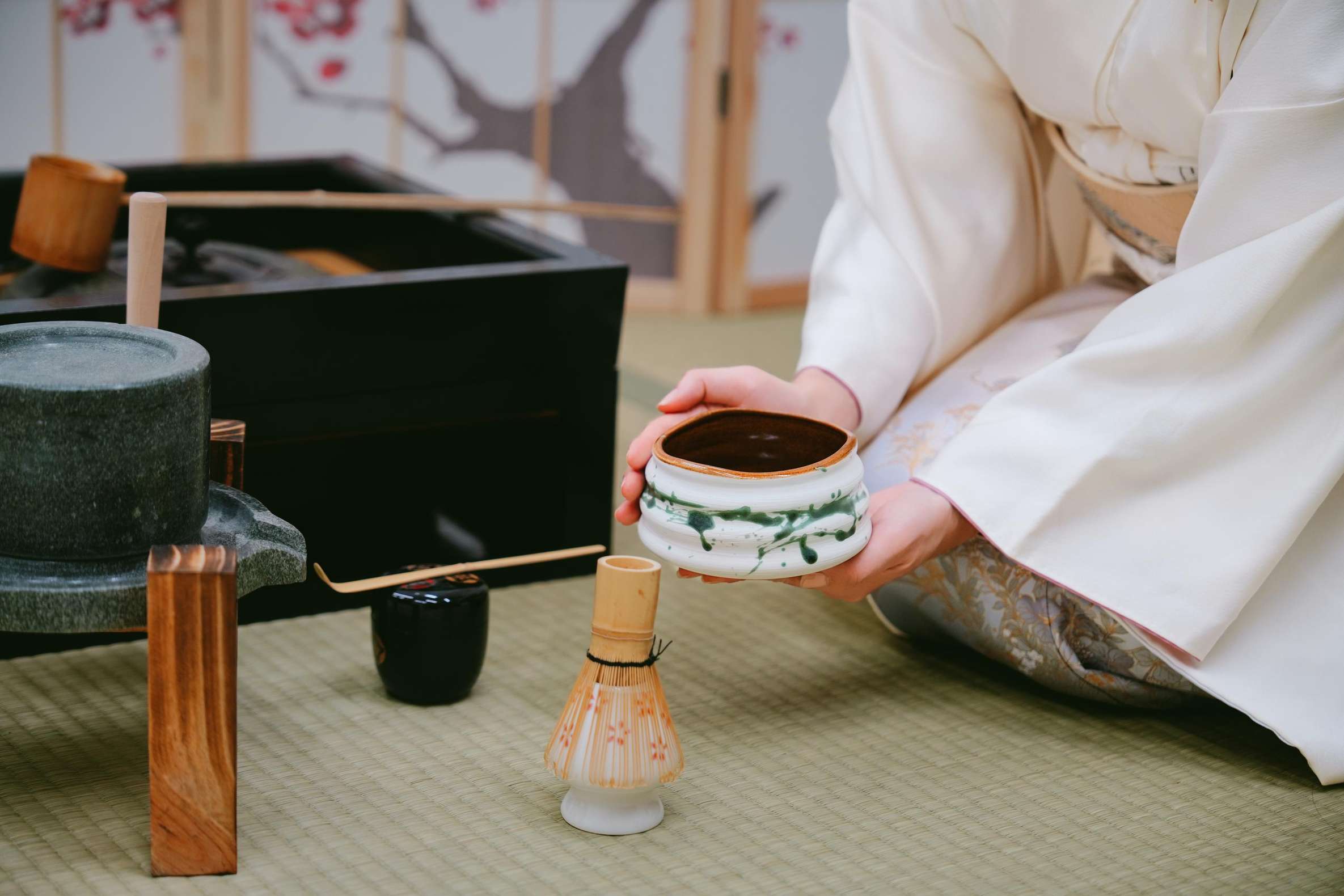
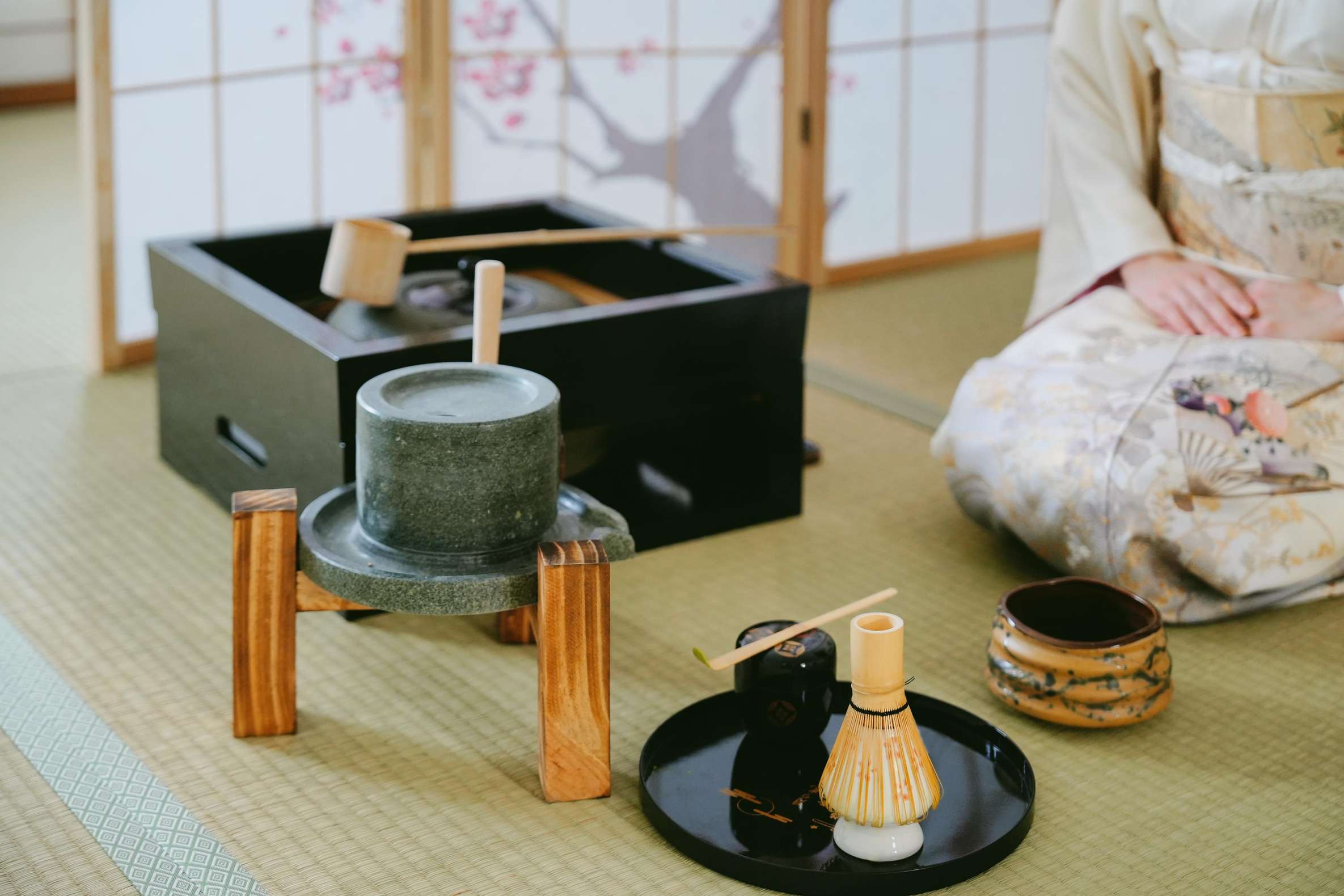
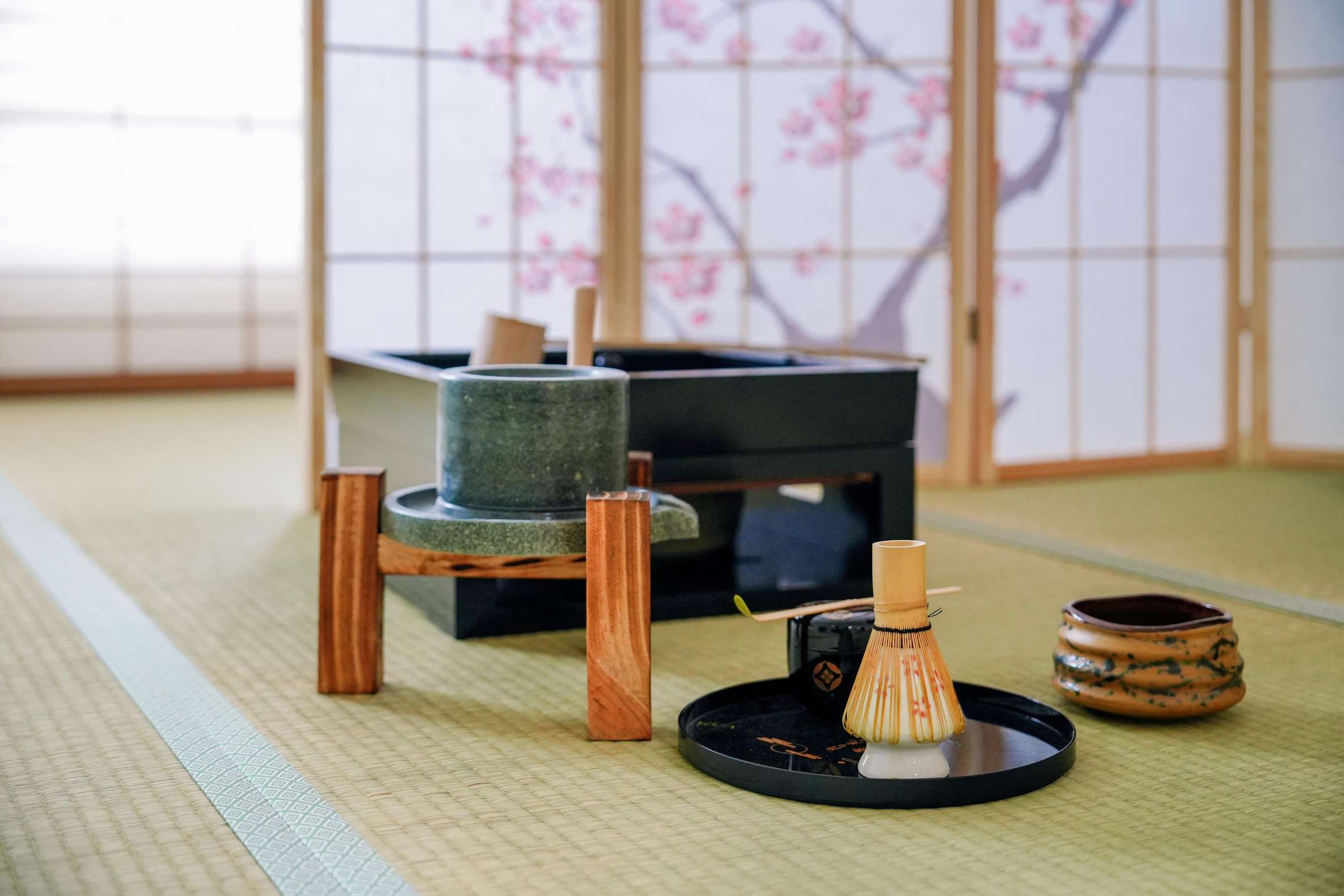
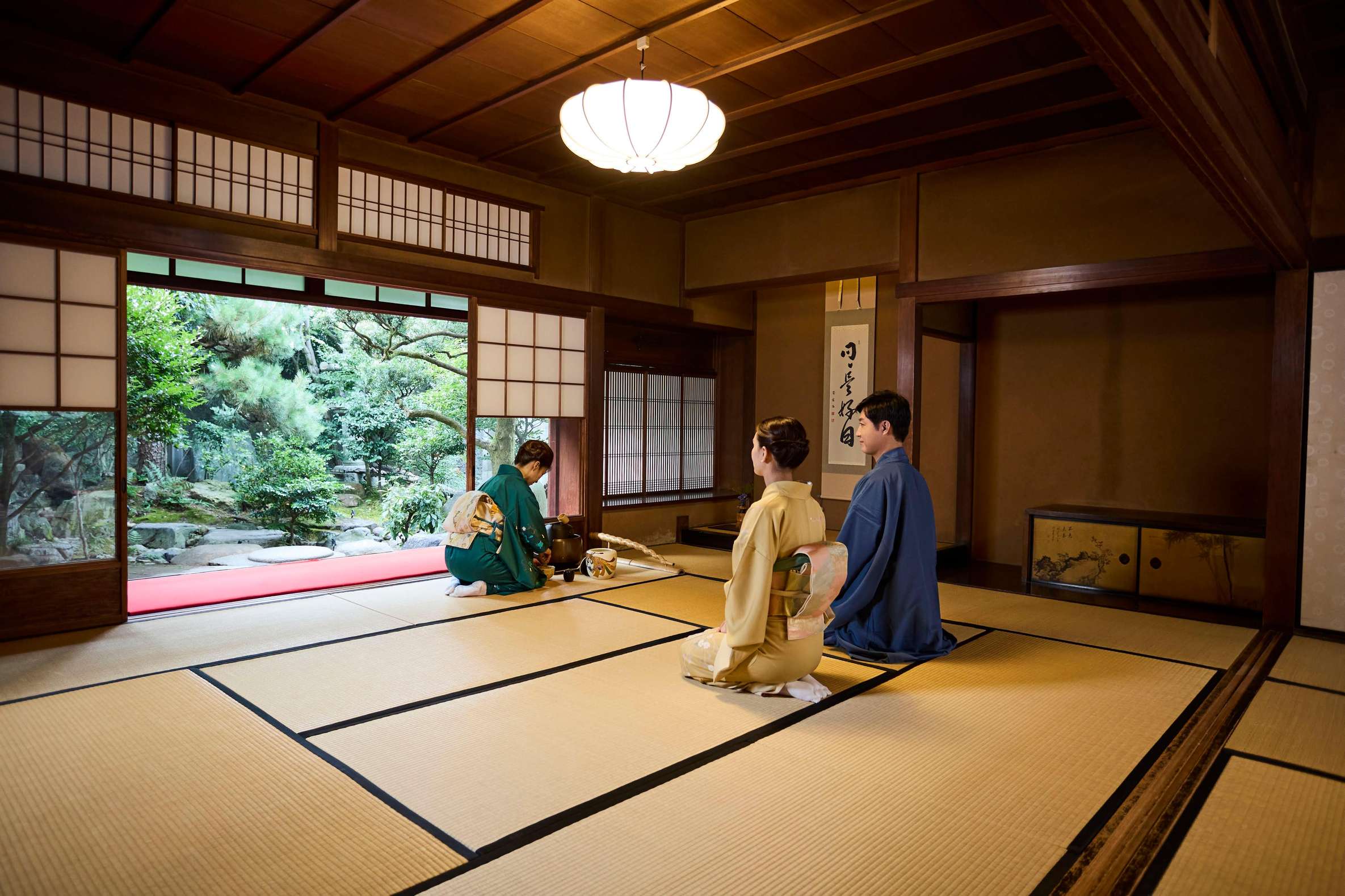
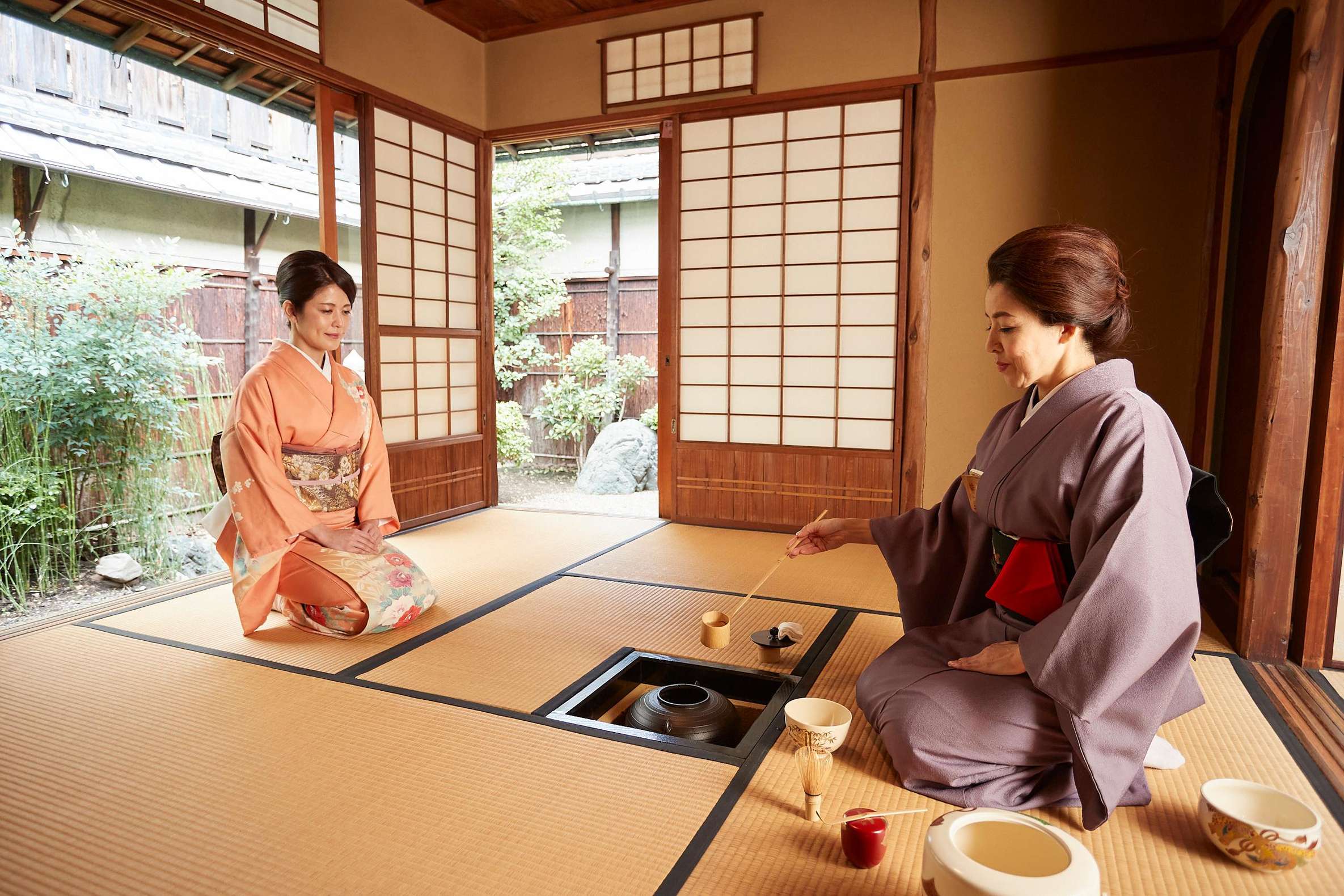
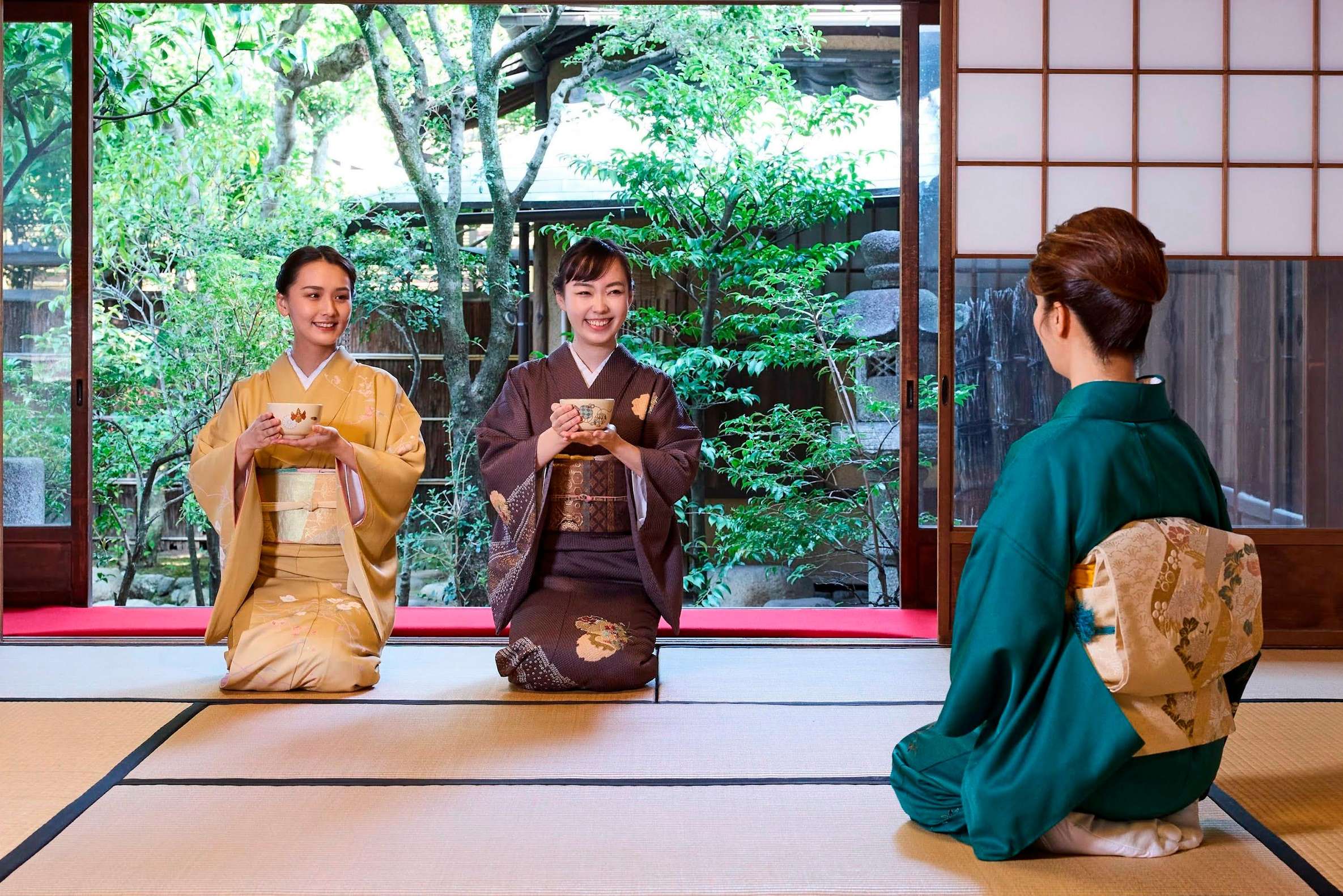
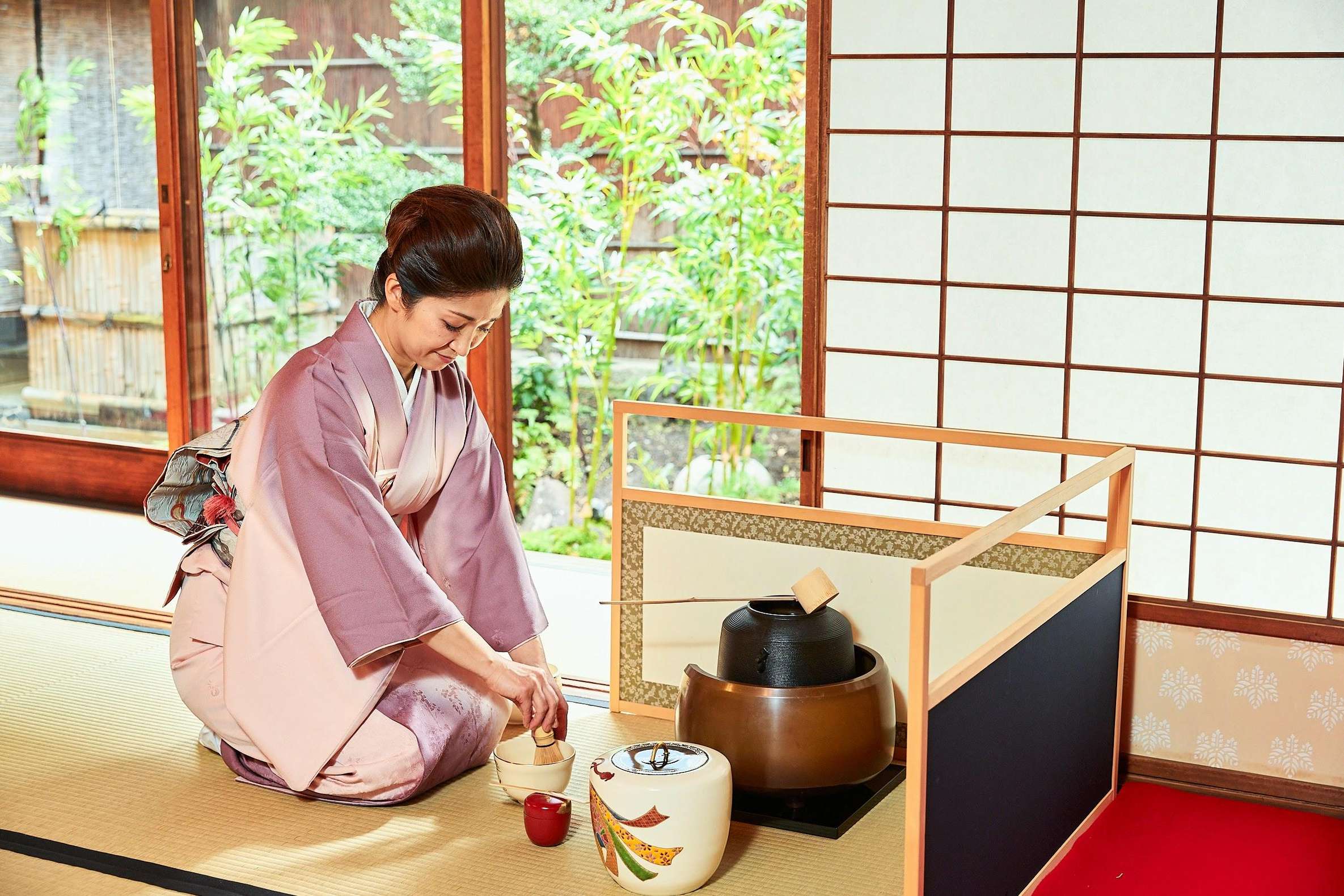
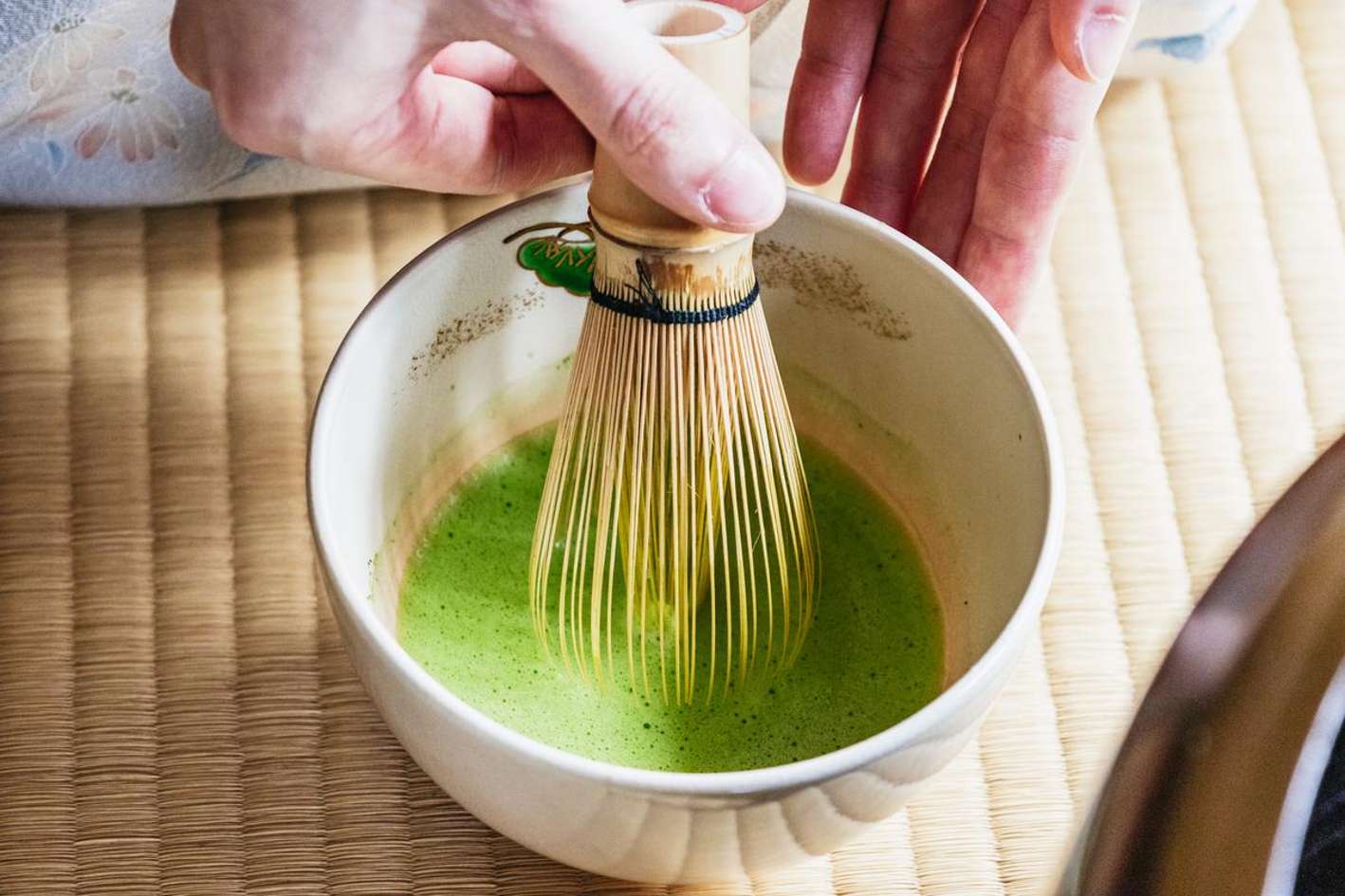
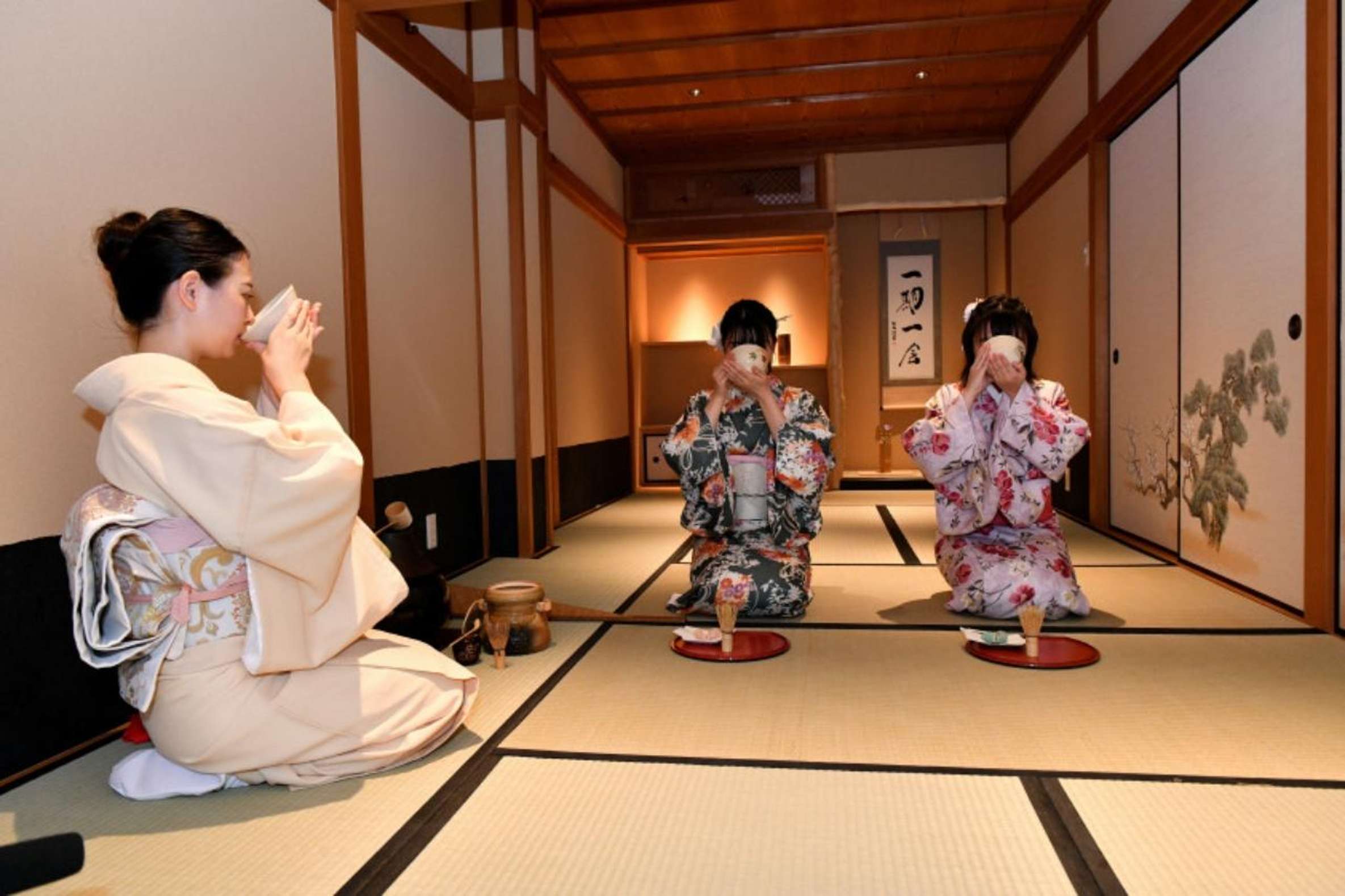
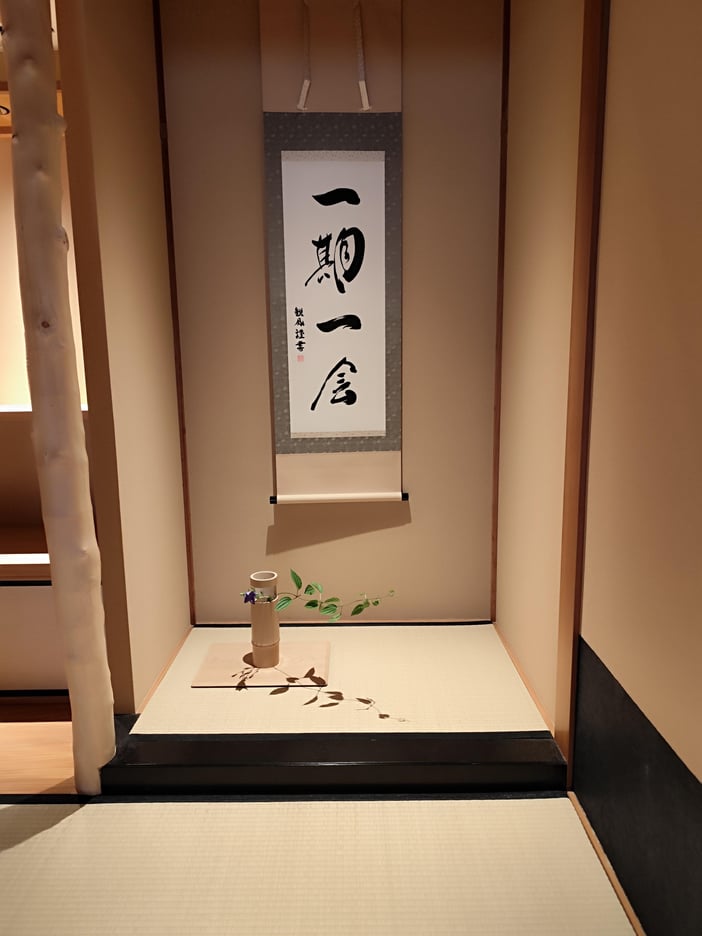
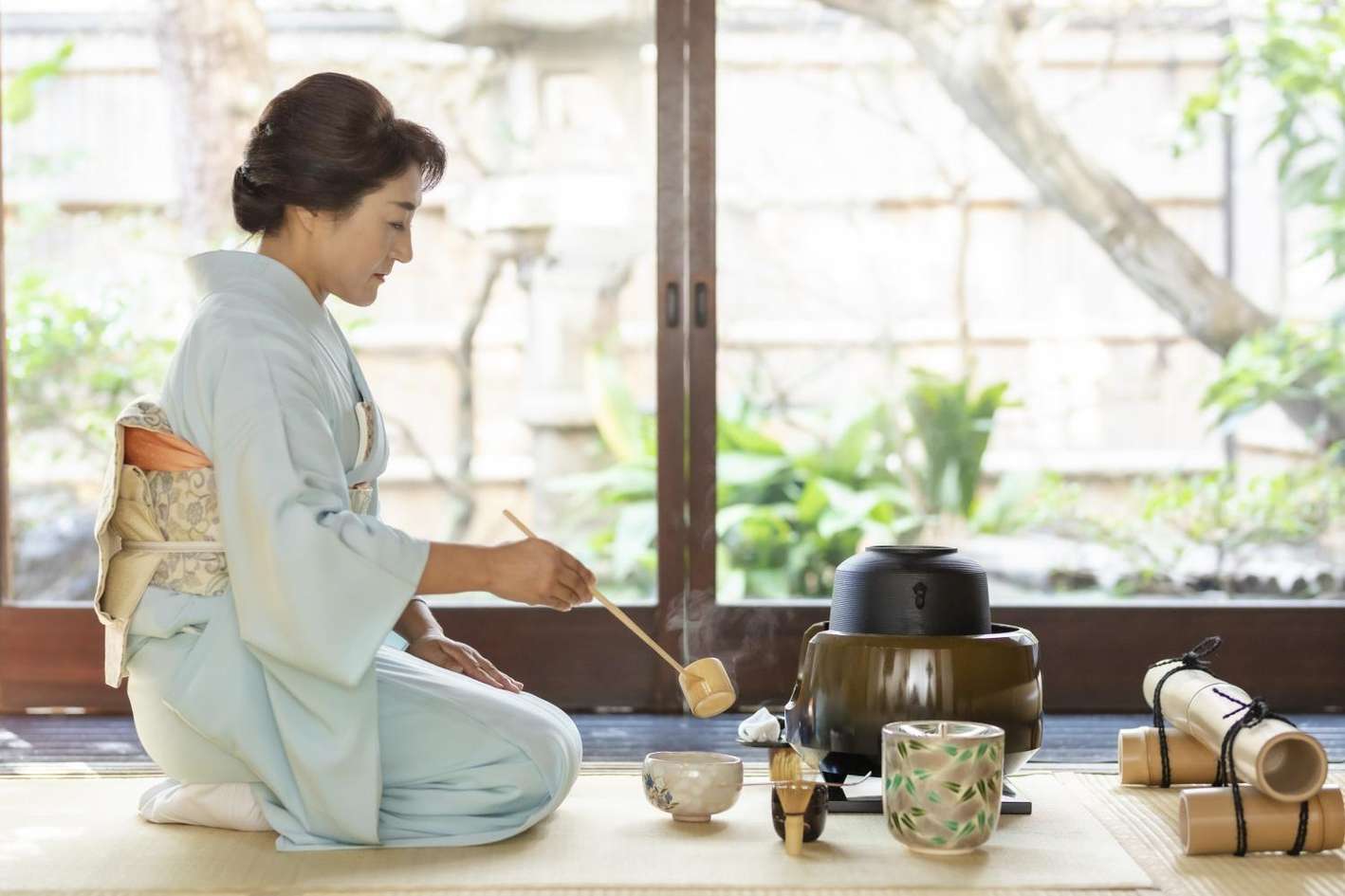
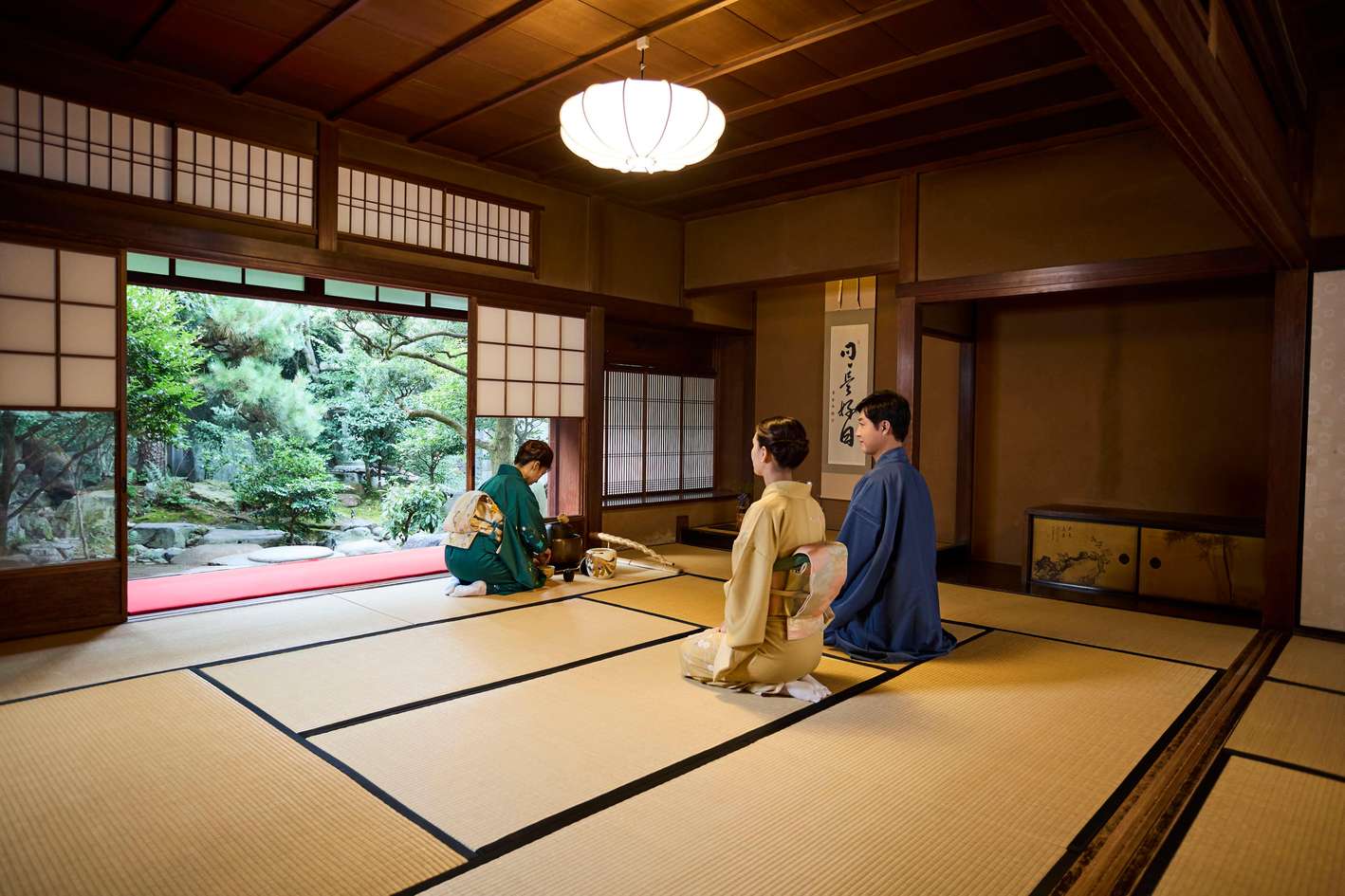
The moment that earns the photos is the tea room itself. An instructor guides you through the ritual of matcha, from the seasonal scroll and flower in the alcove to the bamboo whisk, and then you whisk your own bowl. The steps below walk through it in order.
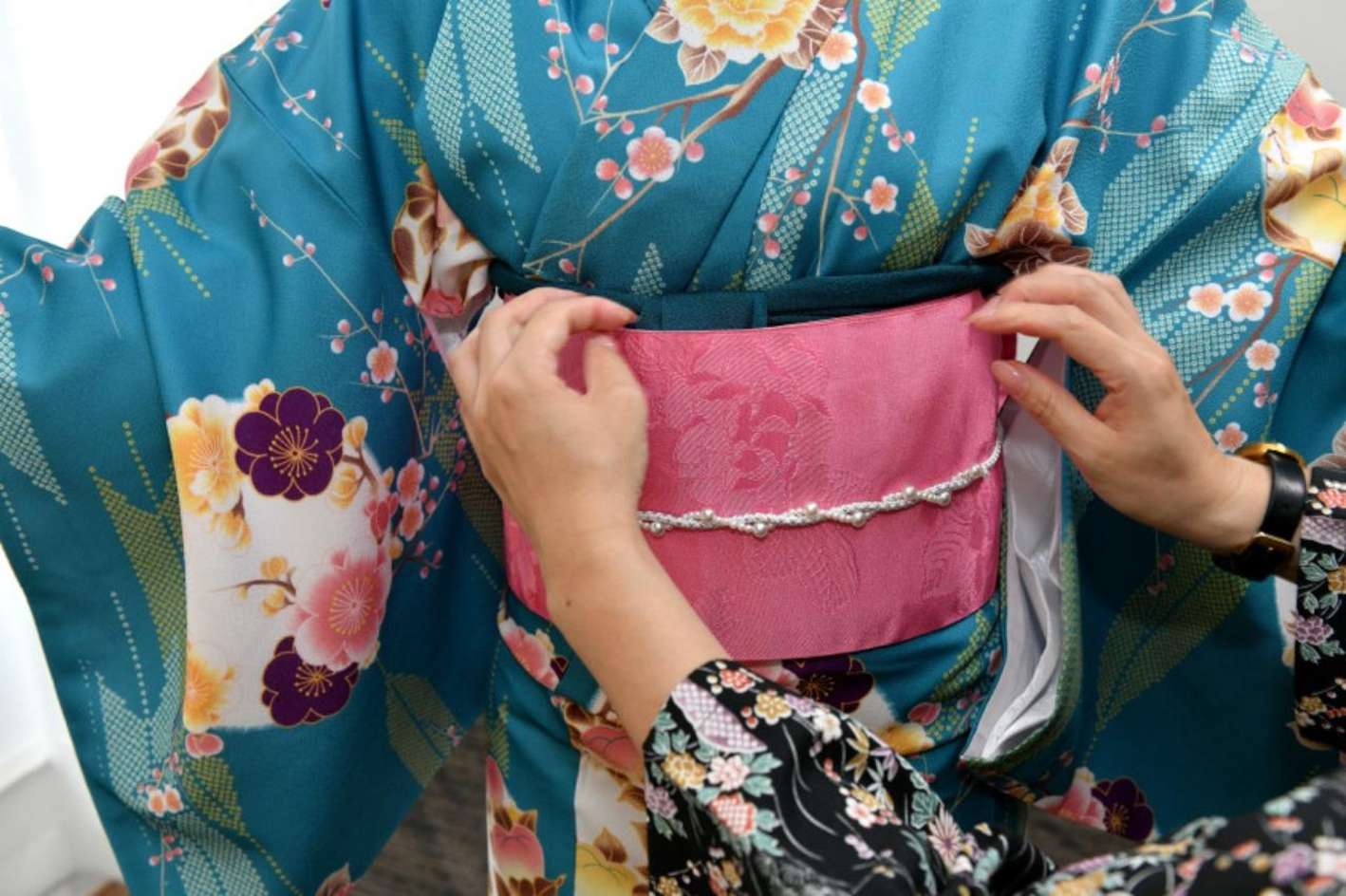
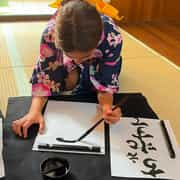
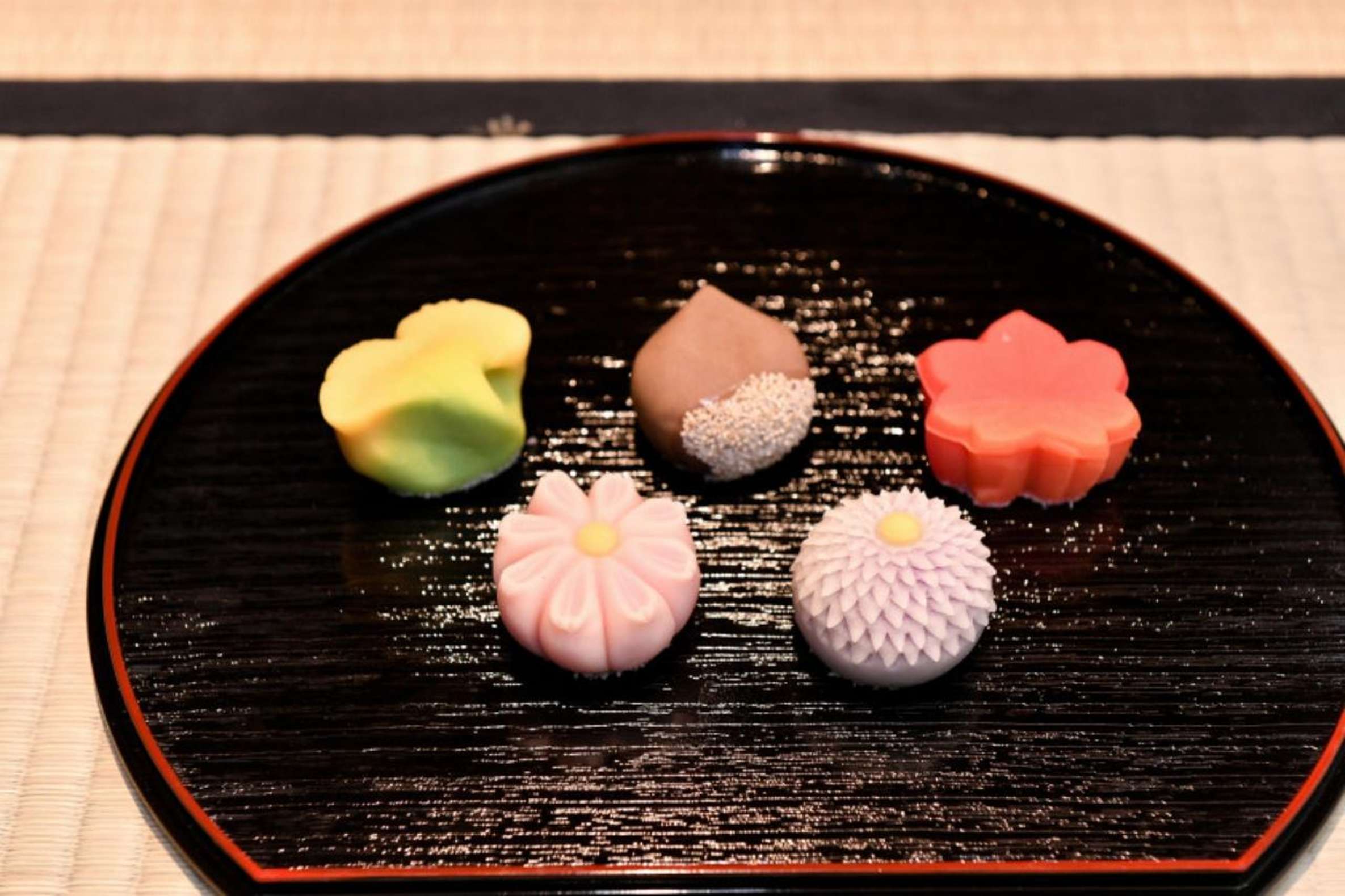
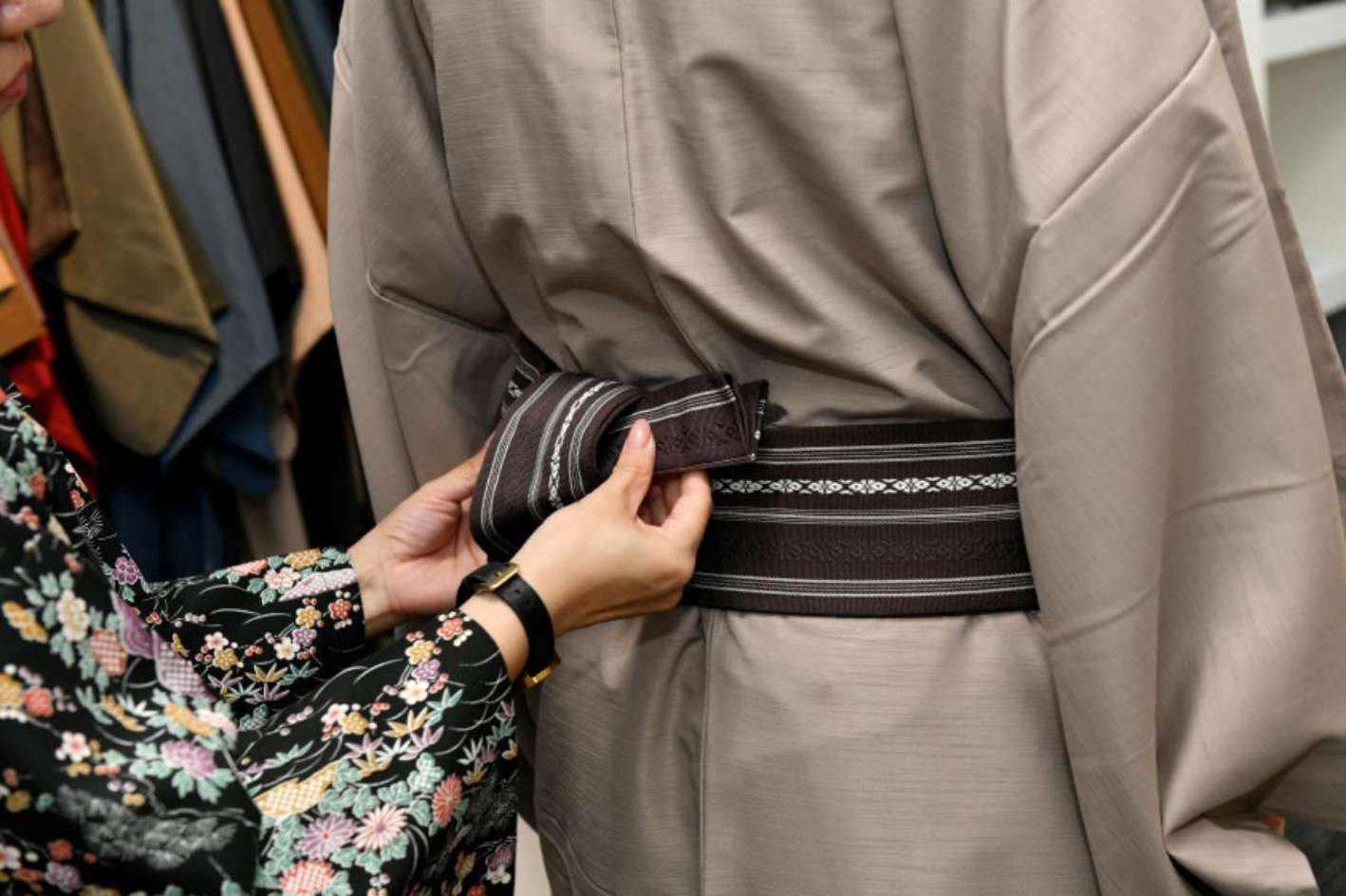
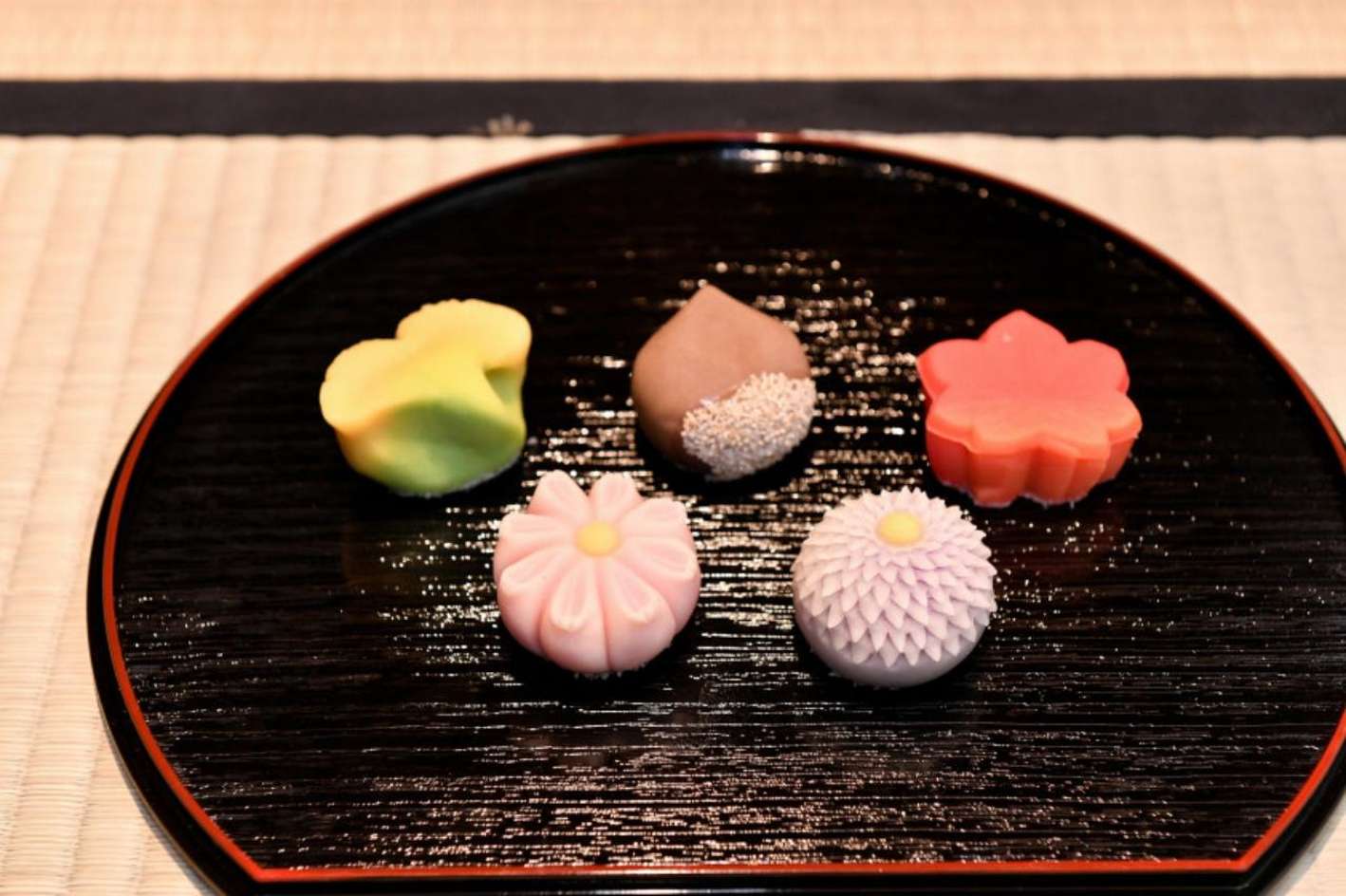
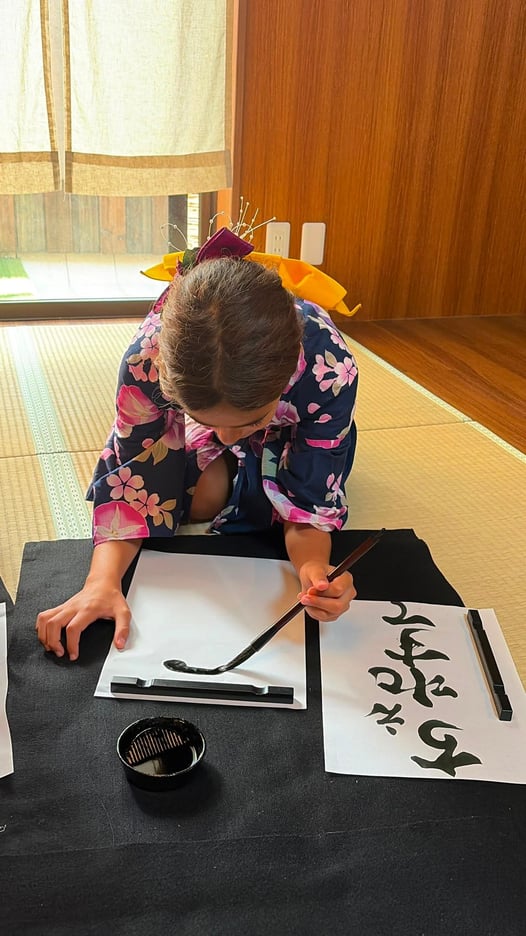
1Choosing your kimono· about 30 minStaff help you pick from over 200 designs and dress you, with simple hairstyling included for women. The whole experience is guided, so you don't need to know the etiquette.2Entering the tea room· about 10 minYou step into a quiet tatami room where the alcove holds one hanging scroll and one seasonal flower arrangement, a single line of calligraphy that greets you.3Watching the tea master· about 20 minThe instructor demonstrates the full ritual of preparing matcha, explaining the tools and the meaning behind each movement as you watch.4Whisking your own matcha· about 25 minYou take a bamboo whisk, or chasen, and prepare your own bowl of matcha with the master's guidance. You leave with a new skill in matcha preparation.5Sweets and wagashi· about 15 minYou taste your matcha alongside Japanese sweets from a century-old confectionery, which are eaten before the tea to balance its bitterness.6Calligraphy, on the 2-hour option· about 30 minThe longer option adds a Japanese calligraphy workshop where you write characters and take home artwork featuring your name.
Where the other tours go
Kyoto: Traditional Tea Ceremony with Matcha & Sweets in Gion
Snacks (Wagashi & matcha)Kimono Set RentalTea Ceremony Utensils RentalJapanese Calligraphy Set Rental (Only included when selecting the Japanese Calligraphy Experience option)Hairstyling (simple style)All Fees and Taxes
Which kimono tea ceremony in Kyoto fits your day
Green marks the lowest price. Prices per person.
Tour
Price
Duration
Languages
Best for
Our pick
Kyoto: Kimono Tea Ceremony at Orizuruya Gion
4.9★ (2,055)
from $49per person
1.5 - 2 hours
English
first-timers who want dressing, hairstyling and matcha in one Gion visit
Pro tipIn March, April and November, combined kimono and tea sessions sell out 2 to 4 weeks ahead, so book before you arrive
RecommendedWinter months from December to February are the quietest and easiest to book late
02
Choose the right option
Compare the options on the card. Some include kimono dressing, hair styling and the ceremony under one roof; others are ceremony only, with kimono rental as a separate add-on or a different plan.
Pro tipIf you want to stroll Kyoto in kimono after the ceremony, pick a full-day rental option, which lets you walk around town until late afternoon
Common mistakeFirst-timers book a tea ceremony without kimono, then wonder why there is no dressing slot
03
Check the venue layout
Read where the dressing happens. Some venues hold kimono selection, dressing and the ceremony in one building, while others split them across town, so you travel between shops in traditional footwear.
Pro tipKimono slows your stride and makes stairs and quick turns harder, so an all-in-one venue saves real time
Common mistakeWalking from one venue to another without allowing extra minutes in kimono
04
Pay and read the voucher
Payment goes through the booking platform, and the confirmation arrives by email. The voucher lists the exact meeting point and start time, so check it before you leave the hotel.
ImportantOn the tour near Kiyomizu-dera, your booked time is your shop arrival time, not the ceremony start, so allow about two hours for dressing and tea
Pro tipIf hair styling is included, arrive about an hour before the ceremony, or a little more for women
05
Prepare for the day
On the day, arrive a few minutes early, wear or bring clean socks, and skip the underwire bra, since the obi belt ties flat against the ribcage. Wear light, seamless underwear and a thin base layer with a low or wide neck.
Common mistakeWearing sandals or flip flops, which some venues ban outright
RecommendedIf you plan to keep the kimono on, note the return deadline, usually 5:30 pm at the same shop
What to know before you book a kimono tea ceremony
Can stop the dayGood to knowGood news
01
ChoosingWhat it is, who it suits, when to go
4
Included
The standard packages cover kimono or yukata rental, an obi belt, Japanese socks, traditional sandals, a Japanese-style bag, and simple hairstyling for women. Optional extras such as formal houmongi upgrades, makeup, hair accessories, or a haori jacket are added on at booking, not on site.
Kimono and walking
The obi sash restricts your stride, so expect to walk in short steps and move slowly. A bandage between the big and second toe saves the skin from sandal straps on a full-day stroll.
Luggage
Luggage storage is included with the tea ceremony and full-day kimono booking, so you can leave your bags and street clothes while dressed. One venue near Kiyomizu-dera does not take large bags at all.
Kimono return
Full-day rental plans need the kimono back at the shop by 5:30 pm on the same day. Plan your post-ceremony stroll so the return fits before the shop closes.
02
BookingHow far ahead, and what happens if plans change
2
Booking ahead
Kimono tea ceremonies in Kyoto sell out two to four weeks ahead during cherry blossom season and the November foliage peak. Book early for spring and autumn; winter dates are easier to find.
Cancellation
Every tour on this page lets you cancel up to 24 hours before the session for a full refund. That gives you room to shift plans if the weather or your schedule turns.
03
Before you goPapers, health, what to bring
3
Socks
Shoes come off at the entrance, and bare feet are not welcome on tatami. Any clean, hole-free socks work, though white socks remain the traditional courtesy and formal tea ceremonies ask for them.
What to wear under
Wear light-colored, seamless underwear and a thin, close-fitting base layer. A flat, wireless bra or bralette works best; underwire digs into the ribs under the tied obi and padding disrupts the silhouette.
Age and healthCan stop the day
The Kiyomizu-dera full-day kimono package does not accept children under 7, and pregnant guests cannot wear a kimono or join the ceremony because of the restrictive dressing and sitting posture. Most venues set a minimum age of 6 or so.
04
On the dayWhere to be, when, and how you get there
1
Arrival times
The time on your booking is your arrival time at the shop, not the ceremony start. Dressing and hairstyling take about an hour, so the whole package runs roughly two hours before the tea bowl is in your hands.
05
During the tourWhat is expected of you
2
Photos
Flash photography is banned in some tea rooms, and video recording is prohibited at certain venues. One townhouse ceremony forbids flash outright, so keep your camera still and quiet.
Tipping
Tipping is not part of the tea tradition in Kyoto, and no session on this page expects it. A polite thank you to the tea master at the end is the right gesture.
The steps to booking a tea ceremony and kimono experience in Kyoto
A tea ceremony and kimono experience in Kyoto is a small booking that shapes a whole day: the neighborhood, the socks, the dress rules and the half-hour buffer all count. You can get all of it right in one read.
Kyoto· 35.00° N, 135.77° E
If you only remember three things
1
Book 6 to 8 weeks ahead for a plain tea ceremony in cherry blossom season and November, or 2 to 4 weeks ahead for a combined kimono and tea package in the same peaks.
2
Wear clean socks, because bare feet are not allowed on tatami, and take off rings and watches before handling the tea bowls.
3
Arrive 30 minutes before the start time at the latest, because doors lock at the start time and late entry is denied.
A simple guide to dressing in kimono for a tea ceremony in Kyoto
Kyoto tea ceremony bookings peak during the spring cherry blossom season and the autumn foliage season, when popular slots fill up in advance and walk-ups are unreliable. Winter months from December to February stay the quietest.
6 to 8 weeks ahead is the general tea ceremony rule across Japan in cherry blossom season and November, while combined kimono and tea packages sell out 2 to 4 weeks ahead in the same peaks.
The two timelines count different things: the first covers tea ceremony bookings in Japan during those peaks, the second covers the combined kimono and tea package specifically.
If a historic Gion location is fully booked, central Kyoto venues often have short-notice openings.
Tour for this
Kyoto: Traditional Tea Ceremony with Matcha & Sweets in Gion4.8★ (778) · 1 - 2.5 hours · Free cancellation
What a kimono tea ceremony in Kyoto actually includes
An introductory group session in a Kyoto townhouse seats around a dozen participants and lets you talk with an English-speaking host. A tea master demonstrates authentic tea preparation, then explains the history, meaning and traditional utensils.
You learn the essential greetings, practical etiquette and how to drink matcha properly, and you hear the philosophical teachings of Sen no Rikyu, including the Four Rules and Seven Principles. Some sessions pair you with another participant to serve and taste each other's tea.
The sweet comes first, and the tea follows. Traditional Japanese sweets are eaten before sipping the tea to balance the natural bitterness of ceremonial matcha. Kimono dressing adds time to the session, so the standard 45 to 60 minutes becomes a longer visit when you book a package that includes dressing.
The area around Kiyomizu-dera and Higashiyama has sloping stone lanes, and the path climbing toward Kiyomizu-dera is a steep uphill route through dense pedestrian crowds.
Nishiki and central Kyoto sit downtown in the shopping and food area, on flat ground with no stairs or steep slopes, and Nishiki venues often have short-notice openings when Gion is fully booked.
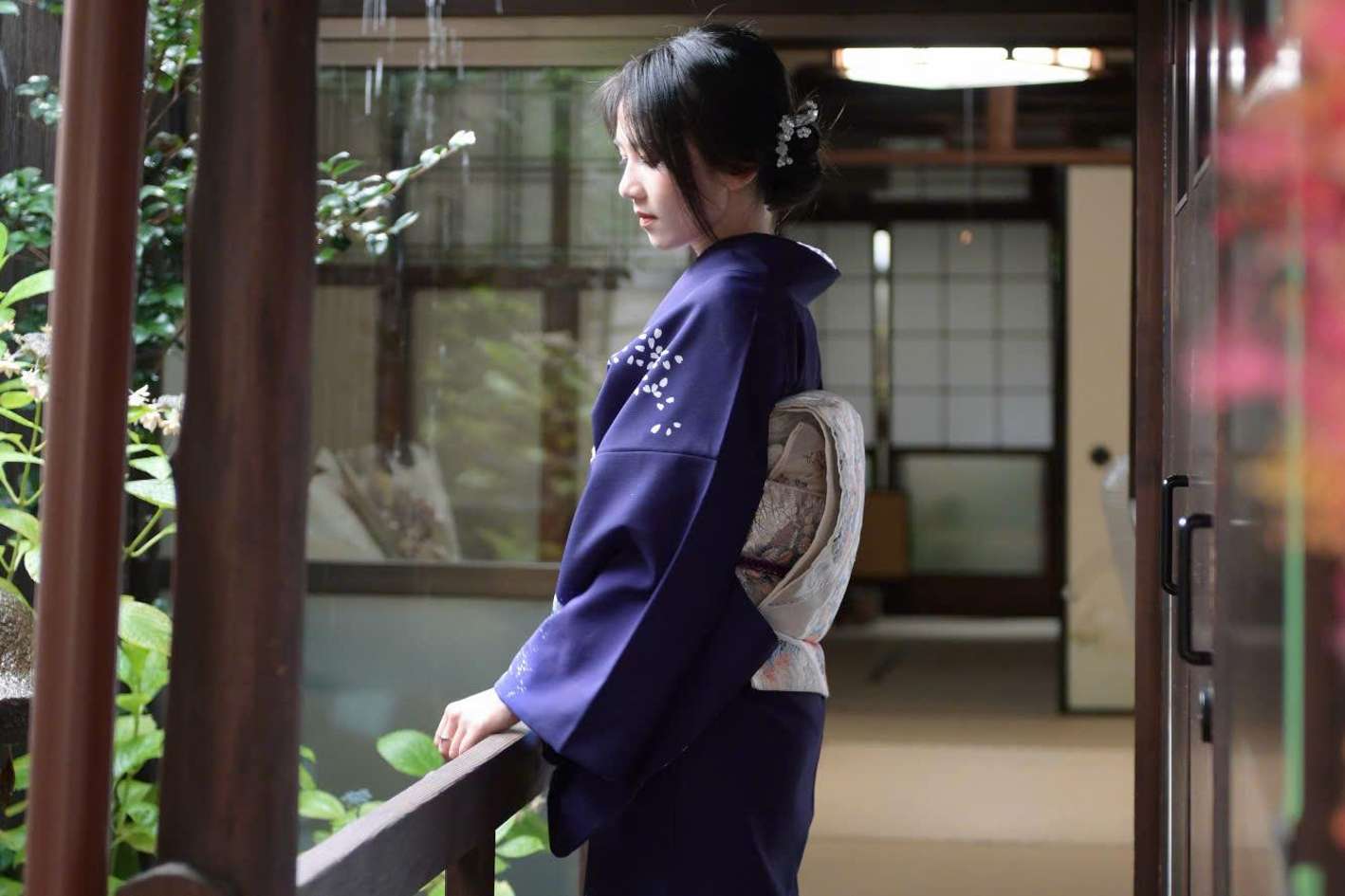
Intense crowds in tourist districts like Ninenzaka and Gion mean many public side alleys are closed or packed. If you want to walk the lanes in kimono after the ceremony, the neighborhood matters as much as the room.
Kimono studio photos, all-day strolling, or a private townhouse?
Some combined kimono and tea ceremony packages keep the kimono on site for the duration of the ceremony, so you hand it back at the end. Assuming that every package includes street rental privileges leads to disappointment, so read the details on the booking.
A full-day street package lets you keep the kimono on while you walk around Kyoto for the rest of the day, as long as you return it before closing.
The 100-year-old Kyo-Machiya townhouse plan returns kimonos to the Gojo shop by 5:30 pm on the same day, and a kimono rental option in Gion lets you keep the kimono until 5:30 pm.
If you want full-day outdoor walking, professional hair styling and street photos, renting separately from a dedicated kimono shop and wearing it to a tea ceremony booking often brings better garment quality and selection for outdoor walking.
A fully private machiya booking reserves the whole townhouse for your group with no other guests, and it runs 45 minutes to 1.5 hours, with a 125-year-old house nine minutes from Kyoto Station on one of the private session options.
Getting to your kimono tea ceremony from Kyoto Station, bags and all
Kimono tea ceremonies in Gion and southern Higashiyama are easy to reach from Kyoto Station by rail, and the buses are the slow part.
Take the JR Nara Line one stop to Tofukuji Station and transfer to the Keihan Main Line for Gion-Shijo Station or Kiyomizu-Gojo Station, a rail connection of about 15 minutes.
For northern Higashiyama, take the Kyoto City Subway Karasuma Line to Karasuma Oike Station and transfer to the Tozai Line to Higashiyama Station, roughly 15 minutes. Walking directly between Kyoto Station and central Gion covers 2.8 km, and the city bus is frequently stalled by heavy traffic.
On luggage: storage is included with the tea ceremony and full-day kimono rental booking, but luggage or large bags are not allowed at the garden tea house near Kiyomizu-dera. Leave the suitcase at the station or hotel, and take only the small bag you need.
What to wear under your kimono, and what not to wear at all
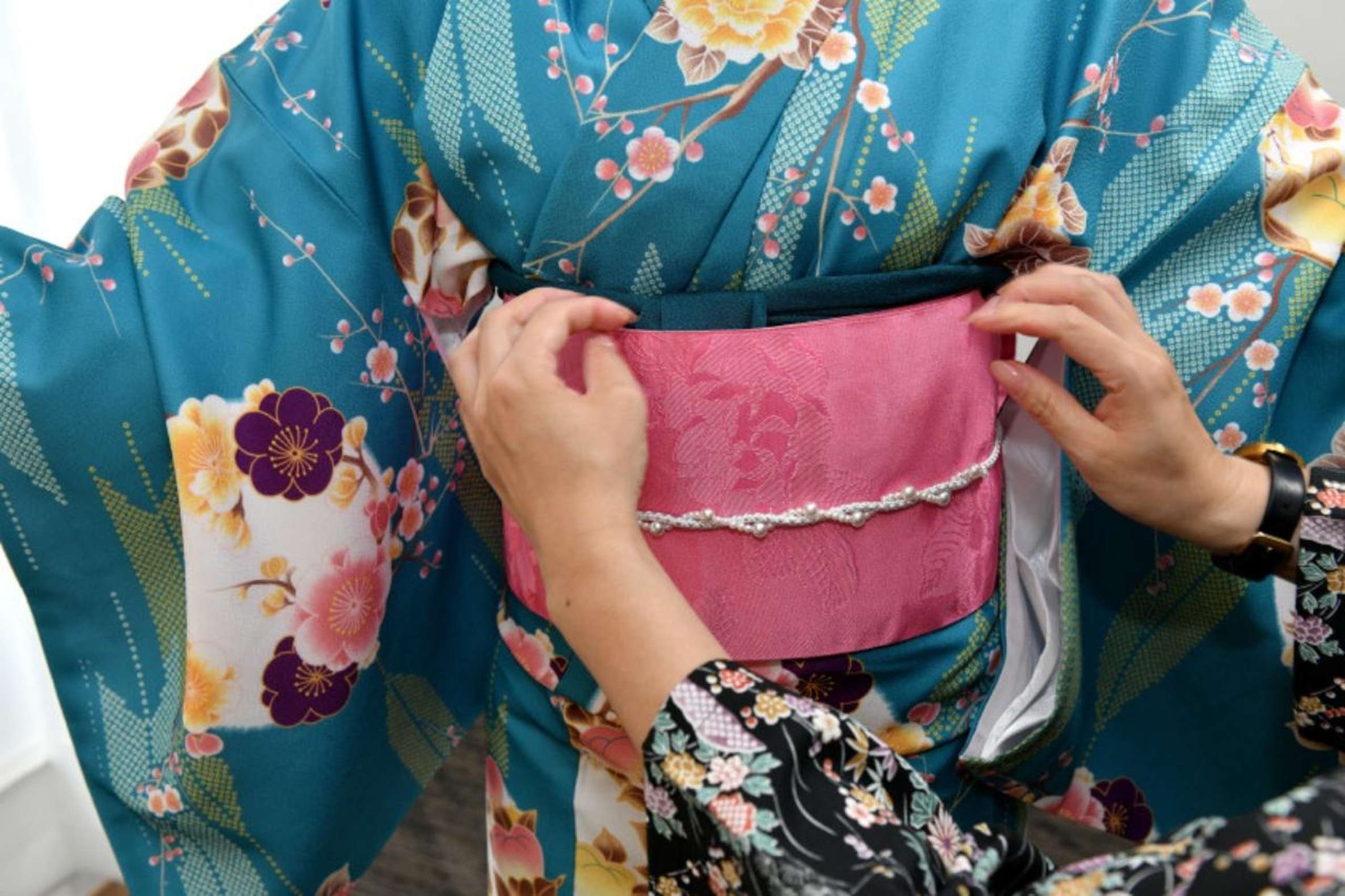
Standard underwire or padded bras should not be worn with a kimono, because underwires dig into the ribcage under the tied obi belt and push-up padding disrupts the flat silhouette.
Go without a bra or wear a flat, wireless style such as a kimono bra, a non-wire sports bra or an unpadded bralette. On dressing day, light-colored, seamless underwear works best under the layers, and a thin, close-fitting T-shirt or camisole with thin shorts or leggings makes the base layer to bring.
Bare feet are strictly prohibited on tatami, so you wear clean socks or stockings. White socks are the traditional courtesy, and tabi split-toe socks are provided with kimono rental packages.
Rings and watches come off before handling the tea bowls, because they can scratch or crack the ceramics. Heavy perfume or cologne is discouraged, since the scent of matcha is part of the sensory experience for the whole room.
On sizing: standard kimono shops typically accommodate women up to 175 to 180 cm and men up to 195 to 200 cm in height, and standard garments fit waist and hip measurements up to roughly 100 to 105 cm, with one operator accommodating hip circumferences up to 130 cm on its extended offerings.
Tourist dress-up packages often style guests in apprentice maiko aesthetics with bright furisode sleeves, while mature geiko wear the more subdued attire.
Knees, kids and kimono dressing, who can sit through it
Seats and stools can be provided for those not comfortable sitting on the floor in the traditional position at Jotokuji Temple.
Those who prefer not to sit on the floor can sit on a small chair during the 100-year-old townhouse tea ceremony, and bamboo chairs are available on advance request at one venue on Karasuma Shijo. Some venues run ceremonies in the Ryurei style using Western-style chairs and tables.
Age rules vary by venue. Children aged 6 and younger are not permitted at one operator near Kiyomizu-dera, children aged 4 and younger are not permitted at the tea ceremony at Jotokuji Temple, and children aged 5 and younger are not permitted at one shared operator's session or the Gion tea ceremony.
The 100-year-old Kyo-Machiya townhouse tea ceremony is suitable only for guests aged 10 and above. Since these limits can stop the visit, check the age policy with the tour operator before you book.
Kimono dressing is not suitable for pregnant women at some venues, because the restrictive dressing and the traditional sitting posture are not advised for pregnancy. The 100-year-old Kyo-Machiya townhouse tea ceremony and kimono experience is not suitable for pregnant women, and neither is the tea ceremony with kimono experience featuring a garden and studio.
Wheelchair users should know that the 100-year-old Kyo-Machiya townhouse experience is not suitable for wheelchair users and prohibits electric wheelchairs. In old Kyoto homes, staircases to the upper floor are typically steep and narrow, alongside a raised entrance step at the genkan.
Tour for this
Kyoto: Kimono, Tea Ceremony with Japanese Garden and Studio4.7★ (180) · 40 minutes - 1 day · Free cancellation
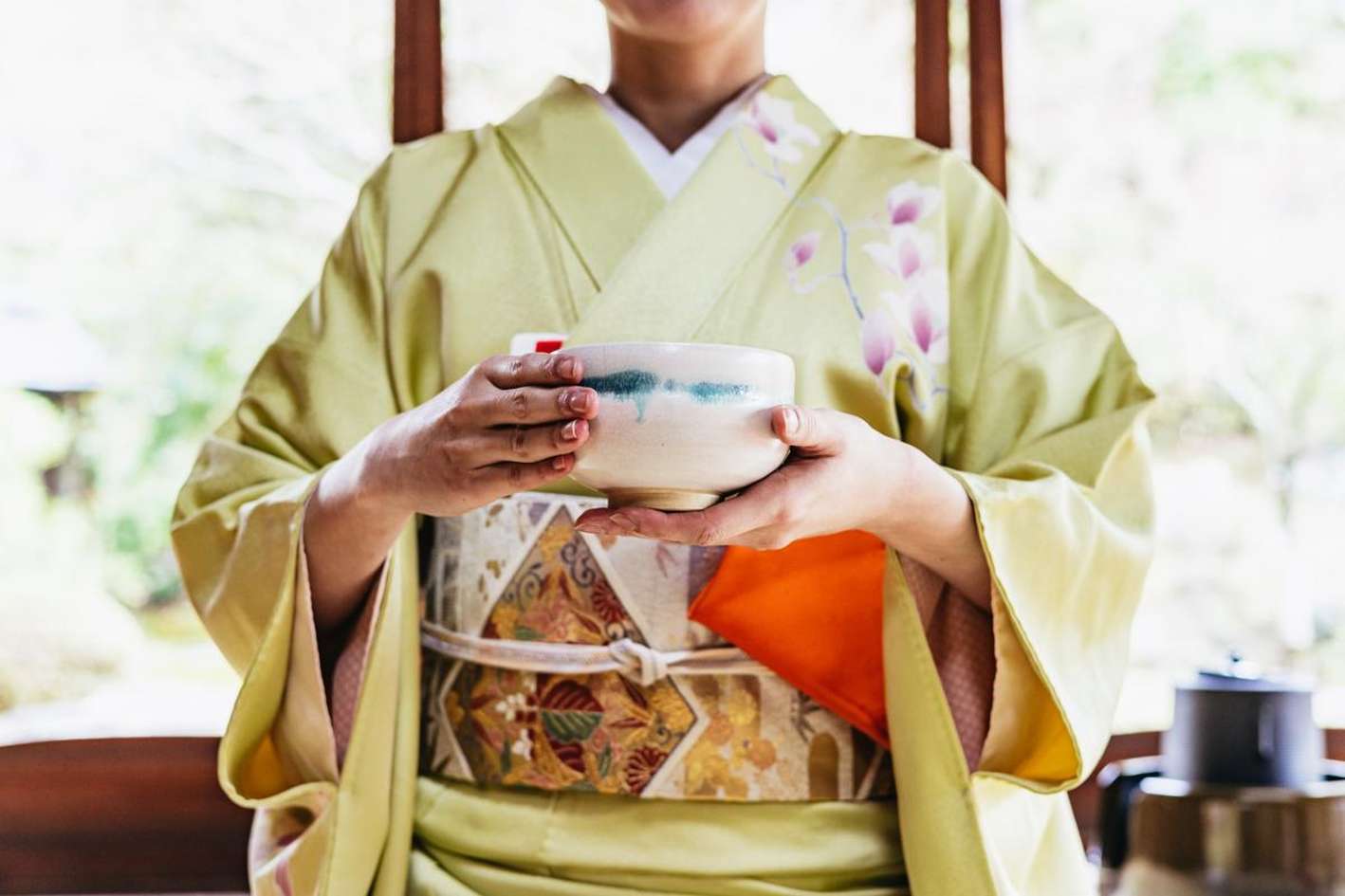
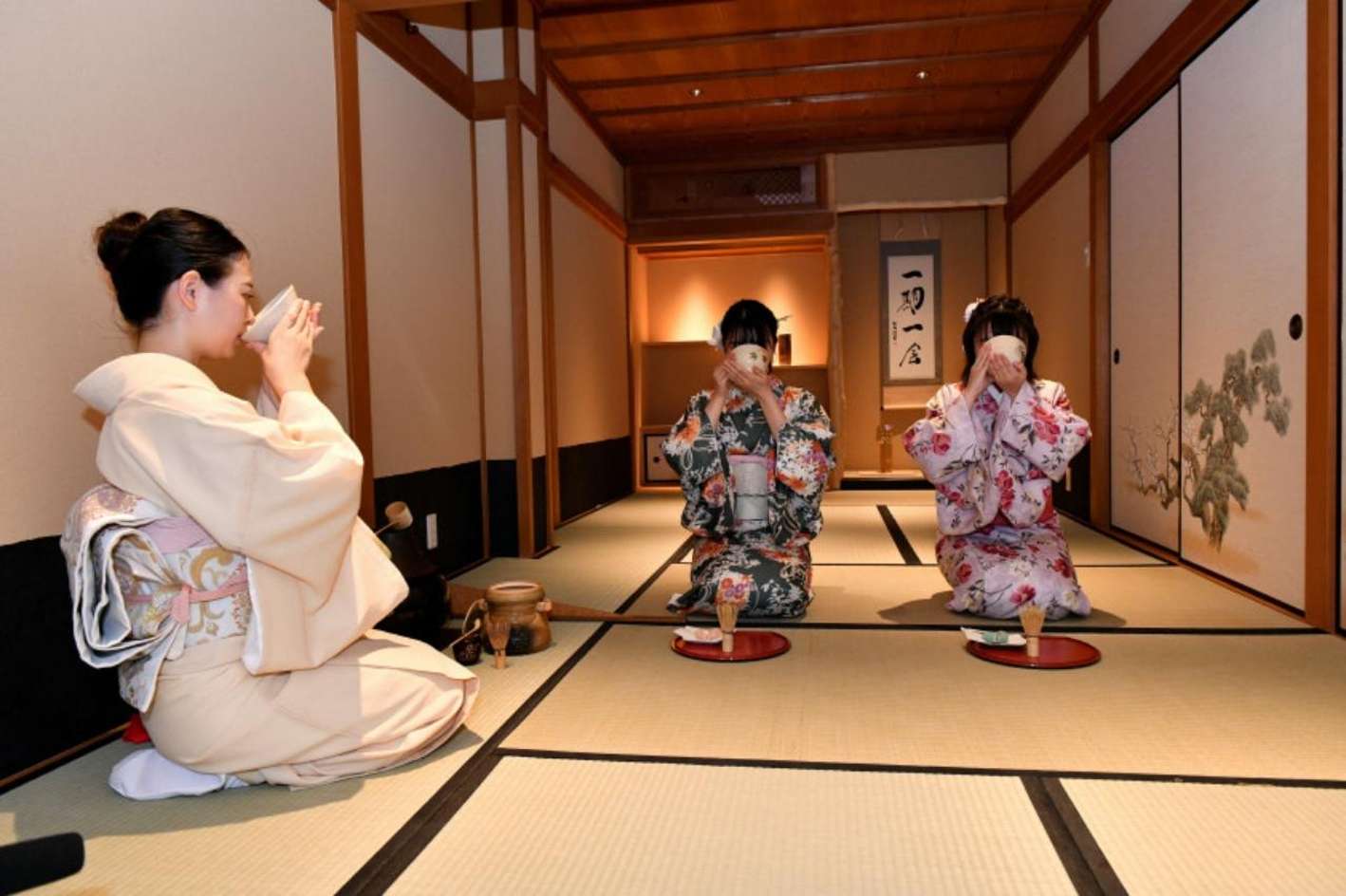
Hold the tea bowl at waist height and rotate it 90 degrees clockwise before you take a sip. You lift the bowl to show respect to the tea master and turn it slightly away from its front, so you drink from its side.
After finishing the tea, wipe the rim where you drank using the thumb and index finger of your right hand, then clean your fingertips on kaishi paper.
When you examine the bowl, hold it close to the floor, resting both elbows on your knees and holding the vessel with both hands.
The room itself carries the ritual. Shoji screens are fragile and can tear or warp if handled roughly, so lean against nothing. Stepping on the cloth border of a tatami mat is avoided out of respect, because the borders historically signaled social rank and bear family crests.
The crawl-in entrance, the nijiriguchi, is built small so that guests of all social ranks must humble themselves before taking tea, and Sen no Rikyu designed it so it would not interfere with the light admitted by the window.
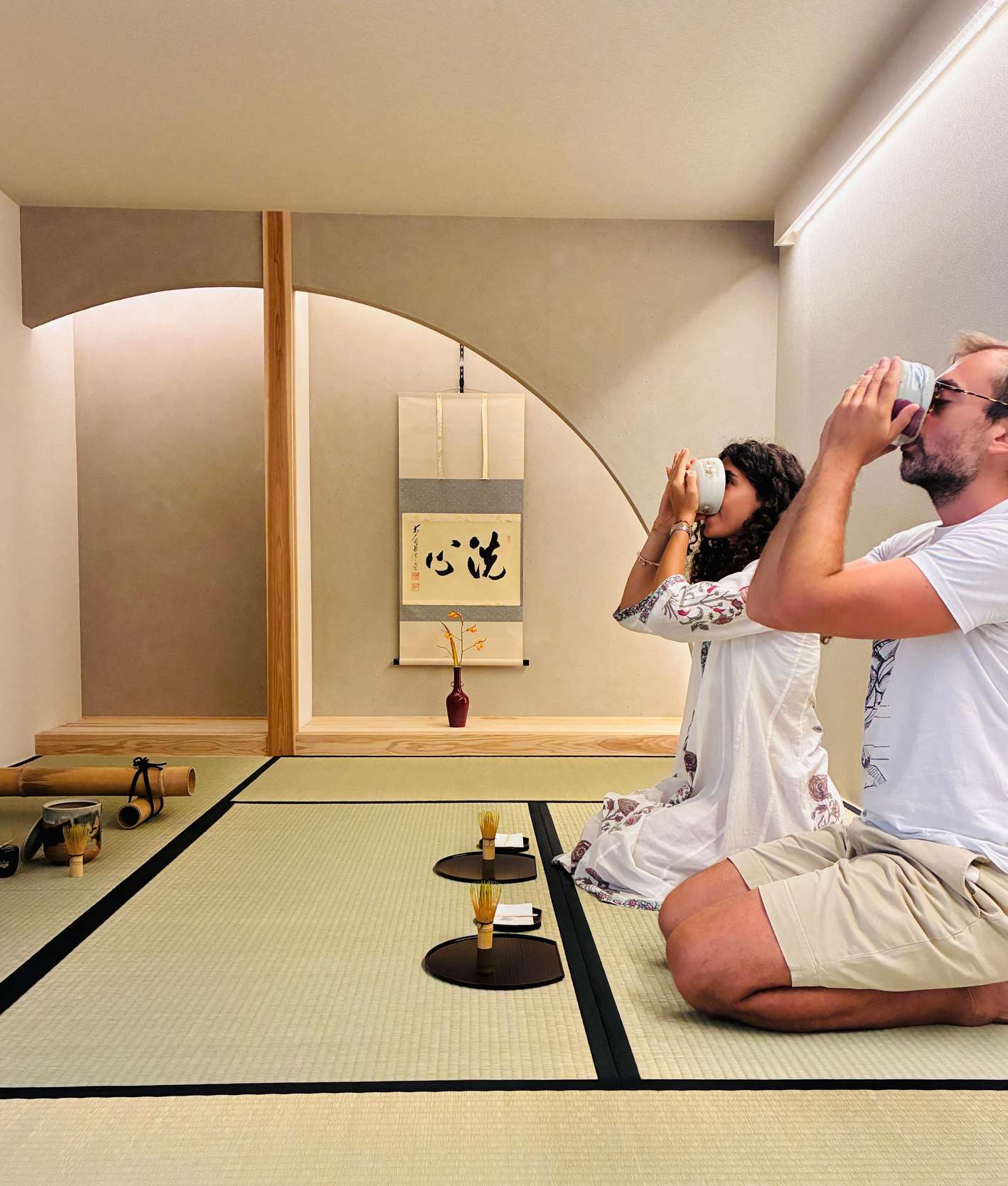
In the alcove, one scroll and one flower arrangement mark the aesthetic of imperfection, transience and humility. A single flower or line of calligraphy conveys a warm welcome to the guests, and the short-lived nature of the flowers reminds the room of the transience of seasonal beauty.
The rows below gather the three points first-timers miss most often.
"What first-timers don't know"
Hosts expect beginners
small etiquette slips are routinely overlooked
Turn the bowl 90 degrees
you drink from its side
One scroll, one flower
the alcove's welcome is the quiet meaning of the room
None of these slips end the visit, so you can book a beginner session without studying etiquette first.
Tour for this
Karasumashijo: Kimono Tea Ceremony with Matcha and Sweet4.9★ (754) · 1.5 hours · Free cancellation
Kimono, matcha, and whether you will actually like it
Pure ceremonial matcha is intensely strong and bitter compared to sweetened Western matcha drinks, so the sweet comes first for a reason.
Traditional Japanese sweets are eaten before sipping the tea to balance the bitterness on the palate, and the portion you drink is only a few small sips. Drink your matcha immediately upon receiving it, so the freshly whisked powder does not separate from the warm water.
On caffeine: Japanese tea ceremonies use concentrated matcha and no decaffeinated alternative tea is served, because the foundation of matcha relies on green tea powder. Travelers who are pregnant or caffeine-intolerant can notify the host in advance and take a tiny courtesy sip or ask for plain hot water.
Wagashi sweets are not inherently gluten-free, and wheat, soy and nuts are common ingredients that can also pose cross-contact risks from shared equipment. Soybeans appear in ingredients such as kinako, and wheat can be present in cakes, wafers or sauces. For a serious allergy, verify the wagashi ingredients with staff and review the original label.
Kids may wrinkle their noses at the bitter flavor, and kid-friendly ceremonies often provide alternative drinks and shorter formats. Travelers who do not typically enjoy green tea can still attend and enjoy the kimono dressing and the ritual atmosphere.
Flash photography is not permitted during the tea ceremony in the Kyo-Machiya townhouse, and video recording is prohibited at certain tea ceremony venues. Some venues that host apprentice geisha or tea demonstrations permit photos during the session but prohibit guests from posting those specific images to social media.
Outside, the light and the crowds have their own clock. Early morning between 7 am and 8:30 am gives the clearest lanes and the softest light in Gion and Higashiyama before shops open and tour groups arrive.
Most kimono tea ceremonies take place later in the morning, so the best timing for post-ceremony outdoor photography is late afternoon into golden hour around sunset, when shop closures thin the crowds and street lanterns turn on.
Midday brings harsh lighting and shoulder-to-shoulder foot traffic. Historic preservation and intense crowds in tourist districts like Ninenzaka and Gion mean many public side alleys are now closed or too packed for a peaceful kimono photoshoot.
Solo travelers will not go unphotographed. Venue staff at combined tea and kimono experiences are generally willing to help with photos on your own phone, and you can bring a small tripod with a timer or connect with fellow participants to exchange pictures.
The table below lines up the day's photo windows, morning to dusk.
Daylight and Photo Windows in Gion and Higashiyama
11h 18m of daylight
12
00061218246:03 am sunrise5:21 pm sunset
17 am Early morning quiet25:30 pm Golden hour and dusk lanternsGolden hour 4:31 pm to 5:21 pm
DarkDaylightSunrise and sunset, averaged for Oct
For your choice: a morning ceremony leaves you the golden hour for photos, and if the empty lanes are the goal, the 7 am start is the only way to get them.
Rain, delays and running late, what if your tea ceremony and kimono day goes wrong
Rain changes the day less than you might expect. The tea ceremony in a garden tea house near Kiyomizu-dera takes place rain or shine, and rainy weather creates an appealing atmosphere for viewing Japanese houses and gardens, where wet stones, deeper green moss and the sound of rainfall provide distinctive photo opportunities.
Venues with photogenic indoor backgrounds and covered spots let you complete a full photo session indoors without risking wet or muddy kimono.
The late-arrival rules are the hard part. At one operator in Uji, entry and participation are denied if more than 30 minutes have passed since the start time, regardless of the reason, including public transport delays, and participation fees cannot be refunded.
At other venues, late arrivals may not be admitted and their reservation is cancelled without entry, doors lock at the start time and late entry is prohibited even by one minute, and some venues allow late arrivals to join ongoing sessions without extending the duration.
Build in the buffer that protects your booking.
The rows below are the rules that decide whether the day survives a delay.
"What happens if the day goes wrong"
If this happens
What happens then
Rain on the day
the garden tea house near Kiyomizu-dera runs rain or shine
More than 30 minutes late
entry denied, fee not refunded, even for train delays
Doors lock at the start time
late entry is prohibited, even by one minute
So the buffer is the only control you have: book a morning slot, and the whole day sits between you and the 30-minute line.
Kimono tea studios in Gion and Higashiyama sit within an 8 to 20 minute walk of major temples and shrines, including Kennin-ji, Yasaka Shrine, Kodai-ji and Chion-in, as well as the preserved historic streets of Hanamikoji, Shirakawa, Nene-no-michi, Ninenzaka and Sannenzaka leading toward Kiyomizu-dera.
Kennin-ji is a 4 minute walk, and Maruyama Park is 10 minutes away.
The table below lists the sights within reach of the studio doors.
One of our most memorable Japan experiences! Learning the traditions was special, preparing tea for each other was bonding, and being dressed in kimonos made it extra fun, plus photos we'll surely cherish.
The kimono tea ceremony works best as a morning or late afternoon block.
Book a combined package 2 to 4 weeks ahead in April or November, keep the kimono for a full day of strolling, and let the ceremony be the quiet hour in between. Bring clean socks, arrive 30 minutes early, and the day holds.
Go ifGo if you want to walk Kyoto's historic lanes all day in kimono after a ceremony.Go if you want a private session in a machiya townhouse with no other guests.Go if it is a quiet winter month and you can book only a few days out.
Skip ifSkip if a child under 6 is in your group, since most venues set a minimum age.Skip if you are pregnant, since kimono dressing and the sitting posture are not advised.Skip if you need a wheelchair, since many old machiya have steep stairs and raised thresholds.
Kimono and tea ceremony FAQ, your Kyoto questions answered
Short answers to the questions travelers ask before booking a kimono dressing and tea ceremony day in Kyoto.
Kyoto2026
The obi cinches tight and suddenly your whole posture changes. Book your dressing slot an hour before the ceremony, and remember: no underwire bra.
Is a combined kimono and tea ceremony worth it compared to attending in street clothes?
Wearing a kimono turns a ceremony you watch into a ceremony you take part in, and it creates photos you will keep. A kimono is not mandatory, and clean, respectful Western clothing matches the spirit of tea hospitality. Skip shorts and hiking gear on the day. - Ignore this
Can I wear a kimono if I am not Japanese?
Yes. Wearing a kimono with respect is widely seen as cultural appreciation, and Kyoto's former mayor has called the garment something shared by all of humanity. Visitors wearing kimono are a normal sight on the streets of Gion and Higashiyama. - Ignore this
What should I wear under the kimono for dressing day?
On dressing day, put on light-colored, seamless underwear and carry a thin, close-fitting base layer like a wide-neck camisole and thin shorts or leggings. The rental shop supplies the traditional under-robe. A standard underwire or padded bra will not work, because the obi belt presses against the ribcage and the padding breaks the flat kimono silhouette. A flat, wireless bra or an unpadded bralette with removable straps is the usual choice. - Ignore this
Will I feel awkward if I know no Japanese and no etiquette?
Introductory tourist tea ceremonies are built to be fun and relaxed for beginners, with English explanations of the history and the meaning behind each utensil. Small mistakes in etiquette are routinely overlooked. You will not be tested on anything. - Ignore this
How do the packages avoid rushing me through dressing and tea?
Combined packages allow about two hours for choosing your kimono, getting dressed, and joining the ceremony. Guests with afternoon ceremony bookings can arrive in the morning to dress and sightsee first, then return for the tea. - Ignore this
Can children under 10 join a kimono tea ceremony in Kyoto?
Age limits vary by venue. The Kyo-Machiya townhouse session welcomes guests aged 10 and above and the Karasuma Shijo branch excludes children under 7, while the Gion tea ceremony with kimono rental turns away children under 5. Families with younger children should look for a family-focused session and confirm child policies with the venue before booking. - Ignore this
How far in advance do combined kimono and tea ceremonies book out?
During the cherry blossom season in March and April and the autumn foliage peak in November, these venues sell out 2 to 4 weeks in advance. Winter months from December to February are the quietest, so a few days of notice can be enough then. - Ignore this
Can I keep the kimono on to walk around Kyoto after the ceremony?
Some packages include it. The townhouse plan lets you stroll in your kimono after the ceremony, with the garment returned to the Gojo shop by 5:30 pm the same day, and the Gion rental option also runs until 5:30 pm. Many combined packages keep the kimono inside the tea room or studio only, so check what the booking includes before you decide. - Ignore this
Is sitting on the tatami floor painful?
You can sit on a chair instead of kneeling at several venues. The Karasuma Shijo tea ceremony offers bamboo chairs on request in advance, and the townhouse session provides a small chair for anyone who prefers not to sit on the floor. If your legs fall asleep, shift your posture with your feet tucked away or pointing to the side, never toward the host. - Ignore this
What happens if it rains on my tea ceremony day?
The garden tea house ceremony near Kiyomizu-dera runs rain or shine. Rain can be a gift for photos: wet stones, deeper green moss, and the sound of rainfall give Japanese houses and gardens a distinctive mood. Venues with photogenic indoor backgrounds let you complete a full photo session without risking a wet or muddy kimono. - Ignore this
Pick your kimono from more than 200 designs, get dressed with help, and whisk your own matcha in a tea room in Gion, with free cancellation up to 24 hours before.


 Your best match