Tea Ceremony in Uji, Kyoto Tea Ceremony at Morita Garden
Drink matcha where it has been grown for centuries. Grind tencha leaves on a granite mill with a view of the tea fields at the Chazuna museum in Uji, then whisk your own bowl with a bamboo whisk, sweet included. Book the one-hour session and arrive at the source.
SocksBare feet are banned on tatami, so bring clean socks; a fresh white pair is the polite choice.
TimingArrive 15 minutes before the session starts at the tea museum; latecomers who arrive more than 30 minutes in are turned away without a refund, even for train delays.
BookingSpring cherry blossom season in April and autumn foliage in November fill popular slots weeks ahead; December to February stays quietest.
TrainsThe JR Nara Line runs from Kyoto Station to JR Uji in about 17 minutes by rapid train, with no transfers.
Closure dayThe Takumi no Yakata tea hall closes Wednesdays, and the Sabo Toka tea room closes Mondays through Wednesdays.
SeatingGuests who cannot kneel in the formal posture can ask for chairs; one Uji venue keeps an eight-tatami room fitted with them.
AllergiesWagashi sweets can carry wheat, soy or nuts, so check ingredients with staff if you have a serious allergy.
WalkingThe bus tour involves stairs and hills, so wear comfortable shoes and bring water.
Dress codeTea houses in Uji set no formal dress rule, but long pants or a skirt below the knee makes kneeling easier.
importantAt the Uji matcha grinding experience, entry is denied once more than 30 minutes have passed since the start time, even for train delays, and the fee is not refunded.
Plan to arrive 15 minutes early and build in slack for the train from Kyoto, since latecomers cannot be admitted or refunded.
Uji tea ceremony and matcha experiences worth the trip
Hands-on and cheapest
1 hour·English, Japanese
4.9(1,110)
Kyoto: Tea Museum Tickets and Matcha Grinding Experience
At an hour long and with the lowest price on this page, it is the easiest way to grind your own matcha by stone mill in Uji.
Free cancellationChazuna Museum ticketMatcha making experience
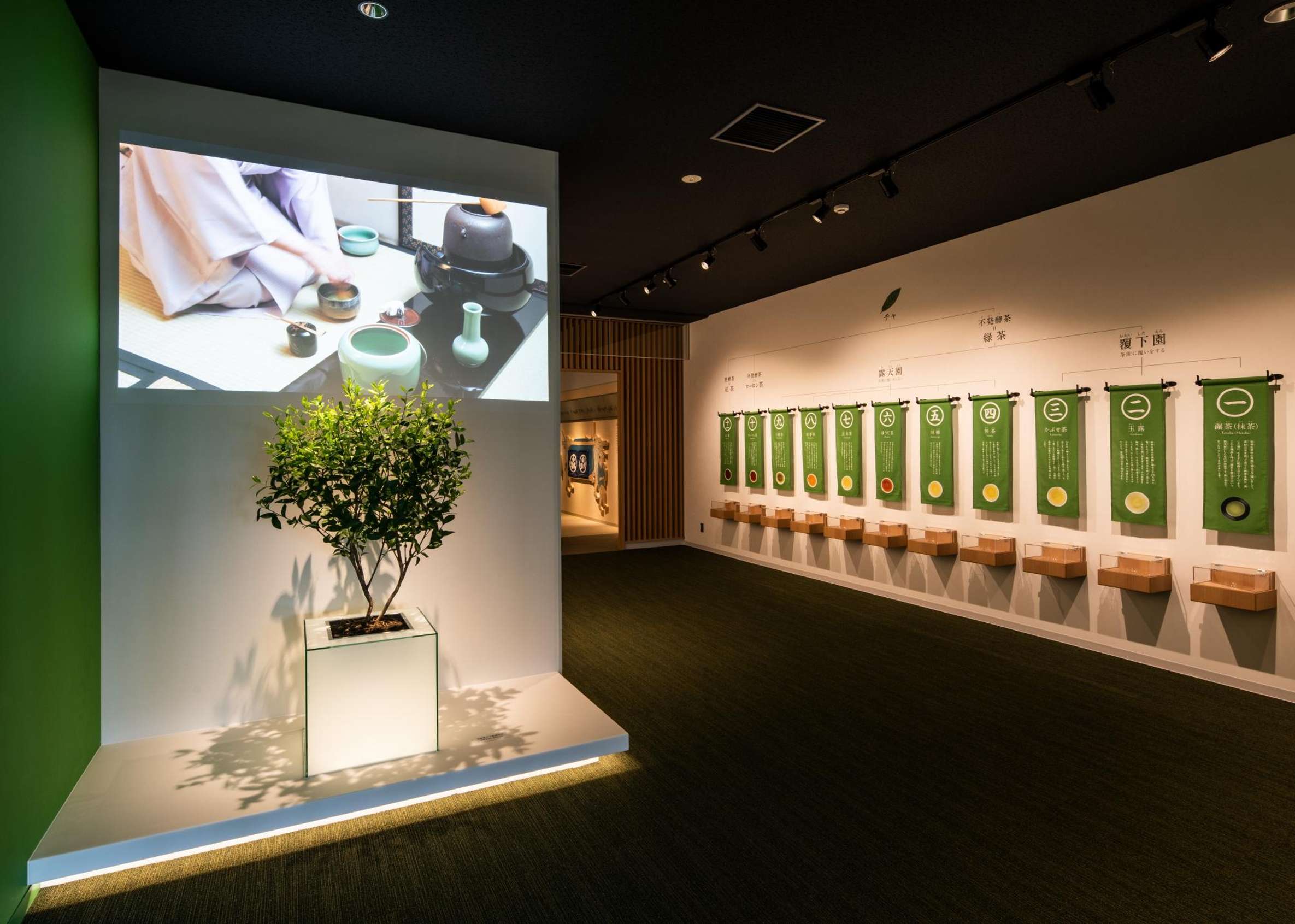
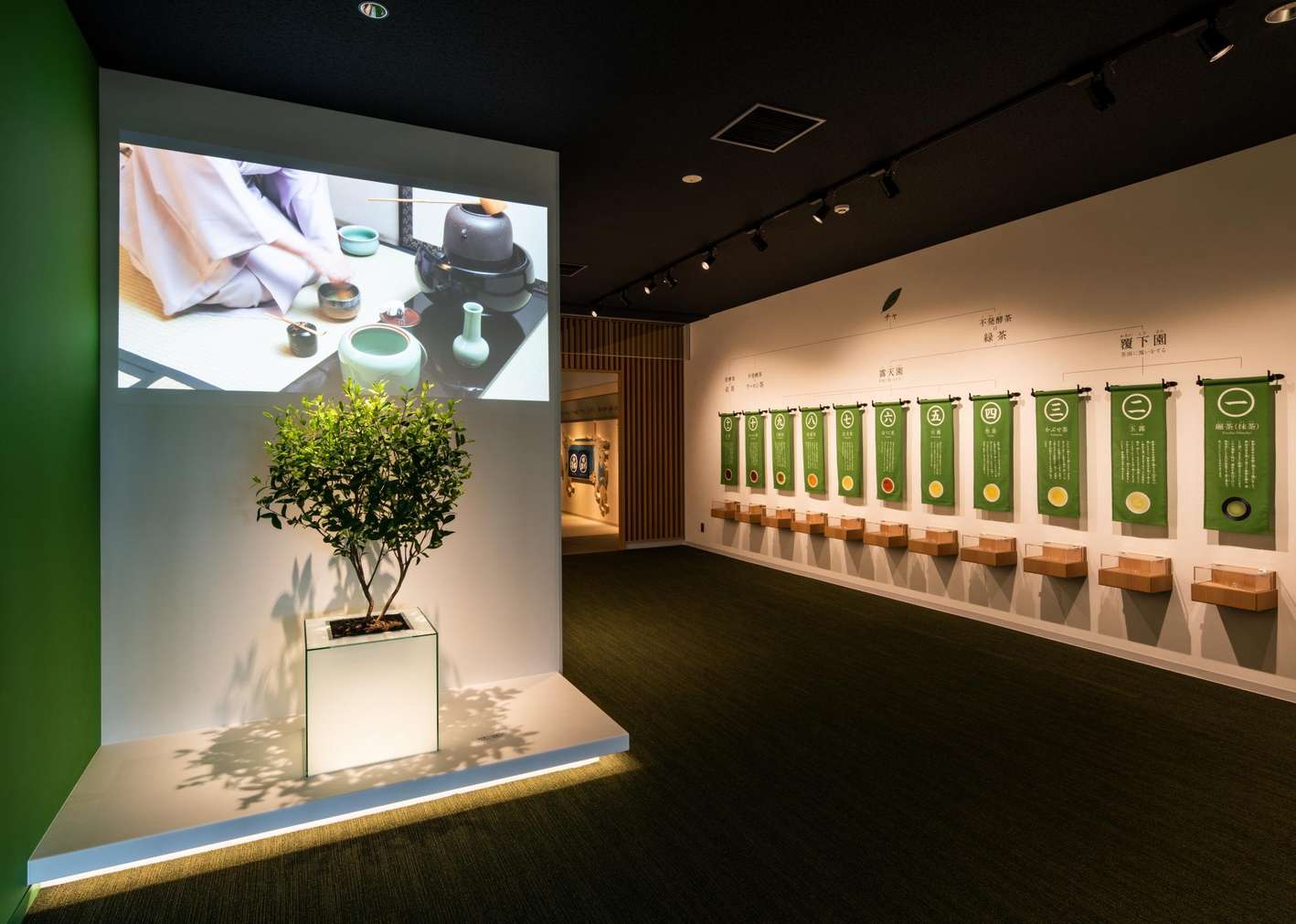
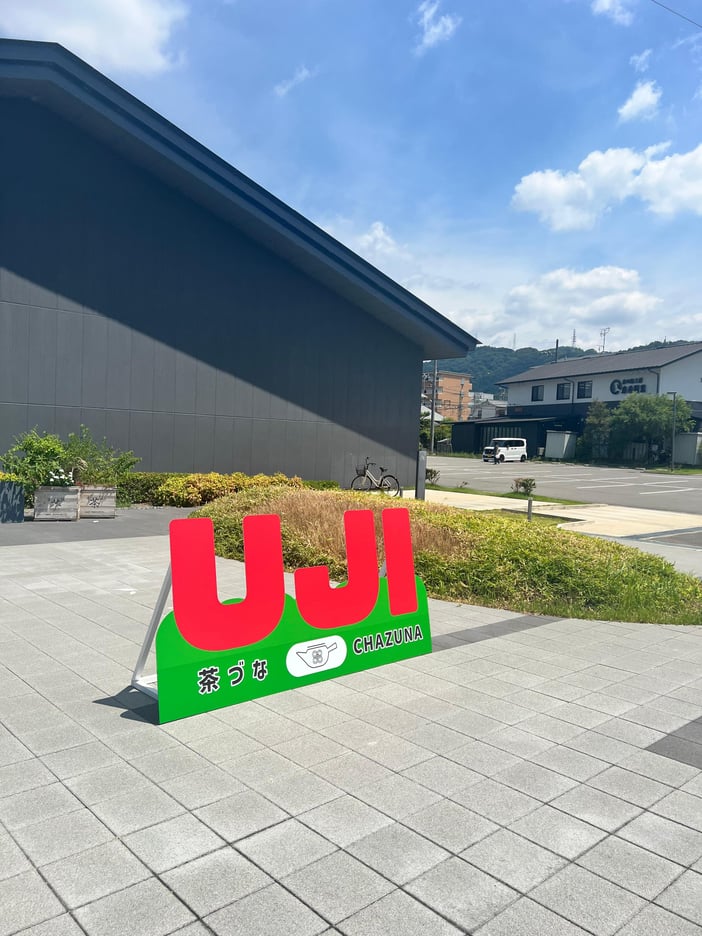
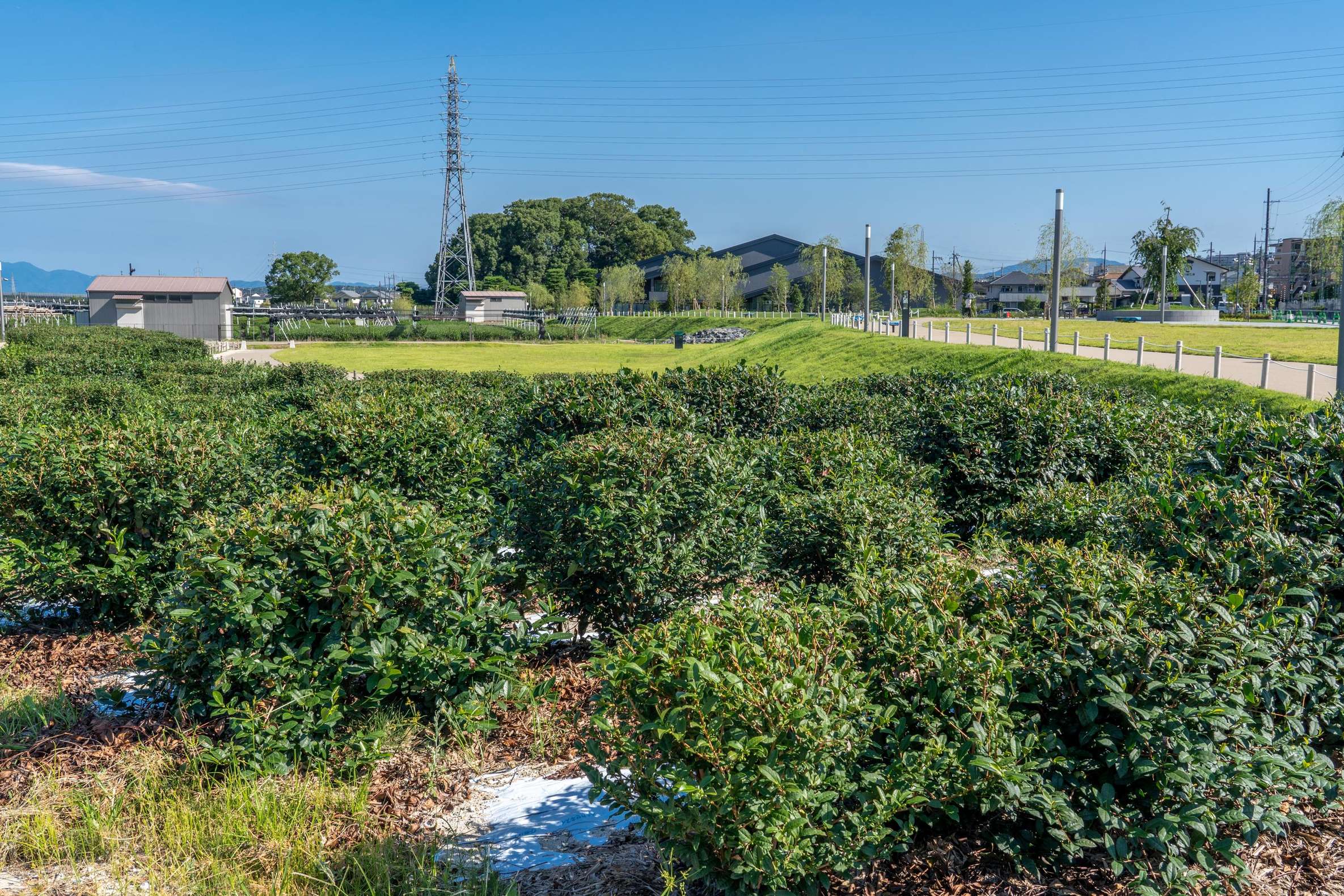
This hour in Uji starts at a tea museum set in a park above the town's tea fields. Touchable digital exhibits walk you through how Uji tea is grown and made, from the difference between gyokuro and sencha to why this valley, wrapped in morning fog, grows Japan's finest leaves.
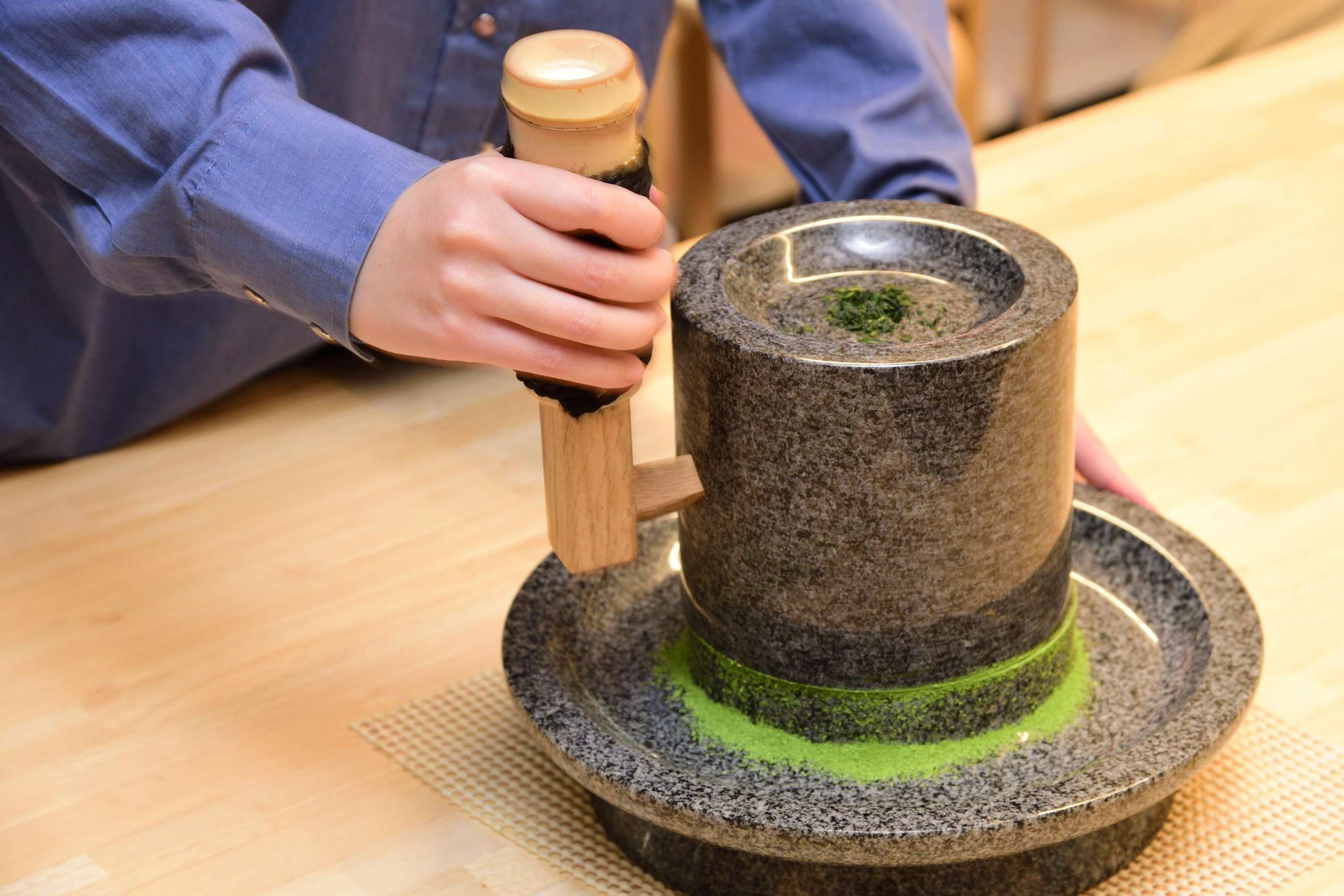
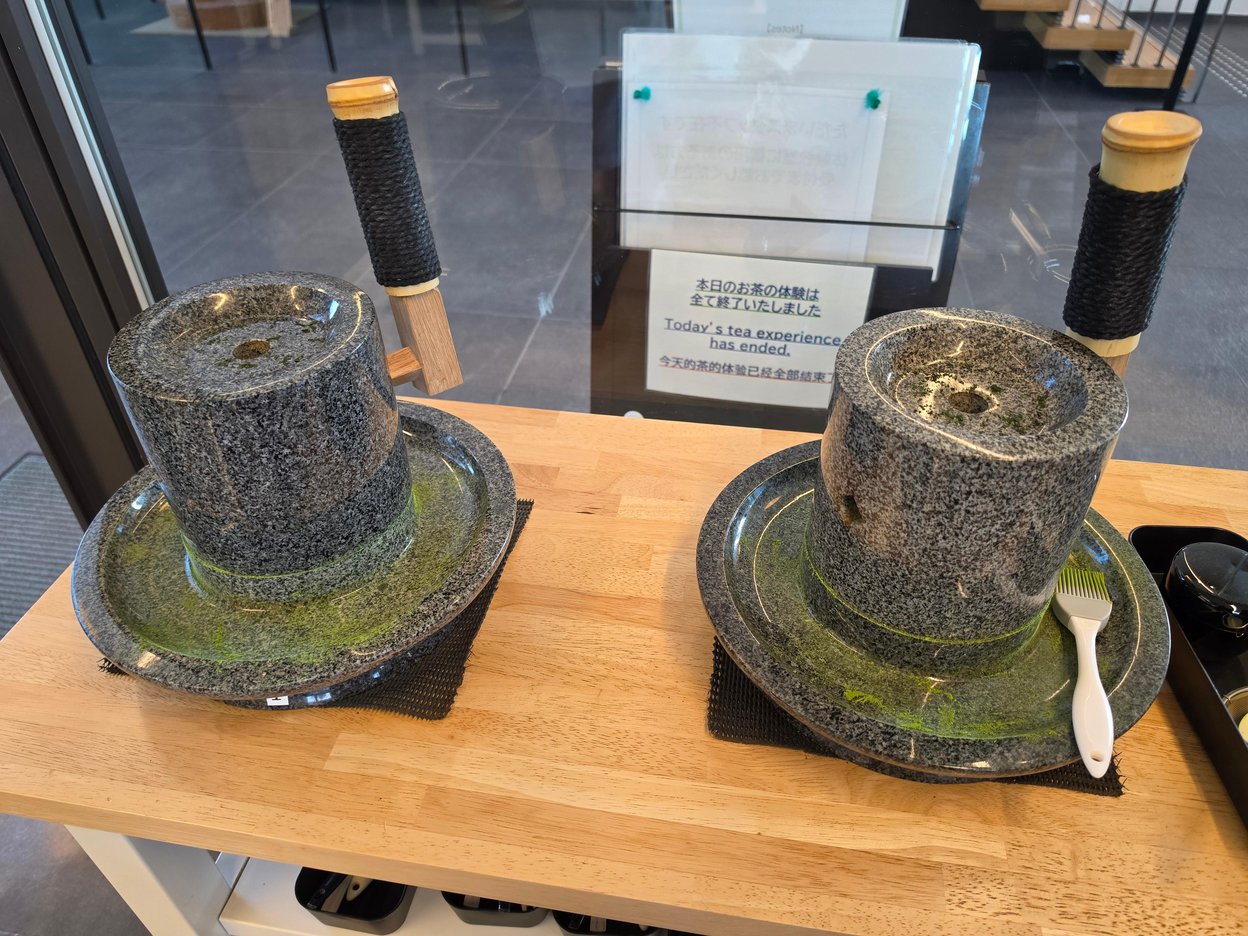
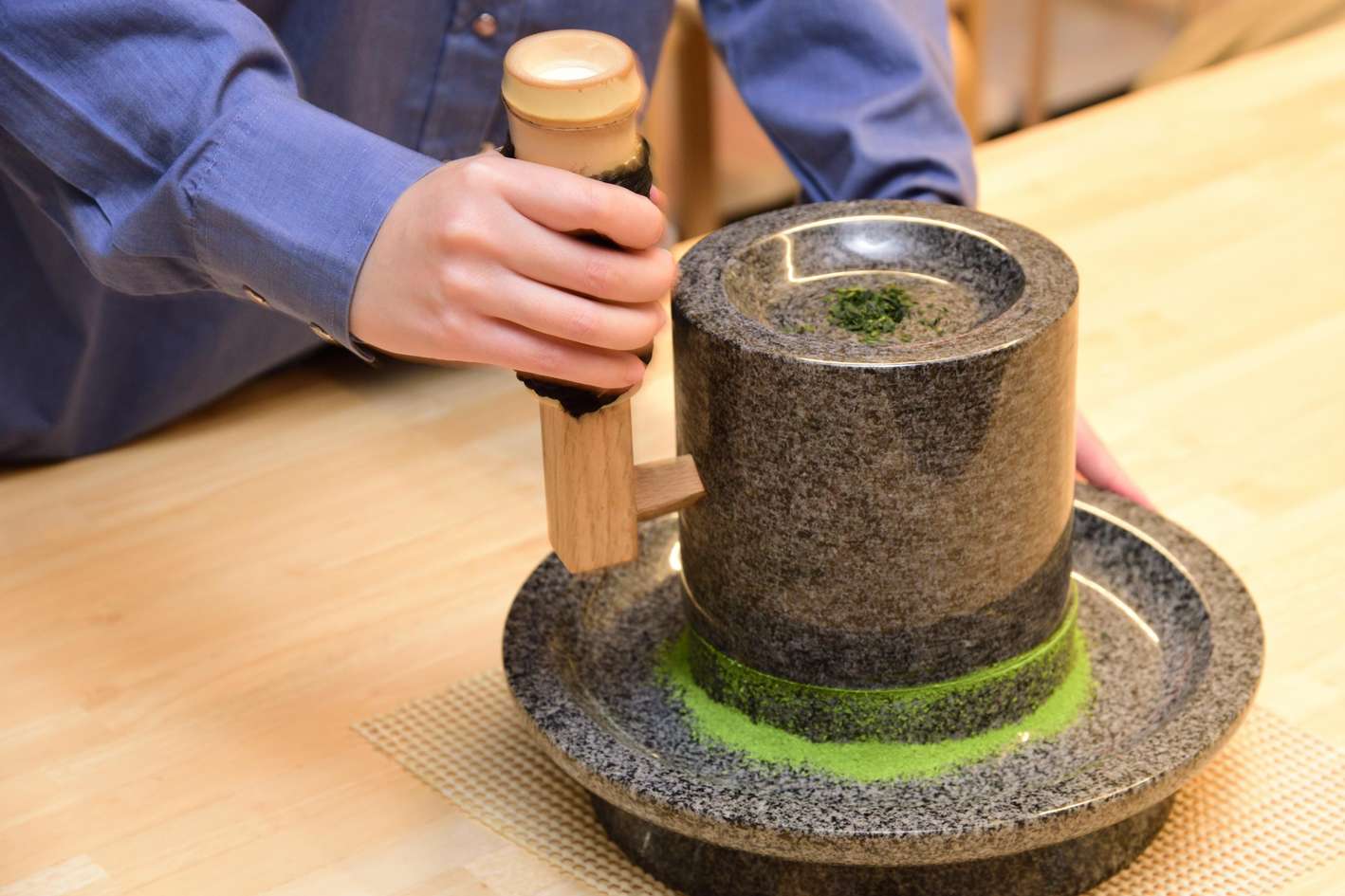
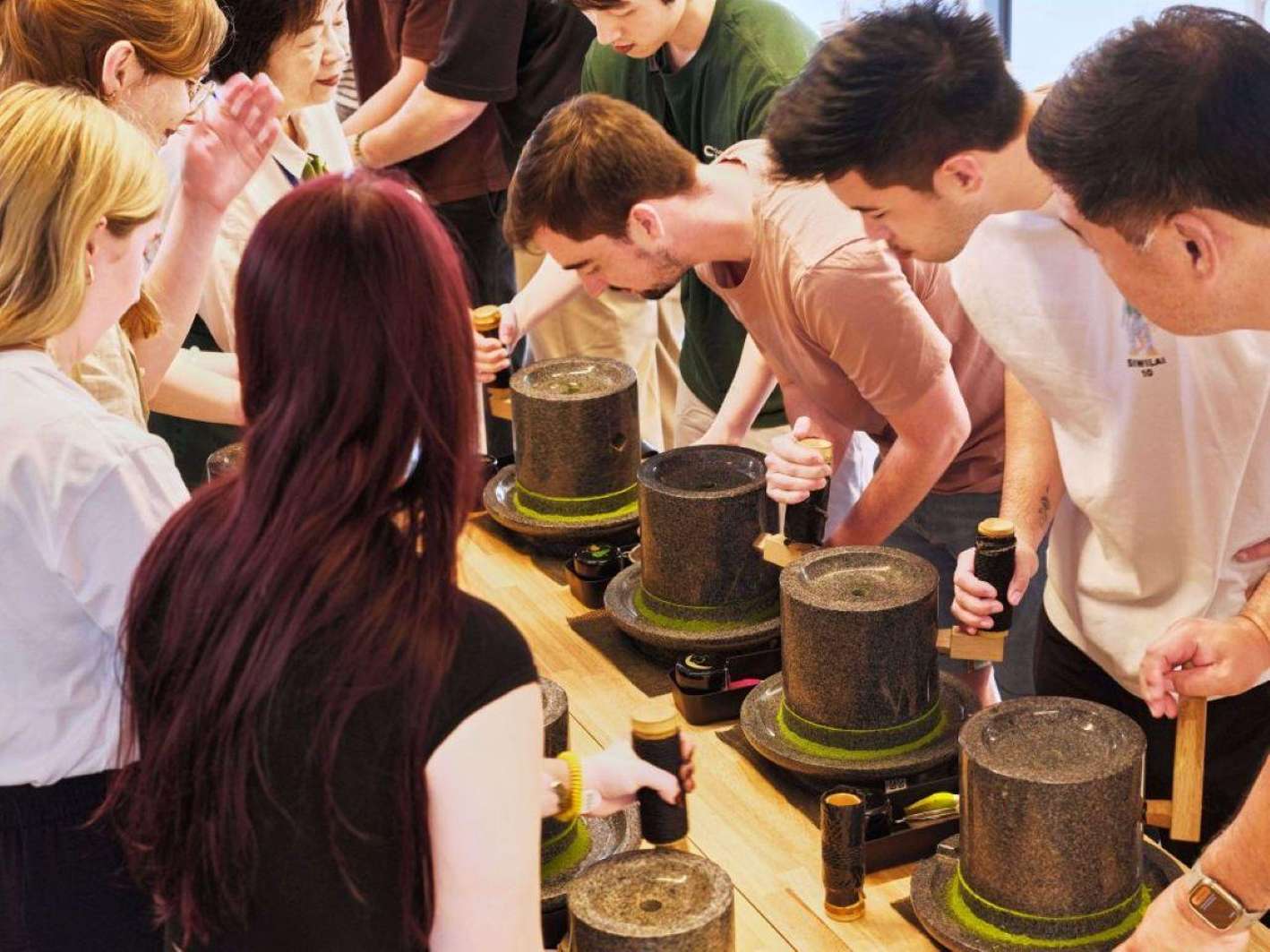
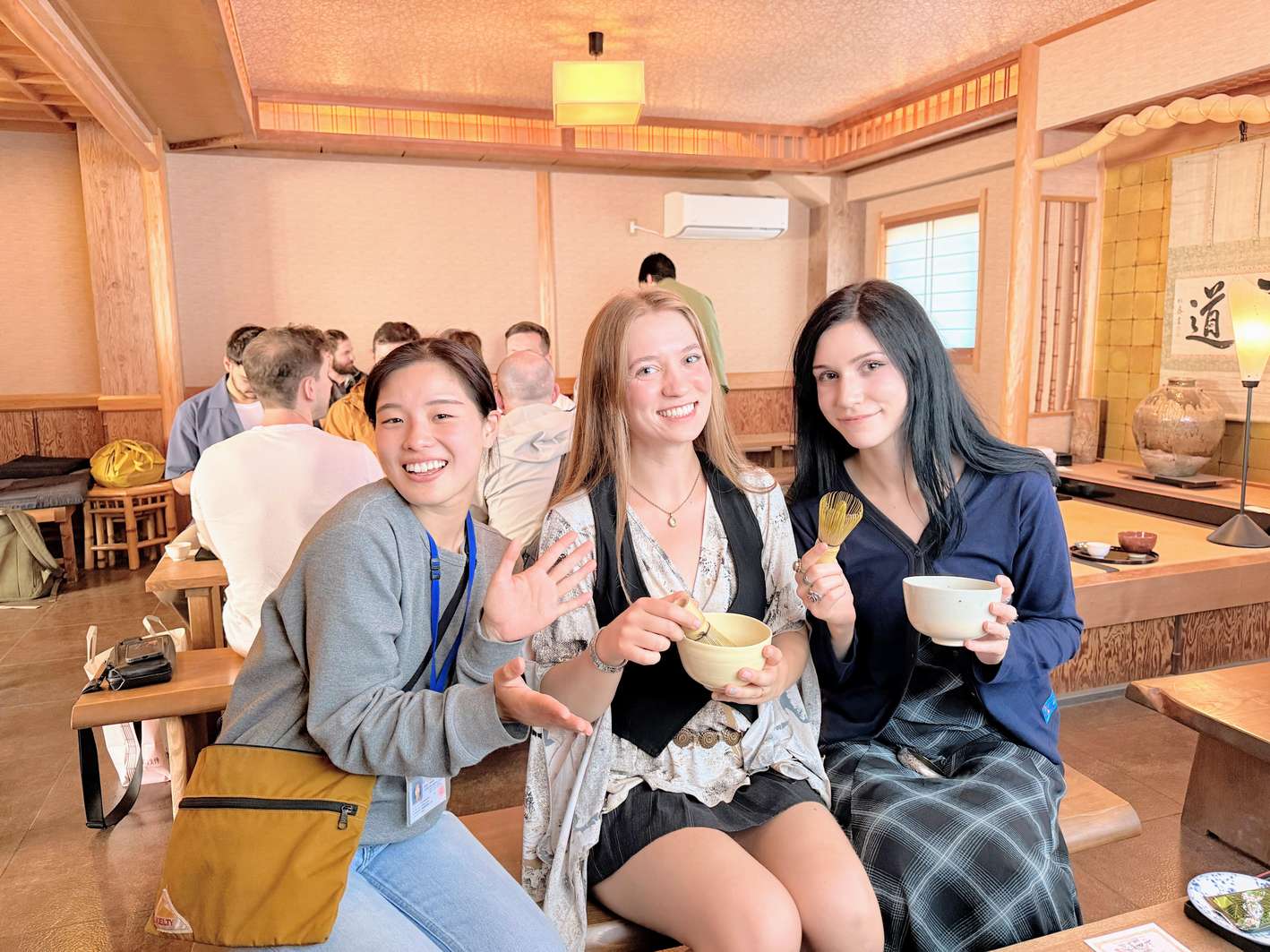
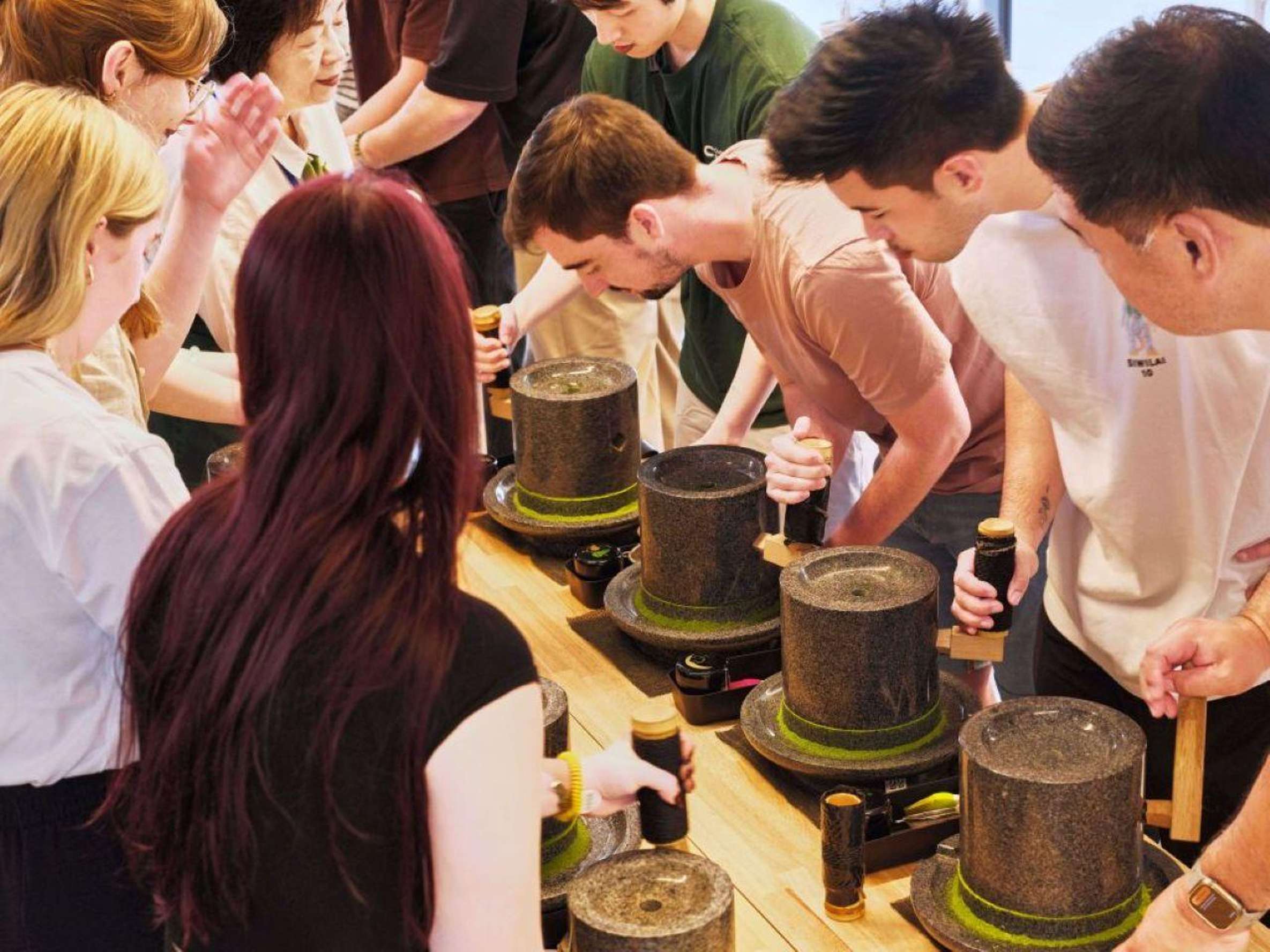
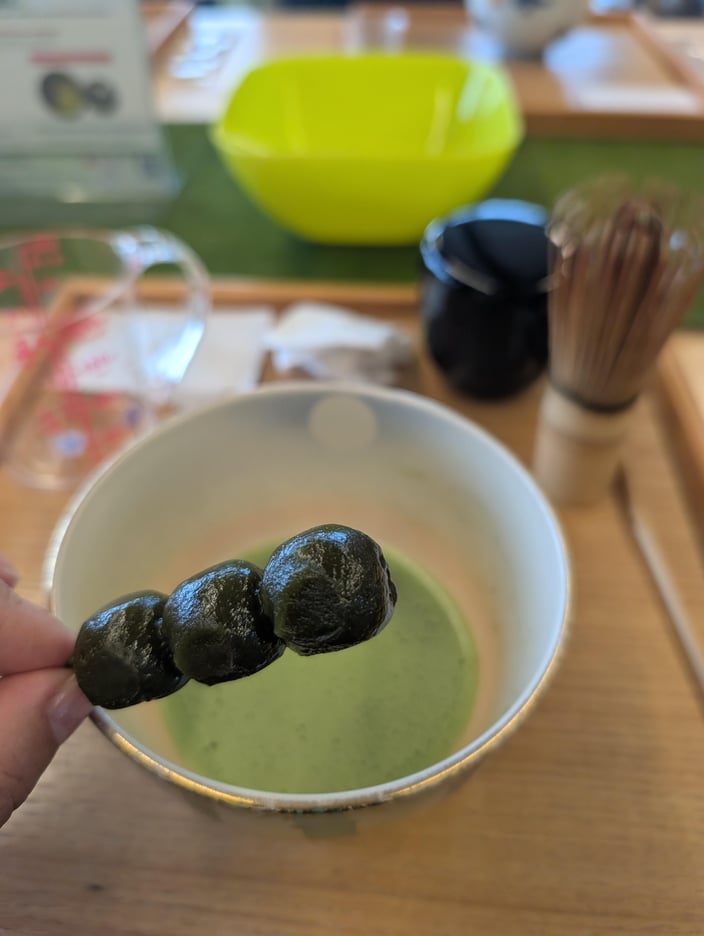
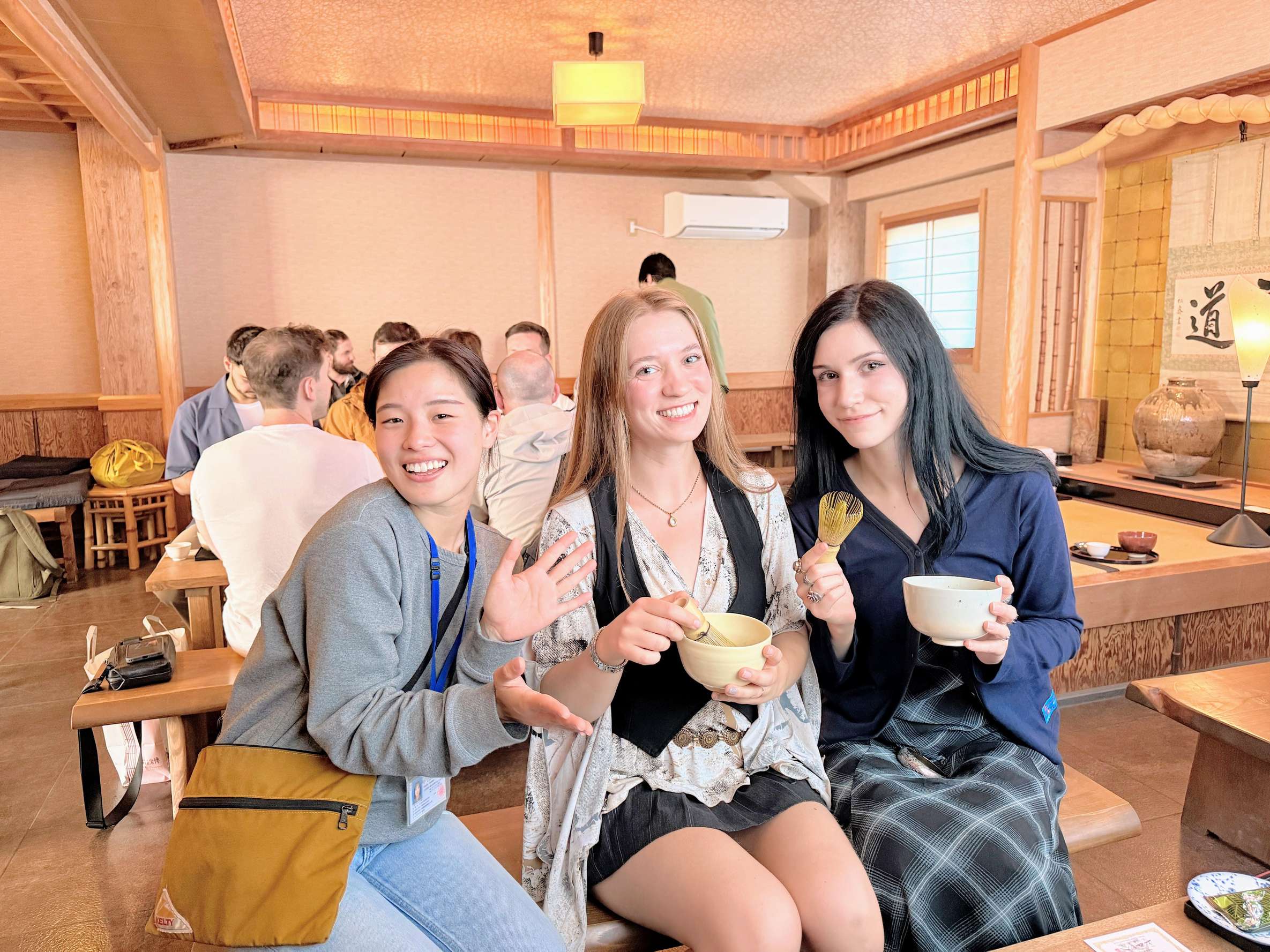
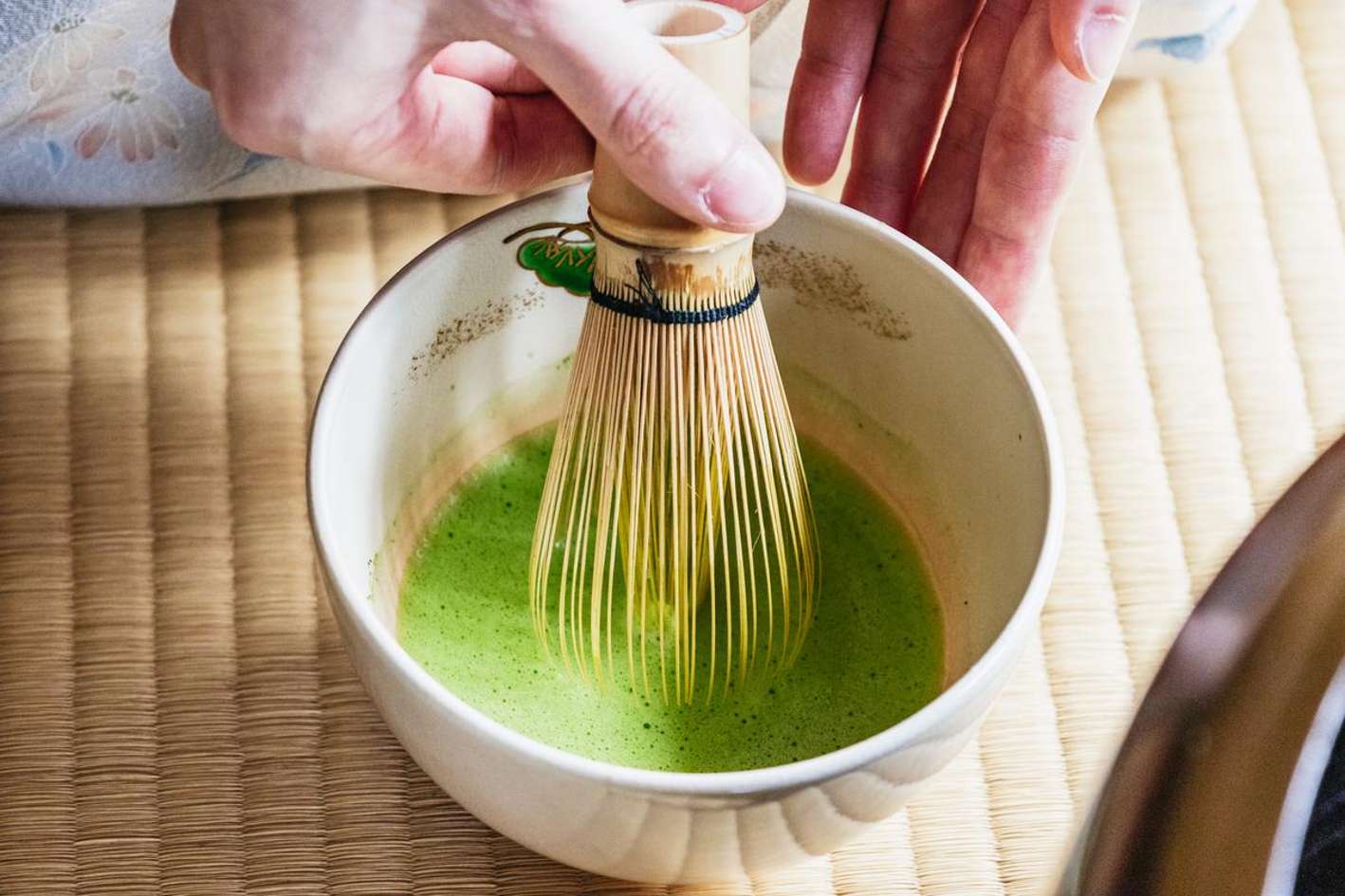
The second half is the part people come for. An instructor shows you how a granite mill turns dried tencha leaves into bright green powder, then you grind your own and whisk it into matcha with a bamboo whisk.
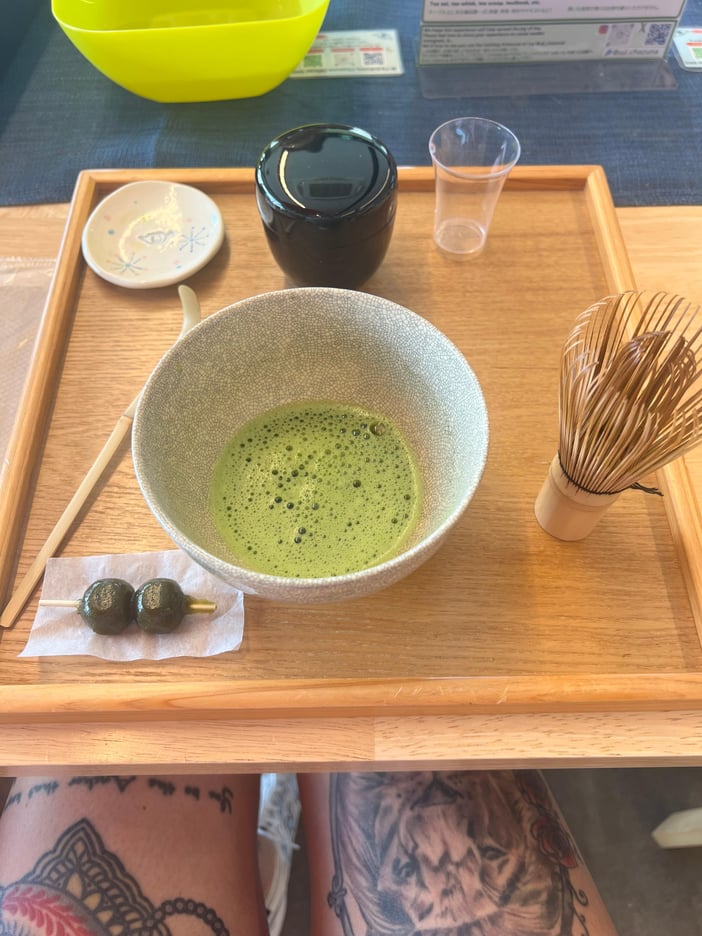
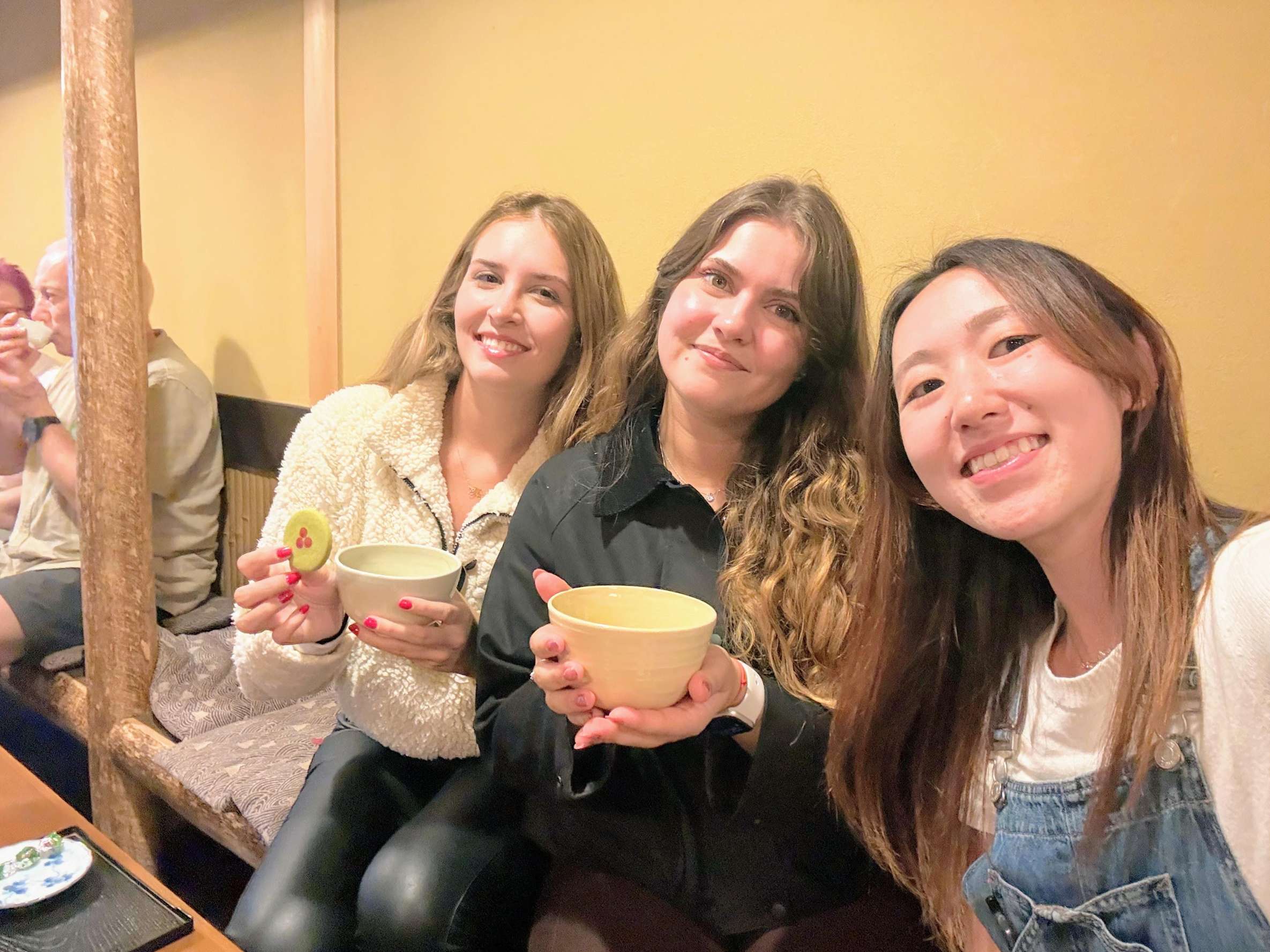
You drink it warm, with a Japanese sweet on the side, looking out at the fields where the tea was grown.
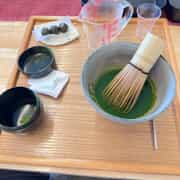
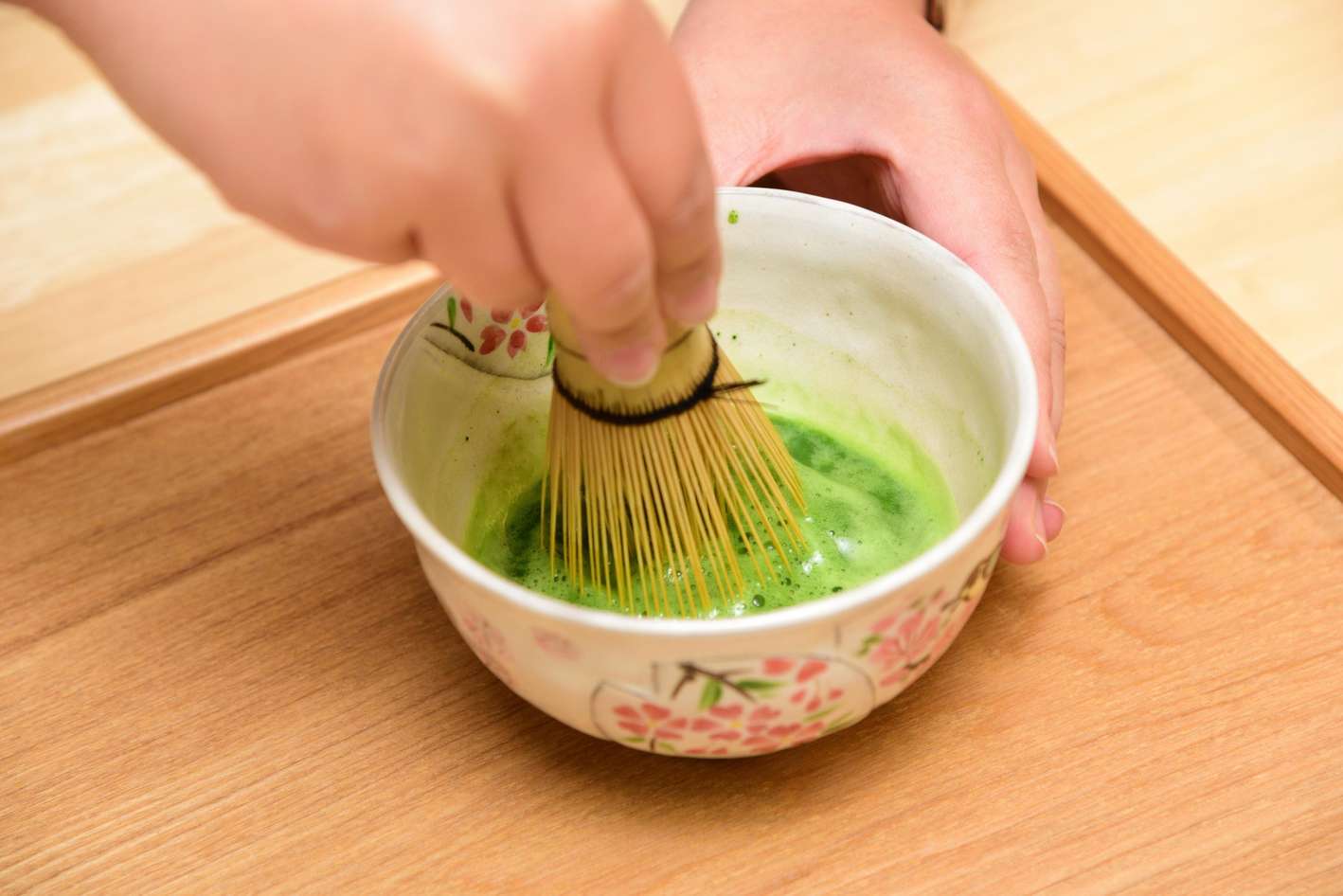
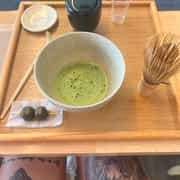
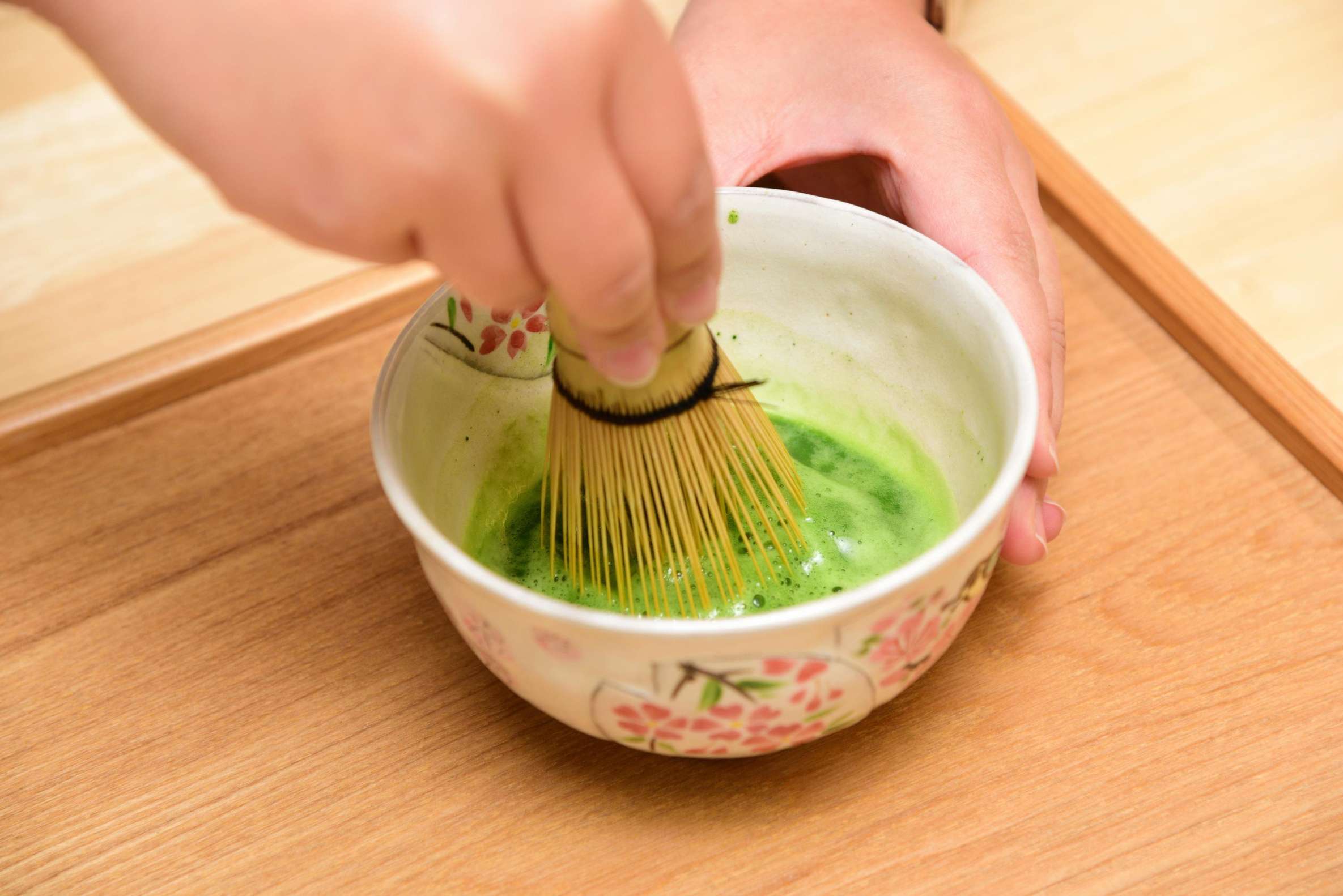
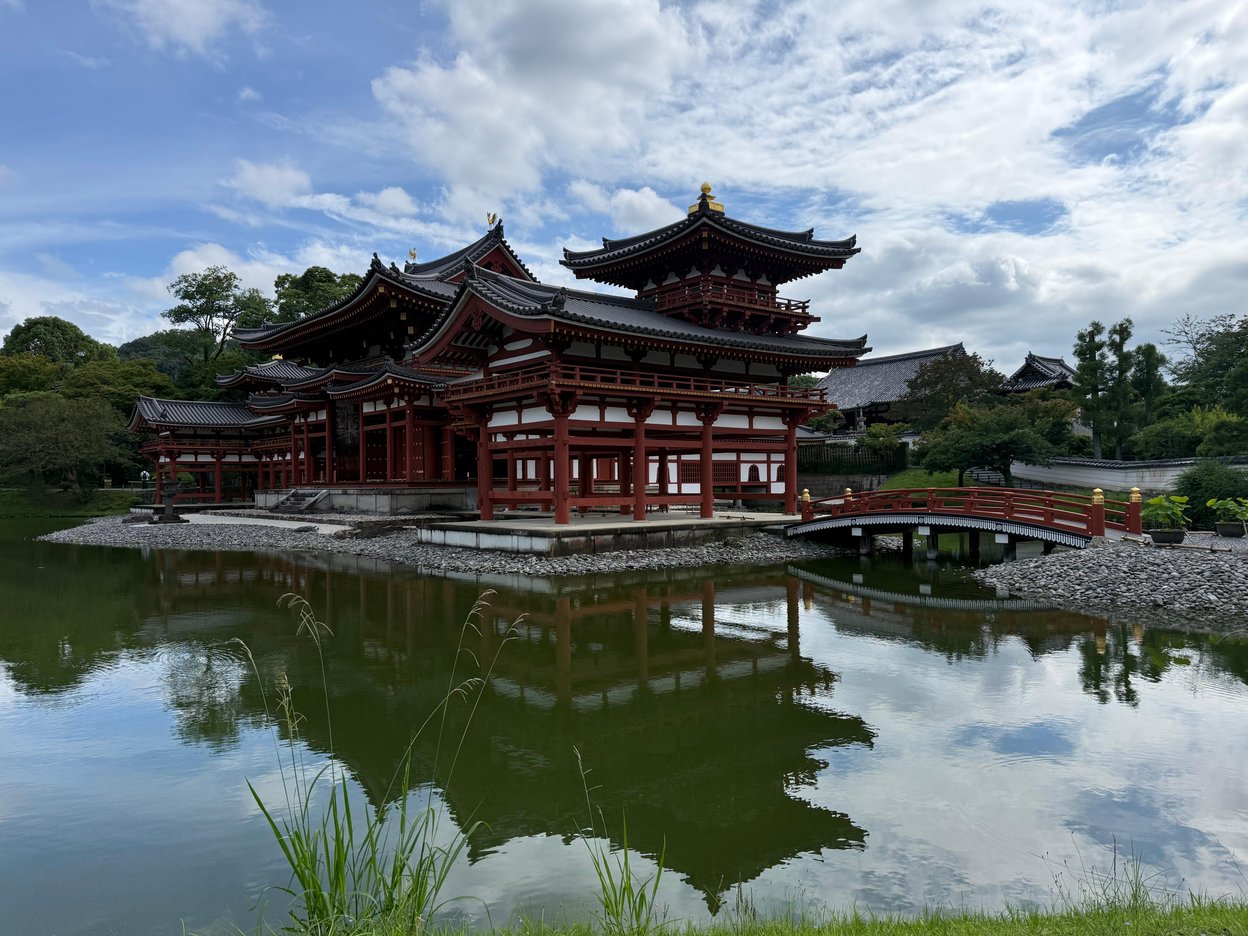
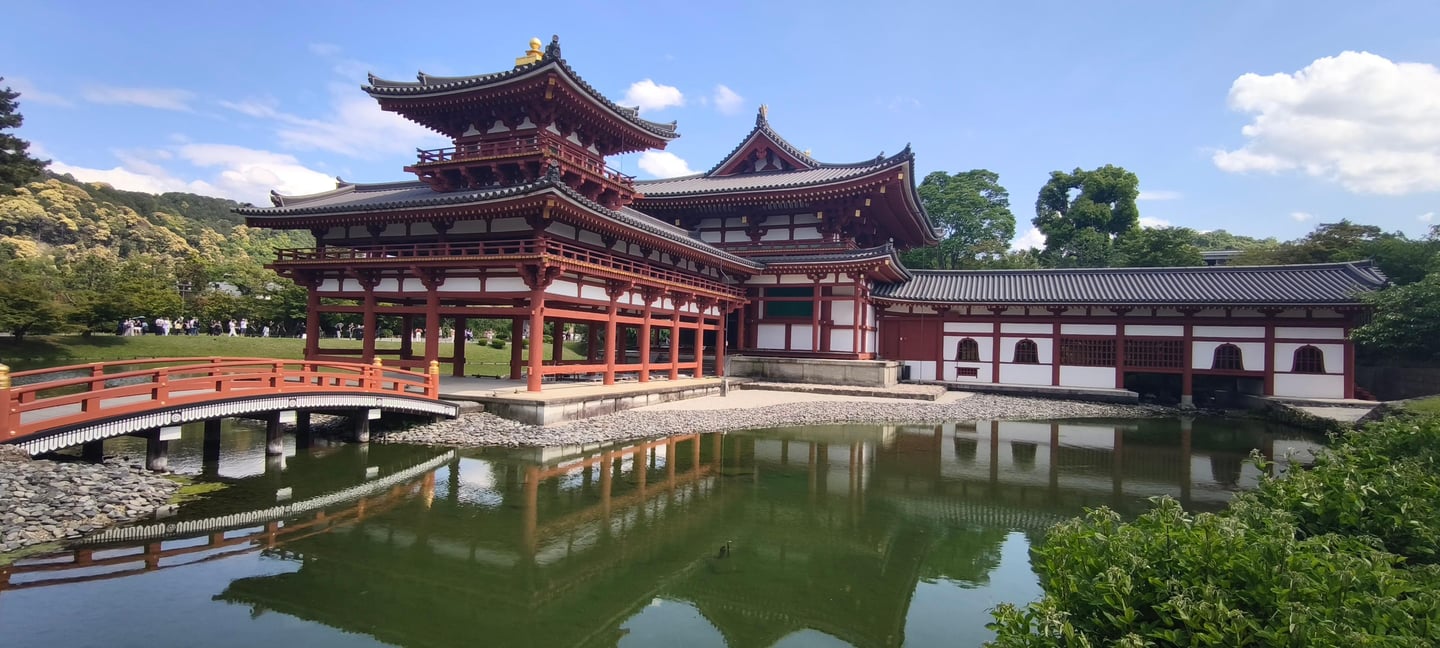
1The touchable tea exhibits· about 15 minDigital displays let you handle and sample tea knowledge: how Uji tea is made, what separates gyokuro from sencha, and why the morning fog here sweetens the leaf.2The History Room· about 15 minA huge 10-yen coin showing the Byodoin Phoenix Hall greets you, and 4K screens tell the story of the town built on tea.3Grinding tencha in a stone mill· about 15 minYou drop dried tencha leaves into the hole at the top of a granite mill and turn it counterclockwise, about one turn per second, until green powder emerges from the grooves.4Whisking and drinking your matcha· about 15 minYour powder goes into a tea bowl with hot water, frothed in an m-shaped motion with a bamboo whisk. You drink it with a Japanese sweet, with a view of the tea fields and gardens.5Whisk and drink· 15 minAdd your fresh powder to a tea bowl, pour hot water, froth it with a bamboo whisk in a quick m-shaped motion, then sip it with a Japanese sweet.
Where the other tours go
Kyoto: Nara & Traditional Matcha Experience Bus Tour
Grinding their own matcha by hand was the highlight, and many praise the patient instructors.
Best surprise
Many visitors who came for the class loved how much tea history the museum added at the end.
Most common wish
A few reviewers wished the museum offered more of its information in English alongside the Japanese.
How to book a tea ceremony or matcha experience in Uji
01
Pick your date well ahead
Choose a date first, because hands-on matcha workshops and private tea ceremonies in Uji fill up two to three weeks ahead in spring and autumn, and limited private sessions can go up to four weeks. Pick 10 am or after 3:30 pm to dodge the tour buses on Byodoin Omotesando, which pack the street between 11 am and 3 pm.
Pro tipThe 10 am slot puts you in the tea room before the crowds reach the tea shops
RecommendedDecember to February is the quiet stretch, when a few days ahead is enough
02
Choose the right option
Decide what kind of experience you want before you pay. The Chazuna tea museum in Uji sells a ticket with a one-hour stone-mill grinding session, and a summer version adds a special ice cream. If you would rather drink than grind, the municipal tea house Taiho-an near the Uji River takes walk-ins for tasting, and books three days ahead for hands-on tea making.
Common mistakeBooking a tasting ticket when you wanted to grind your own matcha, or the reverse
Pro tipGeneral tea tasting at Taiho-an needs no reservation at all if seats are free
03
Pay and check the cancellation terms
Bookings on these tours let you cancel up to 24 hours before the start for a full refund, so lock in a date early and adjust later if your train plans shift. Confirmation arrives after payment, and the operator may send messages with arrival instructions.
Pro tipBooking early costs nothing when free cancellation runs to 24 hours before the start
04
Plan your arrival and timing
Get to the reception desk 15 minutes before your scheduled start, because sessions begin promptly for everyone at once. Entry is denied to anyone arriving more than 30 minutes late, even for train delays, and no refund follows. Trains from Kyoto take about 20 minutes, so leave a comfortable buffer.
ImportantArrive more than 30 minutes after the start and you lose your place and your money
Common mistakeCutting the connection from Kyoto Station too fine; a delayed train will not move the clock
05
Find the venue on the day
Come by Keihan if you can: leave Keihan Uji Station toward Uji Bridge and you reach the start of the historic tea shop street in about a five-minute walk. From JR Uji Station, take the South Exit and follow Ujibashi Street, roughly ten minutes on foot.
Pro tipThe Keihan exit shortens the walk to nearly half of the JR route
RecommendedBuild in time for photos on Uji Bridge before your session
What to know before you book a tea ceremony in Uji
Can stop the dayGood to knowGood news
01
ChoosingWhat it is, who it suits, when to go
6
Meeting time
One Uji tea venue asks you to reach the reception desk 15 minutes before your slot, and every session starts promptly at its scheduled time. Build the margin in, especially if the day includes a museum visit first.
Timing
The tea shops along Byodoin Omotesando get busiest between 11 am and 3 pm. Book right at the 10 am opening or after 3:30 pm, when the crowds thin ahead of the tea houses closing at 4.
Grinding
In the hands-on grinding session you drop dried tencha leaves into a granite mill and turn it slowly, about one turn per second. The bright green powder then goes into a bowl with hot water, which you froth in an m-shaped zigzag with a bamboo whisk.
Taste
Tencha has had its stems and veins removed, so the taste is mild with little bitterness, and freshly ground matcha is gentler than most commercial powders. Even people who usually skip matcha tend to like it here.
Combine
Uji's historic tea spots sit close together. Byodoin Temple, Ujigami Shrine, Koshoji Temple and the Tale of Genji Museum all lie within a 5- to 15-minute walk of the tea houses, so one excursion covers a lot.
Tipping
No tip is expected in Japan, not even after a ceremony with a maiko, and the listed price is the full cost. A simple thank you to the host says everything.
02
BookingHow far ahead, and what happens if plans change
3
Late arrivalCan stop the day
At the matcha grinding venue, entry is denied if more than 30 minutes have passed since the start time, whatever the reason, including train delays. Late entry and refunds are both off the table. Plan a train or two of slack for the ride south.
Booking
Reserve ahead: popular Uji sessions and hands-on workshops fill up well before the day in spring and autumn. Taiho-an lets walk-ins taste tea without a reservation, but its hands-on tea preparation needs booking at least three days ahead.
Cancellation
The bookable museum and grinding experience on this page can be cancelled up to 24 hours in advance for a full refund. That gives you room to shift the day if the weather turns.
03
Before you goPapers, health, what to bring
2
Socks
Bare feet are not allowed on tatami, so bring clean, hole-free socks. White socks or tabi are the traditional courtesy; pack a fresh pair and slip them on just before you enter the tea room.
Sweets
The sweet is eaten before the tea, to soften the bitterness of the matcha. If you have a wheat, soy or nut allergy, do not assume the wagashi are safe: ask staff to check the ingredients with you before you eat.
04
During the tourWhat is expected of you
1
Seating
You do not have to kneel. Taiho-an, the municipal tea house by the river, provides chairs on request, and one Uji venue has an eight-mat room set up with chairs for guests whose legs struggle on tatami.
A traveler's guide to a tea ceremony in Uji
Uji grows the tea that central Kyoto only pours: leaves cultivated along the river, still ground on granite mills. The detour is twenty minutes by train, and the question is whether the town's ceremonies, grinding workshops and quiet tea houses justify a half-day of your trip.
Uji· 34.98° N, 135.76° E
If you only remember three things
1
Book the 10 am slot: tour buses crowd Byodoin Omotesando from 11 am to 3 pm.
2
Arrive fifteen minutes early; entry is denied to anyone more than thirty minutes late, no exceptions.
3
In peak spring and autumn, hands-on Uji workshops fill two to three weeks ahead.
Why tea tastes different in Uji
Morning fog settles over the river valley in Uji the way a shade cloth would. It slows the hardening of the tea buds, shields them from frost, and concentrates the aroma and umami in the leaf.
Zen monks noticed this in the twelfth and thirteenth centuries, which is why the town became Japan's historical capital of green tea cultivation.
That matters because Uji is the only place where the tea on your table is the tea in the surrounding hills.
Kyoto city shops sell matcha, but Uji is where it is cultivated, processed and, in a few tea houses, still ground by hand on a granite mill. A ceremony here is closer to the source than anything in Gion.
Uji is a twenty-minute train ride from Kyoto Station, and the quieter rooms make the ride feel shorter than it is. Formal tea houses in central Kyoto charge more for the same ritual; Uji's municipal venues keep the tradition and drop the markup.
People who go often mention that guests who normally dislike matcha find it different here, freshly whisked and made with leaves that were growing nearby.
A traveler's note
Great education on tea leaf cultivation, tea types, and grinding. Three helpful guides answered everything. The museum covered tea history and Uji's role in trade and politics. Highly recommend.
An introductory session in Uji runs about 45 to 60 minutes, and every minute is choreographed for the beginner. Nothing in the room is a test.
The sequence is the same almost everywhere. First comes the sweet, eaten before the tea, because traditional Japanese sweets balance the natural bitterness of ceremonial matcha. Then the host demonstrates the preparation, and you learn the greetings and the way to hold the bowl.
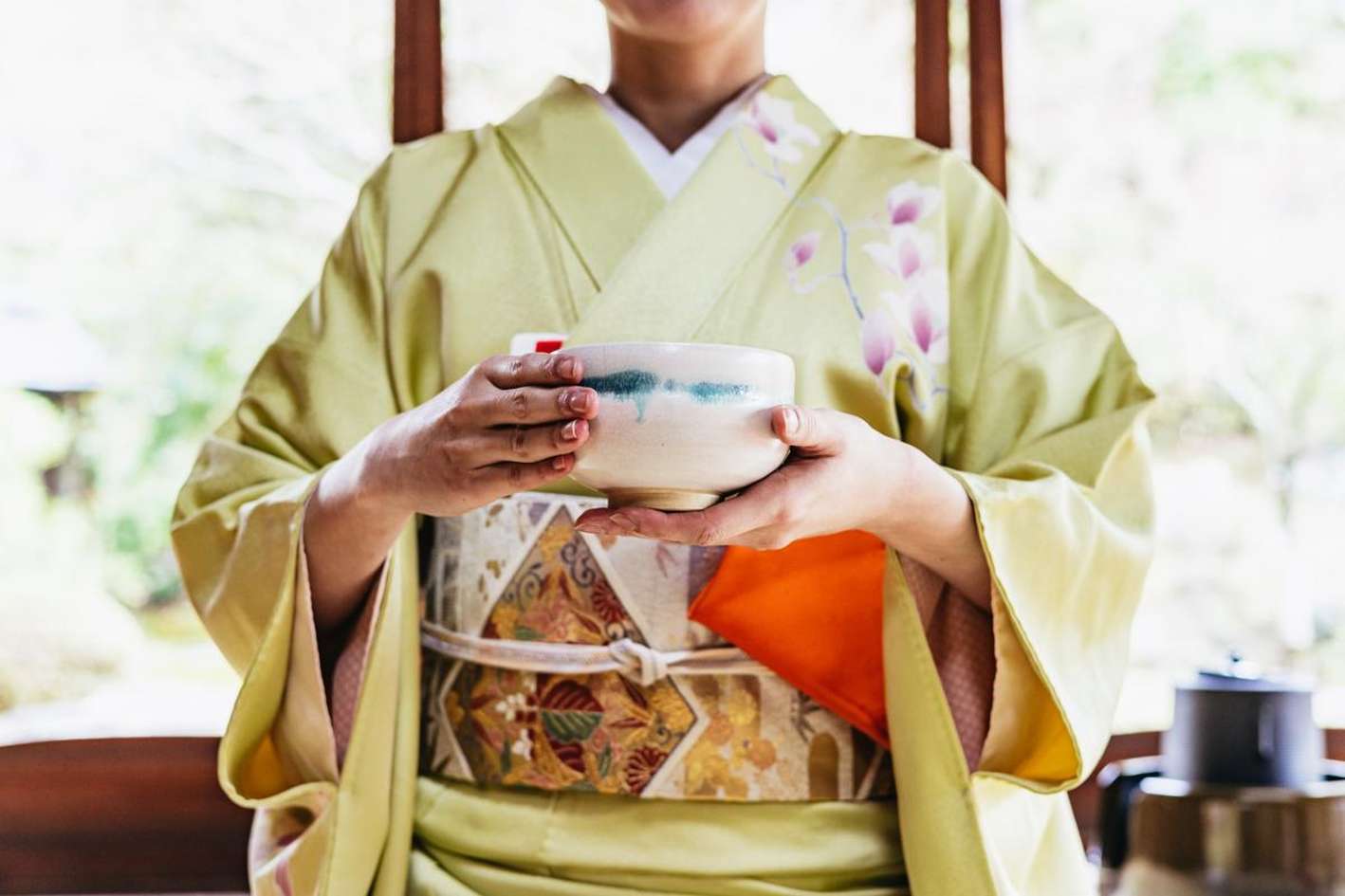
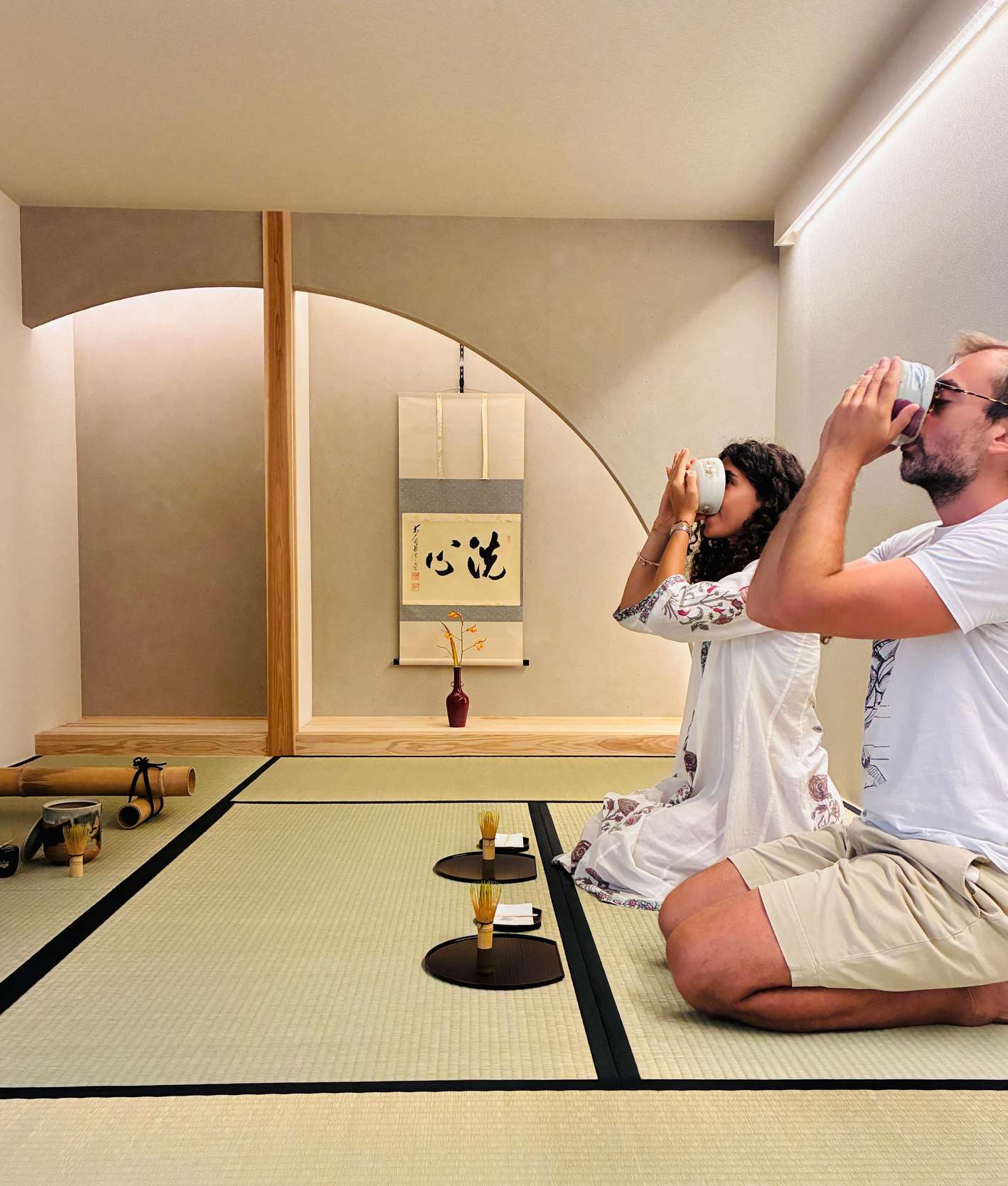
When it reaches you, lift it to waist height, turn it a quarter turn clockwise, and sip. Turning the bowl keeps you from drinking from its front, a small gesture of humility the host notices and appreciates.
Uji matcha at ceremonial grade is less bitter than the sweetened cafe versions you may know. Sip it slowly, small sips, letting the tea coat the tongue. Drink it soon after it is whisked, before the powder separates from the water.
The session is about utensils and season, not a tea flight, and if your wrists fail at the whisking part, that is the lesson everyone shares.
How a beginner-friendly session unfolds
1
Arrival
Handwashing and rinsing at the stone basin
Shoes come off before the waiting room
2
First five minutes
The host serves a wagashi sweet
Eaten before the tea to balance the bitterness
3
The demonstration
The host prepares matcha and explains the utensils
English-speaking hosts explain each step
4
Your turn
You whisk and drink your own bowl
Turn the bowl a quarter turn before sipping
5
Last minutes
Wipe the rim, admire the glaze
Clean your fingertips on kaishi paper
Read the last rows as your own part of the hour. You will whisk a bowl yourself, and the wipe-and-admire finish is where beginners most often feel the ritual turn personal.
Tour for this
Kyoto: Nara & Traditional Matcha Experience Bus Tour4.9★ (234) · 8.5 hours · Free cancellation
Drinking the tea is the quiet part. Making it is the part you remember.
At the tea museum workshop, dried tencha leaves go into the hole at the top of a granite mill. You turn the upper stone counterclockwise, slowly, about one turn per second.
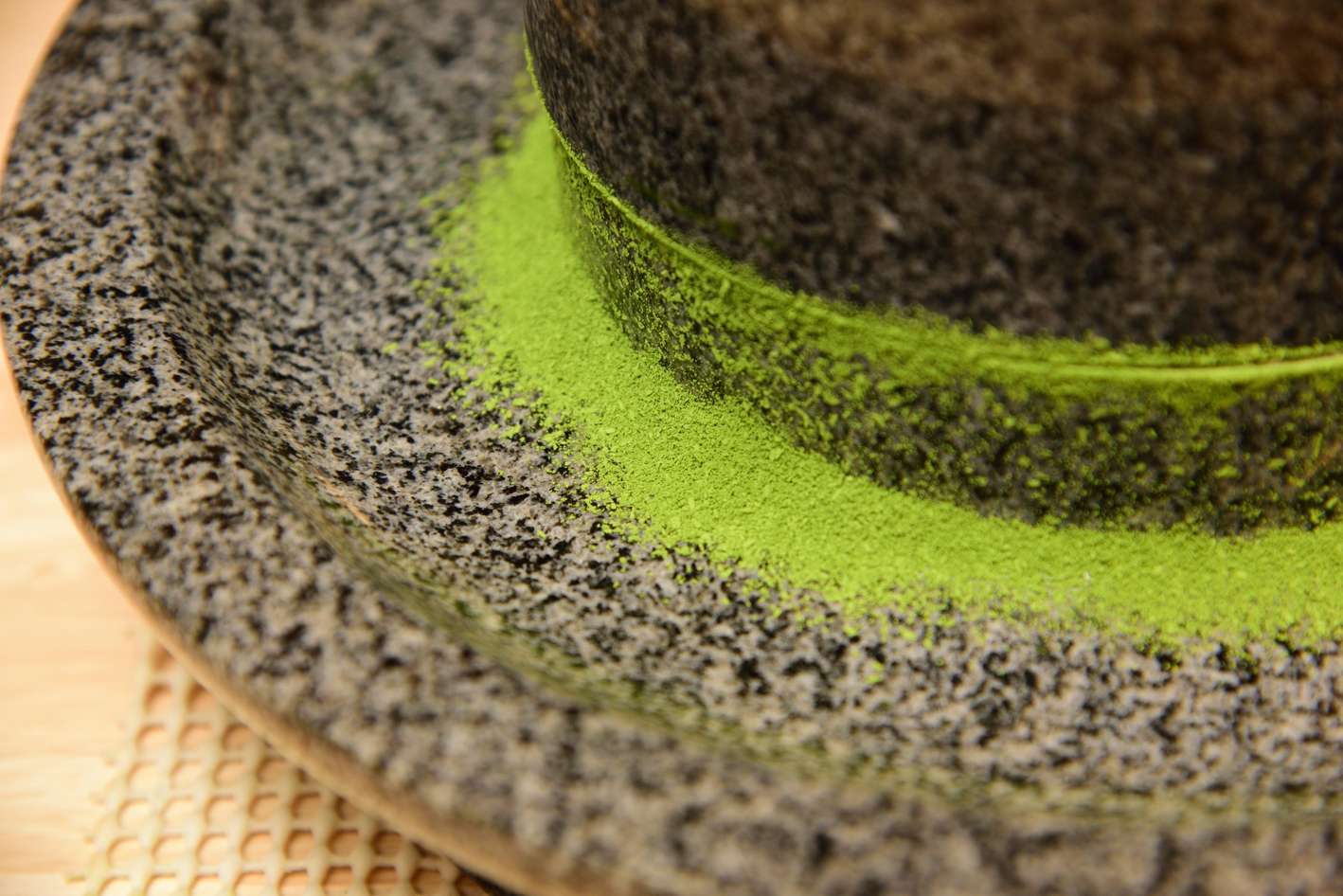
Bright green powder emerges from the grooves as the mill rotates, and the slow pace is deliberate: friction heat would damage the tea's color and aroma, and granite sheds what heat it takes on.
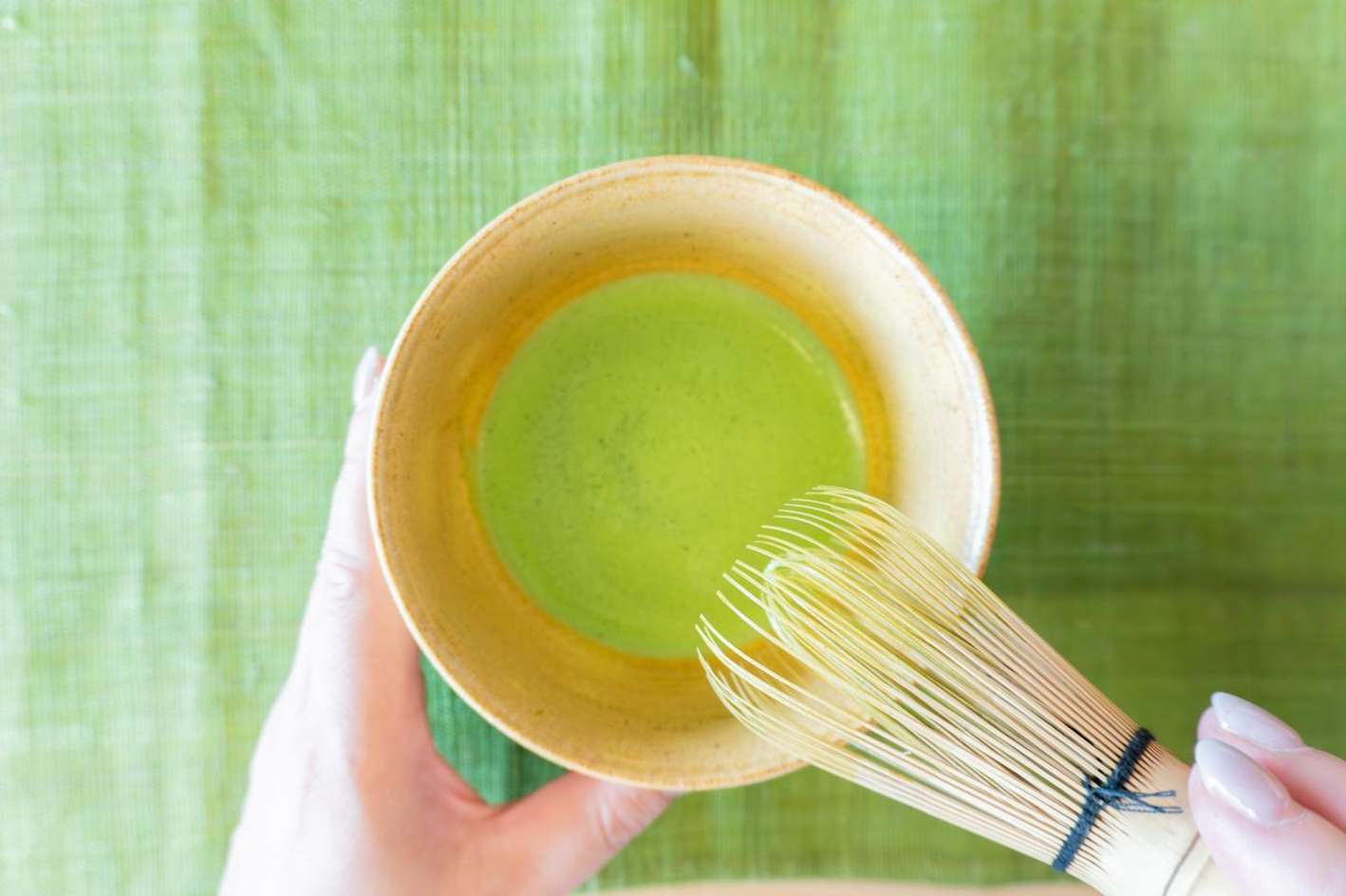
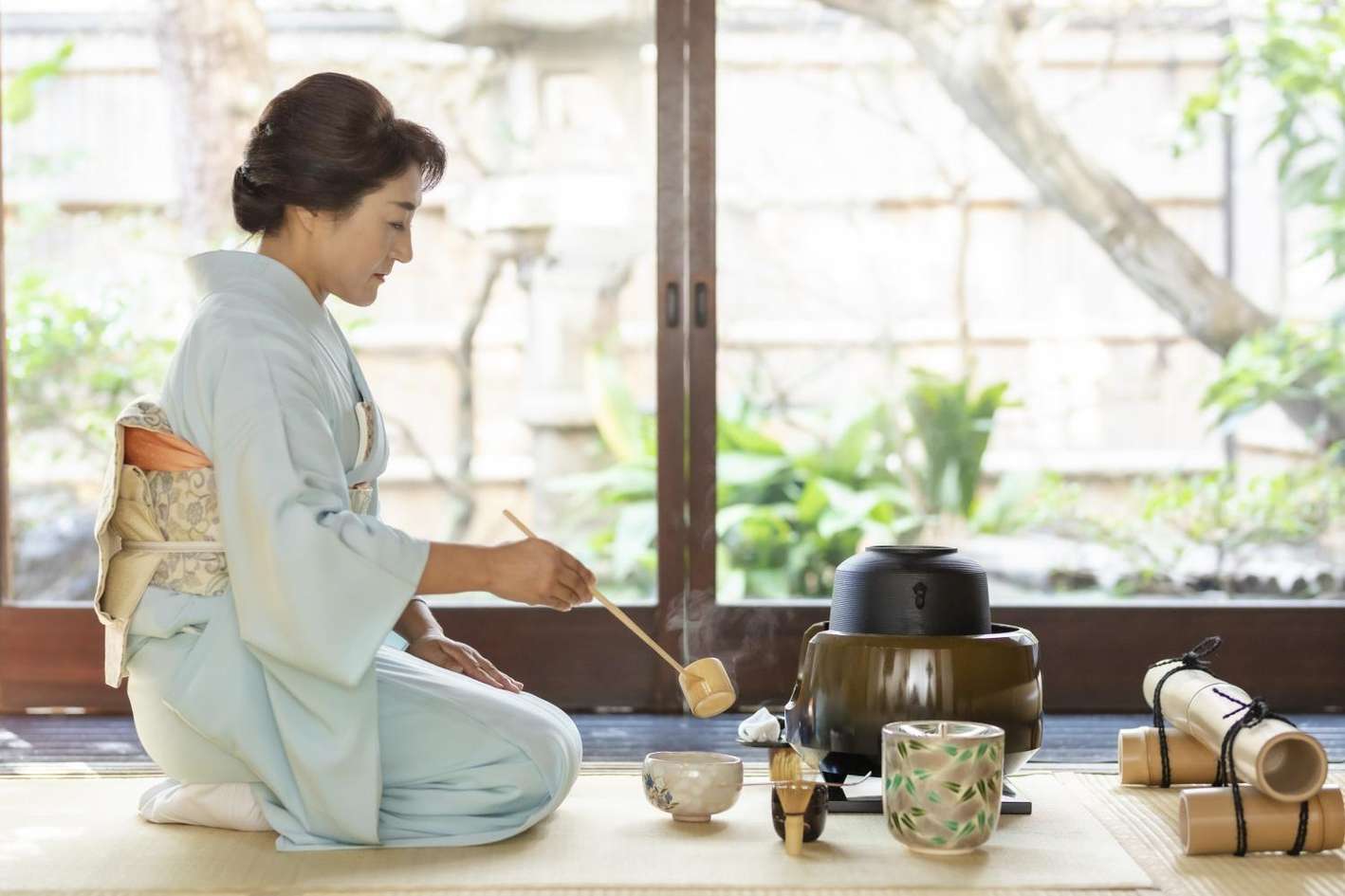
After grinding, the powder goes into a tea bowl. You add hot water and froth it with a bamboo whisk in a rapid zigzag motion, an m shape across the bowl. Grinding and whisking your own matcha is the fun part, and guests who go often call it the moment the craft becomes real.
Tencha before it is ground tastes mellow, not bitter, because the stems and veins are already removed and the leaf cell walls stay intact.
What nobody tells you
Why the mill turns so slowly
Heat from fast grinding would dull the color and aroma, so the stone does the work at one turn a second
What tencha tastes like raw
Rich aroma, mild flavor, little bitterness, the leaves mellow before they ever become matcha
The wrist mistake beginners make
Whisking in circles from a stiff wrist fails; fast back-and-forth zigzag strokes from the wrist froth the bowl
The Kyoto: Tea Museum Tickets and Matcha Grinding Experience packs the mill, the whisking and the museum's touchable exhibits into an hour, with tea fields and gardens in view. It is the one hands-on craft session Uji runs, and the one this page leads with.
Tour for this
Kyoto: Tea Museum Tickets and Matcha Grinding Experience4.9★ (1,110) · 1 hour · Free cancellation
The calendar decides more about your day than the itinerary does.
Uji's venues keep no fixed Monday closure, but each house sets its own: the tea museum opens daily from 9 am to 5 pm, Taiho-an runs ceremonies daily from 10 am to 4 pm except late December into early January, and the tea room inside Byodoin closes Monday through Wednesday.
Local tea houses also alternate what they serve, so the same venue may pour matcha one day and sencha or gyokuro the next.
Book the hour before 11 am or after 3:30 pm Tour bus crowds line Byodoin Omotesando between 11 am and 3 pm, and the lanes thin again by late afternoon before tea houses close at 4 pm
Uji tea ceremony and museum availability by day
Sat: the busiest. Every historic tea room and museum is open, though popular tea ceremonies see higher demand.
Bar height: how busy each day is, from very quiet to the busiestThe busiest: Sat
Tap a day to read it.
The weekday pattern is uneven, so the venue you want may be dark on the day you are free. Match the venue to the day first, then pick the hour.
Uji tea workshop crowds and booking demand by month
July: 5 out of 5 for how busy it gets. Summer brings hot, sunny days and heavy tour traffic that requires booking well in advance.
HighestApr, Jul, Sep to Oct
In betweenMar, May to Jun, Aug, Nov
LowestDec to Feb
Darker: a higher how busy it gets score, out of 5
Tap a month to read it.
Spring and autumn are the seasons that fill. Hands-on workshops and private sessions in Uji book out two to three weeks ahead in peak months, and spring brings the first-flush harvest, with public tea picking from mid-April to mid-May and the town's new tea gathering around May 2nd.
Winter from December to February is the quiet stretch, when a few days' notice is often enough.
Tea in Uji comes in formats, and choosing wrong is how patience runs out.
Thin tea, usucha, is what beginners learn: about two scoops of matcha whisked with hot water, one bowl per person, often with a foam on top. Thick tea, koicha, is a different animal.
Roughly four grams of powder per guest are kneaded into something with the texture of smooth pea soup, and a single bowl is shared in sequence by up to five people. It is very dark and very formal.
Uji also pours leaf-tea ceremonies centered on sencha or gyokuro, where the leaves are steeped in hot water and the whisk never comes out. If you love green tea flavors but shrink from formal sitting rituals, a day of cafe tastings and tea shop hopping may suit you better than any seated ceremony.
Match the format to your patience, not to the brochure. If two hours of ritual sounds heavy, a shorter tasting is the better hour. Walk-in sessions at Taiho-an are modestly priced, well below what private Gion tea houses charge.
Uji's three ways to take tea
Walk-in usucha at Taiho-an
Grinding workshop at the tea museum
Cafe and tea shop day
Price
Modest municipal rate
Mid-range ticket
Whatever you spend on snacks
Formality
Traditional tatami ritual
Relaxed and hands-on
No ritual at all
Time
About 30 to 45 minutes
About an hour
Half a day or more
Booking
Walk-in if seats remain
Reserve ahead in peak season
None needed
Walk-in usucha at Taiho-an
Price
Modest municipal rate
Formality
Traditional tatami ritual
Time
About 30 to 45 minutes
Booking
Walk-in if seats remain
Grinding workshop at the tea museum
Price
Mid-range ticket
Formality
Relaxed and hands-on
Time
About an hour
Booking
Reserve ahead in peak season
Cafe and tea shop day
Price
Whatever you spend on snacks
Formality
No ritual at all
Time
Half a day or more
Booking
None needed
Use the three columns as a shortlist: the municipal tea house for the ritual at the gentlest cost, the museum workshop for the craft, and the cafe route if sitting on the floor is the part you dread.
From Kyoto Station, the JR Nara Line is direct: about 17 minutes on a rapid train, or up to half an hour on a local, with no transfer at all.
From Gion, the Keihan Main Line from Gion-Shijo needs one change at Chushojima to the Keihan Uji Line, reaching the east bank in roughly 30 to 40 minutes.
Where you exit matters. The Keihan exit toward Uji Bridge puts you about five minutes' walk from the start of Byodoin Omotesando's tea shops, the shortest route in town. From JR, take the South Exit and follow Ujibashi Street, about ten minutes on foot.
Door to door, a half-day in Uji takes four to five hours from Kyoto. That covers several tea shops, lunch and a ceremony, and leaves time for Byodoin: the exterior and museum take 40 to 50 minutes, the interior of Phoenix Hall another fifteen.
Direct ride avoiding train connectionsDirections →
14 minWithout traffic
The direct rapid from Kyoto Station is the route to pick when the day is tight. If the logistics still feel like too much, the Kyoto: Nara & Traditional Matcha Experience Bus Tour hands the whole day to an English-speaking guide and folds a matcha session in Uji in with Nara's temples.
Tour for this
Kyoto: Nara & Traditional Matcha Experience Bus Tour4.9★ (234) · 8.5 hours · Free cancellation
Now the part worth reading twice. Uji's tea houses enforce their start times, and the enforcement has consequences.
At the tea museum operator, entry and participation are denied once thirty minutes have passed since the scheduled start, whatever the reason, including a delayed train.
Late entry is impossible and fees are not refunded. Other venues are stricter still: some lock the doors at the start and refuse latecomers by even a minute, and some cancel the reservation outright.
The booking types differ too. Hands-on tea preparation at Taiho-an requires a reservation at least three days ahead, while general tea tasting is walk-in when seats remain.
Build a full train's worth of buffer before any hands-on session. A rapid train from Kyoto Station leaves little room for a missed connection, and the thirty-minute rule does not negotiate.
What happens when things go wrong
If this happens
What happens then
You arrive more than 30 minutes late
Entry is denied and the fee is not refunded, regardless of the reason
The venue is fully booked
Book hands-on sessions at least three days ahead; tastings stay walk-in if seats remain
A day tour stop is closed
The bus tour visits an alternative place or issues a full refund
Weather delays the bus tour
The itinerary order changes, and the day continues
Every row above comes from the venues' own terms or the tour's own policy, so plan the trains back from it: a session at 10 am means a train that reaches Uji by nine.
Preparation here is part of the ritual, and every rule has a reason you can see with your own eyes.
Bare feet never touch the tatami. Shoes come off at the entrance stone, and a fresh, clean pair of socks goes on just before you step into the tea room. White is the traditional courtesy; any clean, hole-free pair is accepted at ordinary venues.
Hands come next. Rings, watches and bracelets all come off before the bowls are passed around, because metal scratches ceramic and lacquerware when you lift the bowl with both hands to admire it. Skip the perfume: heavy fragrance drowns out the aroma of the matcha, which is half of what the room is for.
Clothing should be loose and modest, long trousers or a skirt below the knee, something that lets you sit on the floor without pinching. Slip-on shoes spare you fumbling at the threshold, and the tea house lends soft garden sandals for the stepping stones outside.
What to wear and pack for an Uji tea ceremony
Clean white socks or tabiBare feet are prohibited on tatami mats; put on a fresh, clean pair before entering to maintain room hygiene.
Loose trousers or midi-to-maxi skirtGuests sit or kneel in seiza on tatami; stretchy, non-constricting clothes allow comfortable posture without tight waistbands.
Easy slip-on walking shoesOutdoor footwear must be removed at the threshold stone before stepping into the tea room, making slip-on shoes most practical.
Special garden sandals (roji-zori)Provided by tea houses for traversing garden stepping stones; external street shoes should not touch ceremonial garden paths.
Jewelry-free hands and wristsRings, bracelets, and watches must be taken off before handling handcrafted ceramic bowls to avoid scratching or chipping them.
Unscented toiletries (no perfume)Strong fragrances and colognes are banned because they overpower the delicate aromas of burning incense and freshly whisked matcha.
Pack the bag the night before and the tea room holds no surprises: the socks and slip-ons matter more than any outfit.
The rooms are older and stricter than they look, but the rules bend in known places.
Knees first. At Taiho-an, guests who cannot sit in formal seiza are given chairs on request, and one Uji venue keeps an eight-tatami room furnished entirely with chairs for visitors whose legs object to the floor.
Children are treated differently by each house. Tokaan welcomes toddlers to its ceremonies, while the matcha manners course at Fukujuen requires elementary-school age or older. Match the venue to the child before you book.
The tea itself cannot change. Uji ceremonies use concentrated matcha, and no decaffeinated alternative exists anywhere in the ritual. Guests who cannot take caffeine tell the host in advance and take a tiny courtesy sip, or plain hot water is poured instead.
Ask about the wagashi before the ceremony, not after. Wheat, soy and nuts are common in traditional sweets, and cross-contact on shared equipment is a real risk for a serious allergy. Hosts can adapt the pairing when told well in advance.
Wheelchair users should know Byodoin's garden is visitable, though parts of the garden behind Phoenix Hall are not, and rough gravel makes the temple's own special wheelchair the wiser choice.
Between the first sip and the last, a handful of small moves separate the guest who belongs from the one the host watches.
The entrance, where one exists, is a crawl-in door built low on purpose. Everyone bows to pass through it, samurai included once, because the small frame forces humility and makes every guest equal inside.
The room itself is delicate. The paper shoji screens tear if you lean on them, and the cloth borders of the tatami mats are left untouched, both out of care and out of respect.
When your legs go numb, shift quietly into a cross-legged or side-sitting posture with your feet tucked away, never pointed toward the host.
Most etiquette slips are forgiven in tourist sessions; the camera is not always. At Taiho-an, photographs and video inside the tea room are simply not permitted, so keep the phone pocketed until you are back outside.
When your tea is finished, wipe the rim with thumb and forefinger, then hold the bowl close to the floor, elbows on your knees, and look at the glaze. The patterns in it are the point.
The day completes itself on foot, because almost everything worth seeing sits under a fifteen-minute walk from the tea shops.
Byodoin Temple, Uji Shrine, Ujigami Shrine, Koshoji Temple and The Tale of Genji Museum all cluster within a short walk of the Byodoin Omotesando tea houses and Tsuen Tea by the bridge. For lunch, cold cha-soba, green tea buckwheat noodles, is the town's specialty and appears on tables everywhere.
Tea tasting before buying is the local habit. Nakamura Tokichi pours free samples, and the shops stock regional blends that rarely leave Japan: kyo bancha at Nakamura Tokichi, hojicha cream waffles at Fukujuen. If you plan to buy a kyusu teapot, ask the staff to match it to the leaves you intend to steep.
The map above makes the half-day plan obvious: ceremony, then the temple and shrines, then the shops, all without a second train.
On the flight home, the tin goes in your bag with a declaration at customs. United States rules allow any quantity of tea made purely from leaves, but everything agricultural must be declared, and inspectors decide at the desk.
Declare it and keep the original packaging and receipt; declaring costs nothing, while failing to declare can carry a civil penalty.
One caution for the trained palate: the Nara bus tour cannot accommodate vegan, gluten-free or specific allergy requests, and vegetarian meals must be arranged two days ahead.
A tea ceremony in Uji gives you what central Kyoto cannot: tea grown a walk away, ground on granite, poured in rooms without tour bus queues. Go for the grinding workshop and the quiet garden rooms, book the 10 am hour, and leave the afternoons to the buses.
Go ifYou want matcha from the town that grows and grinds it, with the tea shops a stone's throw awayYou can hold a 10 am slot or go after 3:30 pm, before the busesYou are booking two to three weeks out for spring or autumn
Skip ifYou need decaffeinated tea; no Uji ceremony serves itYou are traveling with a child too young for the venue's age minimumYour day allows no buffer for the thirty-minute late-entry rule
Our pick to book
Kyoto: Tea Museum Tickets and Matcha Grinding Experience4.9★ (1,110) · 1 hour · Free cancellation
Quick answers on trains, bookings, etiquette and the matcha itself before you head south.
Uji2026
You turn the stone mill yourself and watch green powder come out of the granite. The direct JR Nara Line gets you here in twenty minutes.
Is a tea ceremony in Uji different from one in central Kyoto?
Kyoto city is where formal tea ceremony practice developed and is most often taught to visitors. Uji is where the tea is grown along the river, processed and sometimes still ground by hand on stone mills. Here you get closer to the leaf itself, through tea fields, grinding demonstrations and multi-generational tea houses.
How do I get to Uji from Kyoto?
The JR Nara Line runs direct from Kyoto Station to JR Uji Station in about 17 to 20 minutes on a rapid train. From Gion, take the Keihan Main Line from Gion-Shijo, change once at Chushojima, and reach Keihan Uji Station in roughly 30 to 40 minutes.
How much time should I plan for a Uji tea trip?
A door-to-door half-day from Kyoto takes four to five hours. That is enough to visit tea shops, have lunch and join a ceremony. A full day gives you six to eight hours, with room for Byodoin Temple and the shrines nearby.
Can I book a Uji tea ceremony when I arrive, without a reservation?
Yes. Taiho-an, the municipal tea house near the Uji River, offers a traditional ceremony with matcha and a sweet that needs no advance booking if seats are open that day.
Same-day tickets are sold at the tourist information center in front of the tea house. Hands-on tea preparation there requires a reservation at least three days ahead.
Do I need to speak Japanese for a tea ceremony or matcha class in Uji?
No. The matcha grinding experience at the tea museum is offered in English and Japanese. The Nara and Uji day tour runs with a professional English-speaking guide.
What happens during a hands-on matcha grinding session?
You drop dried tencha leaves into the hole at the top of a granite mill and turn it counterclockwise, about one rotation per second. Bright green powder emerges from the grooves. You then whisk it with hot water in the bowl and drink it with a Japanese sweet.
Is ceremonial matcha in Uji really bitter?
High-grade Uji matcha is not aggressively bitter. Ceremonial grade carries subtle bitterness balanced by umami and sweetness. Sip it slowly in small amounts, and eat the wagashi sweet first to prepare your palate.
Are children allowed in Uji tea ceremonies?
Rules vary by venue. Tokaan in Uji welcomes toddlers, while the matcha manners course at one tea workshop asks for elementary-school age or older. Check the minimum age for the specific session you book.
What should I wear for a tea ceremony in Uji?
There is no formal dress code, but modest, comfortable clothing works best. Shoes come off at the entrance, and bare feet are not allowed on tatami, so bring clean socks. Venues provide soft garden sandals for the exterior tea garden path, and chairs are available on request if sitting on the floor is difficult.
Can I take photos during the ceremony?
At some Uji tea houses, including Taiho-an, photographs and video are not permitted inside the tea room during the ceremony. Plan to enjoy the ritual without a camera and take your pictures in the tea shops and gardens afterwards.
Can I bring Uji matcha home through customs?
If you are entering the United States, products made only from tea leaves are allowed in any quantity, but you must declare them. Keep the receipts and original packaging, and declare all agricultural items to avoid any penalty.
How early should I reserve in peak season?
In spring and autumn, hands-on workshops and private ceremonies in Uji fill two to three weeks ahead, and limited private sessions can book out up to four weeks in advance. Reserve early if you are visiting during cherry blossom or foliage season.
After Uji - more tea ceremony places to explore in Kyoto