Kyoto Tea Ceremony in a Temple Tea Ceremony in a Garden
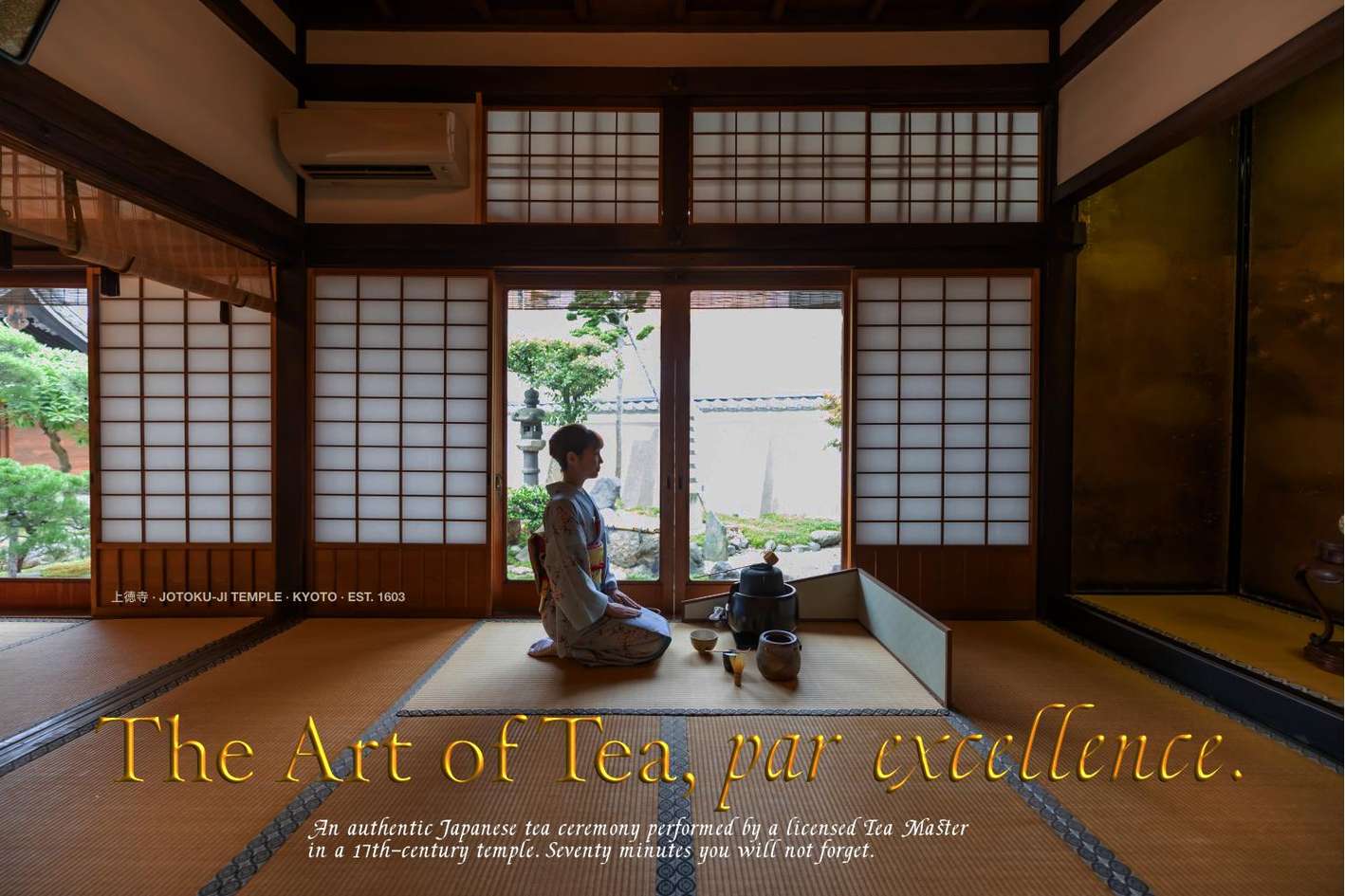
Book a tea ceremony on consecrated temple grounds. Join thousands who whisked matcha inside Jotokuji Temple, where tatami, a purification ritual and quiet garden walks replace the commercial studio. Reserve your seat in the tearoom today.
"Loved how hands-on it was, I got to make my own matcha. The demo shows every step's harmony and detail. The venue feels like stepping back in time. Great value for the price."
4.8★average rating8,651traveler reviews100%free cancellation28countries travelers came from
Kyoto tea ceremony in temple and garden - which one fits you
Temple and garden ceremonies in Kyoto come in two main shapes: watching a tea master work in a garden tea house, or walking onto temple grounds first and taking part inside a working temple hall. The one difference that decides it is what you want around you while the matcha is whisked: a framed view of moss and stone, or wooden temple architecture and the sound of boiling water.
Both suit beginners. Hosts explain each step in English, and you whisk your own bowl in the second half.
ChildrenThe Jotokuji Temple ceremony does not admit children under 5, and the garden tea house near Kiyomizu-dera admits children from 7 and up.
SeatingIf kneeling on tatami is hard for you, seats and stools can be provided in the Jotokuji Temple tearoom; ask when you book.
WheelchairsJotokuji Temple grounds are accessible, but the tearoom is not, because three steps lead to it.
SocksYou take off outdoor shoes and must wear socks on the tatami; any clean pair without holes is fine, white socks are a courtesy rather than a rule at most temples.
JewelryTake off rings and watches before handling the tea bowl, since metal scratches ceramics and lacquerware.
Kimono timingIf you book the kimono and tea combination near Kiyomizu-Gojo, arrive one hour before the ceremony to choose your outfit and get dressed.
WeatherThe garden tea house near Kiyomizu-dera runs rain or shine, so a wet morning does not cancel your booking.
Finding the roomInside Jotokuji Temple, face the Main Hall and take the few steps on the left to reach the tea room.
AllergiesWagashi sweets can contain wheat, soy, or nuts, so tell the host well in advance if you have a serious allergy.
SeasonApril, September, and November are the busiest months in Kyoto, and popular tea ceremony slots fill up in advance, so book early for those.
accessJotokuji Temple is wheelchair accessible, but its tearoom is not, because three steps lead up to the entrance.
If anyone in your group uses a wheelchair, plan on the Ju-An ceremony being out of reach at this temple and choose the garden tea house near Kiyomizu-dera instead, which runs its tatami session on the ground floor.
Temple tea ceremonies in Kyoto worth booking
Most popular
70 minutes·English
4.9(3,853)
Kyoto: Tea Ceremony Ju-An at Jotokuji Temple
Nearly 4,000 reviews give this the biggest fan base of any Kyoto tea ceremony on the site, and it includes a full temple walkthrough plus purification ritual.
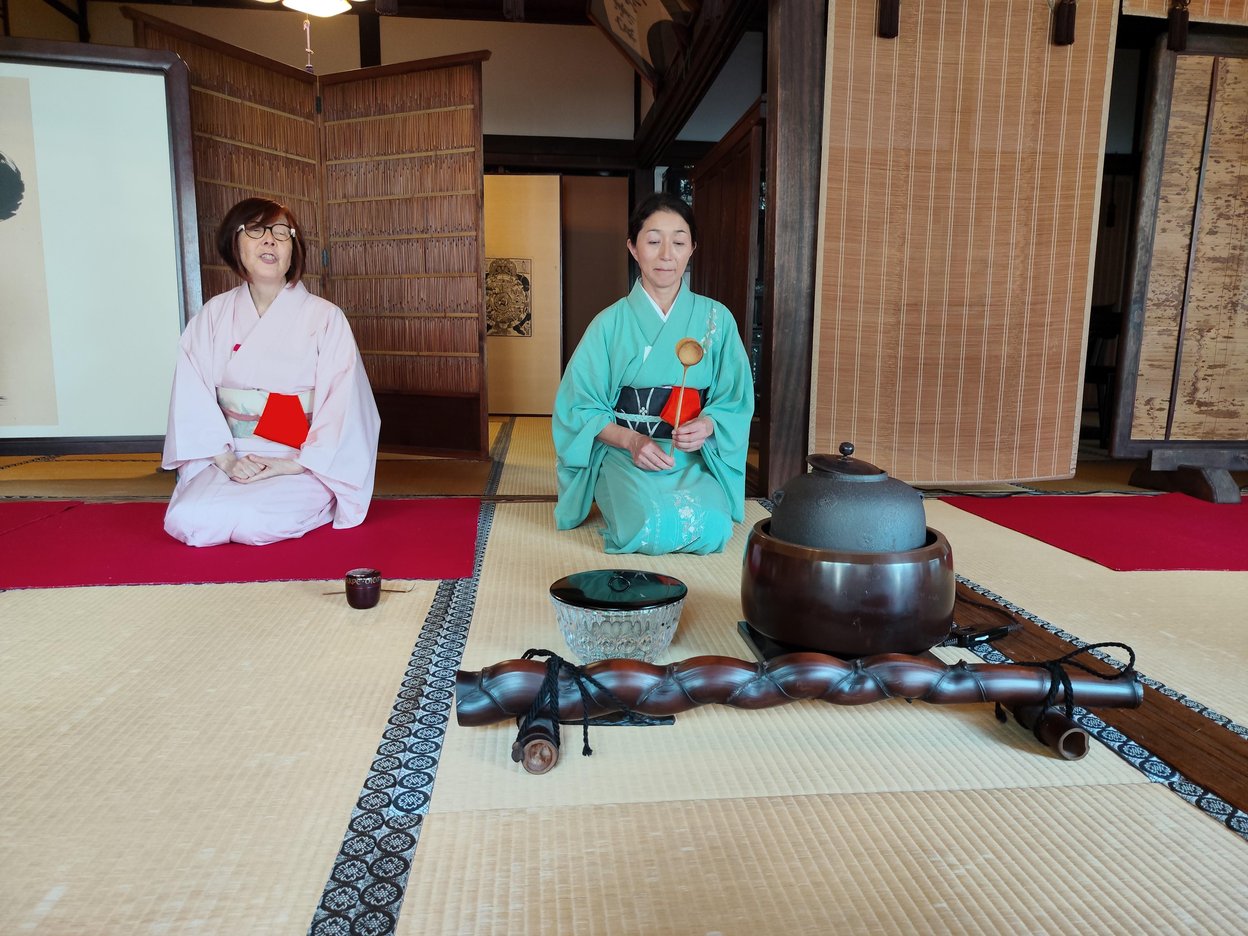
The matcha is almost a side note to the setting here. Your 70 minutes at Ju-An begin among the temple buildings of Jotoku-ji in Shimogyo, past the Grand Tearoom and the parish shop, where a guide waits by the red benches.
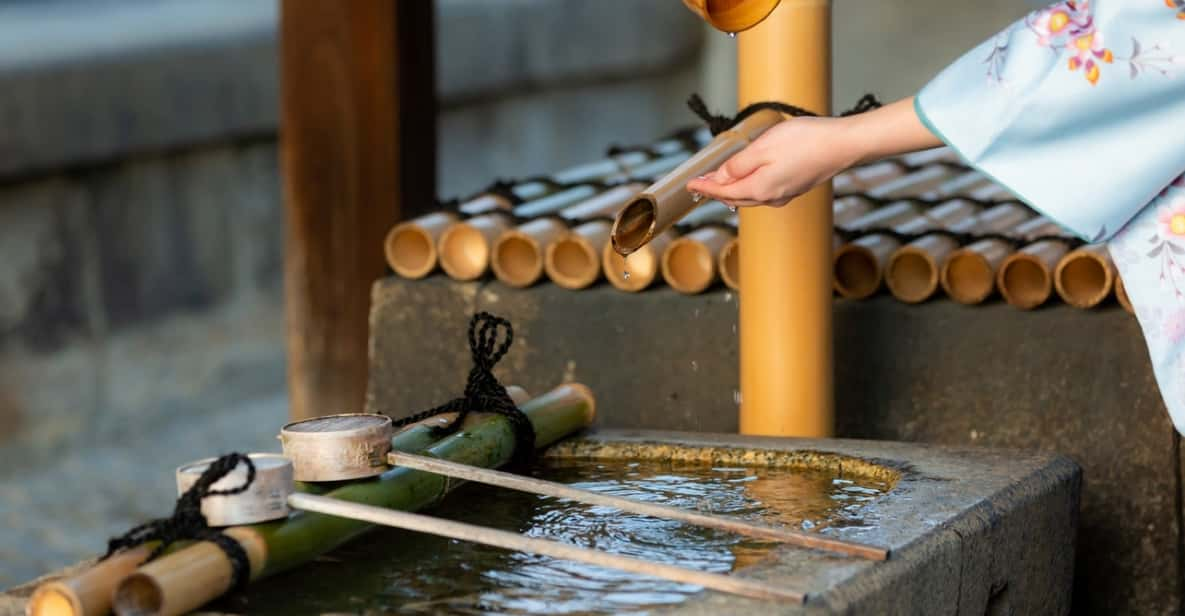
The architecture is worth a look before anything starts, and so is the purification fountain in the grounds.
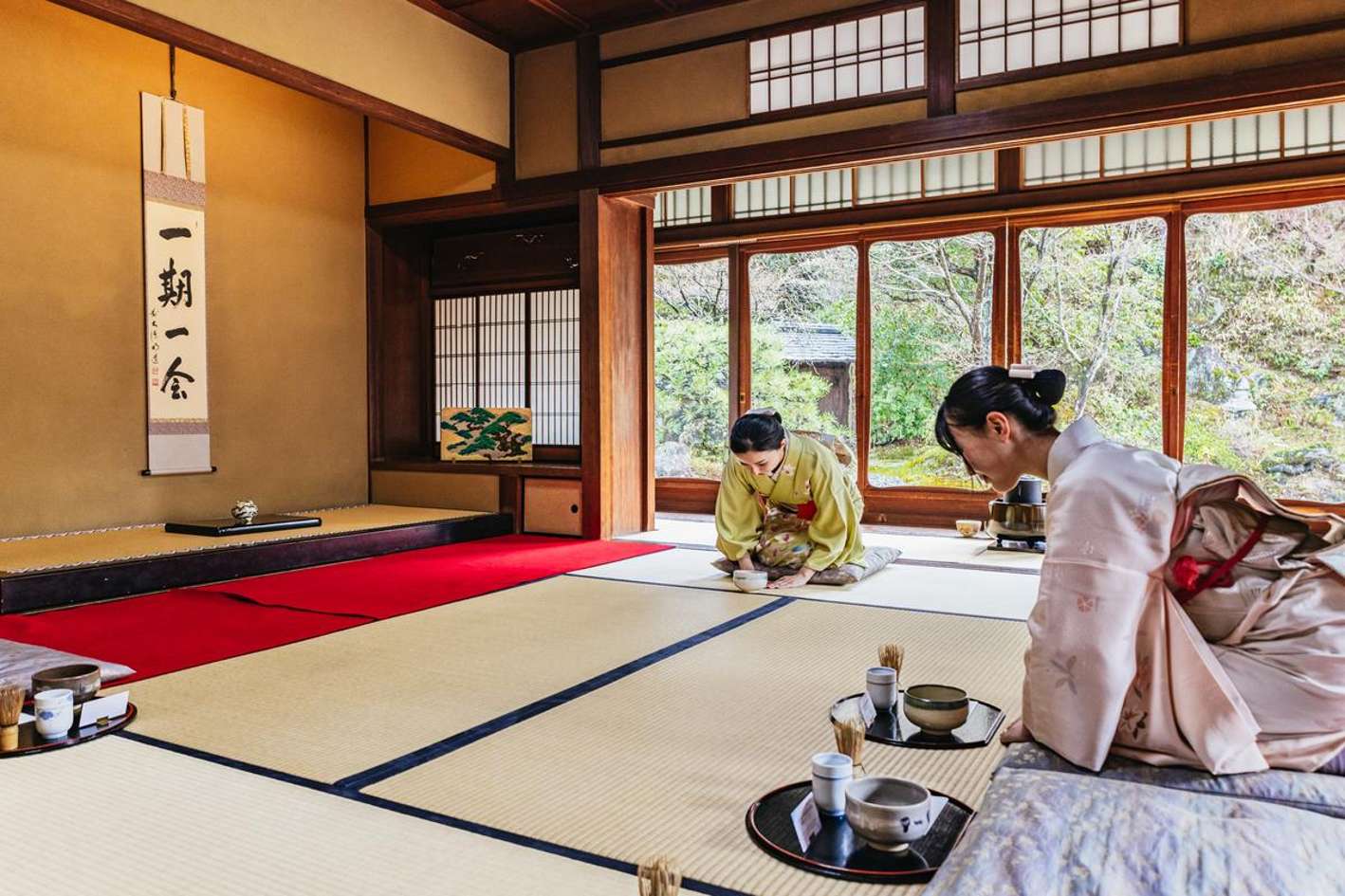
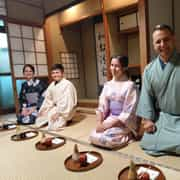
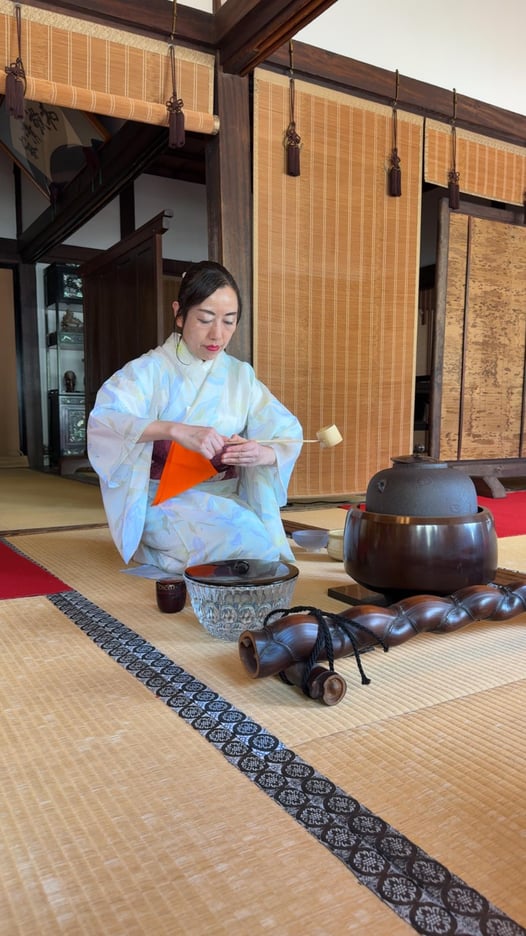
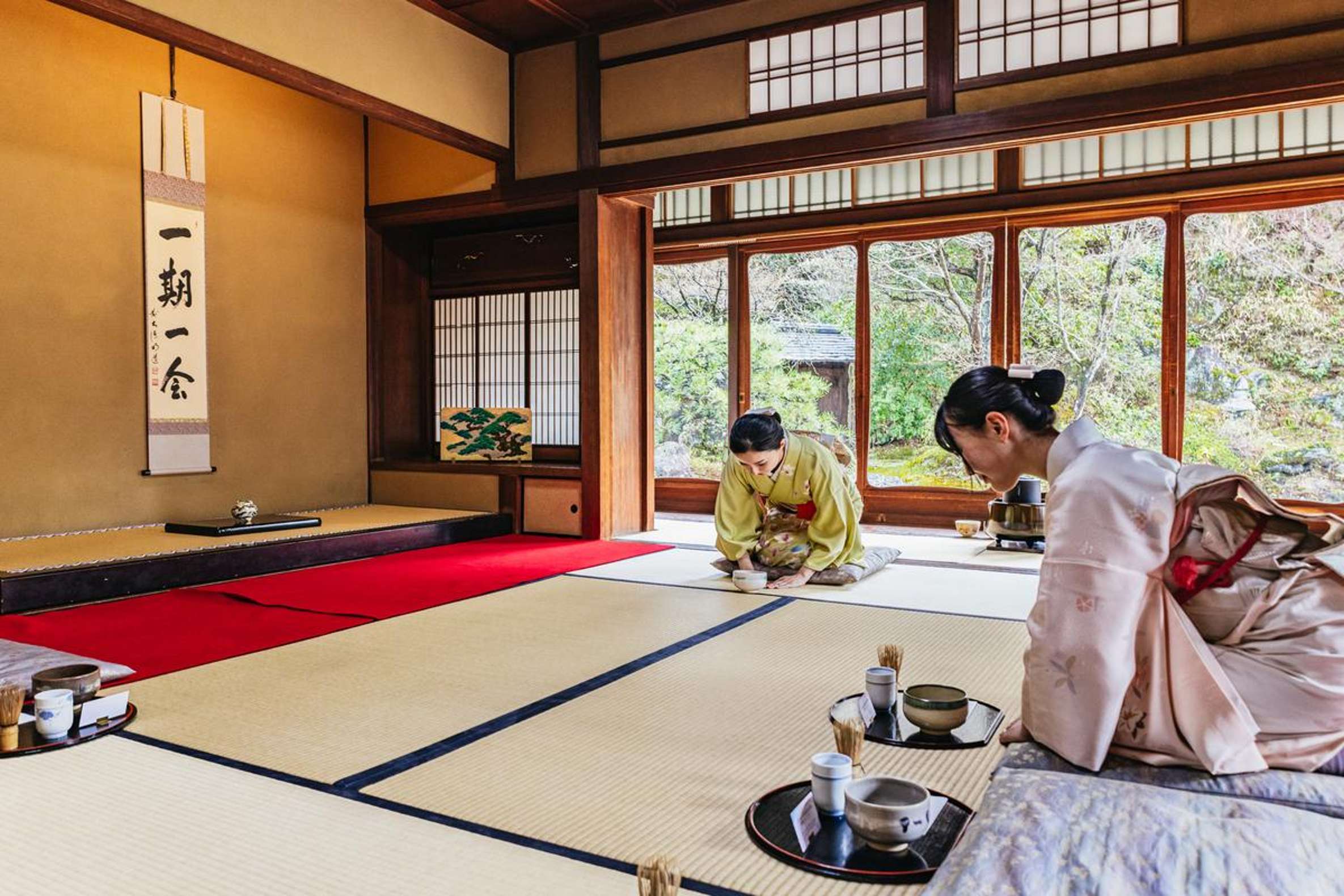
From there the ceremony itself unfolds in the Grand Tearoom: a purification ritual at the start, shoes off at the entrance, then the tea workshop. The session stays relaxed for first-timers, and anyone who finds floor sitting hard can ask for a seat or a stool. Kimono rental is available separately if you want it.
1Walking the temple grounds· about 10 minEnter through the main gates, admire the temple architecture and stop by the purification fountain. Your guide meets you at the red benches.2Purification ritual· about 10 minBefore tea, your guide leads a traditional purification ritual, a small rite few visitors get to try anywhere else.3Into the Grand Tearoom· about 10 minShoes come off at the entrance, then you settle into the tearoom, where your instructor waits. Seats and stools are available on request.4Watch the host prepare matcha· about 15 minThe instructor demonstrates the tea preparation, explaining each movement as it goes, unhurried and easy to follow.5Whisk and drink your own bowl· about 20 minYou whisk your own bowl of matcha, then drink it alongside the sweet served with it. Most guests leave surprised by how fresh the tea tastes.6Leaving the grounds· about 5 minYou walk back out through the temple gates with time to spare for the sights nearby.
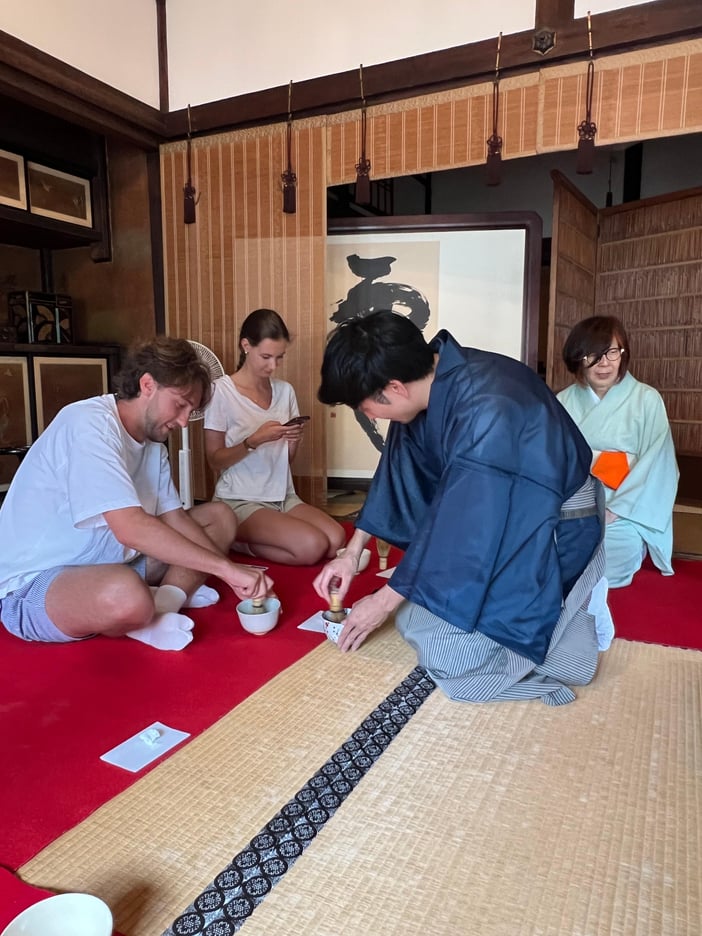
Most reviewers watched the tea master first, then whisked their own matcha and called making it themselves the highlight.
Best surprise
Several reviewers who never liked matcha back home found the freshly whisked bowl here surprisingly good.
Most common wish
A few couples wished the ceremony ran longer, since forty minutes felt too quick for the price they paid.
How to book your temple tea ceremony in Kyoto
01
Pick your date and time
Choose a date first, then a session. The Ju-An ceremony at Jotokuji runs 70 minutes, and the garden tea house near Kiyomizu-dera runs 45 minutes, so you can slot either around a morning or afternoon of sightseeing.
Pro tipThe 9 am to 11 am window has the quietest streets and the best daylight on the garden, so book the first slot of the day when you can.
ImportantLate entry rules are strict. At some venues, doors lock at the start time and anyone more than 30 minutes late is turned away with no refund.
02
Choose the right option
Read the option list before you tap. The temple option covers the temple walkthrough and the tea ceremony, while the garden tea house near Kiyomizu-dera includes two cups of matcha, one made by the host and one by you.
Common mistakeFirst-timers book the option that suits the wrong child. The temple session does not admit children under 5, and the garden tea house does not admit children 7 and under.
Pro tipIf kneeling on tatami worries you, the temple session offers seats and stools for guests who prefer not to sit on the floor, so you can book it anyway.
03
Pay and confirm
Pay by card, and your confirmation arrives by email with a voucher. Keep it on your phone, and check the messages from the operator before the day, because they carry the meeting point and any last changes.
Pro tipBoth featured ceremonies let you cancel up to 24 hours in advance for a full refund, so you can book early and adjust your plans if your itinerary shifts.
RecommendedDuring cherry blossom season and autumn foliage, popular slots fill up in advance, so lock in your date weeks ahead rather than on arrival.
04
Find the meeting point
For Ju-An, enter through the main gates of Jotokuji Temple and meet at the red benches nearby, where your guide waits. Once inside, facing the Main Hall, a few steps on the left lead to the tea room.
Common mistakeThe temple grounds are easy to over-explore. The tearoom is not wheelchair accessible because of three steps, so plan around that before you arrive.
RecommendedBudget 90 to 120 minutes in total, including 20 to 30 minutes after the ceremony to look at the gardens and temple architecture.
05
Get ready on the day
Arrive 10 to 15 minutes early. You will remove your shoes at the entrance, so wear clean socks, and leave luggage or large bags behind, since the garden tea house does not allow them.
ImportantThe garden tea house near Kiyomizu-dera denies entry to children 7 and under, and the temple session does not admit children under 5, so a document check is not the issue here, the age limit is.
Pro tipThe garden tea house runs rain or shine, so a wet day does not cancel your session. The garden looks different in the rain, and many people like it that way.
What to know before you book a temple tea ceremony
Can stop the dayGood to knowGood news
01
ChoosingWhat it is, who it suits, when to go
3
Access
The Jotoku-ji temple grounds are wheelchair accessible, but the tearoom itself has three steps and is not. Visitors with mobility limits can still enjoy the architecture and gardens on the grounds.
Jewelry
Take off rings and wristwatches before the ceremony. They can scratch or crack the ceramic tea bowls when you lift them with both hands.
Timing
Book the mornings before 11 am or the late afternoon after 3:30 pm for the quietest streets and the softest garden light. Budget 90 to 120 minutes in total: arrive 10 to 15 minutes early, allow 45 to 70 minutes for the ceremony itself, and leave time to look around the grounds afterwards.
02
BookingHow far ahead, and what happens if plans change
3
Caffeine
Matcha cannot be made decaf, but you are not forced to drink a full bowl. Tell your host in advance if caffeine is a problem and you can take one courtesy sip or ask for plain hot water. A ceremony portion is only a few small sips anyway.
AllergiesCan stop the day
The traditional sweets served with the tea can contain wheat, soy, or nuts, and shared equipment adds cross-contact risk. If you have a serious allergy, tell the host well in advance and check the ingredients before eating.
Cancellation
Both featured ceremonies let you cancel up to 24 hours in advance for a full refund. Arriving late is the bigger risk: past the start time, many tea houses refuse entry with no refund, so build in spare time for finding the entrance.
03
Before you goPapers, health, what to bring
2
Age limitsCan stop the day
Children under 5 cannot join the Jotoku-ji temple ceremony, and the garden tea house near Kiyomizu-dera admits no one 7 or under. Check both listings before booking if you travel with kids.
What to wear
Shoes come off at the entrance, so wear socks you are happy to be seen in; clean socks of any color are fine on temple tatami, and white ones are a courtesy, not a requirement. Dress in loose, modest clothes that let you sit on the floor, and skip heavy perfume because the tea's aroma is part of the ritual.
04
On the dayWhere to be, when, and how you get there
1
Meeting point
Both ceremonies start at the venue itself, with no pickup. At Jotoku-ji you enter through the main temple gates and meet your guide near the red benches; if it rains, you wait under the shop gable or in the Grand Tearoom. Facing the Main Hall, the tea room sits a few steps to the left.
05
During the tourWhat is expected of you
3
Seating
You sit on tatami, but you do not have to kneel. Jotoku-ji can provide seats and stools for anyone uncomfortable in the traditional position. If your legs go numb, shift your posture and keep your feet tucked or pointed away from the host.
Photos
Video recording is not allowed at some Kyoto tea ceremonies, and flash photography is generally off the table. The garden tea house near Kiyomizu-dera includes a photo with your visit, so you go home with a picture either way.
Group size
The temple tearoom keeps a quiet, almost meditative atmosphere, so silence is expected and chatter stays outside the room. Sessions run at an unhurried pace, closer to seated meditation than a show. You also whisk your own bowl of matcha after watching the master.
A guide to temple tea ceremony in Kyoto
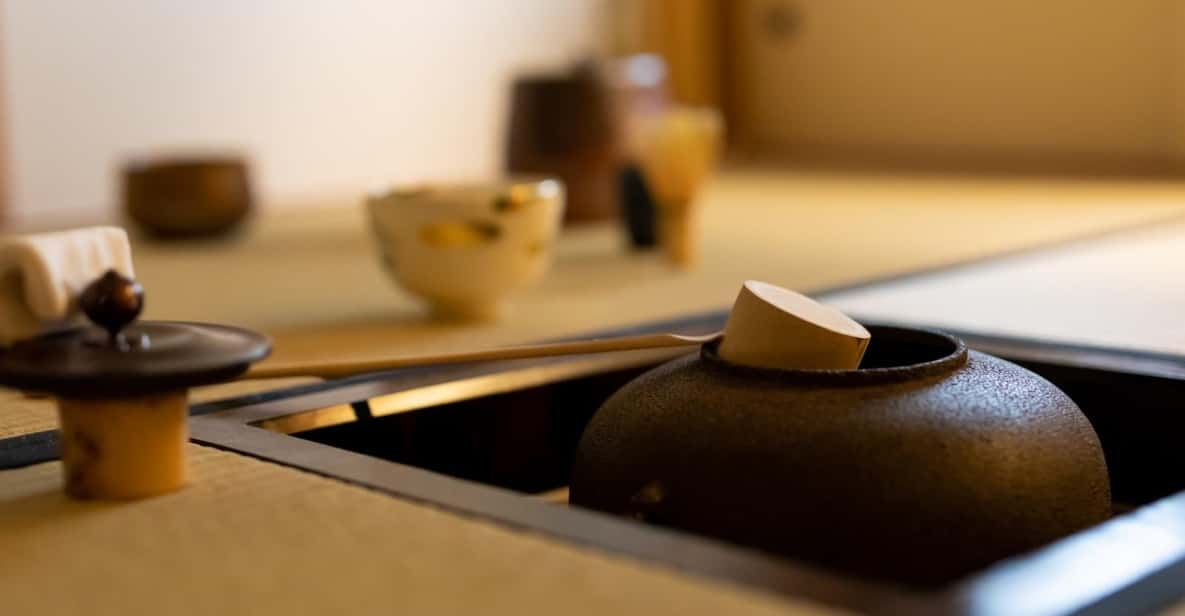
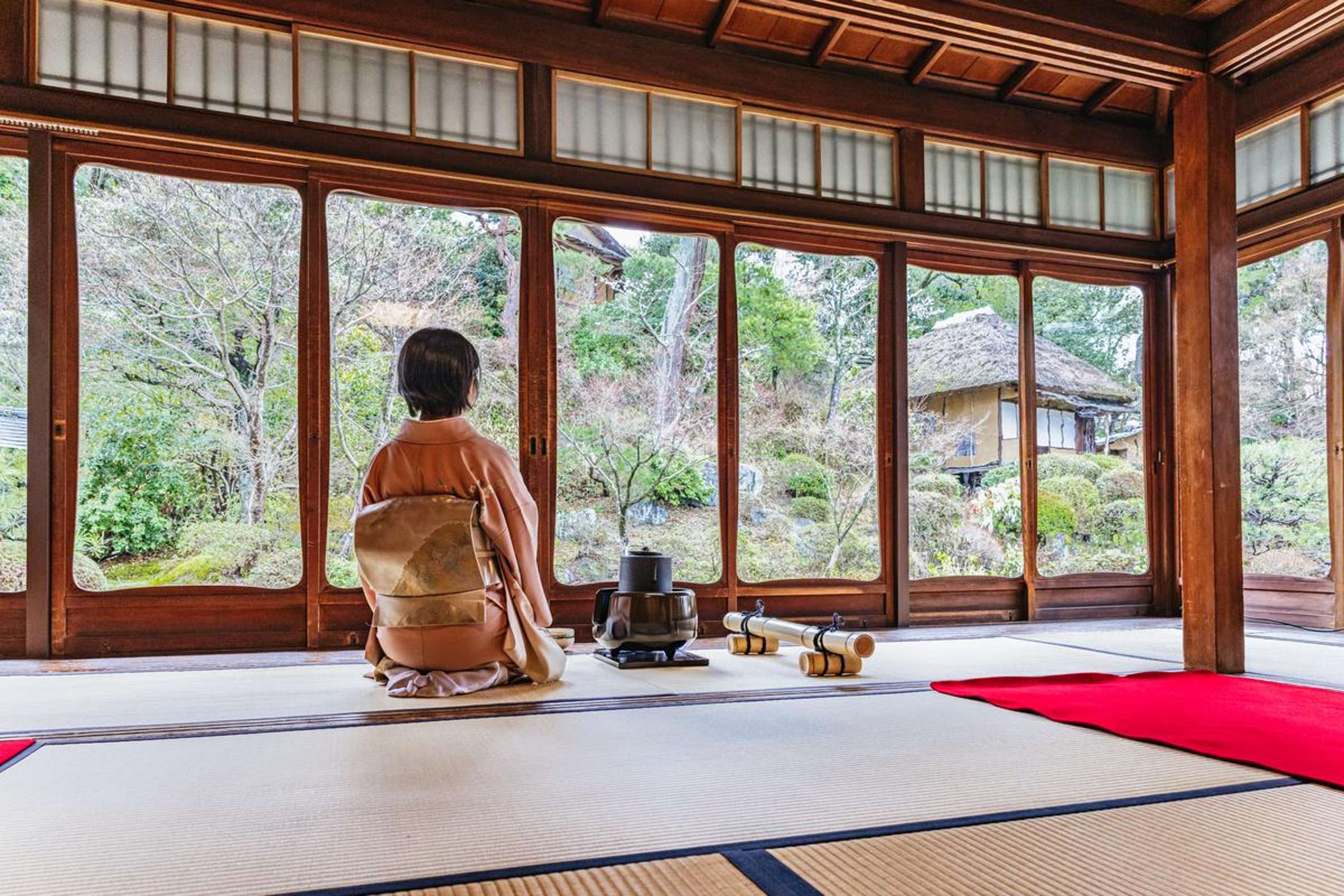
The matcha is whisked a short walk from where monks still live and pray, and the garden sits framed in the window behind the host. This guide walks you through the setting, the ritual itself and the booking details that decide the day.
Kyoto
If you only remember three things
1
Book 6 to 8 weeks ahead for April and November; walk-ups are unreliable in peak season.
2
Arrive 10 to 15 minutes early: the doors lock at start time and late entry is refused.
3
Budget 90 to 120 minutes in all, including 20 to 30 minutes in the gardens afterwards.
Is a temple tea ceremony different from a studio?
The doubt is fair. Plenty of rooms in Kyoto have tatami, a kettle and a flyer, and some of them call themselves tea ceremonies. A temple session starts differently.
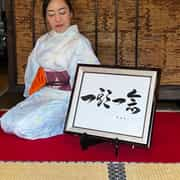
At Tea Ceremony Ju-An, you enter through the main gates of Jotoku-ji and walk the temple grounds before you ever sit down, passing the entrance to the Grand Tearoom and stopping by the purification fountain.
Commercial studios tend to miss the things that give a ceremony its spine: a traditional garden path, a scroll chosen for the season, bowls with a history behind them. In a working temple, the setting supplies all three without trying. Bowls with a documented maker are one marker worth noticing.
Beginner nerves ease quickly here. Introductory sessions with English explanations are built to be relaxed and welcoming, focused on the history and the meaning of the utensils, with no silent tests of etiquette.
What people wrongly assume
MythAll Kyoto tea ceremonies are the same scripted show
Reality
Formats differ widely: some are full rituals with instruction, others just serve green tea and sweets. Check duration and what is included before you book.
MythTemple settings mean rigid silence tests for foreigners
Reality
Introductory tourist ceremonies are designed for beginners, with English explanation woven through the ritual.
MythAny room with tatami counts as authentic
Reality
Look for the real markers: temple grounds, a garden path, a seasonal scroll, utensils with a known history.
One glance at a listing's duration and included items separates a full ritual from a cup of tea with a view, and it is the first thing to check.
Tour for this
Kyoto: Kimono, Tea Ceremony with Japanese Garden and Studio4.7★ (180) · 40 minutes - 1 day · Free cancellation
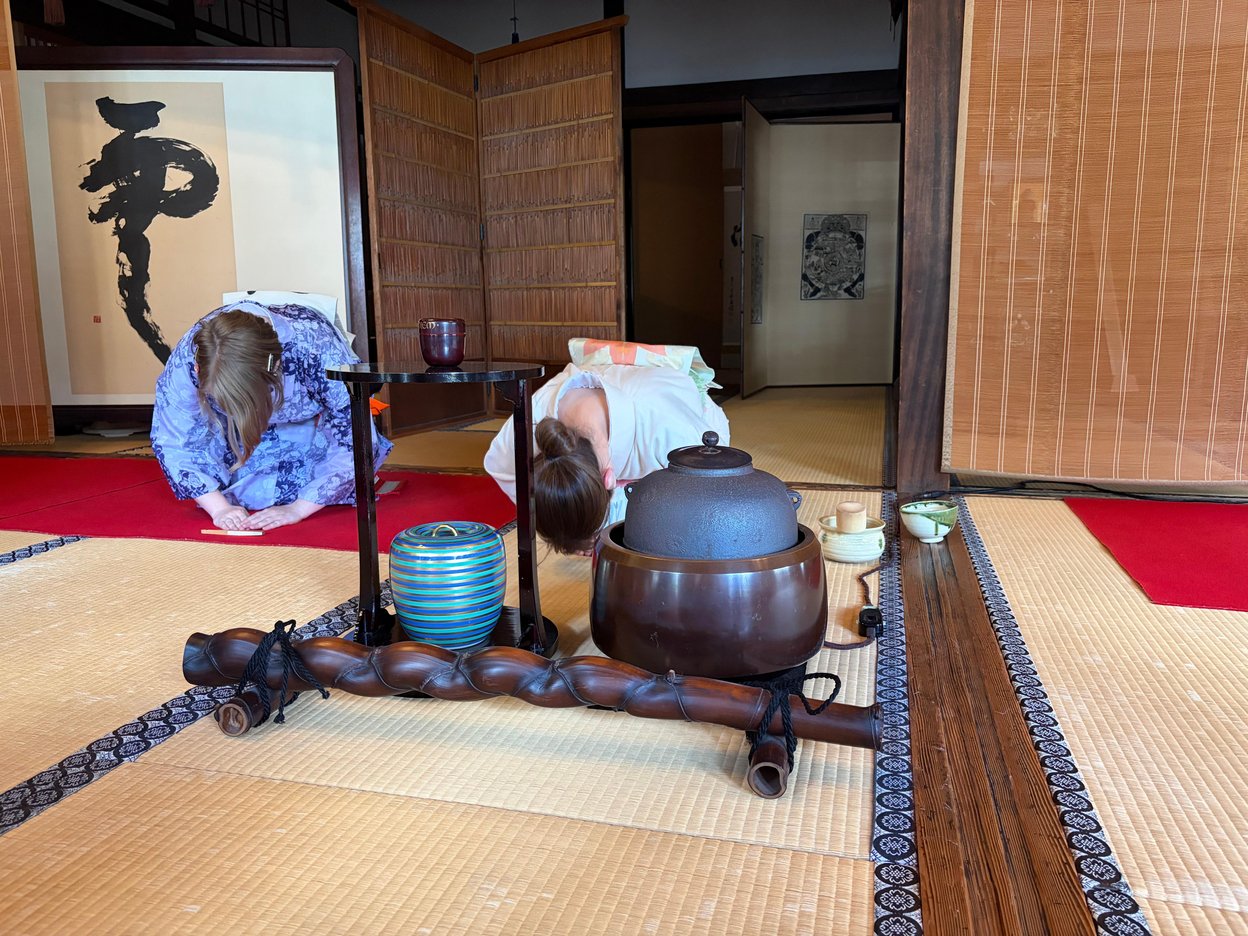
Some authentic garden tea houses open through the nijiriguchi, the small crawl-in doorway, and the low door is no accident. Sen no Rikyu made it small so every guest bows on the way in, samurai and farmer alike, and no room inside feels bigger or humbler for anyone.
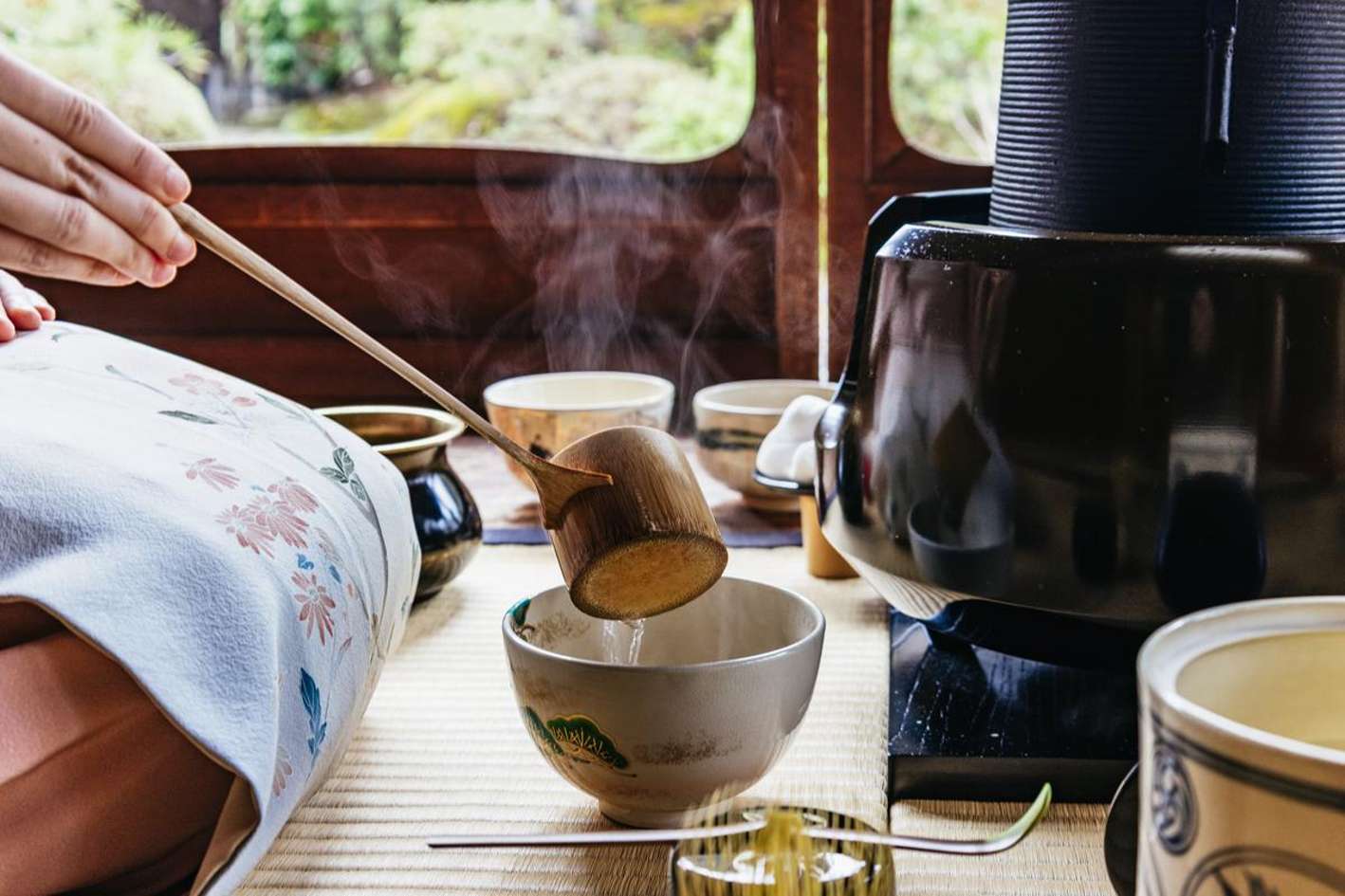
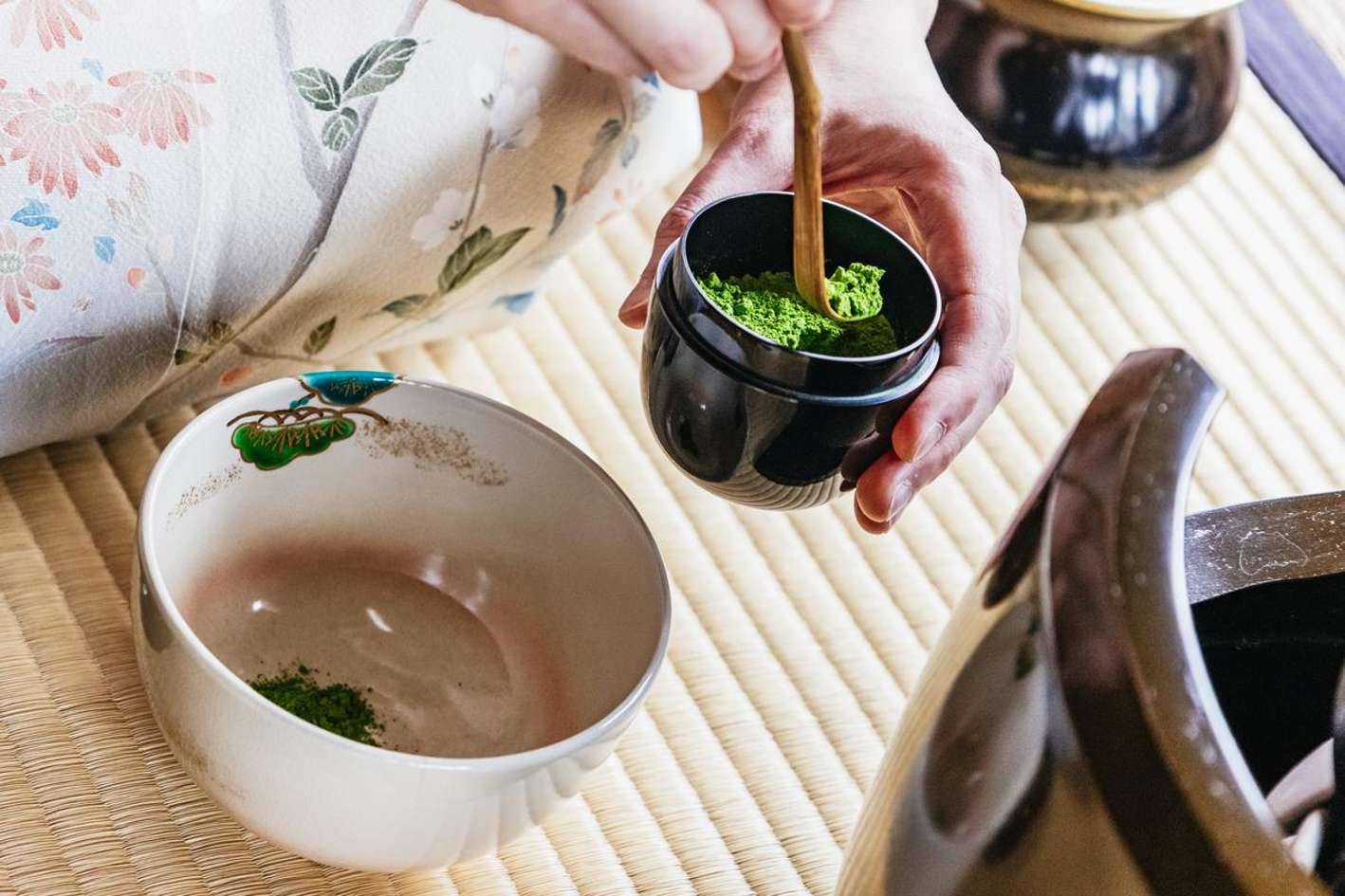
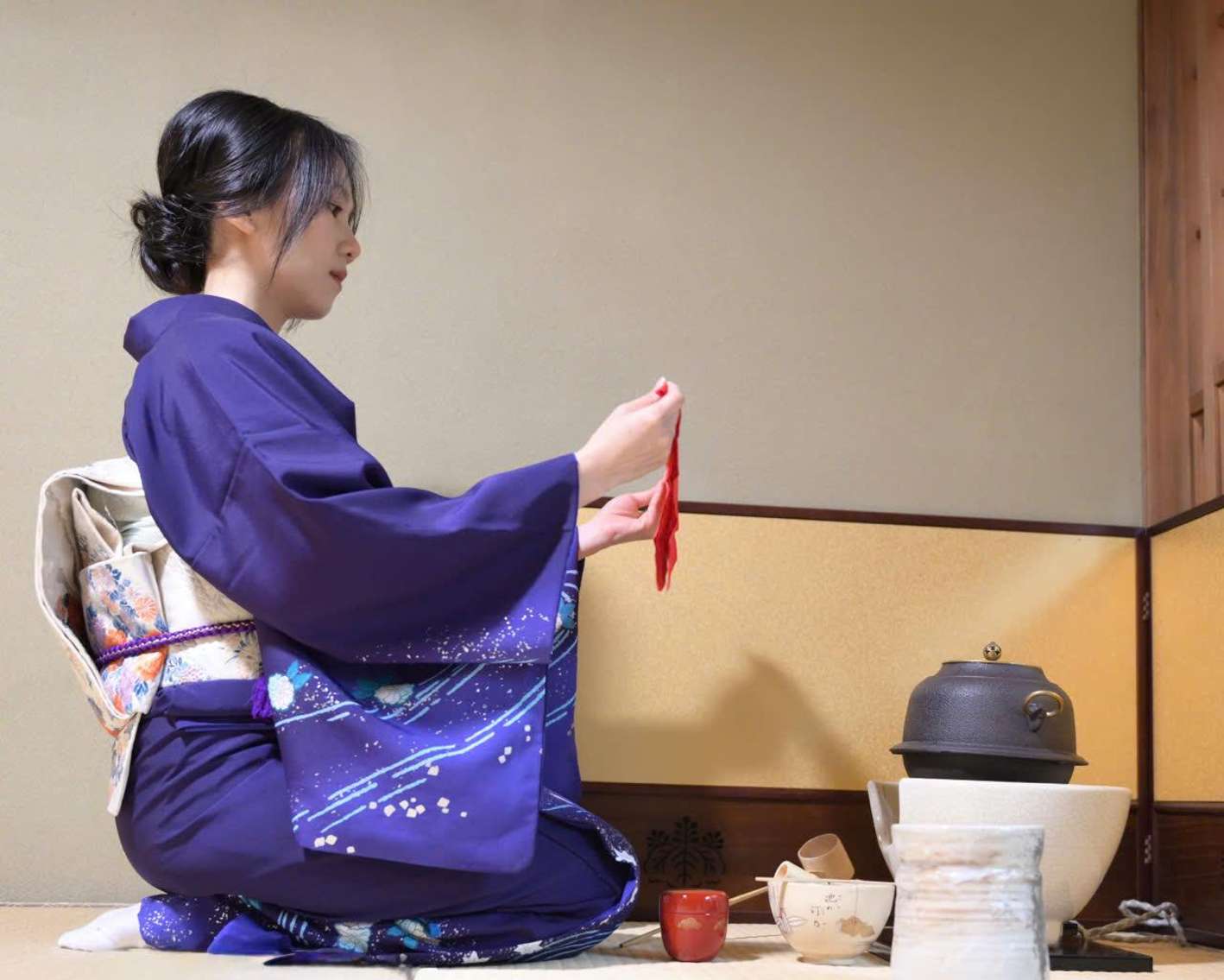
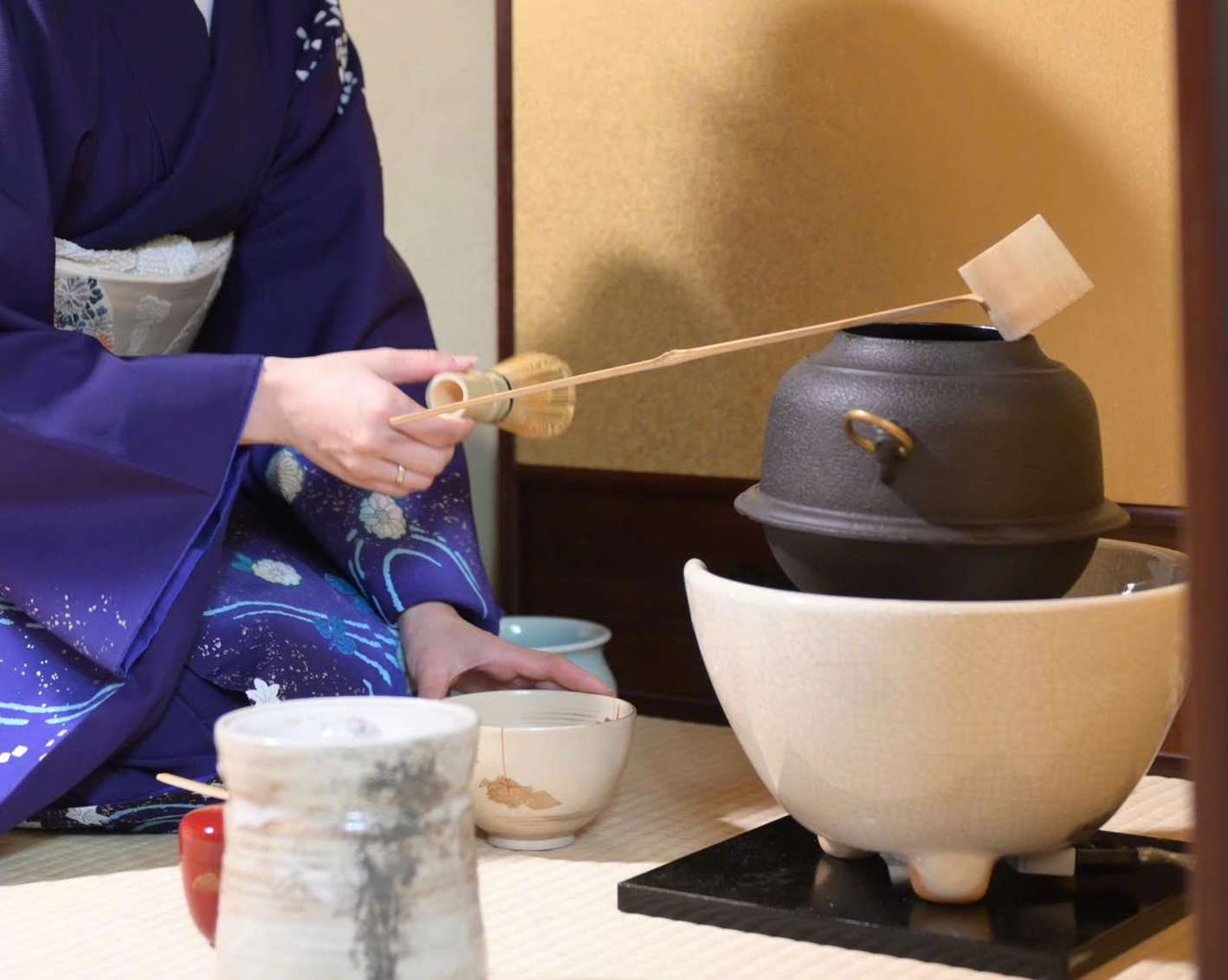
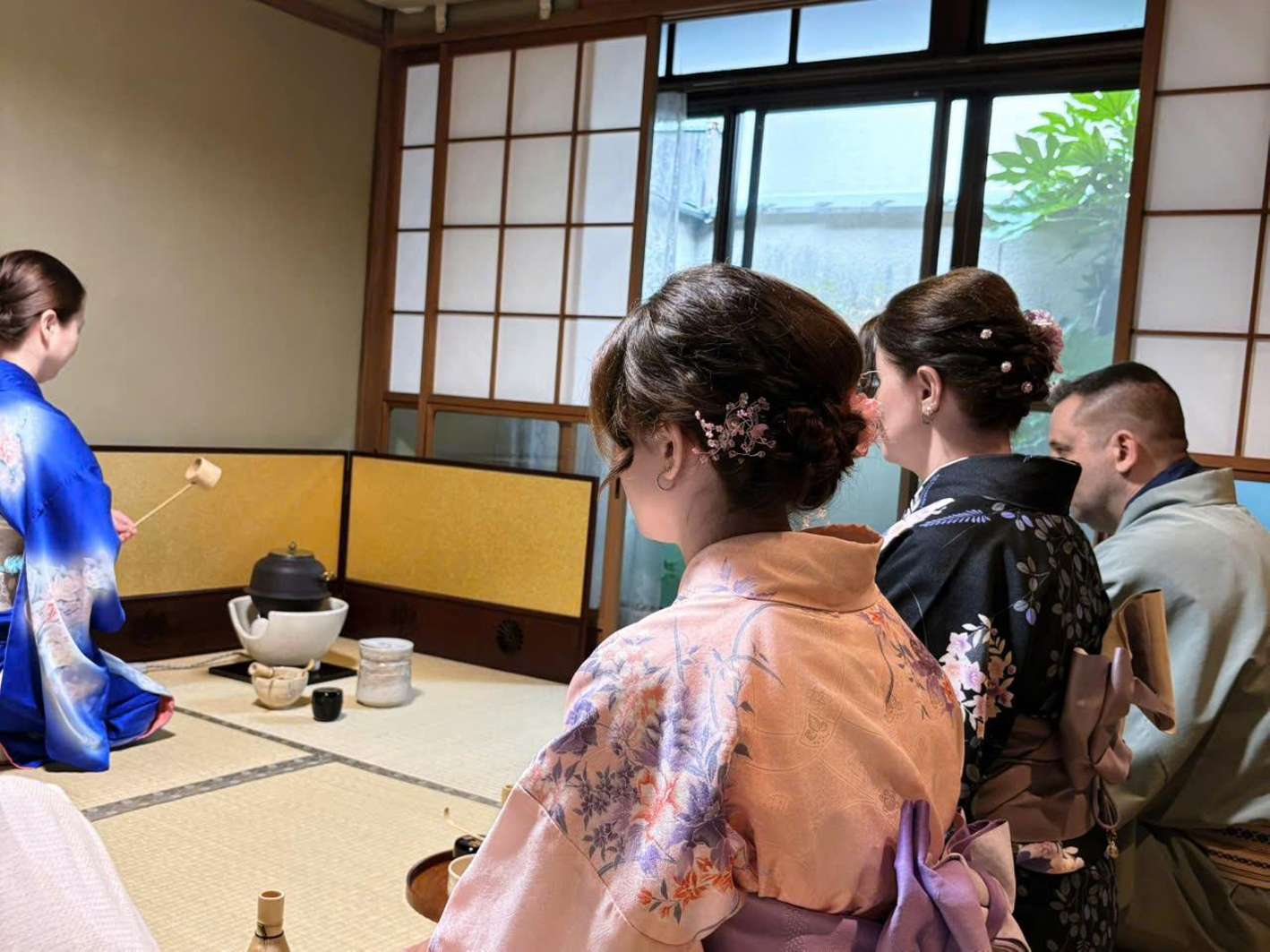
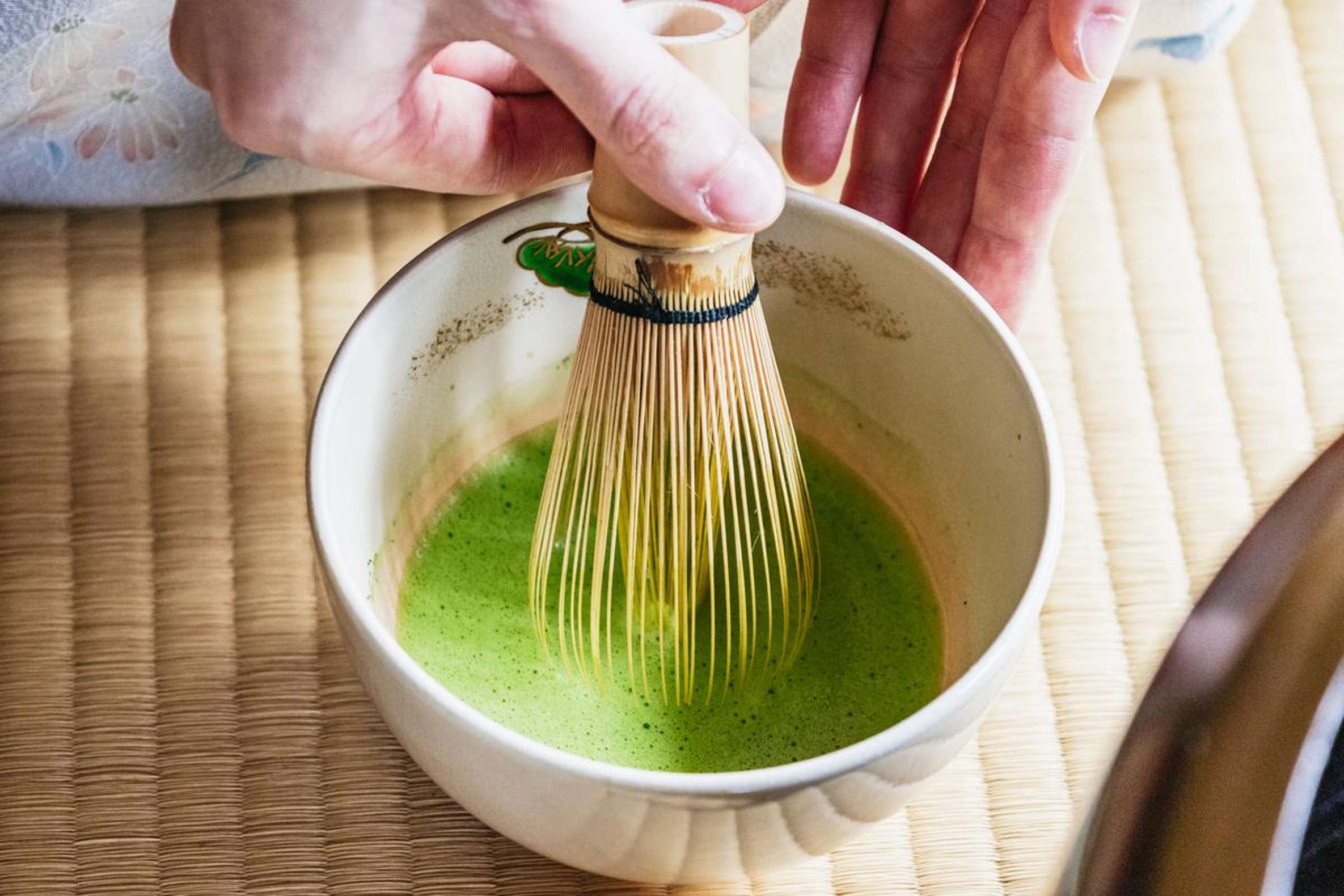
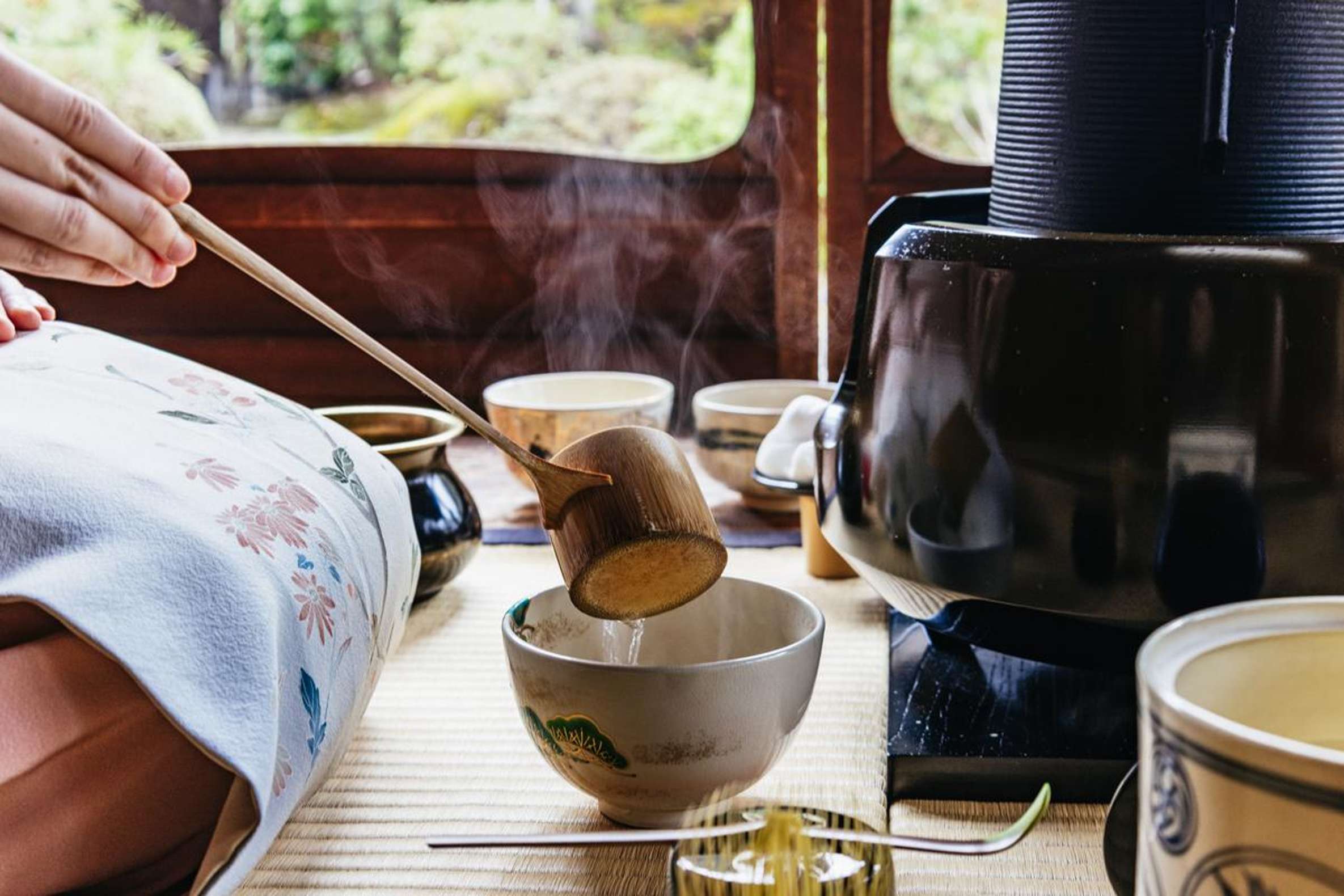
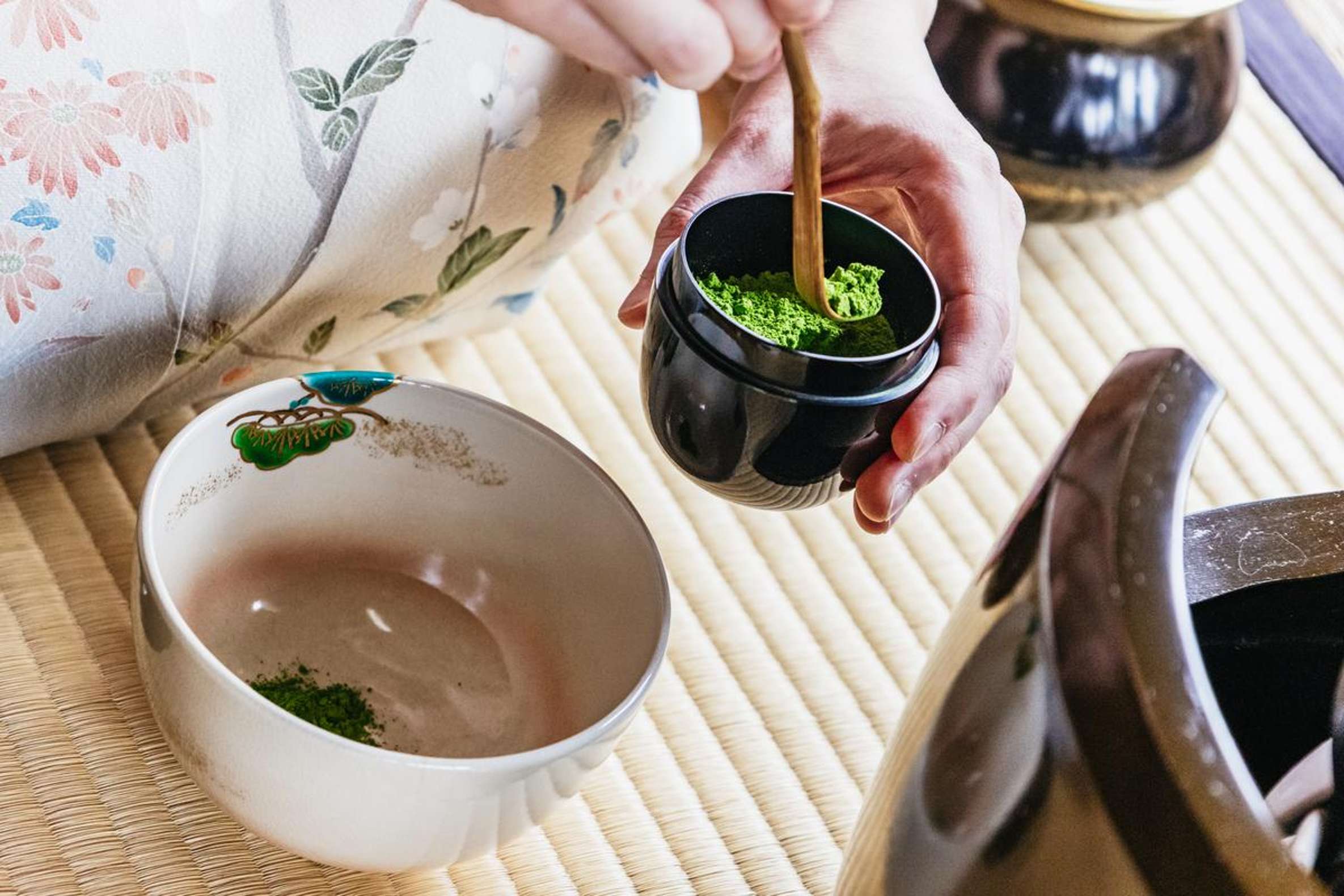
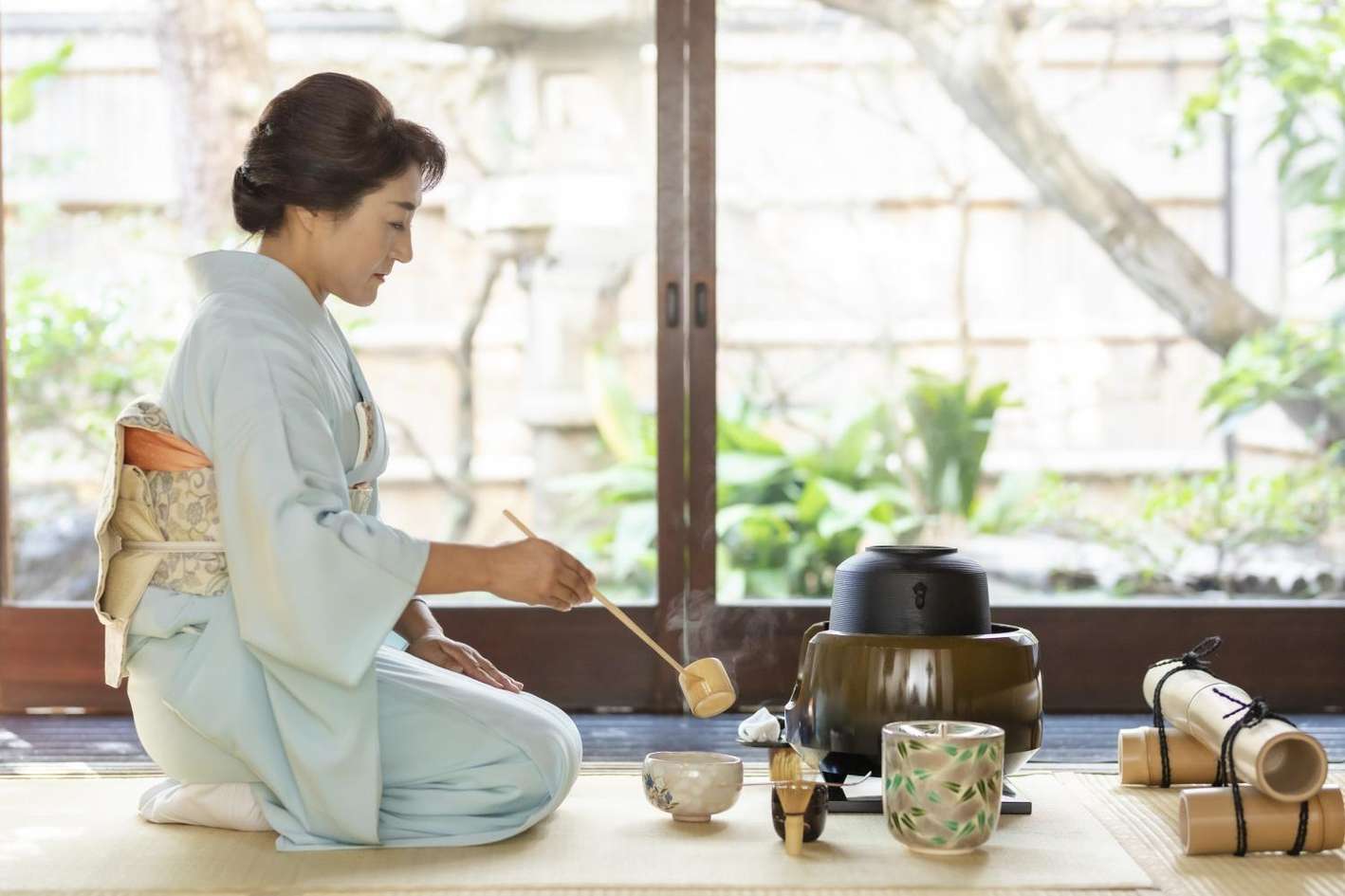
Once seated, the shape of the session is simple to follow. The tea master prepares matcha in front of you while explaining the history, the utensils and the meaning behind each gesture.
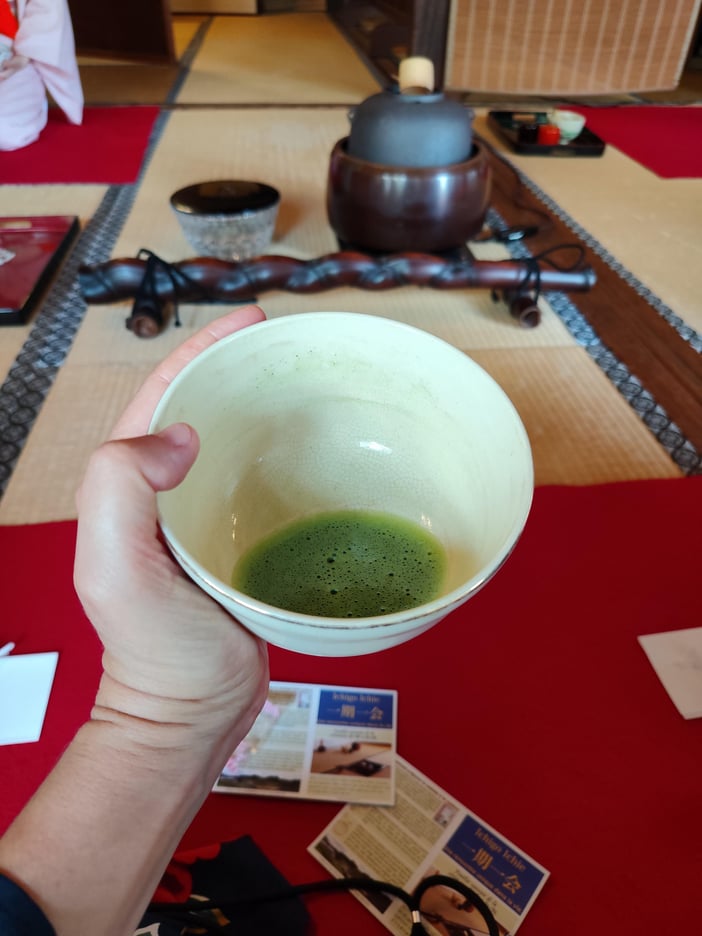
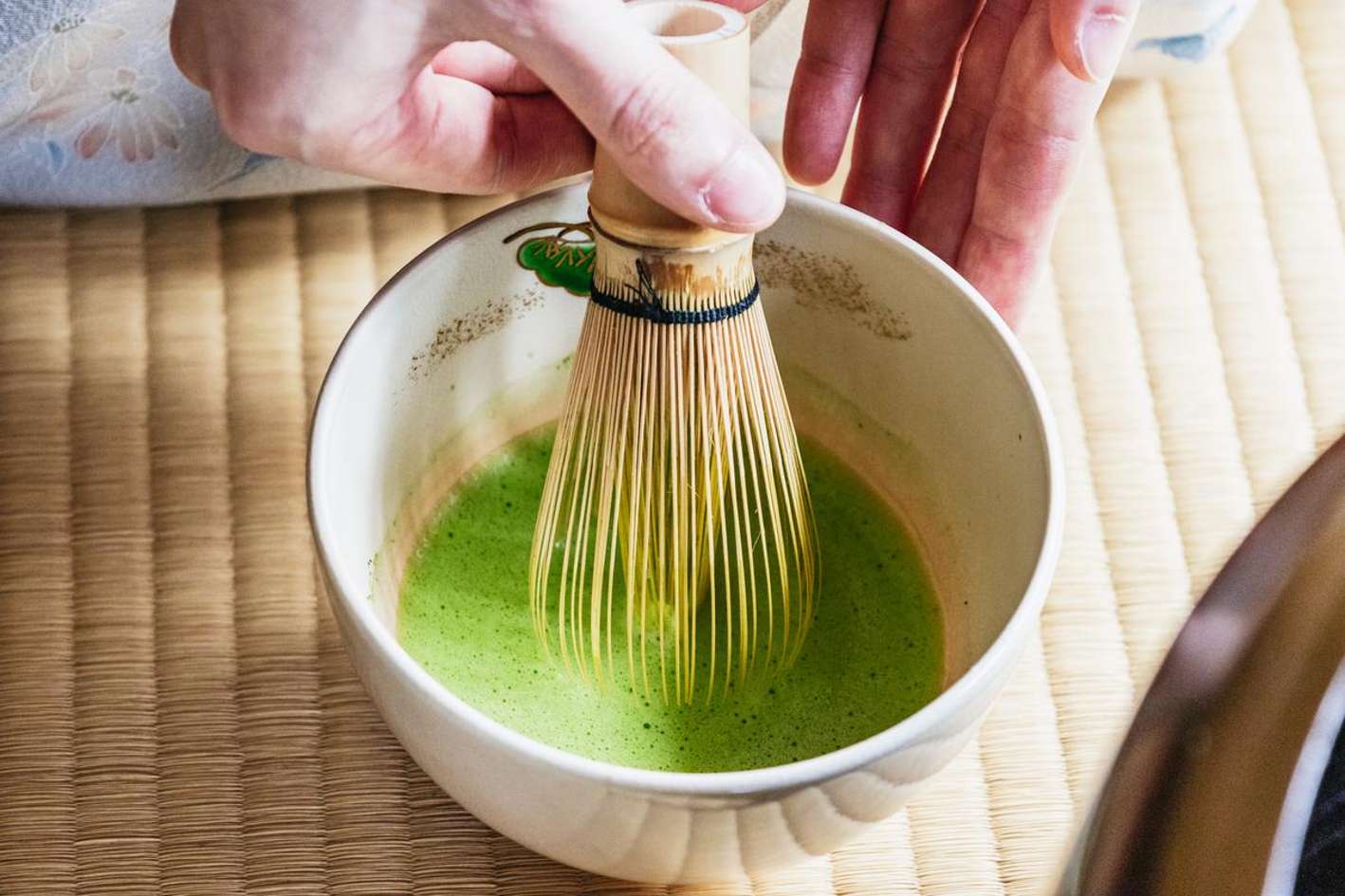
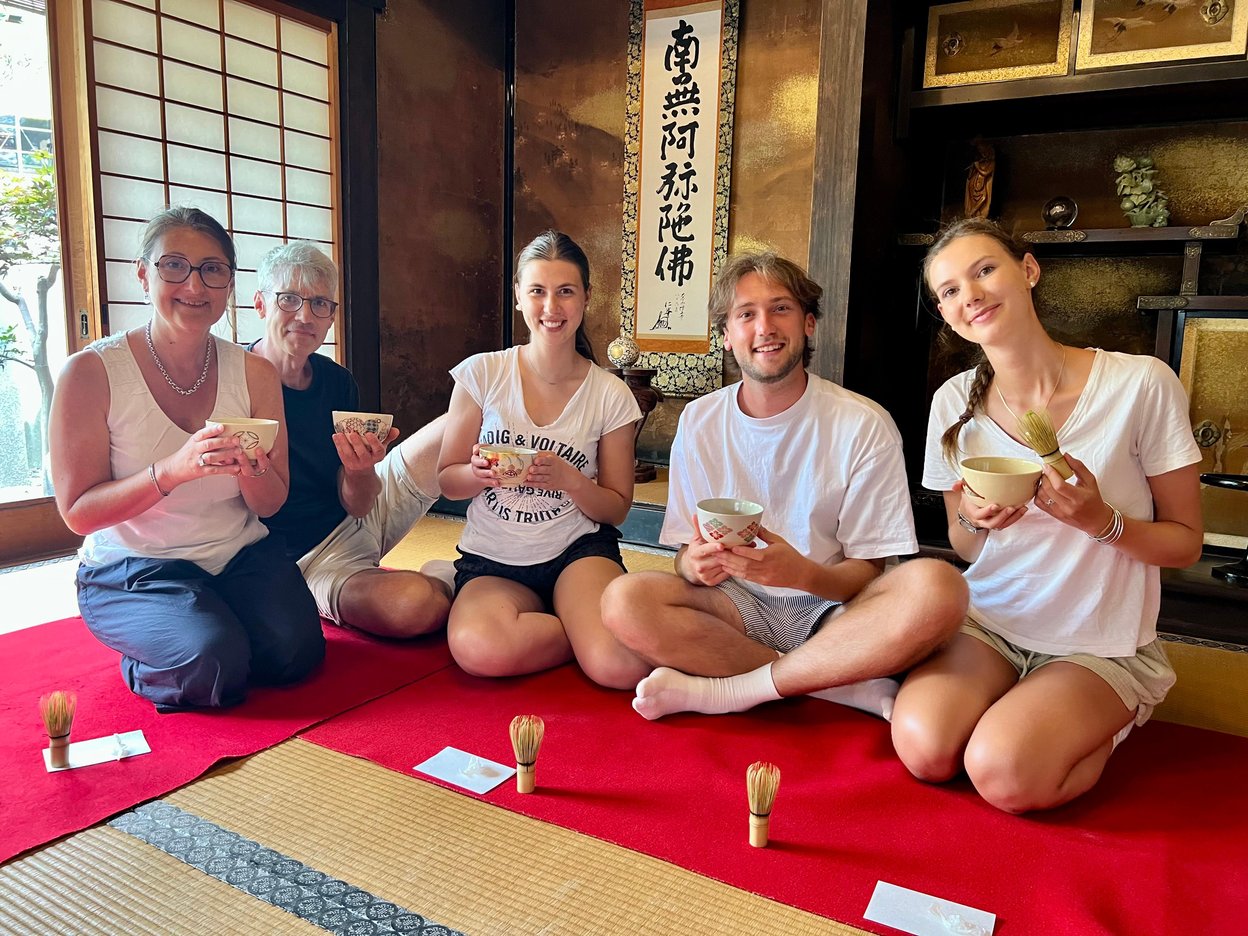
Then comes your turn: you receive the bowls and tools and whisk your own matcha. Most visitors say this is the part they remember.
The wrist is where beginners stumble. Whisk quickly back and forth in a zigzag, keeping the wrist loose; circular stirring and a stiff arm or shoulder are what flatten the tea.
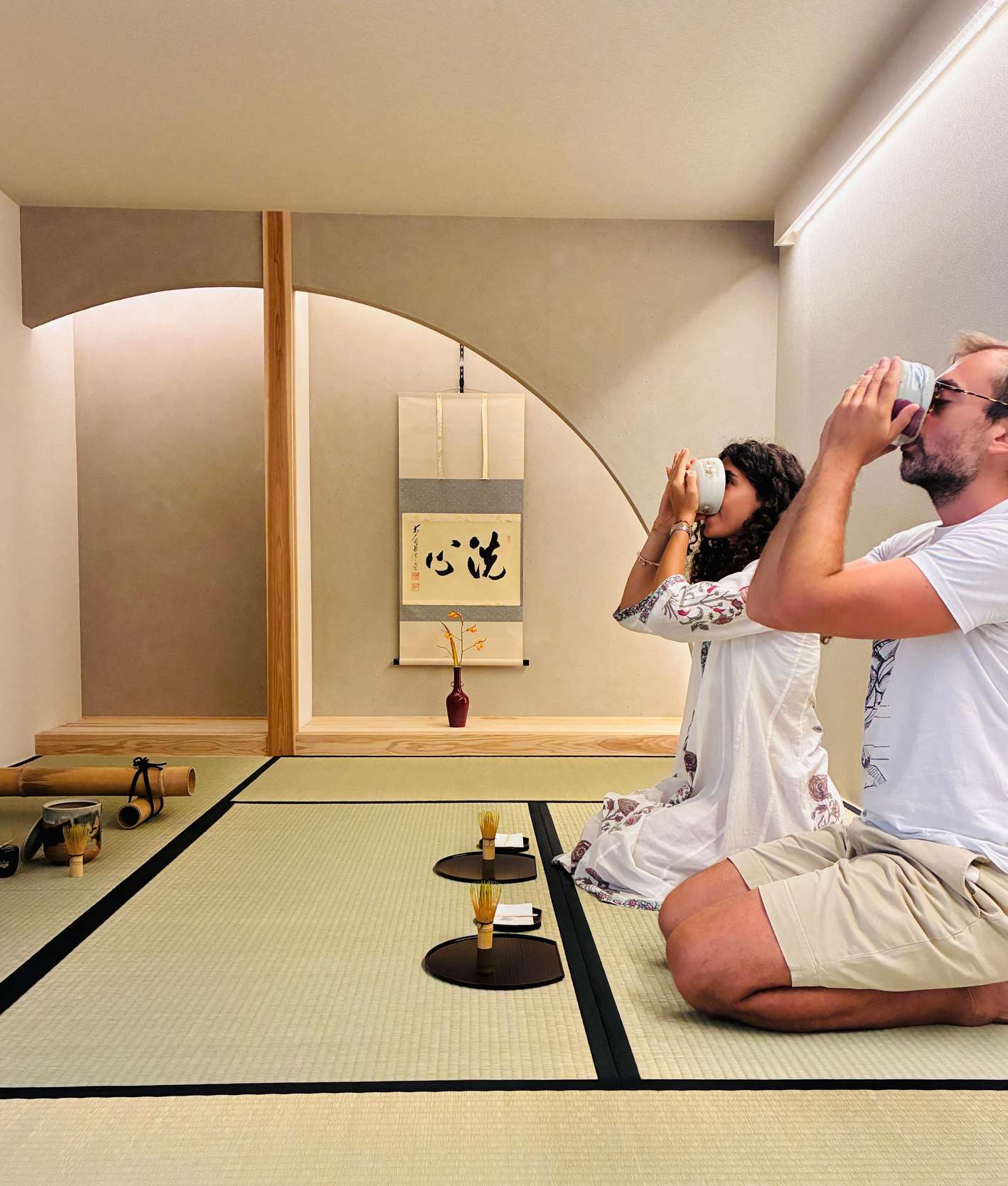
For the drinking itself: hold the bowl at waist height, lift it slightly toward the host, and turn it 90 degrees clockwise so you do not sip from the front.
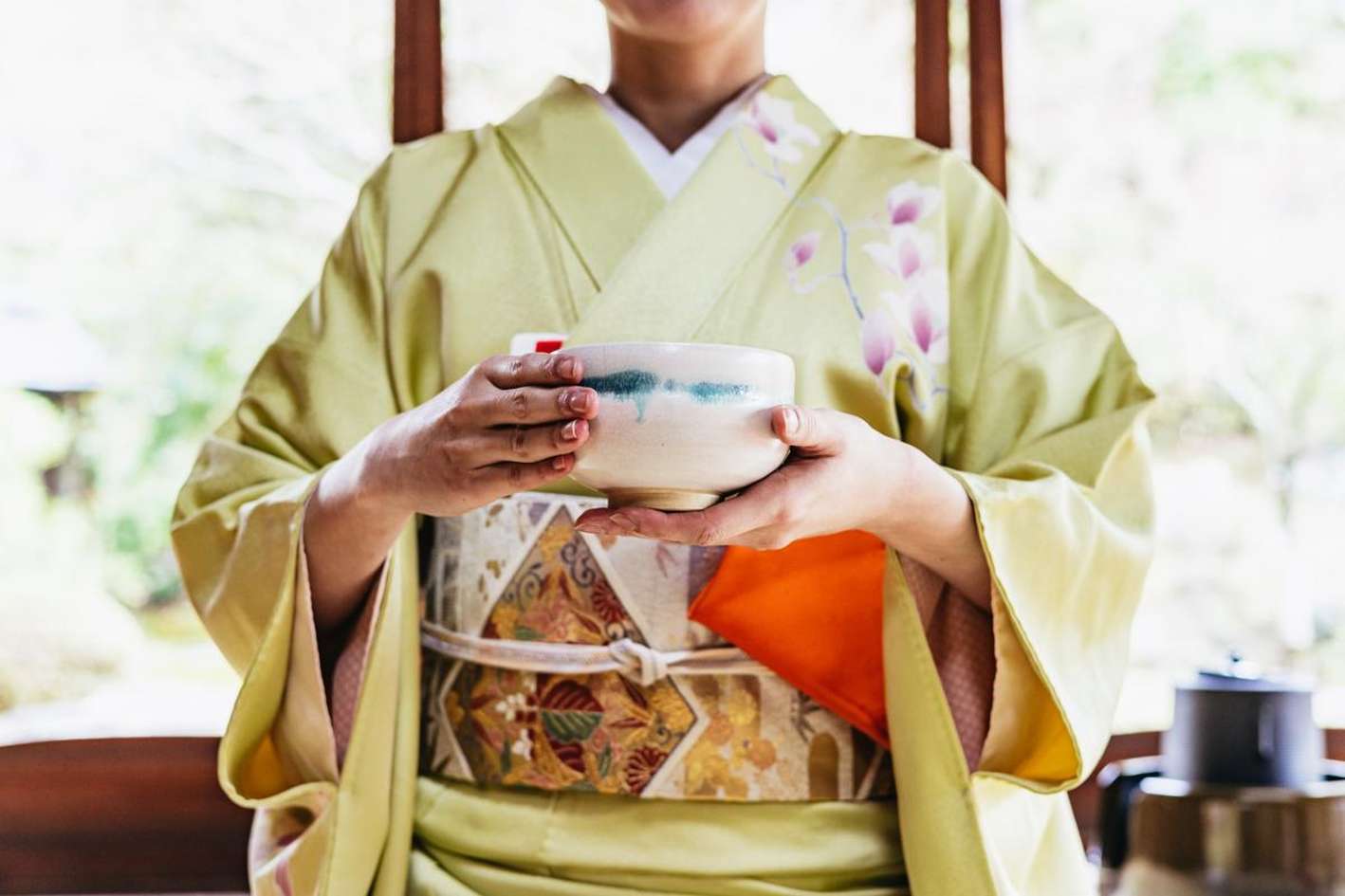
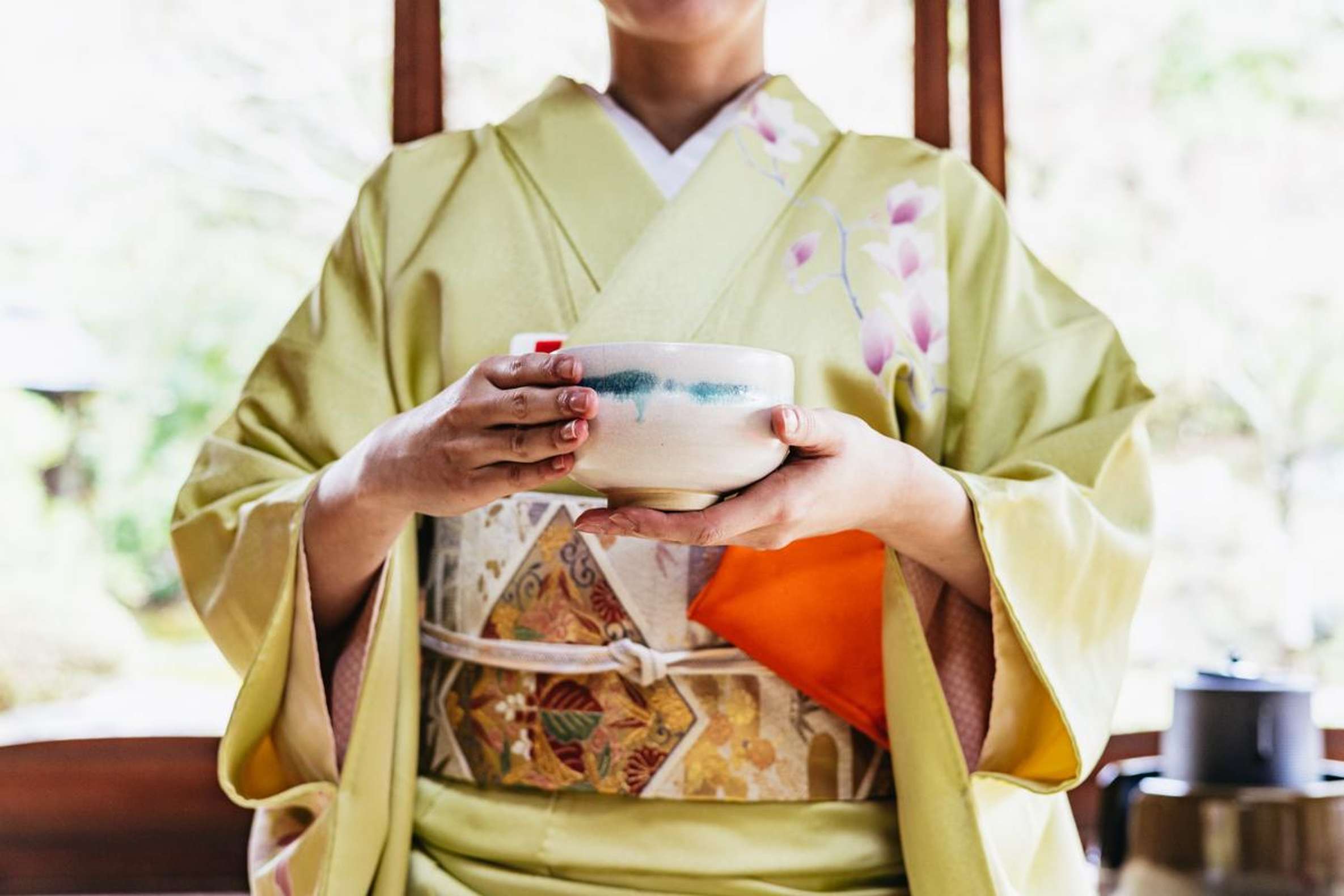
When the tea is gone, wipe the rim with your thumb and finger, then admire the bowl close to the floor, elbows resting on your knees. These bowls carry real value, and the glaze rewards the second look.
What nobody tells you
Whisk in a zigzag
Froth comes from fast back-and-forth strokes with a loose wrist; circular stirring and a stiff arm are the two mistakes that ruin it.
The doorway is tiny by design
The nijiriguchi makes every guest bow, which is why the room feels equal inside.
You end by admiring the bowl
Hold it low to the floor, both hands, and study the glaze; bowls of documented makers are one of the reasons temple settings are worth it.
The host talks you through all of it on the day, so these details simply free your attention for the room, the scroll and the kettle.
Tour for this
Kyoto: Tea Ceremony in a Garden Tea House near Kiyomizu-dera4.8★ (4,618) · 45 minutes · Free cancellation
Temple tearoom or garden pavilion near Kiyomizu-dera
The two settings suit different days. The temple option, Tea Ceremony Ju-An at Jotokuji Temple, runs 70 minutes inside the temple grounds and gives you the full walkthrough, the purification ritual and the architecture before the tatami. It is the choice when you want the ceremony woven into the place, with the pace slowed accordingly.
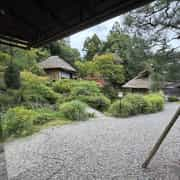
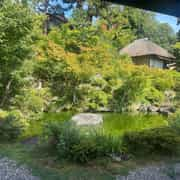
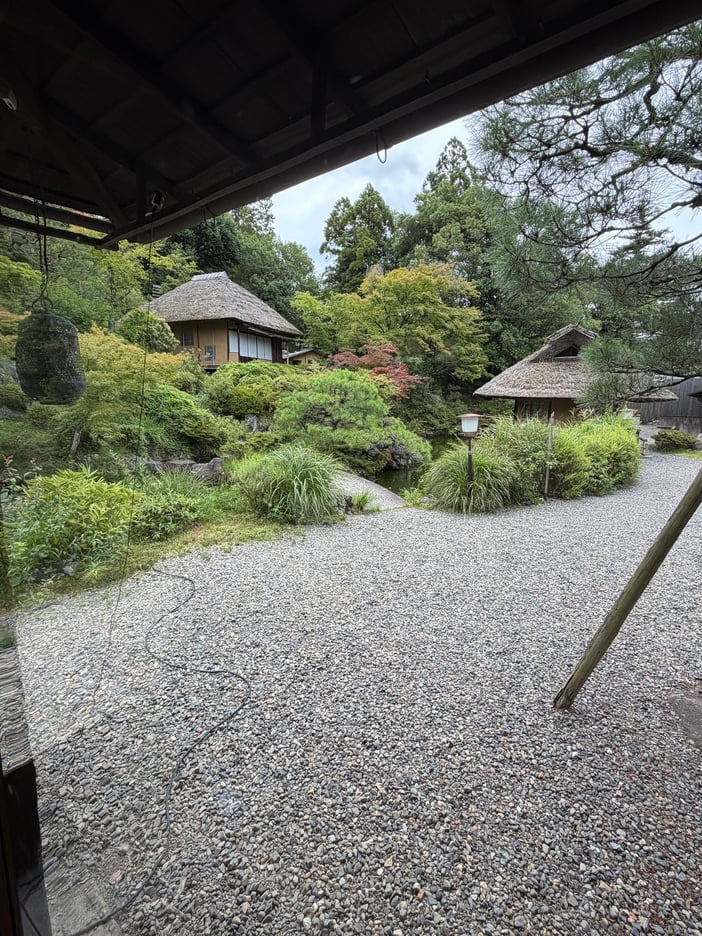
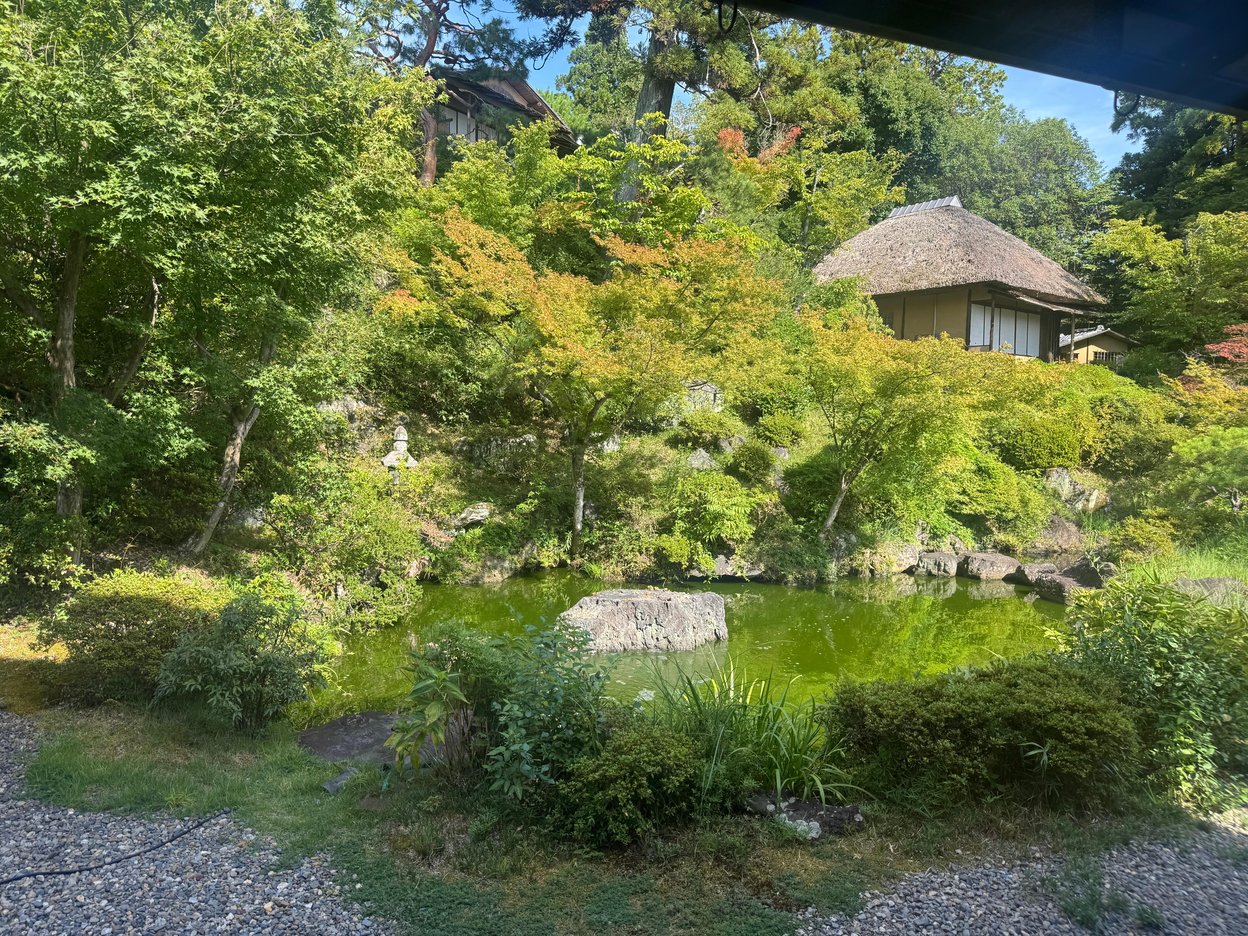
The garden tea house near Kiyomizu-dera compresses everything into 45 minutes, and its draw is visual: a Japanese garden designed by Ogawa Jihei VII sits visible from the entrance gate, and the ground-floor tatami room looks straight out at it.
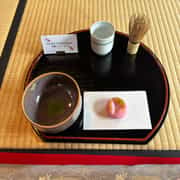
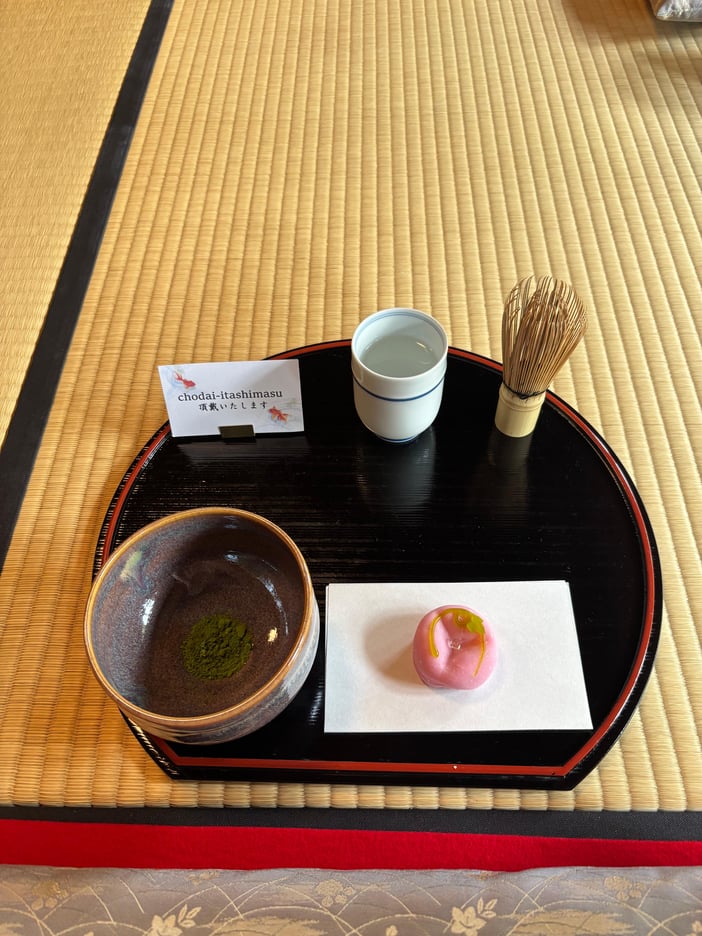
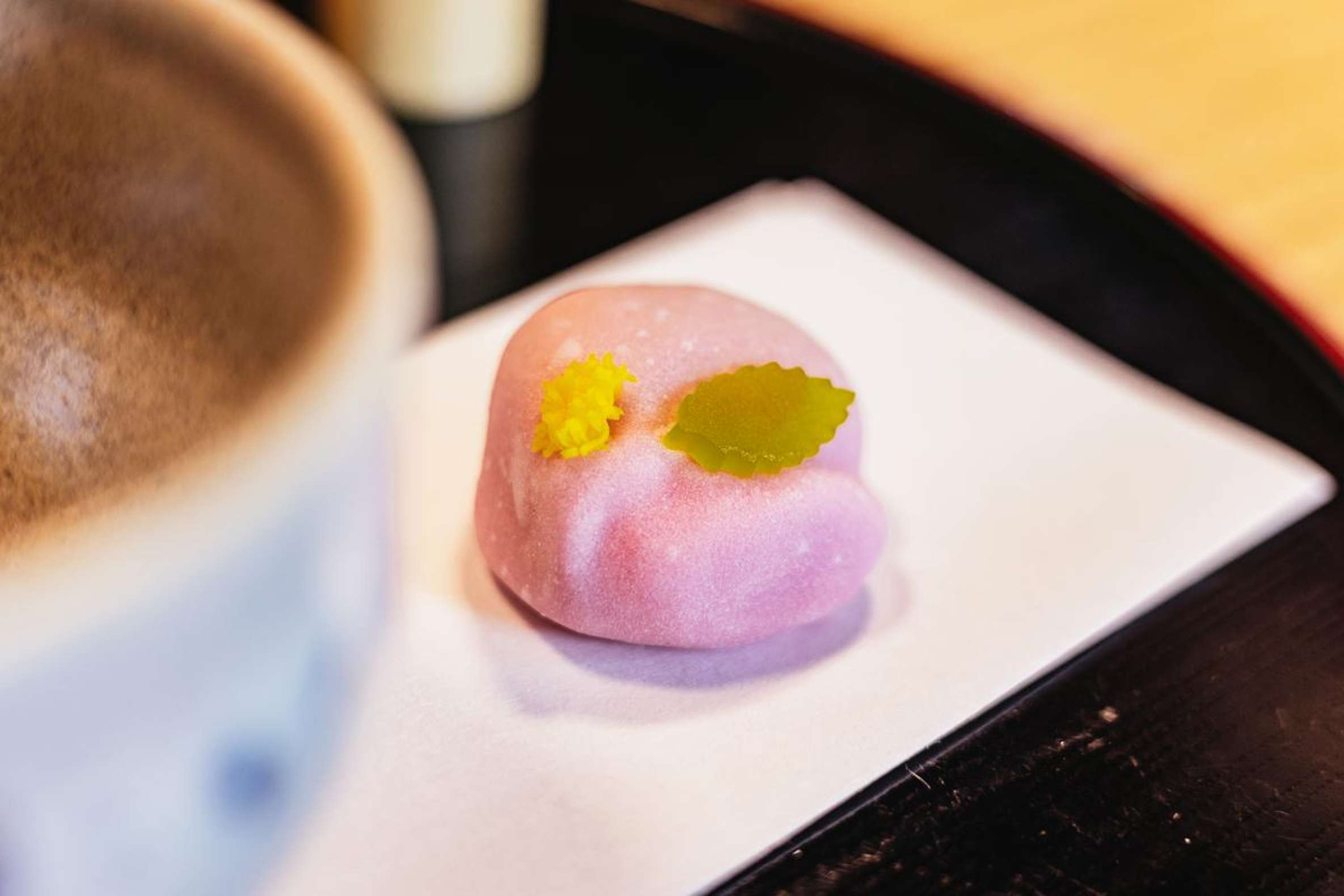
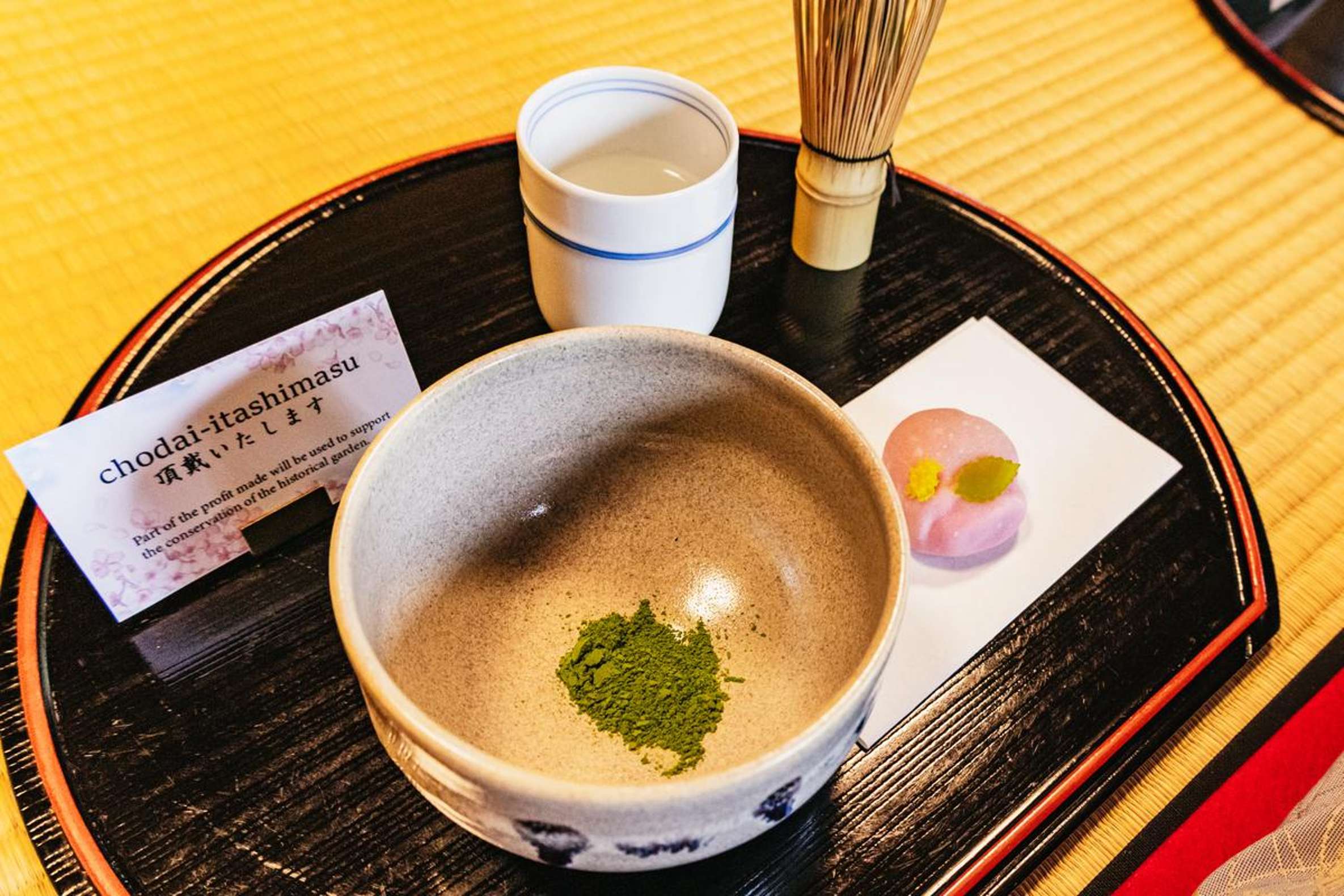
You get two cups of matcha, one made by the host and one by you, plus a sweet and a photo.
Neither is a formal chaji, the four-hour gathering with a kaiseki meal. Both are beginner ceremonies, and both work around Kiyomizu-dera's cobblestone slopes or the quiet streets south of Kyoto Station.
If you want more time with the ritual and the building, pick the temple; if you want the view and a tighter schedule, pick the garden.
Tea ceremony settings side by side
Ju-An at Jotokuji Temple
Garden tea house near Kiyomizu-dera
Duration
70 minutes
45 minutes
Setting
Consecrated temple grounds, tearoom up three steps
Tea house with a designed garden visible from the entrance gate
Extras
Temple walkthrough and purification ritual
Two cups of matcha, sweet, souvenir photo
Pace
Slower, spiritual focus
Compact, garden view first
Best for
Architecture and ritual depth
A quick, scenic session between sightseeing stops
Ju-An at Jotokuji Temple
Duration
70 minutes
Setting
Consecrated temple grounds, tearoom up three steps
Extras
Temple walkthrough and purification ritual
Pace
Slower, spiritual focus
Best for
Architecture and ritual depth
Garden tea house near Kiyomizu-dera
Duration
45 minutes
Setting
Tea house with a designed garden visible from the entrance gate
Extras
Two cups of matcha, sweet, souvenir photo
Pace
Compact, garden view first
Best for
A quick, scenic session between sightseeing stops
If the temple appeals but the day is tight, the garden house runs mornings and early afternoons near Sannenzaka, so it slots between sightseeing stops without reshaping your plan.
Time of day decides the mood more than anything else on the calendar. Morning between 9 and 11 is the quietest stretch, before day-trippers fill the streets, and the temple lanes stay calm while the light is still soft.
Late afternoon, from about 3:30 pm to 5 pm, brings the warmest garden light of the day.
The season matters more. April and November sit at the peak of cherry blossom and foliage demand, when popular slots fill well in advance and turning up without a reservation rarely works.
In Japan-wide terms, tea ceremonies book out 6 to 8 weeks ahead in those stretches. Winter, December through February, is the quiet season, and a few days' notice usually suffices.
Demand runs just as regulars report: spring and autumn book first, winter stays easy, and the months in between sit somewhere in the middle.
How busy it gets, month by month
May: 5 out of 5 for how busy it gets.
HighestApr to Jun, Oct
In betweenMar, Jul to Sep, Nov
LowestDec to Feb
Darker: a higher how busy it gets score, out of 5
Tap a month to read it.
If your dates fall in April or November, book the moment you fix the itinerary. In January or February you can stay flexible and fit the ceremony around the weather instead.
Getting there and finding the tearoom inside the temple
Jotoku-ji sits in Shimogyo, well south of the crowded Higashiyama lanes, and finding the tearoom is simpler than the grounds suggest.
Enter through the main gates, pass the Grand Tearoom on your left with the parish shop beside it, and meet at the red benches where your guide waits. If rain falls, you can shelter under the gable of the shop or wait inside the Grand Tearoom.
Once inside, face the Main Hall and look left: a few steps lead up to the tea room. That is the whole navigation.
The part to take seriously is the clock. Late entry is refused once more than about 30 minutes have passed since the start, with no refund, and some venues lock their doors at the starting minute itself.
Arriving 10 to 15 minutes early buys you the temple walkthrough anyway, which is time you would want to spend.
When a late arrival ends the booking
Late entry denied past about 30 minutes after the start, no refund Build in buffer for transit and the walk from the station; the session cannot be rejoined or extended.
So leave the station a little earlier than feels necessary. The buffer covers the walk through the gates as well, and it converts dead waiting time into the temple walkthrough you would have paid for otherwise.
Preparation at the genkan is quick if you plan for it. Shoes come off at the entrance, so socks go on at the doorstep, and bare feet never touch the tatami. Clean socks of any color are fine; white is a courtesy, mandatory only at select formal venues.
Hands come next. Rings, watches and all jewelry come off before you handle the bowls, because metal scratches ceramics and lacquerware when you lift a chawan with both hands. Skip perfume too: the scent of the matcha is half the experience, and cologne competes with it.
Clothing wants to be loose and modest, something you can kneel in, with no shorts or hiking gear. The detail that catches visitors out is the building itself: temple halls have no central heating, and the floorboards stay cold underfoot. In winter, thermals and thick wool socks earn their space in the bag.
What to wear for unheated temple tea ceremonies
Dec to FebHighs average 8 to 11°C over freezing floorboards. Wear thermal base layers, a warm shawl or cardigan, and thick wool socks over fresh socks.
Mar to MayHighs warm from 14 to 23°C, but temple floors remain chilly early in spring. Wear loose trousers, layered knits, and clean white socks.
Jun to AugHumid heat reaches 27 to 33°C. Wear lightweight, modest, breathable clothing that covers knees and shoulders, and bring a clean pair of socks.
Sep to NovHighs drop from 30 to 17°C, bringing drafts by late autumn. Wear comfortable long pants, a light sweater or jacket, and warm clean socks.
Spring and autumn need lighter layers, but keep an extra pair of socks in the day bag all year, since the floor never fully warms on chilly mornings.
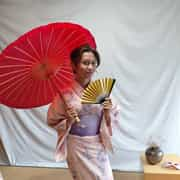
On kimono: Ju-An does not include it, though rental can be arranged separately nearby, and the garden tea house near Kiyomizu-dera does not offer rental at all.
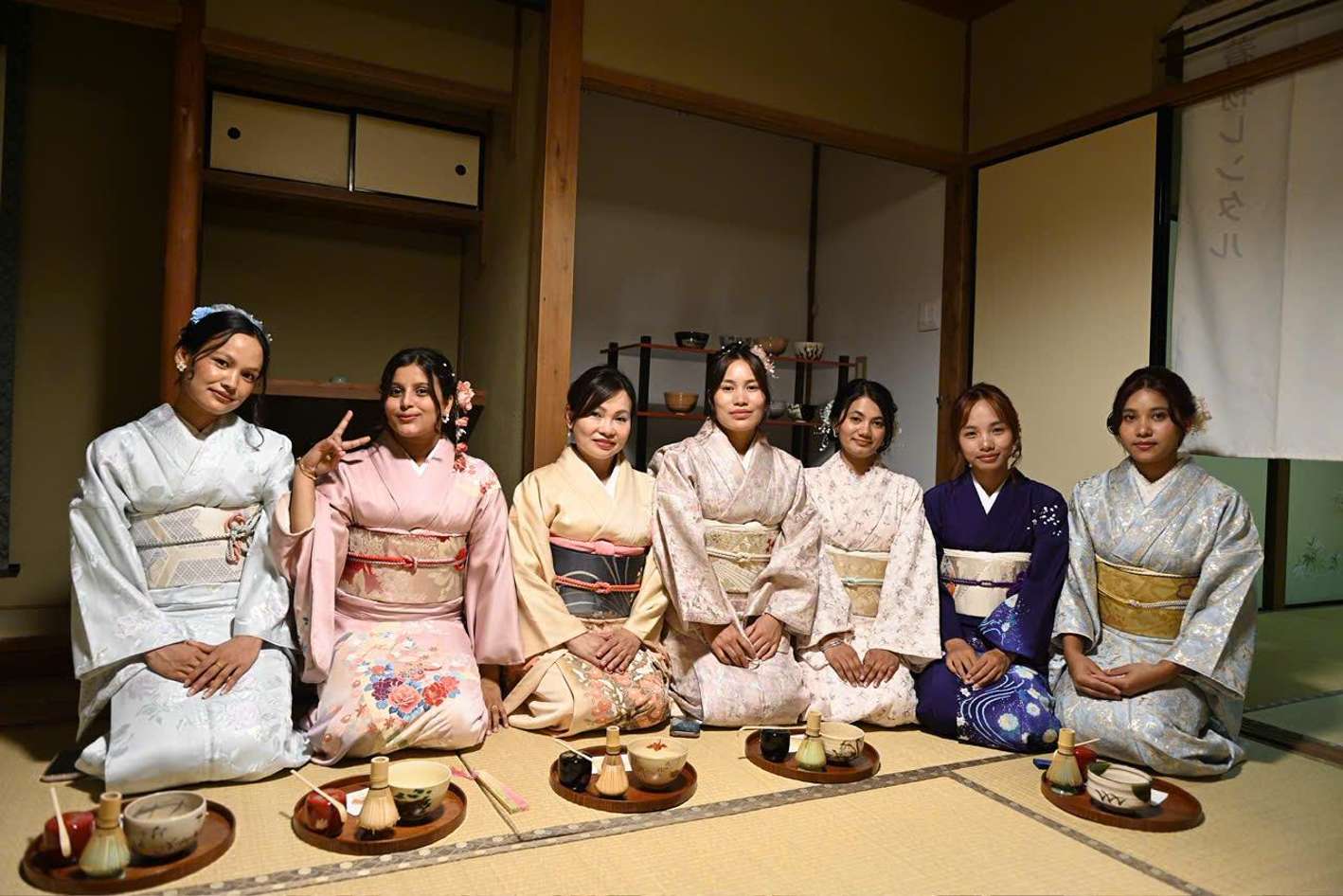
If dressing in kimono matters to your day, one operator near Keihan Kiyomizu-Gojo bundles the rental, dressing and a tea session in a Japanese-style room with its own garden.
Tour for this
Kyoto: Kimono, Tea Ceremony with Japanese Garden and Studio4.7★ (180) · 40 minutes - 1 day · Free cancellation
Plan on roughly two hours, door to gate, and the afternoon holds together instead of rushing. Arrive 10 to 15 minutes before the session to meet your guide and see the temple at an easy pace. The session itself, the walkthrough and the tea ceremony together, runs 70 minutes.
The part visitors skip is the last stretch. Keep 20 to 30 minutes afterwards for the gardens and the temple architecture, because the grounds are part of what you paid the visit for and they are at their quietest right after your group leaves.
Time to budget for a Kyoto temple tea ceremony
10-15 minrecommended arrival before session
70 mintemple tea ceremony duration
20-30 mingarden and grounds exploration
90-120 mintotal time to budget
Booked for mid-afternoon, that puts you back on the street around 4 or 5 pm, which happens to be when the light turns warm and the crowds thin.
Temple tea with children, or if kneeling worries you
Families should check the age line before booking anything. Children under 5 are not permitted at Jotokuji Temple's ceremony, and similar minimums run at 7 and older near Kiyomizu-dera. The rules protect the calm of a long seated session, which is what hosts ask of every guest.
Knees are an easier problem than parents expect. Seats and stools are provided at Jotokuji for anyone uncomfortable sitting on the floor in the traditional position, so mention it when you book and settle in comfortably.
For picky drinkers, the actual matcha portion is only a few small sips, and the sweet eaten beforehand balances the bitterness. Freshly whisked matcha surprises people who think they hate green tea, as one visitor put it: even guests who normally dislike it find it fresh and delicious prepared this way.
Caffeine is the one real limit, since no decaf alternative exists; tell the host in advance for a courtesy sip or plain hot water.
A traveler's note
Very good! Warm welcome, wonderful atmosphere from the whole group. Delicious matcha prepared by the tea master herself, garden view, interesting info beforehand and questions after. Highly recommend!
A serious allergy asks for one more step: check the wagashi ingredients with the staff and read the original label, since wheat, soy and nuts appear in many traditional sweets.
If plans change - cancellations and temple etiquette
Two terms decide whether a change of plan costs you anything. Both featured ceremonies can be cancelled up to 24 hours in advance for a full refund, which is a comfortable margin if you keep your final day fluid.
After that, the venue's own rules take over, and they all concern time. Doors lock at the start, entry is refused late with no refund, and the session is never extended to catch anyone up.
If your day changes
If this happens
What happens then
Cancel up to 24 hours before the session
Full refund, no questions.
Arrive more than 30 minutes after the start
Entry refused, no refund, and the session continues without you.
Group arrives late to a private booking
The session may be cancelled or simply ends at the scheduled time, unfixed.
Missed it entirely
Rebook another date; prepaid amounts for missed starts are not returned.
And when the bowl is empty and you are standing to leave: no tip. Nothing extra is customary in Japan, and a plain thank you to the host says everything the moment calls for.
Few spots in Kyoto leave so much within a short walk. Shosei-en Garden sits 451 meters south, about six minutes, a walled garden that suits an unhurried hour after tea. Higashi Hongan-ji, with its vast halls, is under ten minutes on foot, and the older temples Byōdō-ji and Bukkō-ji lie just north of the grounds.
Cross the Kamo River eastward and you reach the edge of Higashiyama: Hōkō-ji and Toyokuni Shrine are both inside a 15-minute walk, close to the southern end of the preserved Sannenzaka and Ninenzaka slopes if your legs still have stairs in them.
For a fuller day, Tōfuku-ji's famous gardens are about ten minutes by car, with Imakumano Kannon-ji not far beyond. The tea sets the pace for everything after it: slow, quiet, and worth giving the afternoon to.
For travelers who want the setting as much as the tea, the temple ceremony at Jotoku-ji is the strongest pick on this page: 70 minutes, the walkthrough included, stools available for anyone who dreads the floor. The garden tea house near Kiyomizu-dera wins when the view and a tighter schedule matter more.
Book early for April and November, arrive with socks and buffer time, and leave the last half hour for the gardens.
Go ifYou want matcha inside a working Buddhist temple, with the grounds walkthrough includedYour dates fall between December and February, when booking is easy and rooms are quietYou can arrive 10 to 15 minutes early and keep the full two hours free
Skip ifYou travel with children under 5, who are not permitted at the temple sessionA wheelchair user needs the tearoom itself, which sits up three stepsYou cannot manage an early arrival, since doors lock and late entry is refused
Quick answers before you pick your quiet hour of matcha.
Kyoto2026
Seventy minutes in a working temple, the kettle hissing louder than the city. Bring socks, and book before the cherry blossom weeks fill every slot.
What makes a tea ceremony in a Kyoto temple different from a commercial studio?
A temple session happens inside a working Buddhist temple, so your 70 minutes at Jotoku-ji include a walk through the temple grounds and its architecture before you ever enter the tearoom. Studios are purpose-built rooms without that setting.
Will I feel awkward as a first-timer with no Japanese and no etiquette training?
These sessions are built for visitors: relaxed, guided in English, and centered on cultural lessons and the meaning behind each utensil. They are welcoming introductions rather than silent tests of manners.
Do I whisk my own matcha or only watch?
You get both. First you watch the tea master prepare matcha, then you whisk and drink a bowl of your own.
Does the ceremony feel rushed, like a tourist production line?
No. A temple tea ceremony moves at a seated-meditation pace, with deliberate attention to each gesture, and there is time to ask about what you see.
How long should I budget for a temple tea ceremony?
Plan 90 to 120 minutes in total: arrive 10 to 15 minutes early, spend about 70 minutes inside at Jotoku-ji for the walkthrough and ceremony, and leave 20 to 30 minutes for the gardens and temple buildings afterwards.
Can I use a chair instead of kneeling on the tatami?
Yes. If sitting on the floor in the traditional position is uncomfortable, seats and stools can be provided at the Jotoku-ji tearoom, so sore knees need not keep you away.
Are temple tea rooms quiet, or do the crowds follow me inside?
The temple walls do the filtering. Once you are seated you hear the kettle boil, and guests keep silence during the session, so city noise and sightseeing chatter stay outside.
How bitter is the matcha, honestly?
Ceremonial matcha is stronger than the sweetened versions most visitors know, which is why you eat the Japanese sweet first. Even so, a ceremony calls for only a few small sips.
Can I bring my children to a temple tea ceremony?
Not the little ones. Children under 5 are not permitted at the Jotoku-ji ceremony, and guests are asked to keep the calm the ritual needs.
Can I wear a rented kimono to a temple tea ceremony?
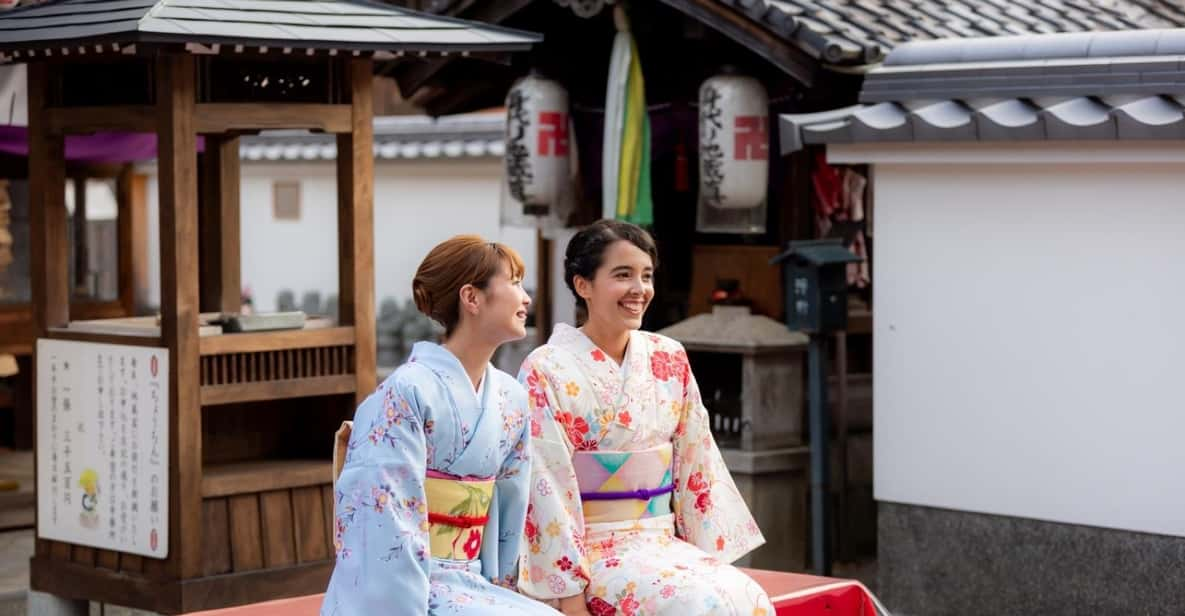
Yes, and the kimono is rented separately at Jotoku-ji since it is not part of the booking. Many visitors dress in kimono for the ceremony and wear it sightseeing afterwards.
Can I take photos while the tea master works?
Rules vary by venue. Video recording is banned at certain Kyoto ceremonies, and flash photography is generally off limits, so keep the camera aside until your host says otherwise.
Seventy quiet minutes inside the Ju-an at Jotokuji temple
Walk the temple grounds, take a purification ritual, then whisk your own matcha in the Ju-An tearoom. Free cancellation up to 24 hours in advance keeps the plan safe.